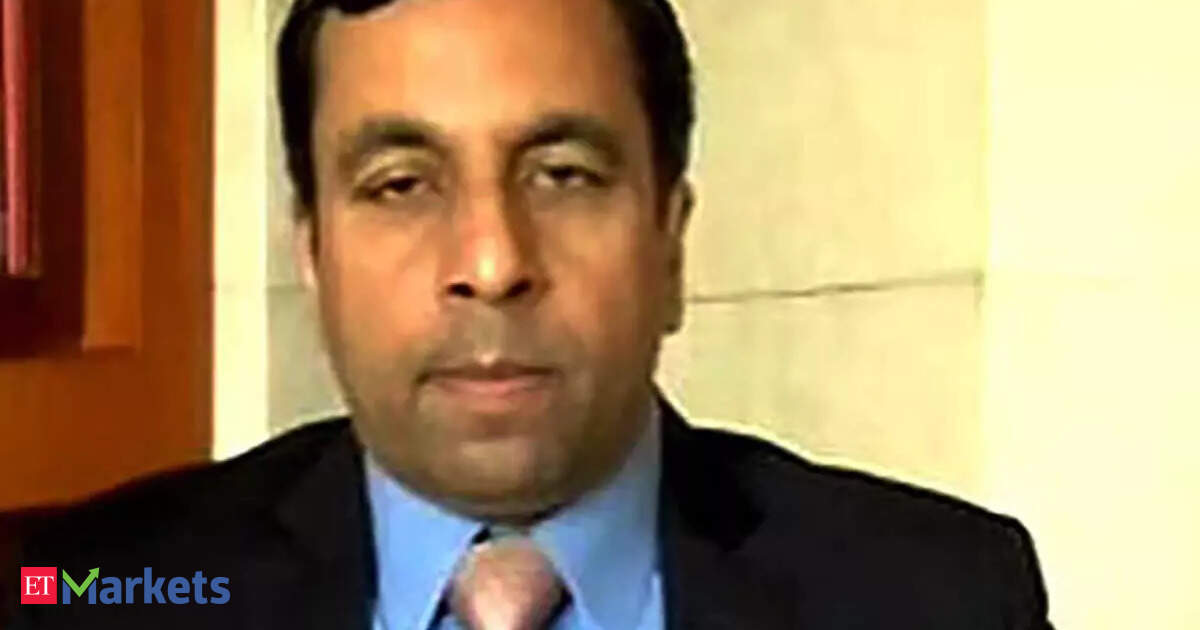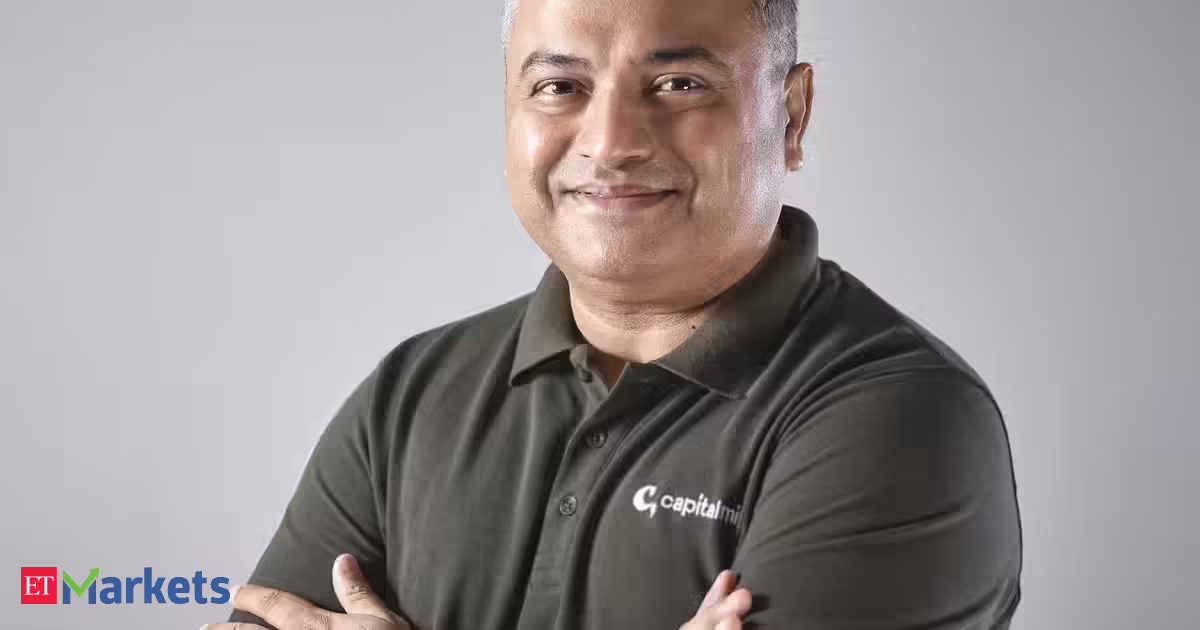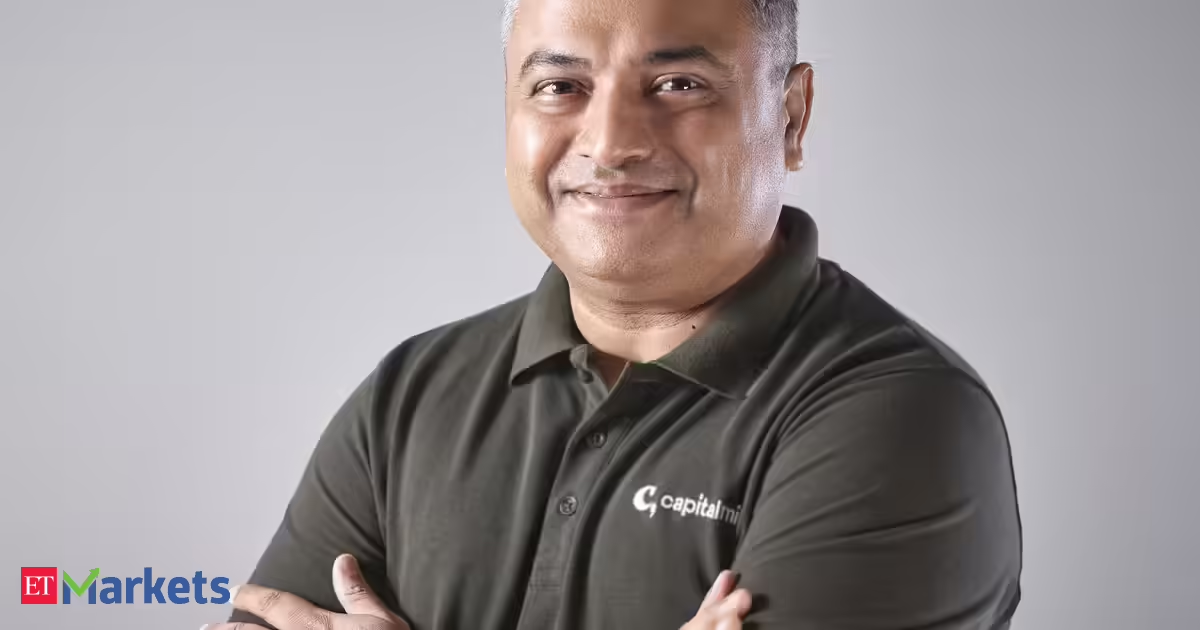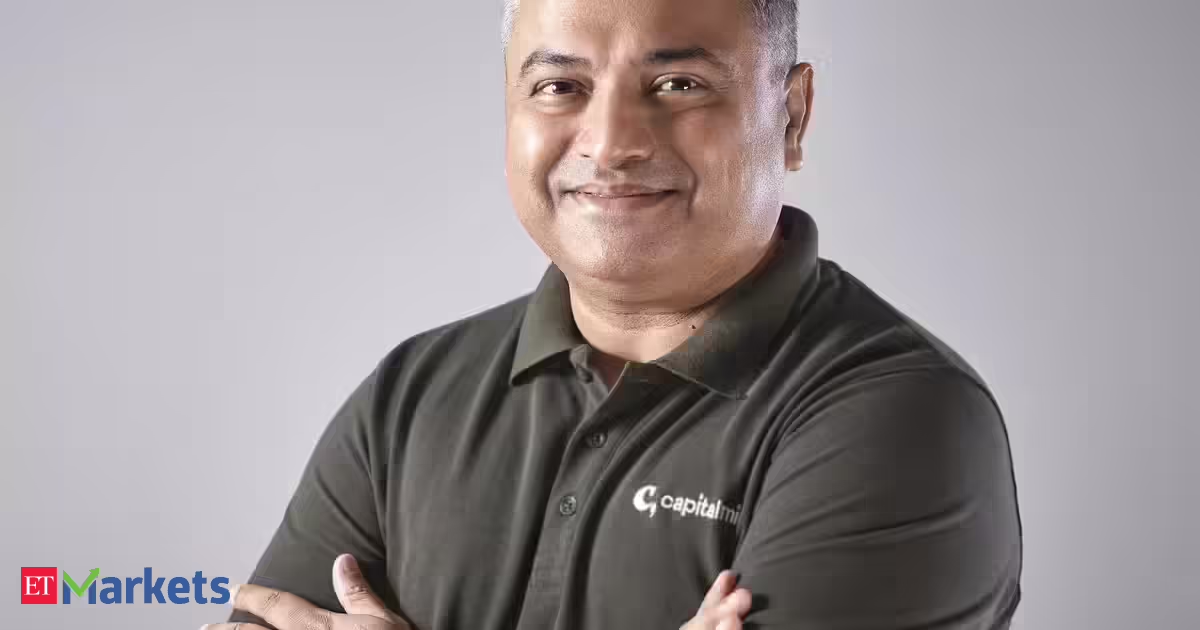
With oil spiking, bond yields surging globally, and the rupee under pressure, Deepak Shenoy says the macro noise is beyond anyone's control, but India's earnings story remains quietly strong.Market outlookIn a market where geopolitical crosswinds, from oil supply shocks to an inconclusive Xi-Trump summit, are dominating sentiment, Deepak Shenoy, Founder and CEO of Capitalmind MF, urges investors to tune out the noise and focus on fundamentals with a longer time horizon."Disciplined investing for retail investors is always useful. Do not try to time it too much," Shenoy told ET Now. He warns that current price action offers no clear signal, neither a breakdown nor a breakout, making tactical positioning treacherous for most investors."This market requires patience. If you do not have that patience, a fixed deposit or a liquid fund will probably be a better option."ETMarkets.comEarnings beat expectationsDespite the macro turbulence, India Inc.'s March quarter results came in well ahead of forecasts. Median earnings growth in the Nifty 500 clocked in at 18–19%, with smallcaps posting around 20% growth. Balance sheets remain resilient, and corporate India has the debt headroom to expand capex if policy support follows.You Might Also Like:Shenoy sees industrial and public sector bank stocks as pockets of value, though he notes the PSB rally may have peaked for now. He cautions that while some sectors are undervalued due to unrecognised growth, others are overpriced on assumptions that cyclical earnings will persist.The bond tax problemOn the proposed reduction in taxation for FIIs investing in Indian bonds, Shenoy is cautiously optimistic but tempers expectations. India remains an outlier globally by charging capital gains tax on bond sales to foreign residents, and TDS rules can effectively double-tax investors in the secondary market.The bigger issue, he argues, is policy consistency. Frequent flip-flops, from Mauritius tax changes to retrospective capital gains levies, have made foreign investors wary of committing to India's bond market for the long haul. "If we had a 10-year trajectory and kept it, that would help," he says. Any relief measure, therefore, needs to be accompanied by a credible long-term policy commitment to have a meaningful impact on FII flows.Bottom line for investorsShenoy's prescription is simple: if you have a five-year time frame and the stomach for volatility, the market offers reasonable entry points. If not, capital preservation instruments are a wiser choice. The macro will play out; India just needs to exercise patience, and start building the domestic manufacturing muscle to reduce its vulnerability to dollar swings.You Might Also Like:
Stay disciplined, think five years out: Deepak Shenoy on how to navigate volatile markets
Global economic turbulence is high. However, India's company earnings are performing well. Deepak Shenoy advises investors to focus on fundamentals and maintain patience. Disciplined investing is key for retail investors. The market presents entry points for those with a five-year outlook. India needs to build domestic manufacturing to reduce dollar dependency.
412 words~2 min read