Tuesday 19 May 2026 4:58 am
| Updated:
Monday 18 May 2026 2:44 pm
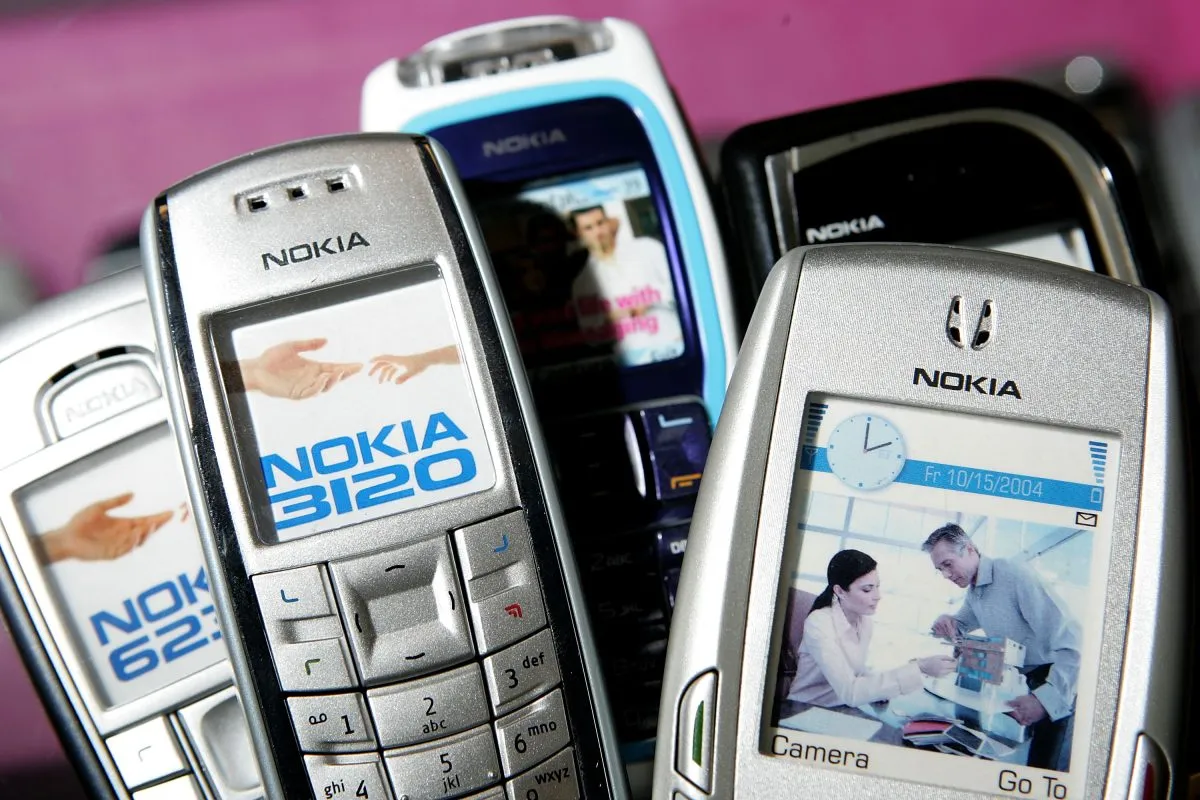
Many are now turning to dumb phones to get away from Big Tech
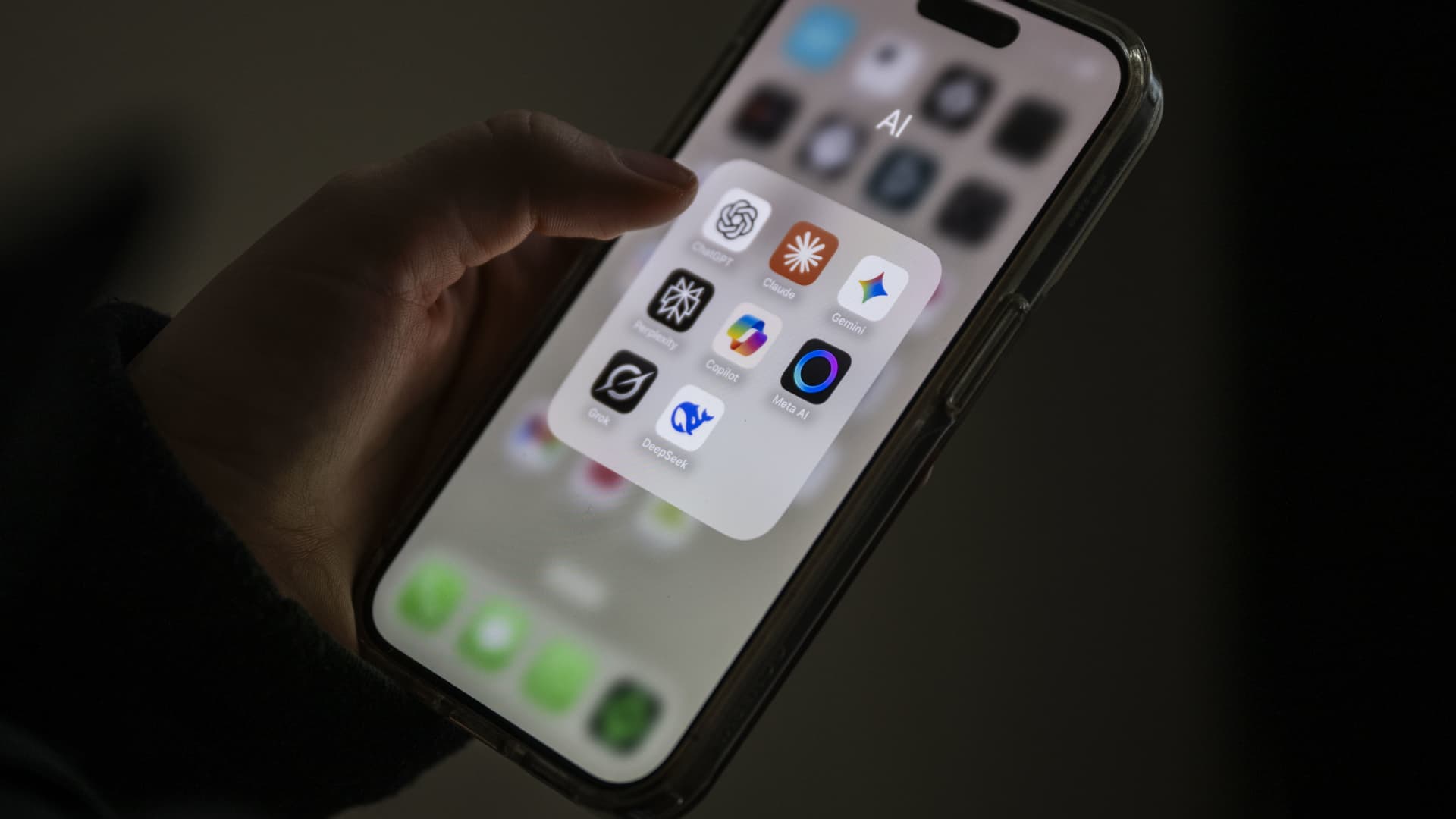
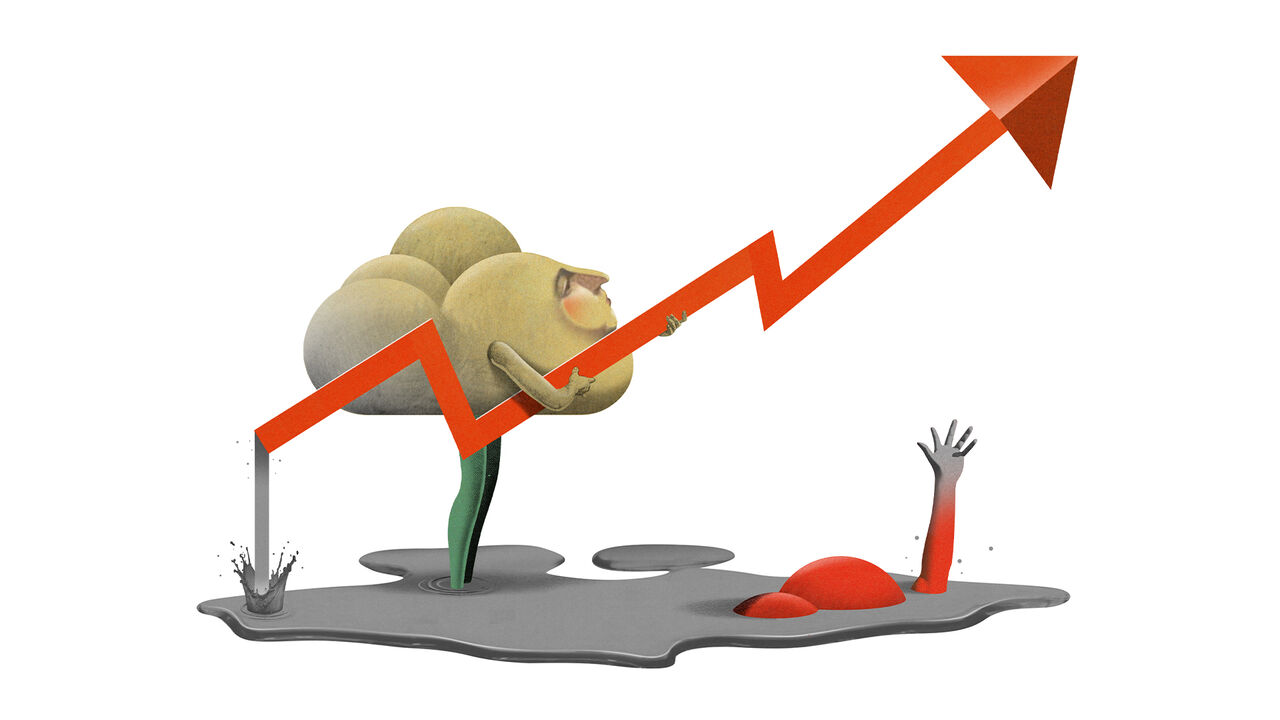
Many executives approving AI copilots are also privately paying for products to shield their own children from technology, writes Paul ArmstrongYour consumers are starting to pay for escape from your Big Tech choicesThe next major consumer battle isn’t going to be over who captures the most attention, builds the smartest AI assistant or creates the most immersive hardware ecosystem. A far more commercially dangerous shift is starting to emerge underneath consumer behaviour, one that threatens the incentives many technology and media businesses have spent the last 20 years optimising around: consumers are increasingly willing to pay for relief from the systems designed to keep them permanently engaged.For nearly two decades, the biggest firms in technology built trillion-dollar businesses by maximising engagement. More scrolling meant more advertising inventory. More notifications meant more opportunities to pull users back into platforms. More screen time meant richer behavioural data, stronger retention metrics and better narratives for investors. Every layer of modern consumer technology became engineered around removing friction, shortening pauses and eliminating moments where people might drift away from the system.Infinite scroll was not an accident, just as autoplay videos, streaks, algorithmic recommendation feeds and push notifications weren’t. These are all carefully tuned to provoke emotional reactions strong enough to keep users returning throughout the day. Consumer technology became extraordinarily good at occupying attention because occupying attention became one of the most valuable economic activities on earth. The trouble is they suck attention, keep consumers addicted and increasingly damage us.AI supercharges these incentives because the technology dramatically lowers the cost of manufacturing engagement at industrial scale. Every platform can now generate summaries, prompts, reminders, recommendations, synthetic interactions and personalised nudges endlessly and cheaply. Many, if not all, are encouraging more posting to juice their LLMs and systems. Every company suddenly has the ability to become noisier, more persistent and more psychologically invasive than at any point in the history of consumer technology. Returns seem to be diminishing week by week.Consumers are calling this out, and opting outCognitive exhaustion remains a status symbol for many, for others it’s a sign of mental issues. One group is buying AI-powered smartphones capable of summarising meetings, monitoring health, recording conversations. Another group is buying £100 landline phones for children precisely because those devices do almost nothing at all.Tin Can, a retro-looking landline phone for children with no apps, browser or infinite scroll, has become one of the stranger breakout consumer technology products of the year. Native Union’s POP phone is a retro version for adults. Roblox is adding more youth protections as pressure builds from regulators and parents increasingly uneasy about what children encounter online. Meanwhile wearable firms like Whoop continue to prove consumers will happily pay subscription fees for devices with no screen whatsoever because many users no longer want every moment of exercise, recovery or sleep routed back through another glowing rectangle competing for attention.Viewed individually, those trends can look eccentric or temporary. Viewed together, they point towards something far larger happening underneath consumer behaviour and business strategy. Quiet, privacy, friction and even boredom are gradually becoming premium experiences rather than things to eliminate. Part enshitification, part because they’ve run out of ideas.Wealthier consumers increasingly pay to create environments where notifications, feeds and algorithmic interruptions cannot constantly intrude. Private members clubs ban laptops to preserve atmosphere and conversation. Hotels advertise digital detox packages alongside spas and wellness treatments. Restaurants quietly remove QR codes because customers are tired of scanning instructions before ordering dinner. Parents buy minimalist devices because many no longer trust the incentives shaping mainstream digital platforms, particularly platforms where engagement metrics remain tightly connected to advertising revenue and algorithmic amplification.Being unreachable is quietly becoming a status symbolBusiness leaders should pay close attention because the implications stretch far beyond parenting trends or wellness culture. Advertising, retail, workplace software, hospitality, media, entertainment and even office culture increasingly sit inside the same growing tension between immersion and escape. Many executives approving AI copilots, workplace assistants and always-on productivity systems are often privately paying for products designed to shield their own children from remarkably similar behavioural mechanics. A contradiction that becomes harder to ignore as AI systems grow more persistent, more personalised and more embedded into daily routines. Being a brand or company that people love, or at least don’t dislike, has never been more important.Meta wants AI glasses everywhere. Apple is reportedly developing AirPods with embedded cameras as devices move further into ambient computing. OpenAI wants persistent assistants with memory woven invisibly across daily life. Nearly every major platform increasingly wants to position itself as an always-on intermediary sitting permanently between consumers and reality itself, interpreting conversations, anticipating needs and shaping decisions continuously in the background.Consumers are beginning to signal something more complicatedLarge parts of the technology industry still assume deeper immersion represents inevitable progress. Convenience still matters, but convenience without boundaries increasingly feels psychologically expensive. Unlimited access and permanent connectivity once signalled innovation, efficiency and modernity. Increasingly, consumers with money and influence are signalling status through selective disconnection instead.Trust and attention are no longer moving in the same direction and that matters for your business. Businesses still optimising purely for engagement may discover they are solving aggressively for metrics consumers no longer emotionally value. A growing number of customers don’t want every product to become an assistant, every surface to become interactive or every silence to become monetisable.Previous generations treated friction as failure because friction slowed commerce and created inefficiency. Emerging consumer behaviour increasingly treats certain kinds of friction as protection. Delays create breathing room, boundaries create trust, and silence is cherished relief from… everything. Technology firms spent years convincing consumers that every idle second should be filled, measured, optimised or monetised. Many consumers are now spending heavily trying to reclaim small parts of life where none of those systems can easily follow them. First comes the minimise, then comes the block. Smart companies are stopping strategies that capture attention at all costs, and instead stopping paying to make weary eyeballs roll. The next 5 to ten years are about to belong to the companies who understand when to stop demanding attention.Paul Armstrong is founder of emerging tech advisory, TBD Group and its intelligence community TBD+