Tuesday 19 May 2026 5:58 am
| Updated:
Monday 18 May 2026 1:58 pm
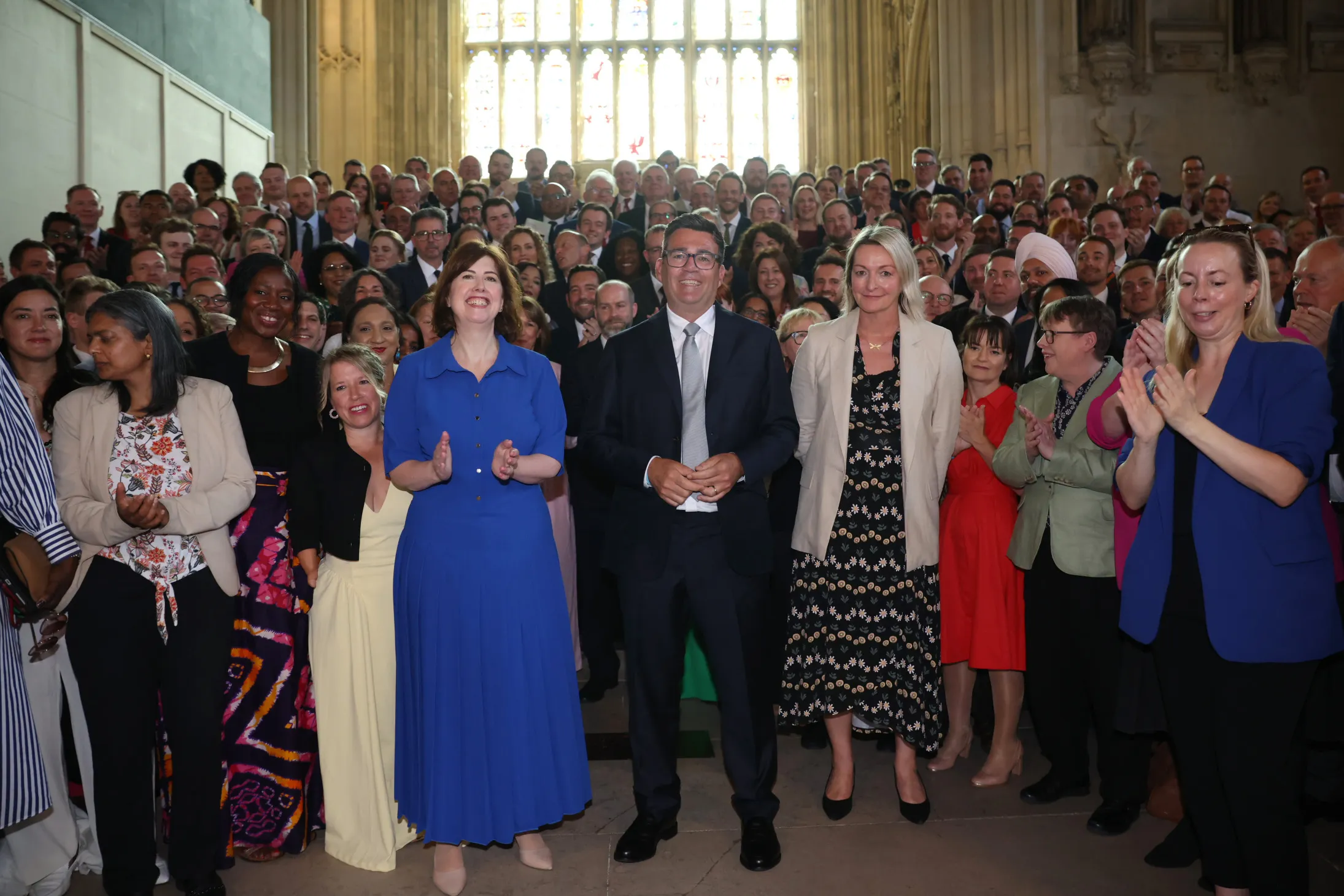
"I will take that fight as high as I can take that fight," Burnham told ITV News
Gilt Yields have more to do with inflation than the future of the Labour Party, says Tomasz WieladekThe debate about the future of the Labour Party’s leadership has revived a familiar narrative: that high Gilt yields are the verdict of financial markets on prospective changes to the government’s fiscal plans. The implication is that only fiscal restraint can bring yields down again. This argument is too simple. It misdiagnoses the problem and the cure.Gilt yields do not move in isolation. They are anchored, in part, to the yields of other major economies. That anchor has shifted substantially. To blame domestic politics for the level of yields, without acknowledging what is happening in global bond markets, is to only tell one side of the story.German Bund yields, long suppressed by scarce supply and the European Central Bank’s quantitative easing programme, have risen sharply. The reform of Germany’s debt brake has opened the fiscal taps, releasing ample new Bund supply onto the market.Meanwhile, Japan’s monetary policy normalisation and the Bank of Japan’s own quantitative tightening have pushed Japanese Government Bond yields to levels not seen in 30 years. Japanese fiscal expansion is adding further upward pressure.And the Federal Reserve may yet have to raise rates again in response to renewed inflationary pressure at home. All of these forces are keeping Gilt yields elevated, regardless of what happens in Westminster. As President Kennedy once said: A rising tide lifts all boats.