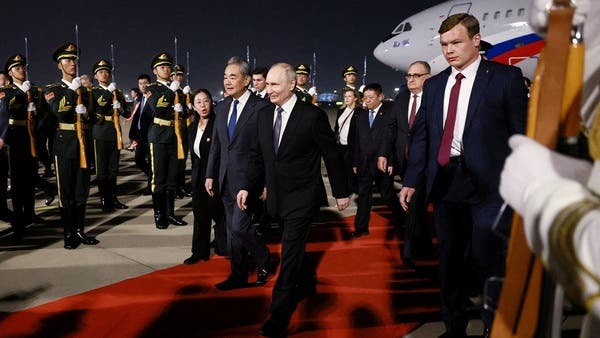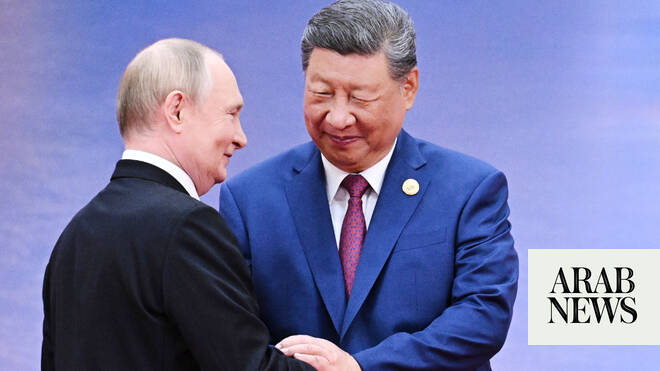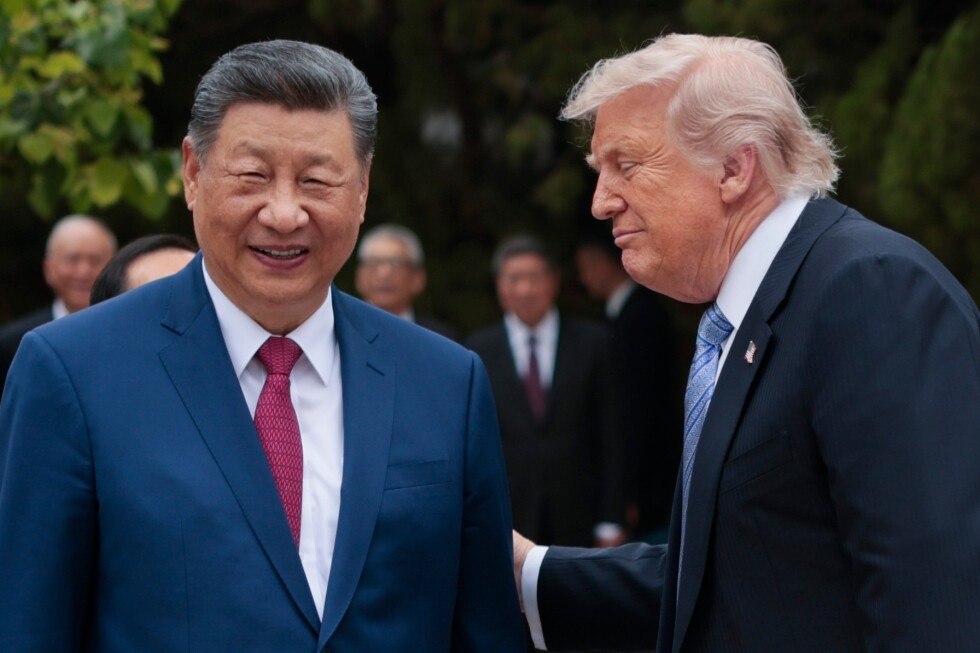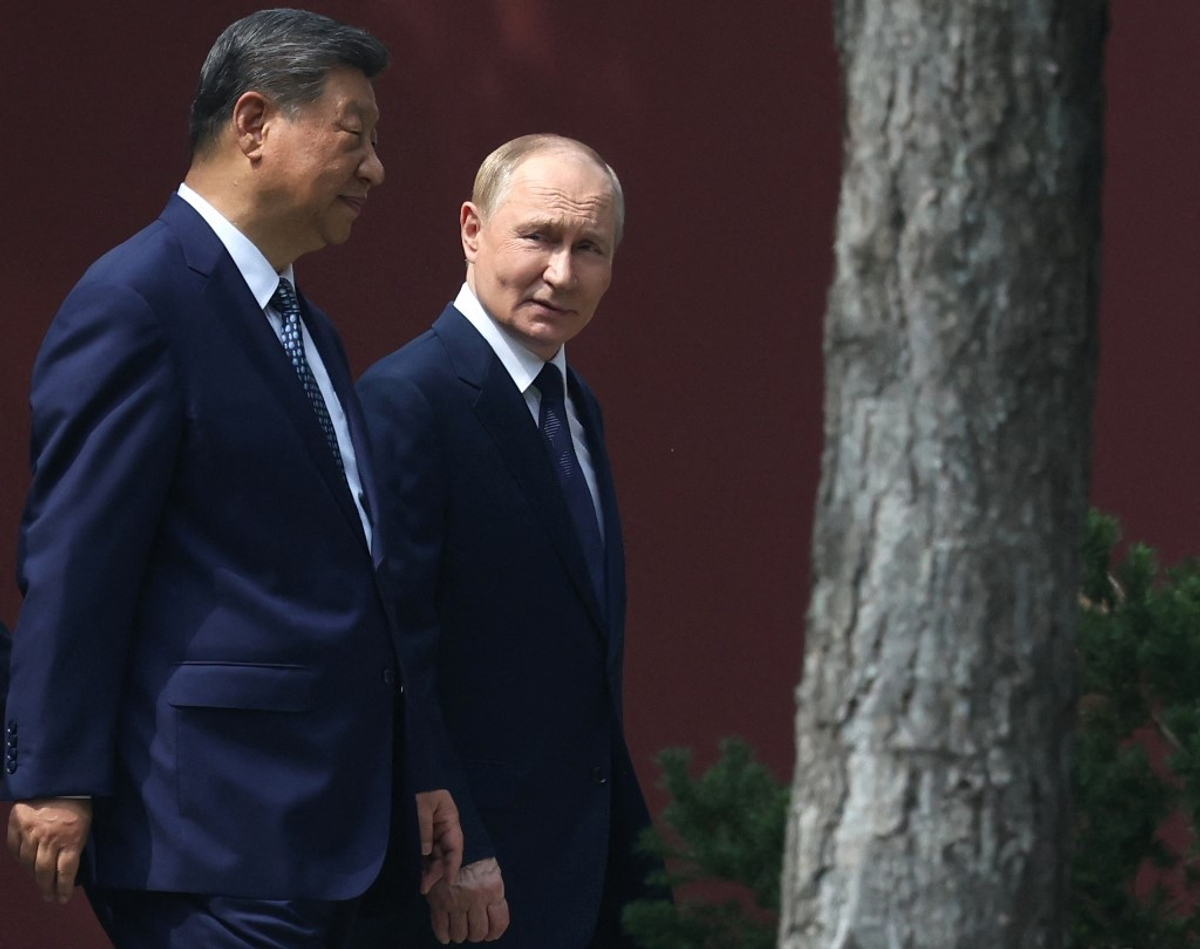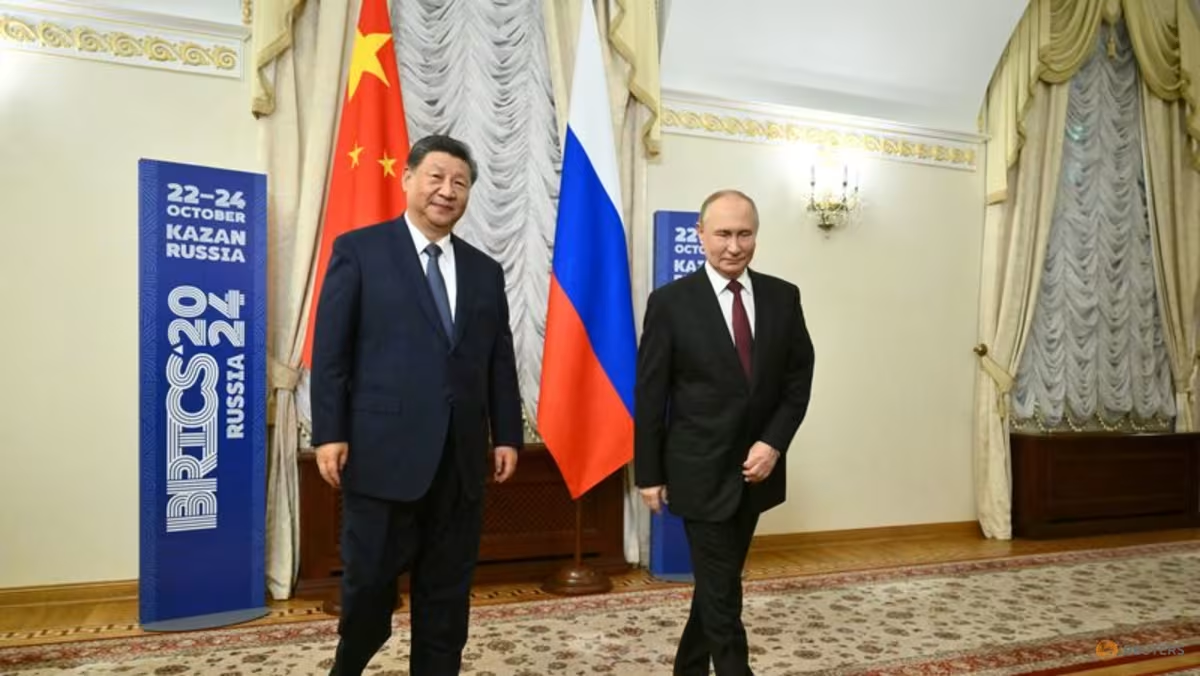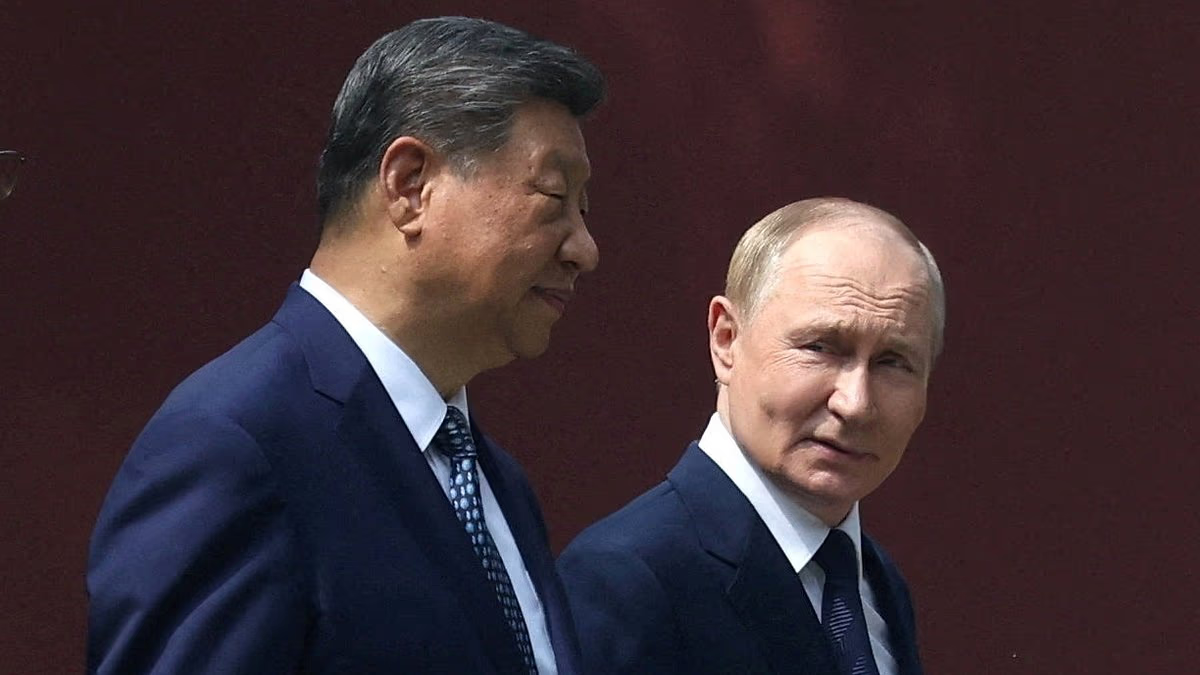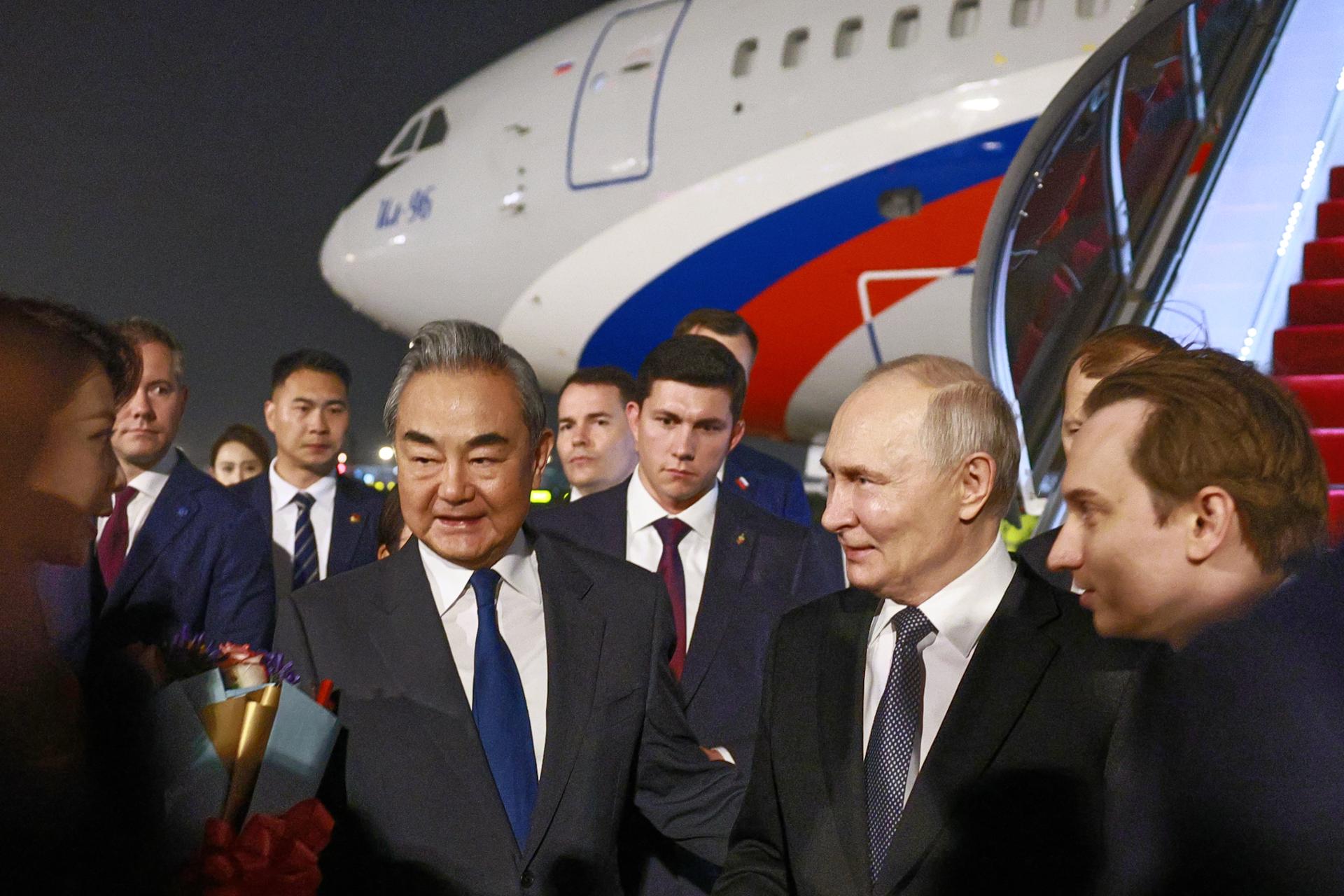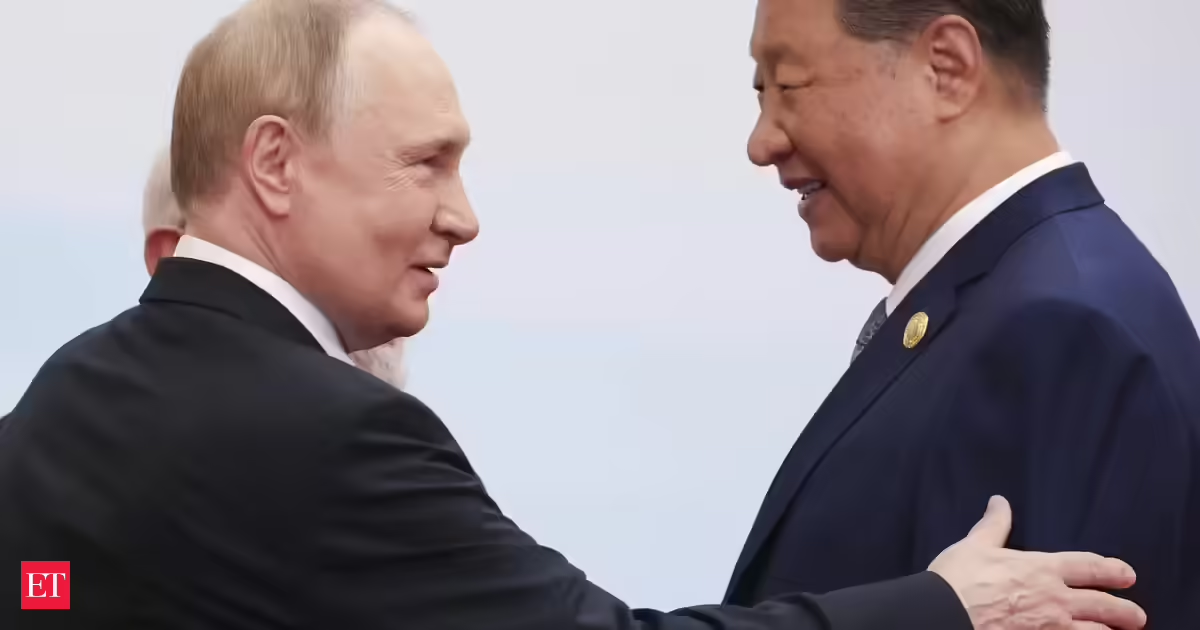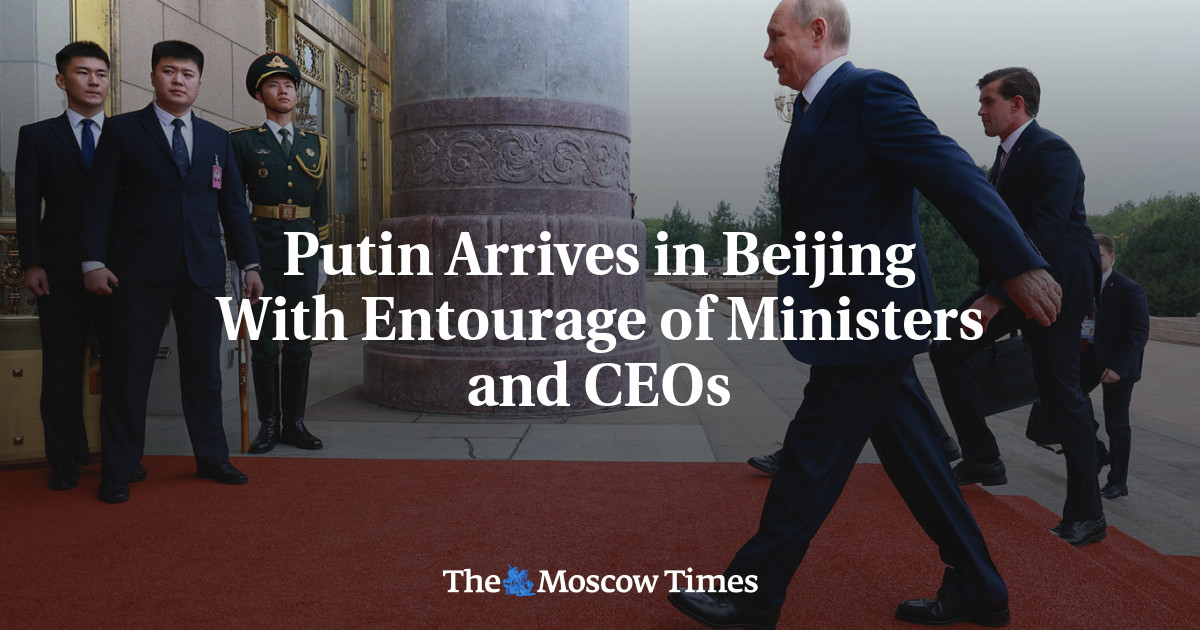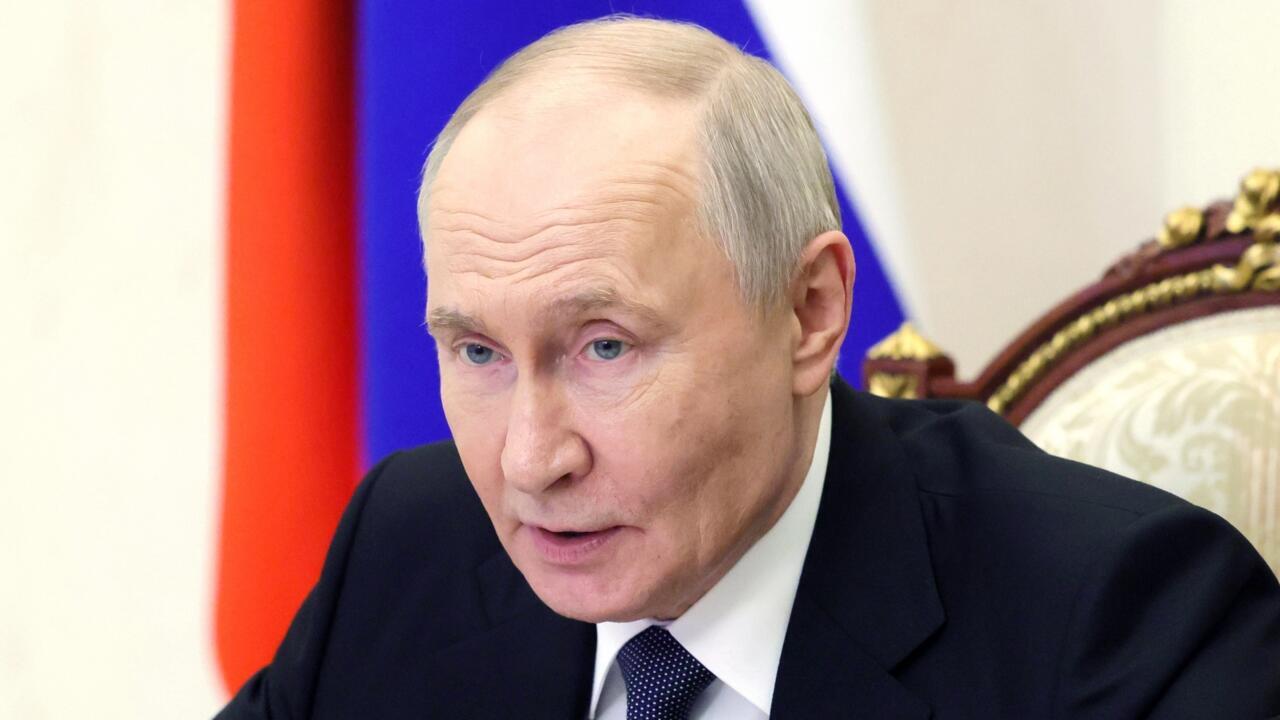
Russian President Vladimir Putin arrives in Beijing on Tuesday for talks with his Chinese counterpart and his "long-time good friend" Xi Jinping, intending to show their ties are unshakeable days after a visit by US President Donald Trump. Putin and Xi are set to discuss how to "further strengthen" Russia and China's strategic partnership and "exchange views on key international and regional issues", according to a Kremlin statement. Their ties have deepened since Russia's invasion of Ukraine in 2022, with Putin visiting Beijing every year since. Moscow is diplomatically isolated on the global stage and is heavily dependent economically on Beijing, with China now the main buyer of sanctioned Russian oil. Setting warm tones for the visit, the two leaders exchanged "congratulatory letters" on Sunday to mark 30 years of their countries' strategic partnership. WatchTrump-Xi, the alpha power summit: A debrief Xi said cooperation between Russia and China had "continuously deepened and solidified", according to Chinese state media. And in a video message to the Chinese people released Tuesday, Putin said relations have reached "a truly unprecedented level" and that "trade between Russia and China continues to grow". "The close strategic relationship between Russia and China plays a major, stabilising role globally. Without allying against anyone, we seek peace and universal prosperity," Putin added, without mentioning any third country. The two leaders are also expected to sign a joint declaration after the talks. 'Dear, old friends' When Putin last visited Beijing in September 2025, Xi welcomed him with open arms as an "old friend" – language the Chinese leader did not extend to Trump last week. Putin, who in turn called Xi his "dear friend", will be keen to show the world their relations are unaffected by Trump's visit. While Putin's visit is not expected to receive the same pomp as Trump's, "the Xi-Putin relationship does not require that kind of performative reassurance", said Patricia Kim from the Brookings Institution in Washington. Both sides view ties as "structurally stronger and more stable" than China-US ones, she added.
Putin seeks to reinforce China ties after Trump-Xi summit
Russian President Vladimir Putin is scheduled to arrive in Beijing on Tuesday for talks with Chinese leader Xi Jinping, aiming to project unwavering ties between the two powers just days after US President…
742 words~3 min read