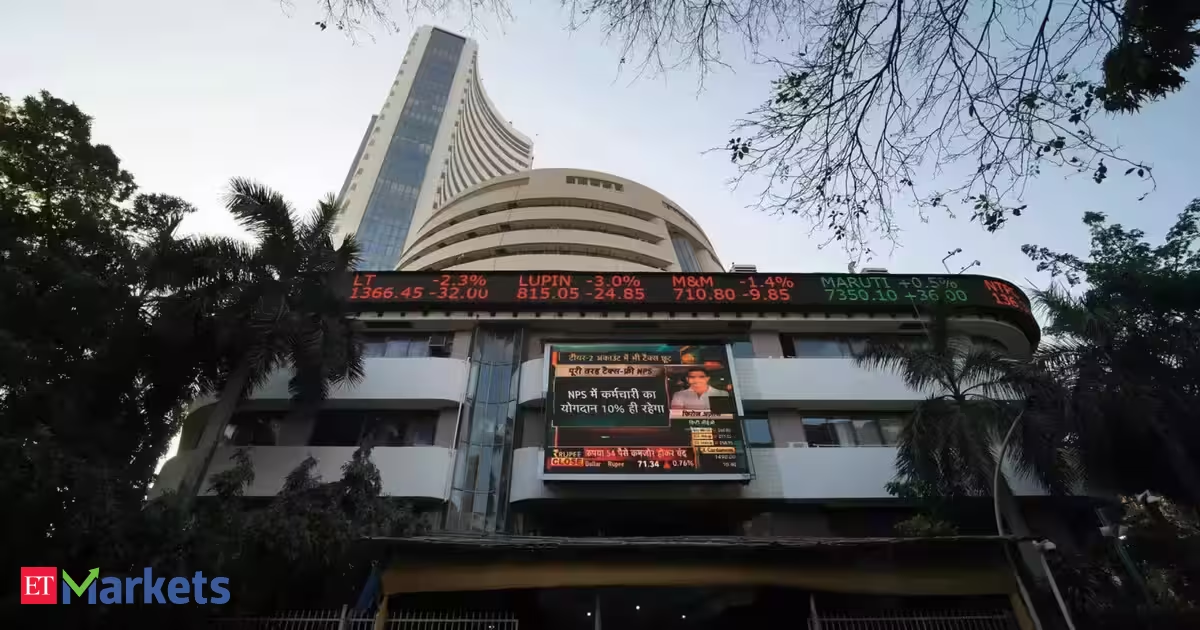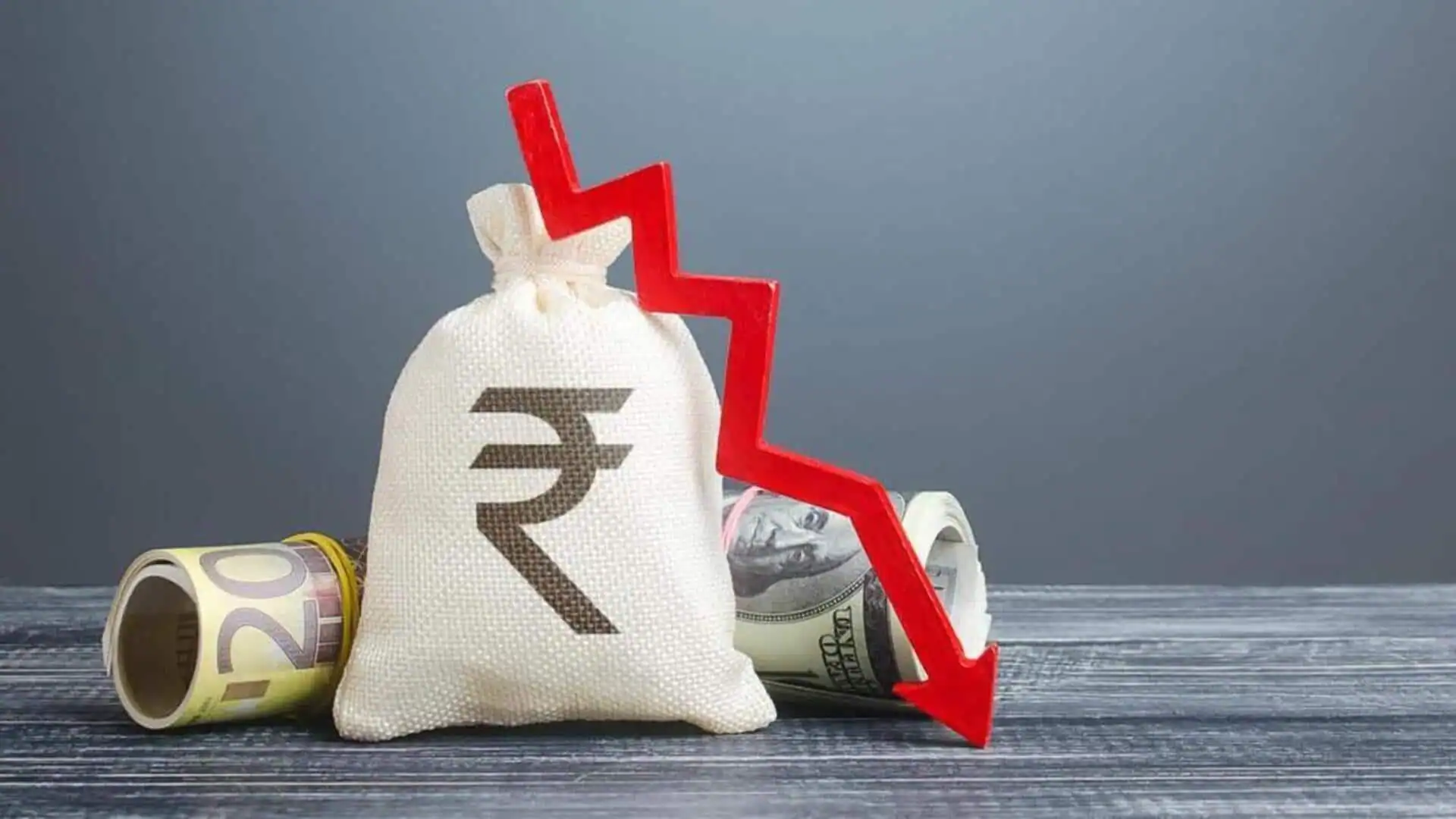
Mumbai: India's financial markets see-sawed Monday, with the rupee plunging to yet another lifetime low, bond yields leaping to their highest in nearly two months and technology shares preventing an equities rout as most other stocks plummeted after warnings of a possible spike in crude oil prices rattled investors. Crude oil topped $110/barrel after a drone strike on the UAE atomic energy site and the International Energy Agency (IEA) warned that depleting oil inventory could lead to higher prices for food and fertilisers, too, fueling inflation in an oil importer such as India. "The twin pressure of a higher oil import bill and foreign portfolio outflows continues to drive dollar demand and weigh on the rupee," said Anindya Banerjee, head of currency research, Kotak Securities. "Every week we see an uptick in the rupee by 50-60 paise. As 96/$ is breached at the closing level, the play is now at 98/$." The rupee touched an intraday low of 96.39/$ before recovering slightly and closing at all-time low of 96.35/$. Agencies West Asia Trigger The 10-year benchmark bond yield closed at 7.13%, the highest in nearly seven weeks, versus its previous close of 7.06%. The NSE Nifty 50 rose 0.03%, or 6.45 points, driven by technology shares, to close at 23,649.95 after the gauge plunged 1.4% in early trade. Global financial markets were roiled after drones struck near nuclear plants in the UAE, stoking concerns of further delays in the re-opening of the Strait of Hormuz amid threats from President Donald Trump that time is running out for Tehran. As the G-7 Finance Ministers meeting got underway in Paris, a key official from the energy industry warned about a spike in inflation. IEA executive director Fatih Birol warned that commercial oil inventories are shrinking at an accelerated pace. Fears about higher inflation and the possible return of the rising interest rate cycle gave jitters to investors who are already on the edge because of high borrowings by the US government. Global bond yields hovered near multiyear highs and the Japanese government bonds notched the biggest losses, with the 30-year yield surging to its highest since the maturity was first sold in 1999.
Crude above $110 rattles Dalal Street; rupee sinks to lifetime low
Indian markets experienced volatility on Monday. The rupee hit a new all-time low against the dollar. Bond yields rose significantly. Technology stocks helped equities avoid a major fall. Concerns over rising crude oil prices, fueled by drone strikes and depleting inventories, impacted investor sentiment. This situation poses challenges for India, an oil importer.
361 words~2 min read