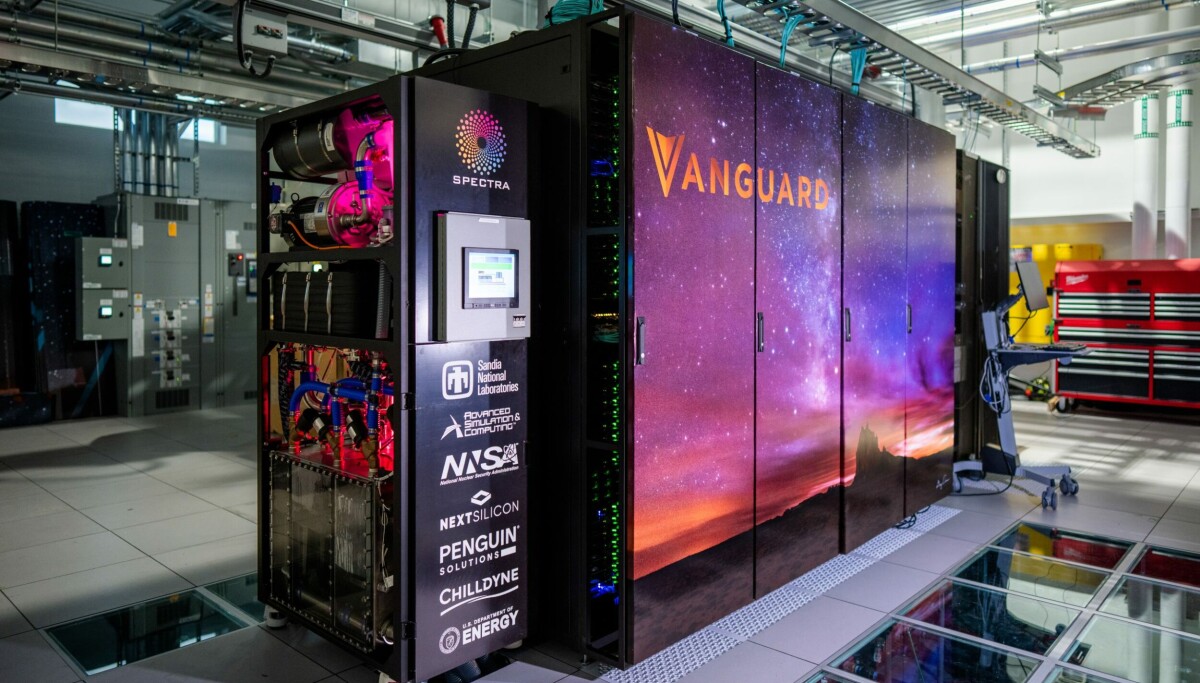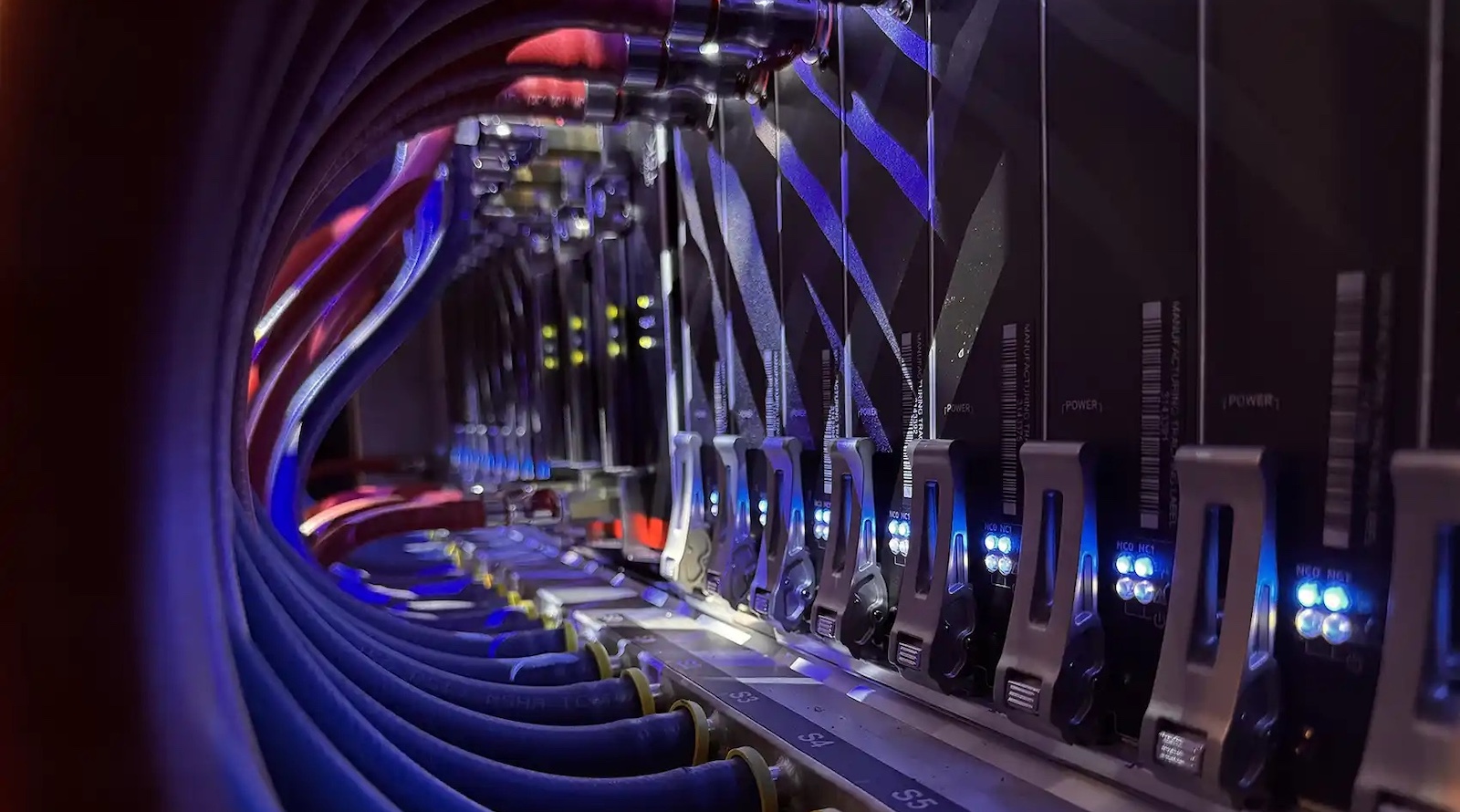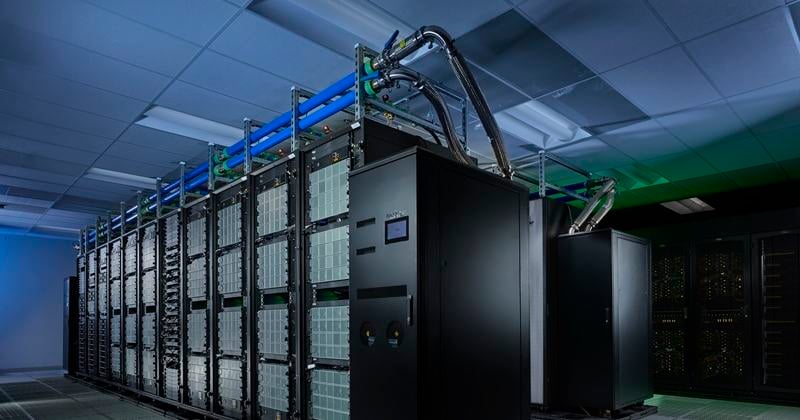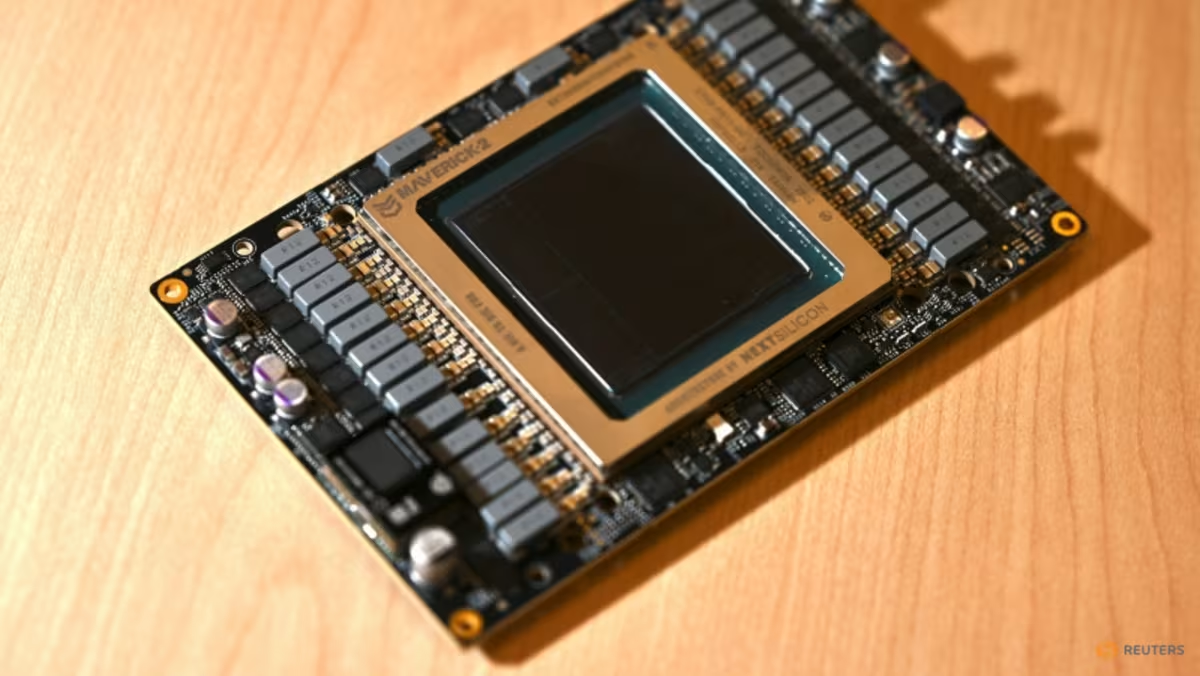
ALBUQUERQUE, New Mexico, May 18 : In a nondescript building on Kirtland Air Force Base on the high desert of New Mexico, liquid-cooled supercomputers gurgle and hum their way through some of the most complex math problems the U.S. government seeks to solve: simulating how hypersonic nuclear weapons would move through the earth's atmosphere, or what would happen if one nuclear warhead detonated near another.For more than a decade, the chips handling this secretive and demanding work came from mainstream semiconductor firms like Nvidia or Advanced Micro Devices. But with those companies increasingly designing their chips for artificial intelligence and facing supply shortages, the managers in charge of the systems at Sandia National Laboratories, which operates the machines at Kirtland and is one of three U.S. labs tasked with developing and maintaining the nation's nuclear weapons arsenal, are increasingly unsure how they will find computing power for high-precision scientific work like theirs."The pressure we're feeling right now is on the computing front and also from the supply chain," said Steve Monk, the manager of Sandia's high-performance computing team, explaining the challenge of getting chips that meet his needs. "Looking to the future, it's a bit stressful in terms of our ability to deliver to the mission."
As chip industry chases AI, US national labs look to newcomers for supercomputers
ALBUQUERQUE, New Mexico, May 18 : In a nondescript building on Kirtland Air Force Base on the high desert of New Mexico, liquid-cooled supercomputers gurgle and hum their way through some of the most complex math problems the U.S. government seeks to solve: simulating how hypersonic nuclear weapons would move throug
719 words~3 min read