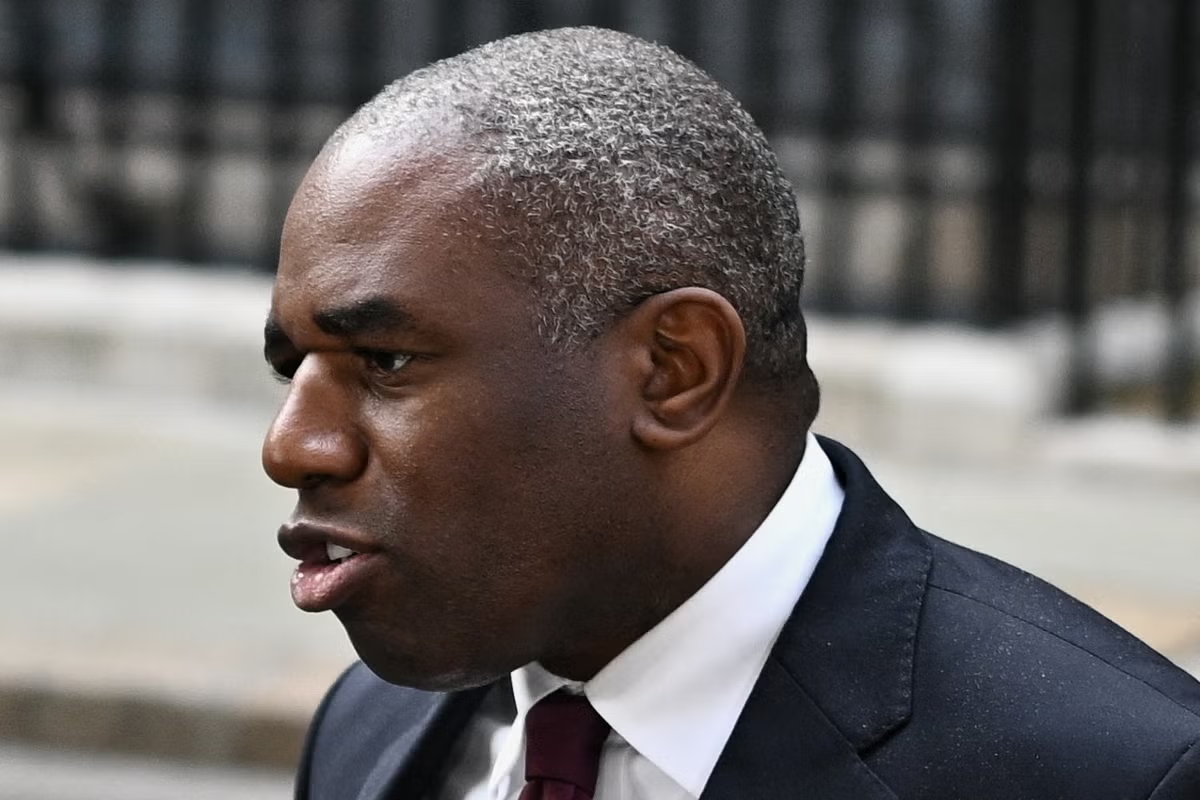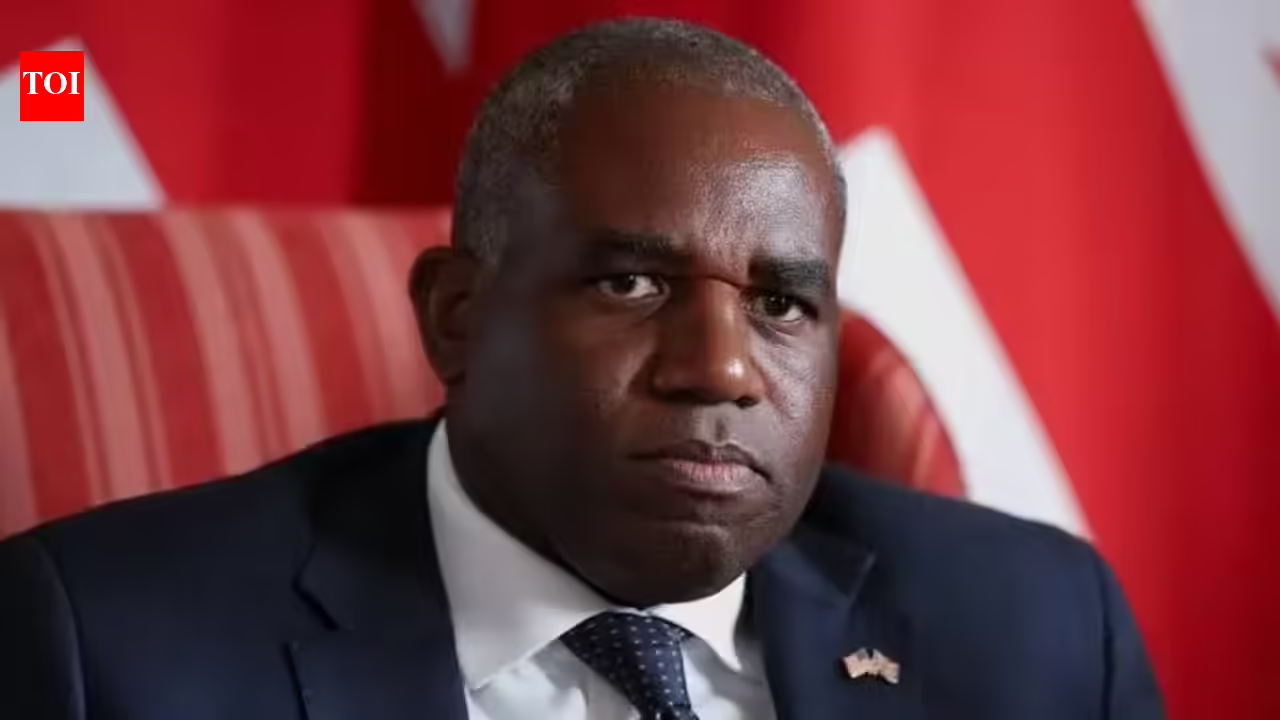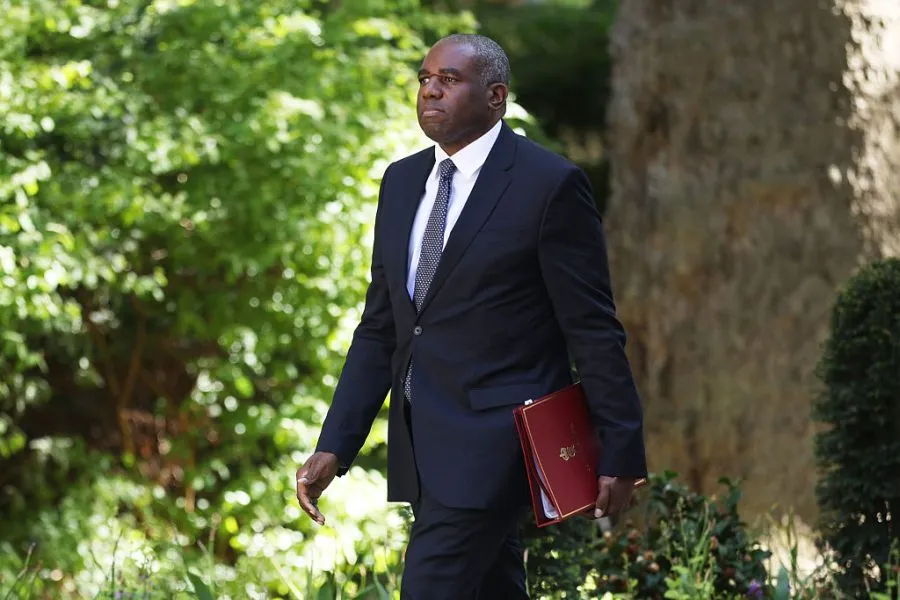
Justice Secretary David Lammy is planning an overhaul of the youth justice system that would see the parents of young offenders more likely to be fined or even jailed for failing to deal with their children’s behaviour. The Ministry of Justice is planning to strengthen the power of parenting orders issued by the courts in the hope it will help prevent children from embarking on lives of crime.
Lammy is right: parents do bear moral responsibility for the conduct of their children, and the state must not be embarrassed about saying so. The inquiry into the 2024 Southport attack found not only grievous failures by agencies but also ‘significant parental failures’: the parents of the attacker, Axel Rudakubana, did not provide boundaries, allowed knives and weapons to be delivered to the home, and failed to report crucial information in the days before the atrocity. A civilised society cannot pretend that such dereliction is morally neutral or bears no sanction.
The danger is that Southport becomes the pretext for a bout of moral theatre
But the politics of Lammy’s latest announcement are less novel than advertised. Parenting orders are not some bold new instrument forged in response to youth violence in 2026; they are old Blairite hardware upgraded. The Crime and Disorder Act created parenting orders in 1998, enabling courts to require parents to attend counselling or guidance sessions and comply with directions when their children offend or become involved in antisocial behaviour. A breach of those orders is already an offence punishable by a fine of up to £1,000. The real novelty in Lammy’s package is not the idea that parents can be legally compelled to engage, but the shift to sharper enforcement and floating jail time for parents who wilfully refuse to comply.