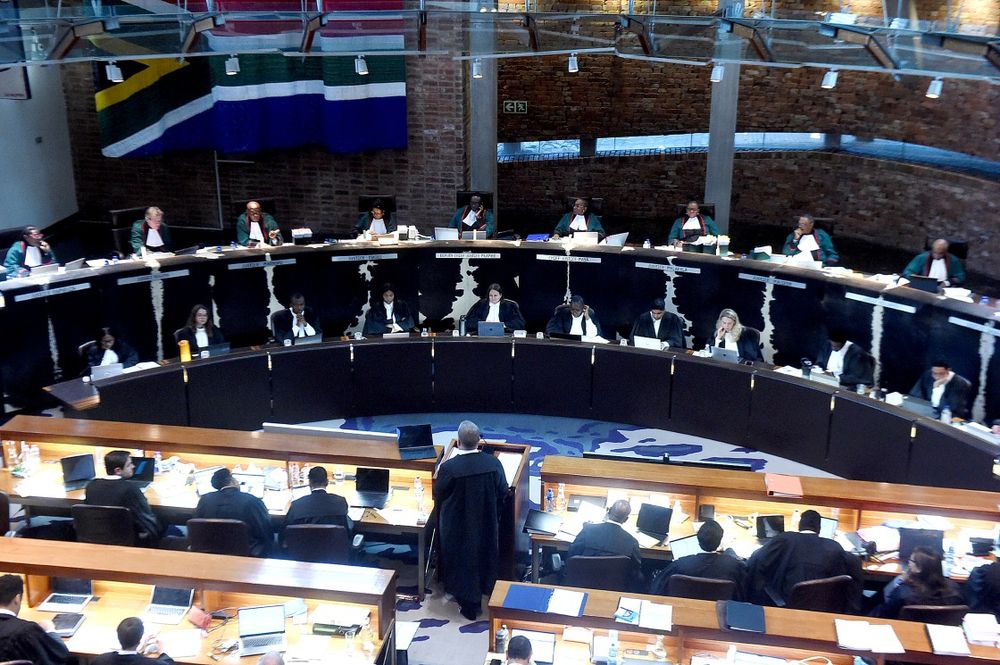
The high court challenge against the legal sector code has placed one of South Africa’s most important transformation conversations directly before the courts. For those of us who work daily with broad-based BEE (BBBEE) compliance, verification readiness, procurement strategy and transformation planning, this is not simply a legal-sector dispute. It’s a test of how South Africa balances transformation ambition, legal certainty, commercial reality and compliance risk. The legal sector code challenge is being heard in the Pretoria high court, the case brought by major law firms including Deneys, Bowmans, Webber Wentzel and Werksmans, which argue that the code in its current form is unlawful, unrealistic and difficult to implement. One of the challenges that has emerged recently is the growing risk of organisations misinterpreting the situation and unintentionally placing themselves in noncompliance. Therefore, organisations should not see this legal challenge as a temporary loophole to circumvent the codes, as litigation does not automatically pause compliance. This is where many organisations make a dangerous mistake.A court challenge does not, by itself, remove the legal force of a gazetted sector code. The legal sector code was gazetted under section 9(1) of the BBBEE Act, and the code itself states that if matters are not expressly dealt with, generic codes apply only to the extent that they do not conflict with its objectives. In practical compliance terms, the legal sector code is, therefore, the applicable measurement framework for legal-sector-measured entities, not a discussion document, a draft or an optional guideline. Verification agencies are continuing with the verification process, so compliance has not been paused. However, it is important to be technically precise. The legal sector code does not supersede “all legislation”. It does not override the constitution, the BBBEE Act, the Legal Practice Act, procurement law or other applicable statutes. What it does do is supersede the generic codes for purposes of BBBEE measurement in the legal sector, where applicable.Deciding on the correct BBBEE sector code is based on the industry in which the organisation generates more than 50% of its turnover; unless exempted, the organisation will be obliged to be measured against the legal sector code. The industry is indeed grappling with these uncertainties. Possible changes could include amendments to the current gazetted legal sector code, the complete repeal of the code, or a reversion to the generic codes, as seen with the accounting generic code. While the circumstances differ, the potential for significant shifts remains. While this plays out in court, organisations must be vigilant in confirming the current applicable gazette that supersedes any updates. Companies must stay informed and consult with their BBBEE consultants and verification agencies. Engaging with legislators and the BBBEE commission is also essential for effectively understanding the interpretation and application of the current gazette. This proactive approach will help organisations navigate complexities and avert the risk of noncompliance that can affect their immediate needs. For clients that are preparing for verification, this has immediate consequences. If your organisation falls within the legal sector code, your planning, evidence collection, scorecard strategies, procurement analysis, skills development records, management control data and ownership documentation must align with the gazetted code as it stands now. Waiting for the outcome of the court case may feel commercially comfortable, but from a compliance perspective, it may be risky and damaging. The most serious risk is certificate validity. The legal sector code states that BBBEE verification certificates and reports are valid for 12 months from the date of issue. Once a certificate expires, an organisation may struggle with tenders, panel appointments, supplier onboarding, procurement recognition, client retention and public-sector work. For law firms and other affected entities, the question is no longer academic: can you afford to wait out the litigation? At the same time, your certificate expires, your audit timeline slips and your clients ask for valid compliance documentation. From a BBBEE consulting perspective, the answer is clear: organisations should not gamble with compliance continuity. The better strategy is to proceed with verification readiness under the current gazetted framework, while tracking the court process and building scenario plans for possible outcomes. That means establishing a baseline under the current legal sector code, identifying risk areas, quantifying the impact on the scorecard, assessing procurement exposure and documenting decisions made during this uncertain period. For clients outside the legal sector, this case is still relevant. It may influence how future sector codes, draft amendments, Transformation Fund mechanisms and procurement-linked transformation obligations are designed and defended. If the court criticises aspects of consultation, rationality, feasibility or implementation, future codes may need stronger evidence and clearer transition arrangements. If the court upholds the code, it may embolden more ambitious sector-specific transformation targets. The industry must therefore resist two extremes: panic and paralysis. Transformation compliance is not suspended because a courtroom is now involved. Until the court says otherwise, the gazetted code is the applicable compliance instrument. This matter should prompt the industry to have a more mature conversation. Transformation cannot be reduced to ticking boxes, but nor can compliance be treated as optional whenever the rules become uncomfortable. Clients need technical guidance, legal certainty, practical planning and honest risk assessment. The real question is not whether organisations can afford to comply while the case continues; it is whether they can afford the commercial, reputational and procurement consequences of not being ready. • Mahlaba, a BBBEE expert, is the founder of the Trans4mation consultancy and BeEngaged magazine.
GCINA MAHLABA | Litigation process is no excuse for noncompliance
What the legal sector code case means for BBBEE, clients and the industry
900 words~4 min read