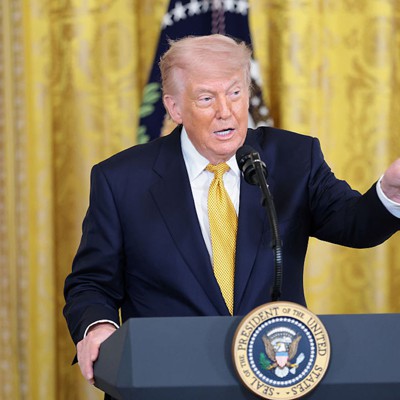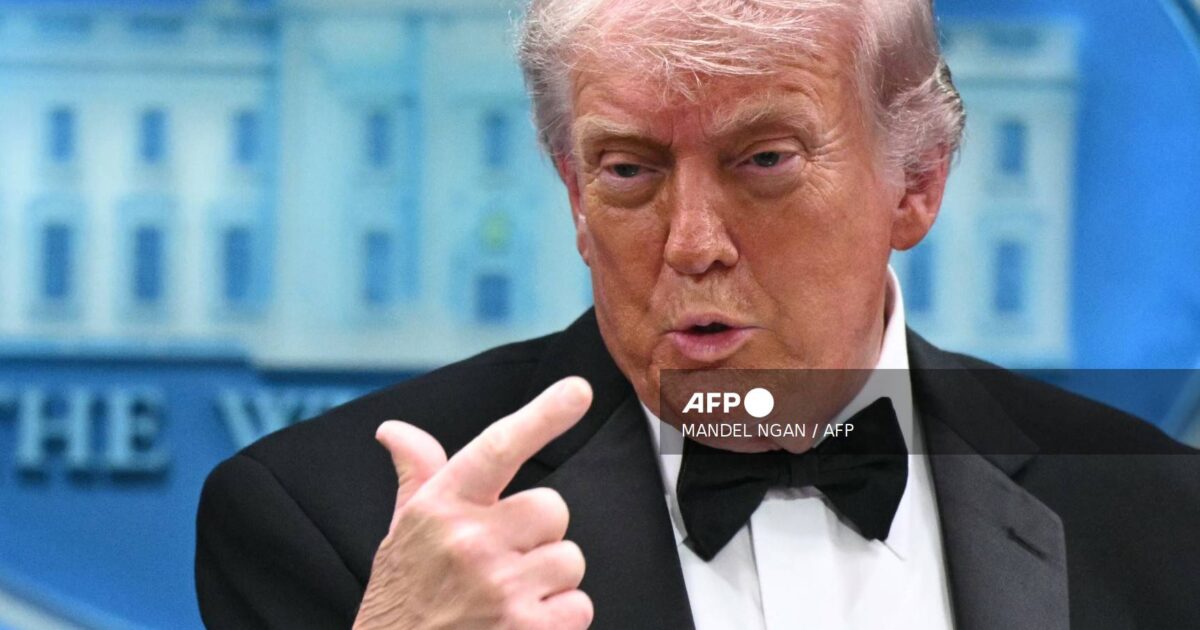
US President Donald Trump gestures as he speaks during a press briefing in the Brady Briefing Room at the White House in Washington, DC, shortly after a shooting incident at the White House Correspondents Dinner on April 25, 2026. US President Donald Trump (Photo by Mandel NGAN / AFP)
US President Donald Trump’s recently announced new counter-terrorism strategy for Africa marks a departure from a policy of long-term troop deployments and wider governance building to tackle terrorist groups, in favour of short-term campaigns and cooperation with local authorities.
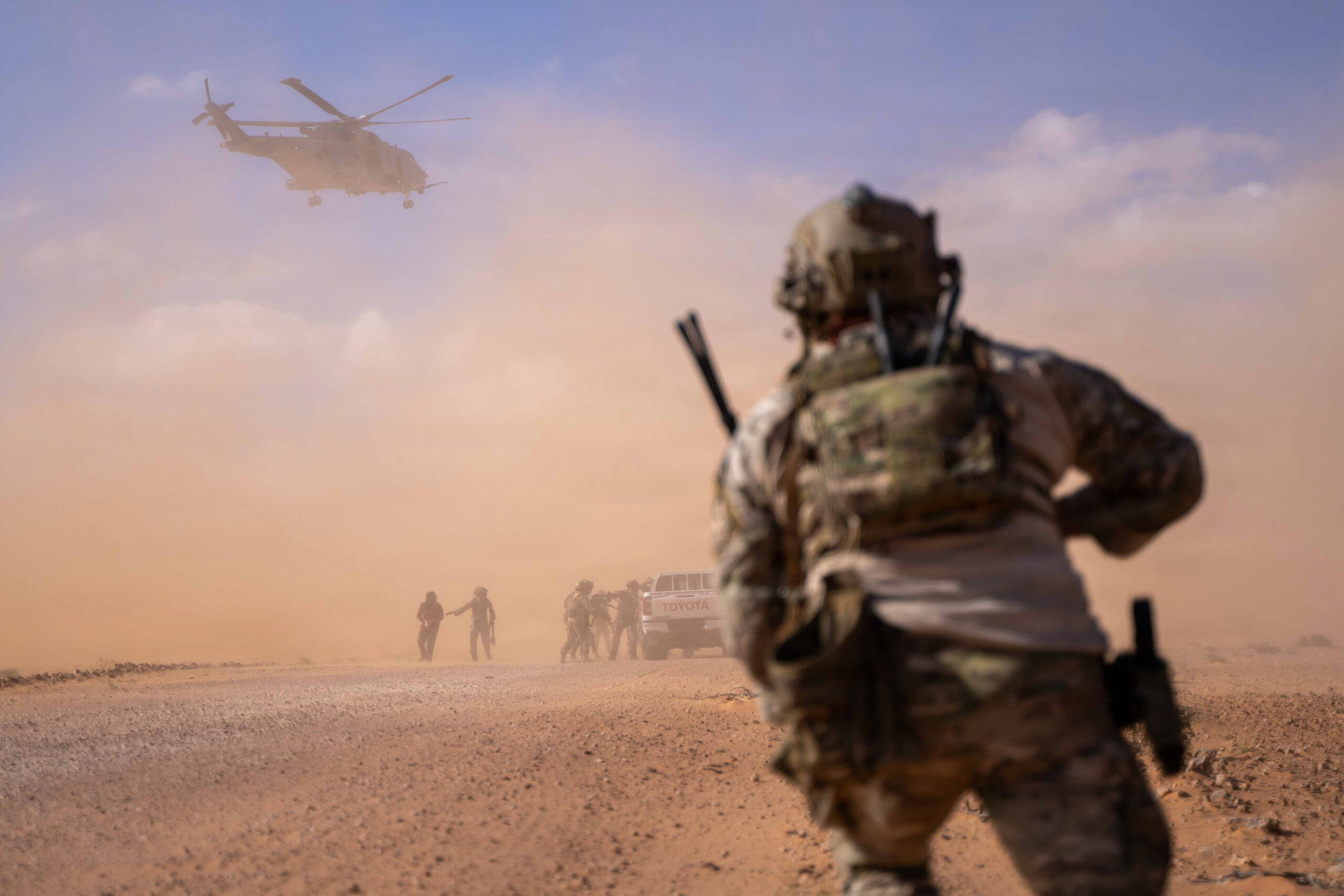
In so doing, the strategy looks to a more surgical approach to counter terrorism worldwide, away from the more long-term nation-building and interventionist policy of the past, to one in which US troop deployments will be set against definite timelines and targets, to campaigns intended to eliminate threats and withdraw.
In President Trump’s words, the policy marks “a return to commonsense and peace through strength”, rebuilding bilateral counter-terrorism relations with African governments.
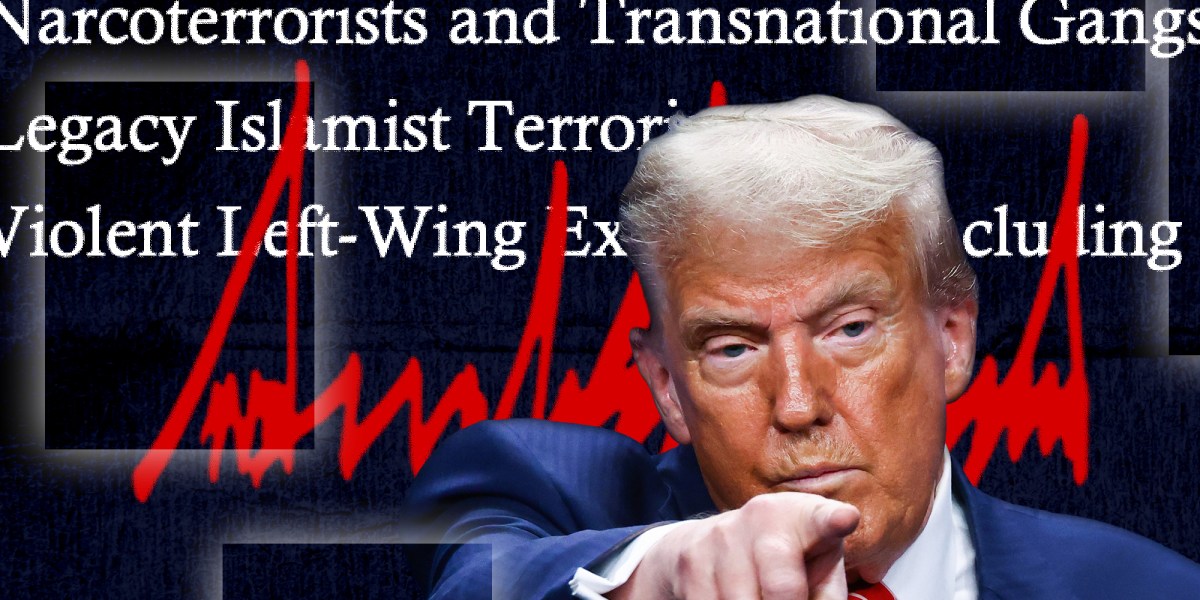
“In Africa, we have two clear goals”, the new strategy states. “One goal is to ensure no Jihadist groups can establish bases of operation enabling them to plot and execute attacks against the United States or any US interests globally”, and the second is to protect Christians from attack by Jihadist groups. The strategy also expands the definition of ‘terror merchants’ to include drug cartels, left-wing ‘anarchists.’