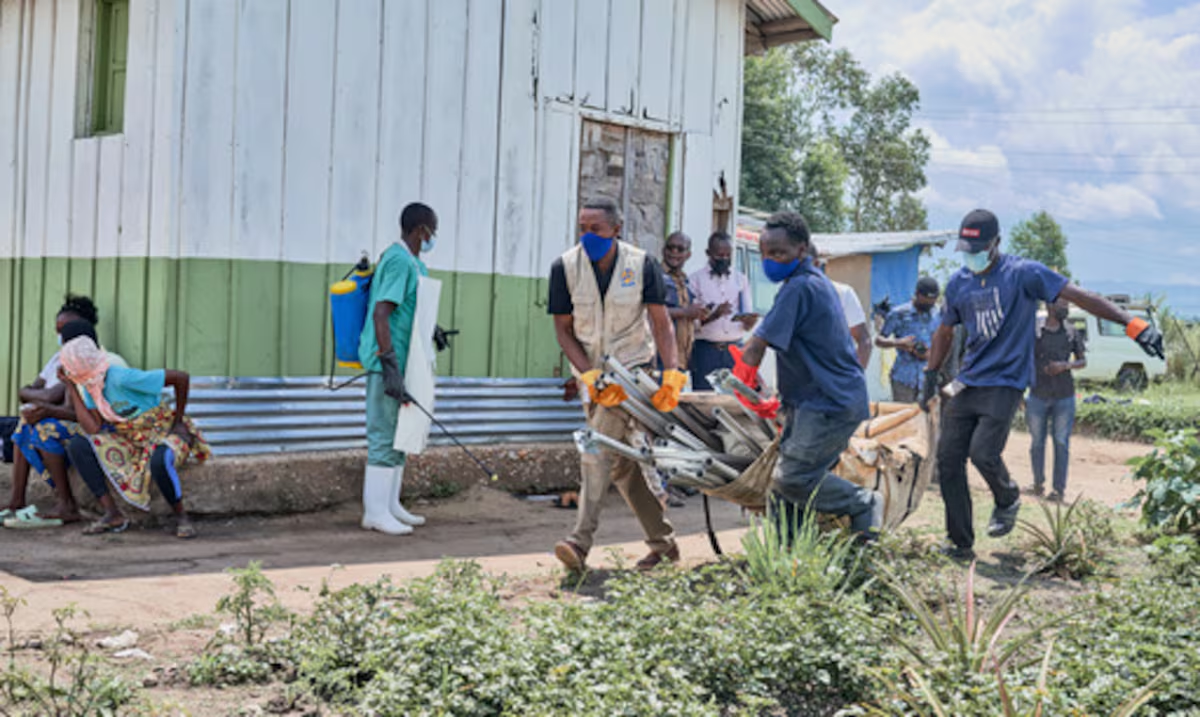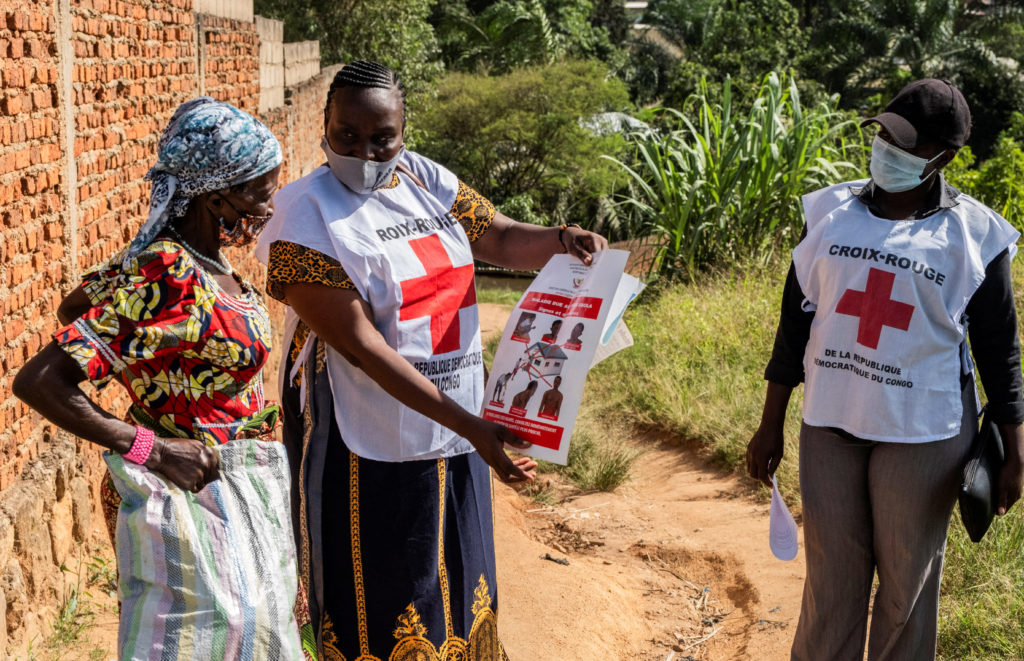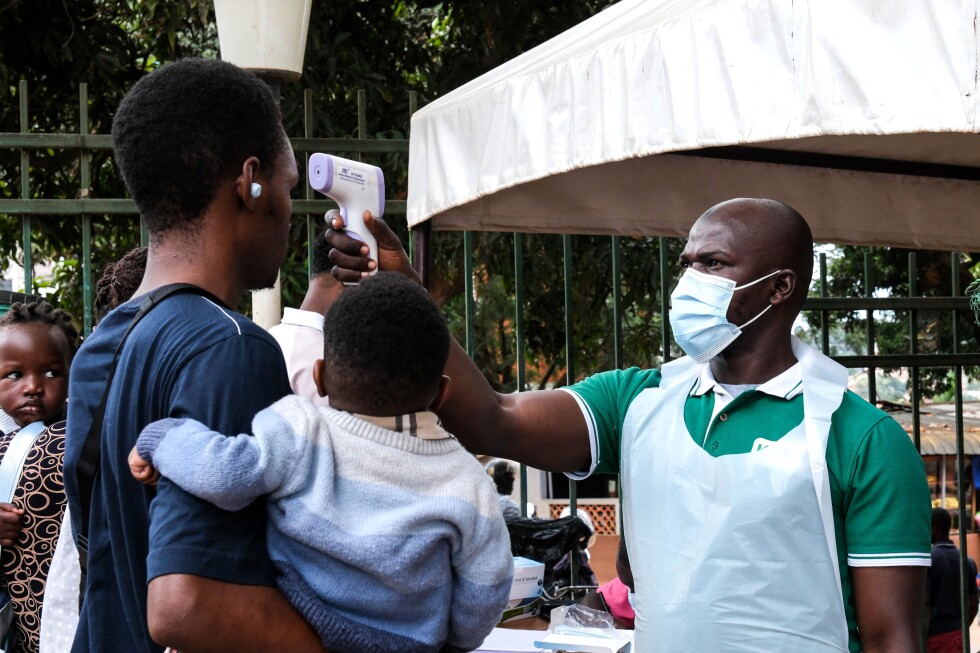
The species of Ebola virus causing an outbreak in Congo that has killed nearly 120 people is less common than other Ebola viruses, which is complicating the response because there are no specific treatments or vaccines. “There’s nothing even close to ready for clinical trials,” said Dr. Celine Gounder, an infectious disease specialist and epidemiologist who treated patients in West Africa during the 2014-2016 Ebola epidemic. “And so that means responders, healthcare workers and other aid workers are really back to the basics.” Here’s what to know about Bundibugyo virus, the rare species behind the outbreak of what public health officials call Ebola virus disease. Bundibugyo virus has caused two other outbreaks Bundibugyo has caused two other outbreaks, all in the same region of the Congo River basin, said Dr. Tom Ksiazek, a University of Texas Medical Branch virologist and veterinarian. He directed the U.S. Centers for Disease Control and Prevention’s Special Pathogens Branch, which first identified the virus in 2007.
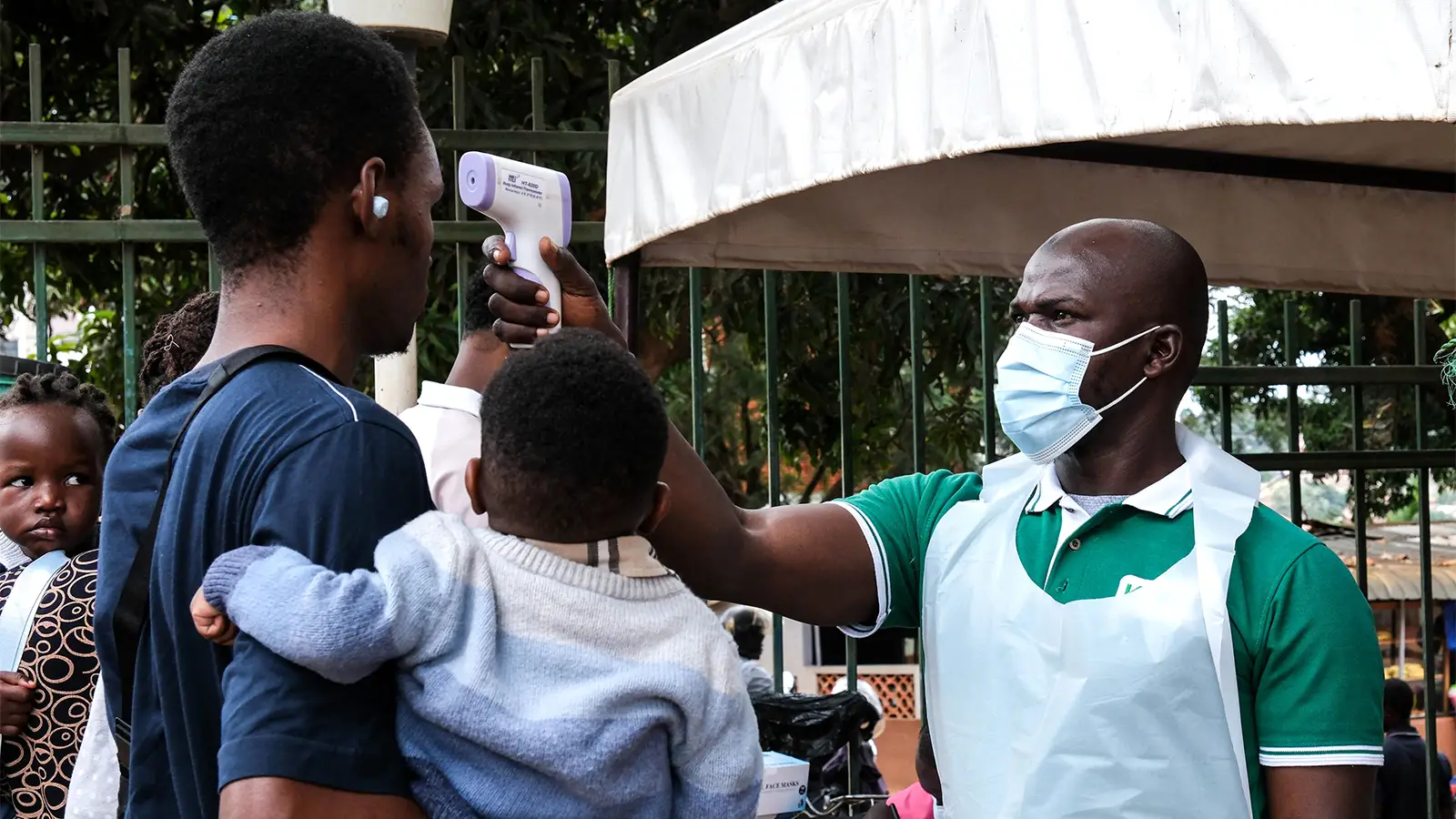
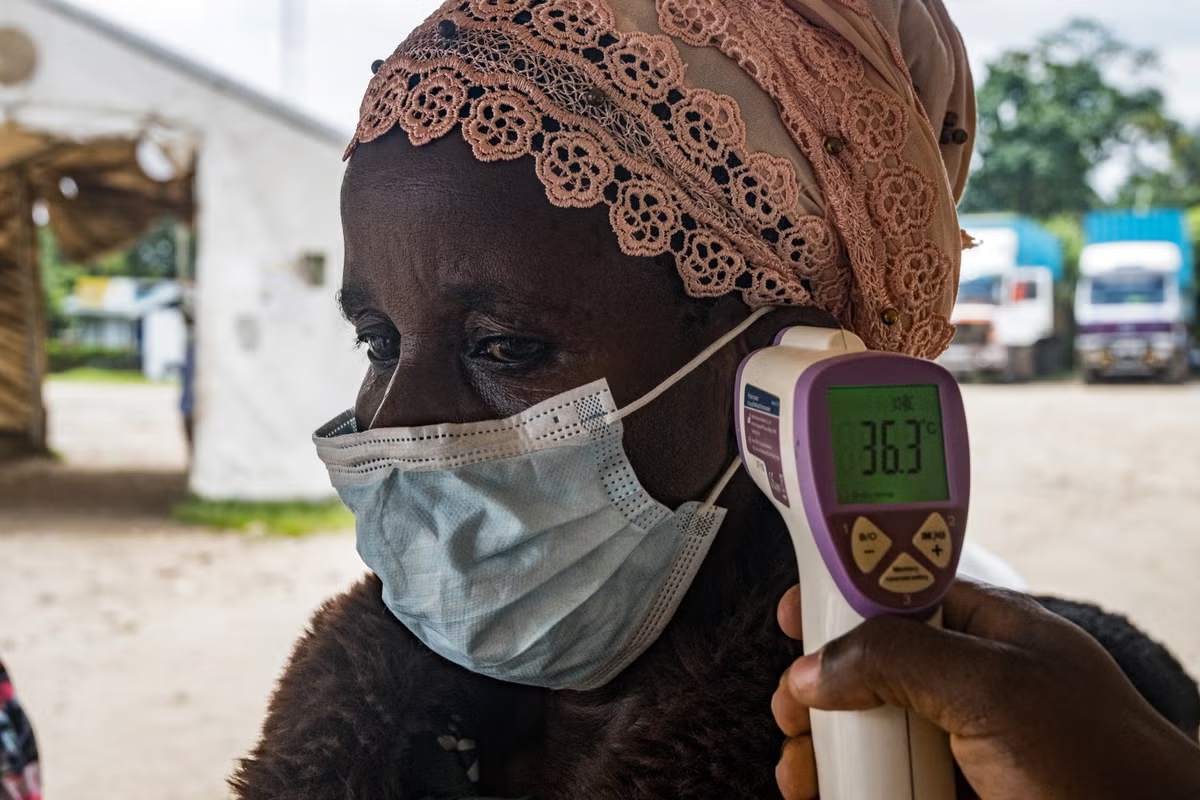
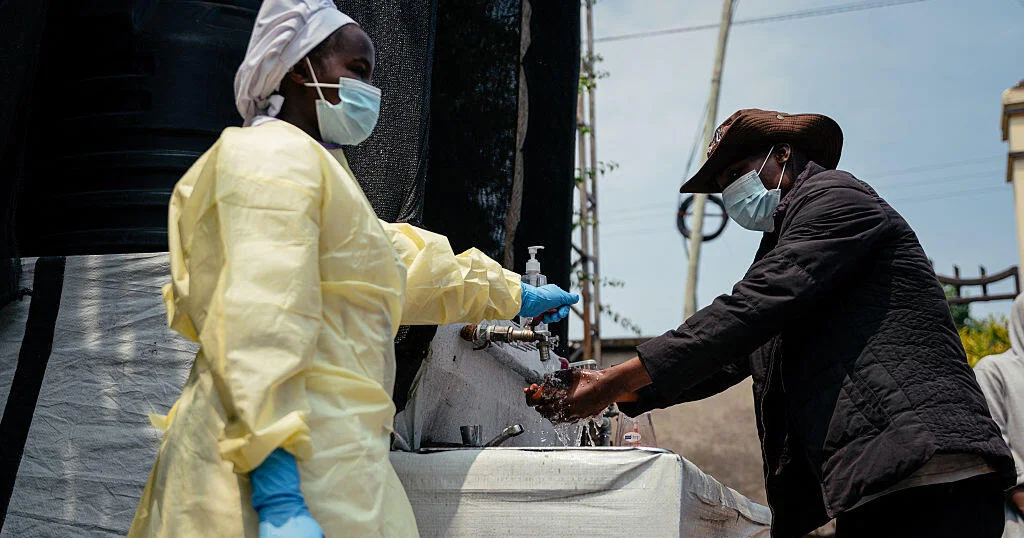
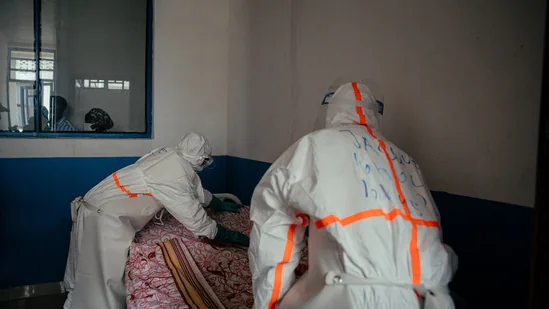
How Bundibugyo virus is spreadThe virus is spread the same way as other Ebola viruses: through close contact with sick or deceased patients’ bodily fluids, such as sweat, blood, feces or vomit. Healthcare workers and family members caring for sick patients face the highest risk, experts said. “So very often we see doctors and nurses among the first to be infected and to die,” said Gounder, editor-at-large for public health at KFF Health News.