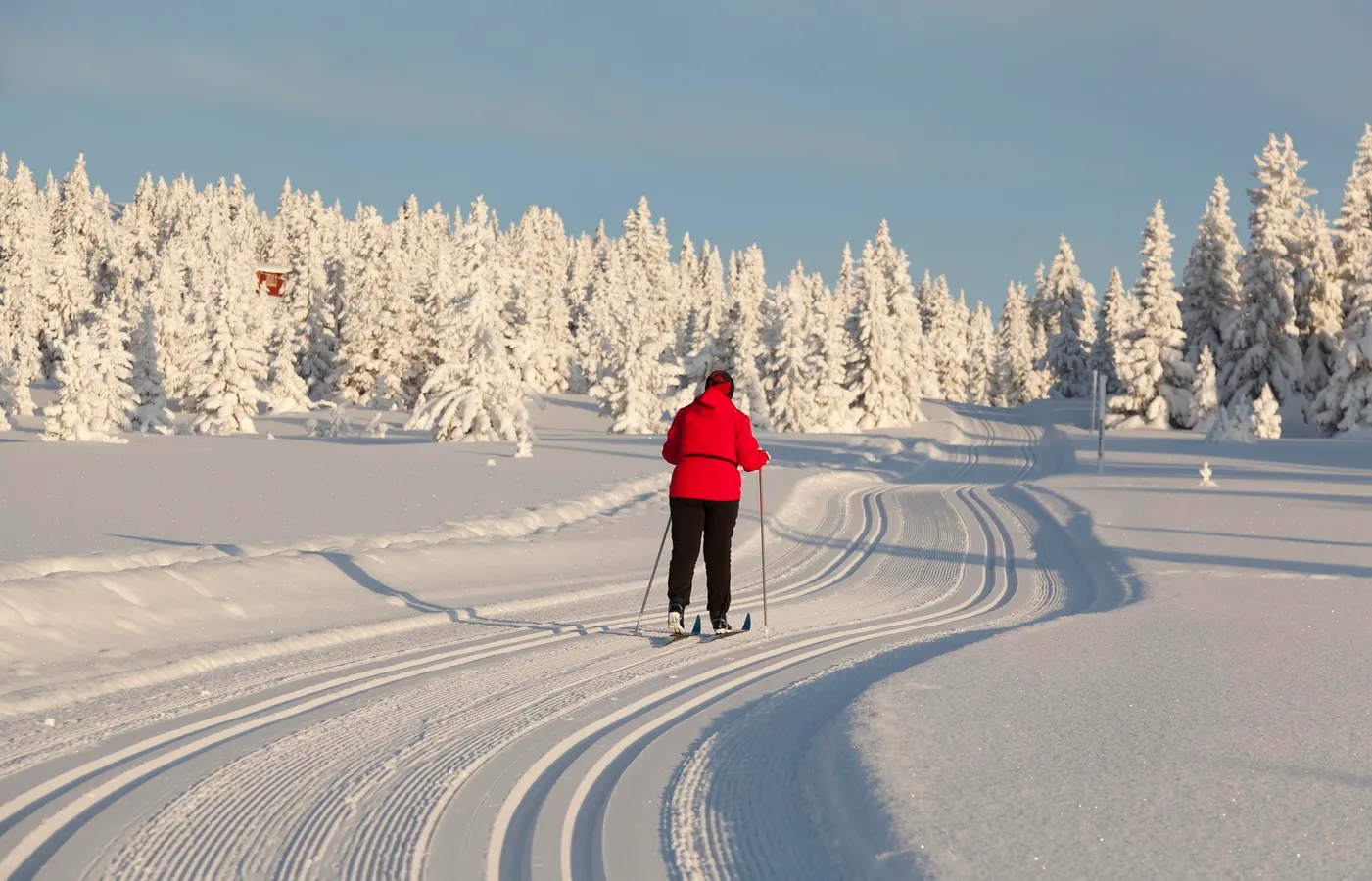
Despite nearby Olympic downhill runs, cross-country skiing remains hugely popular in and around Lillehammer.gettyAt the 2026 Winter Olympics in Milan-Cortina, Norway once again topped the medal table, adding another chapter to a sporting story that often seems almost inevitable.Yet the roots of that success are not confined to elite training centers or remote mountain cabins.Curious travelers can explore part of the story for themselves in Lillehammer, the small Norwegian town that hosted one of the most fondly remembered Winter Olympics of modern times.A Remarkable Olympics RememberedThe 1994 Winter Olympics were a defining moment for Norway. Lillehammer was no sprawling metropolis with a ring of anonymous venues.It was, and remains, a compact town at the northern end of Lake Mjøsa, framed by forests and winter sports terrain. The Games felt unusually close to their surroundings, and that is still part of the appeal today.Lillehammer offers something rare: an Olympic destination that does not feel like a relic.Many of the venues remain visible, usable and easy to visit, while the town itself is straightforward to reach from Oslo Airport by train. That makes it a practical add-on to an Oslo city break, a winter ski trip or a broader journey through Norway.The Story Of Outdoor SuccessThe natural starting point is the Norwegian Olympic Museum. Located at Maihaugen, one of Norway’s best-known open-air museums, it tells the story of the Olympic Games from ancient Greece to the present day, with special attention given to Norway’s role as both host and winter sports powerhouse.There are signs of winter sports everywhere in Lillehammer.David NikelThe museum helps explain why winter sports matter so much here. Norway’s success is not just about medals.It is bound up with outdoor culture, childhood participation, local ski clubs and the simple fact that snow, forests and mountains are part of everyday life for much of the country.Lillehammer’s Olympic Venues Remain AliveLysgårdsbakkene Ski Jumping Arena, used for the opening and closing ceremonies as well as ski jumping events in 1994, remains Lillehammer’s most recognizable landmark. The twin jumps rise above the town, visible from many central streets.In summer, visitors can take a chairlift to the top for sweeping views over Lillehammer and Lake Mjøsa. In winter, the venue is a reminder of just how bold ski jumping looks when seen up close rather than through a television lens.A short journey north of the town brings a very different kind of Olympic thrill. The Lillehammer Olympic bobsled and luge track at Hunderfossen was built for the 1994 Games and remains one of the region’s most memorable visitor experiences.Many Olympic venues from 1994 remain in use today across Lillehammer and beyond.David NikelIn winter, guests can ride in a bobraft with a professional pilot. In summer, the track switches to wheelbob, giving visitors a high-speed taste of Olympic adrenaline without needing ice.Lillehammer’s Family FocusHunderfossen itself also broadens Lillehammer’s appeal for families. The well-known family park draws heavily on Norwegian fairy tales, trolls and folklore, making it a useful contrast to the sports-focused attractions nearby.For families planning a longer stay, it helps turn Lillehammer from a one-note Olympic stop into a more rounded destination.Winter Sports Still Dominate In LillehammerWinter, of course, is when the region comes into its own. Hafjell, just north of Lillehammer, is one of Norway’s best-known ski resorts and was used during the 1994 Olympics.Today, it combines long descents, modern lifts and family-friendly areas, making it a good choice for mixed-ability groups. Confident skiers will find enough terrain to stay interested, while beginners can learn in a place where skiing is part of the culture rather than a novelty.Kvitfjell, farther north, adds another dimension. Built for the Olympic downhill events, it still offers an Olympic-standard run alongside easier slopes, children’s areas and a quieter resort atmosphere.Cross-country skiing is central to the Norwegian sporting identity, and Lillehammer is one of the best places for visitors to understand why.Birkebeineren Ski Stadium hosted Olympic cross-country skiing and biathlon events in 1994, and the surrounding trail network remains a major draw. The area offers access to superb prepared trails for the experienced skier.Lillehammer’s cross-country credentials also extend beyond the Olympics. The town is the finish line for Birkebeinerrennet, one of Norway’s most famous long-distance ski races, inspired by the medieval story of the Birkebeiner warriors who carried the infant prince Håkon Håkonsson to safety in 1206.Modern participants ski with a weighted backpack, turning a sporting challenge into a living piece of Norwegian history.For first-timers, Lillehammer presents a tempting proposition: if you have always wanted to try cross-country skiing, why not learn in Norway’s Olympic hometown?That is the real strength of Lillehammer as a travel destination. It does not ask visitors merely to look back at 1994. It invites them to step into the landscape that made those Games feel so distinctive.Three decades after the Olympic flame left town, Lillehammer still feels connected to the Games in a way many former hosts do not.MORE FROM FORBESForbesHow To Avoid Crowds In Scandinavia This SummerBy David NikelForbesWhy Not All Norwegian Fjords Cruises Are The SameBy David NikelForbesIn Oslo, Nature Isn’t A Day Trip. It’s Part Of The CityBy David Nikel
Visit Lillehammer To Discover Norway’s Olympic Legacy
Lillehammer offers an easy way to explore Norway’s Winter Olympics legacy, with museums, ski jumps, bobsled rides, family attractions and winter sports.
850 words~4 min read