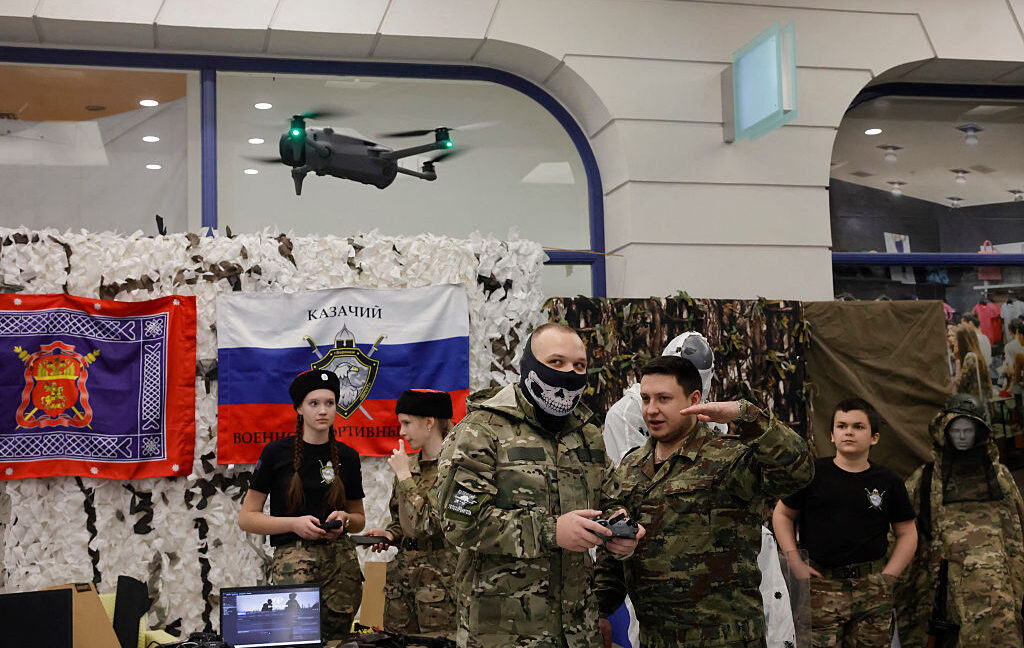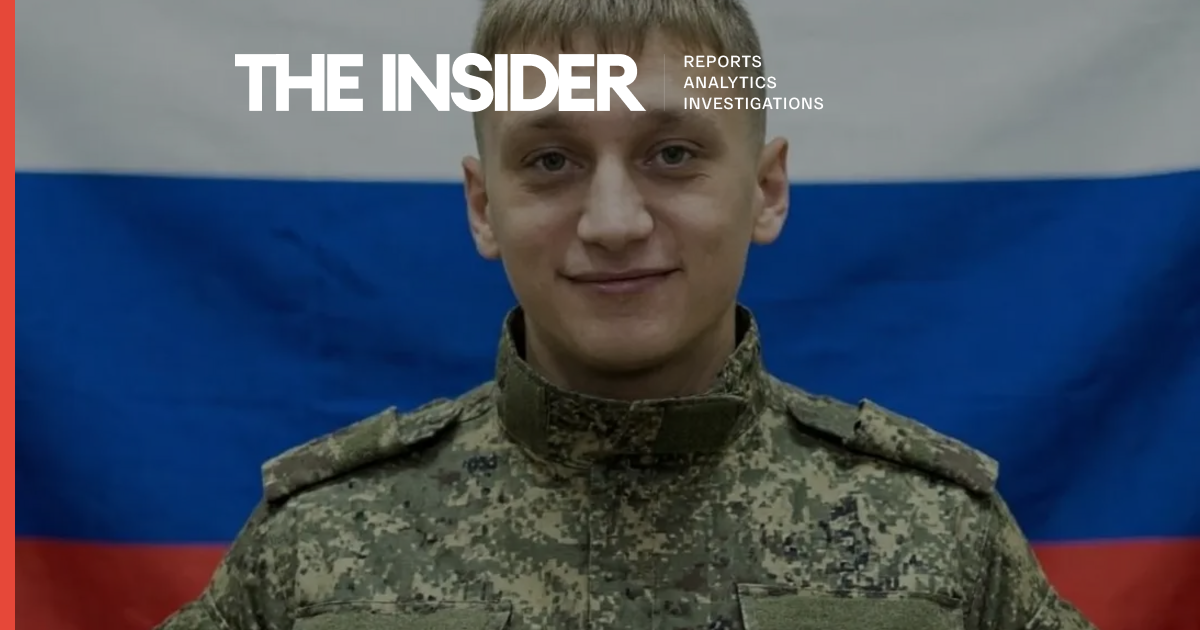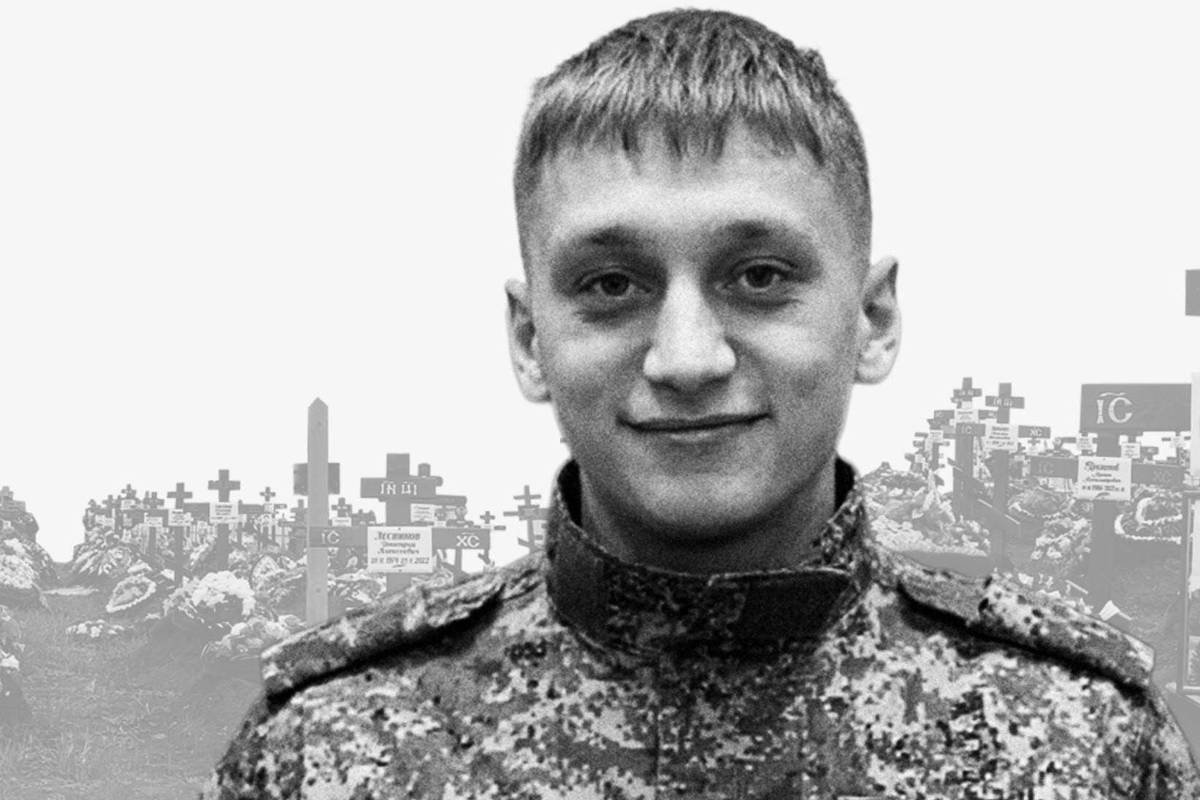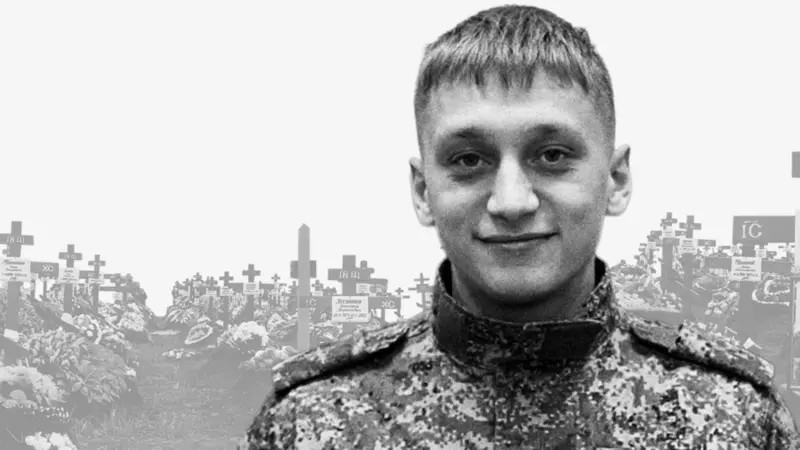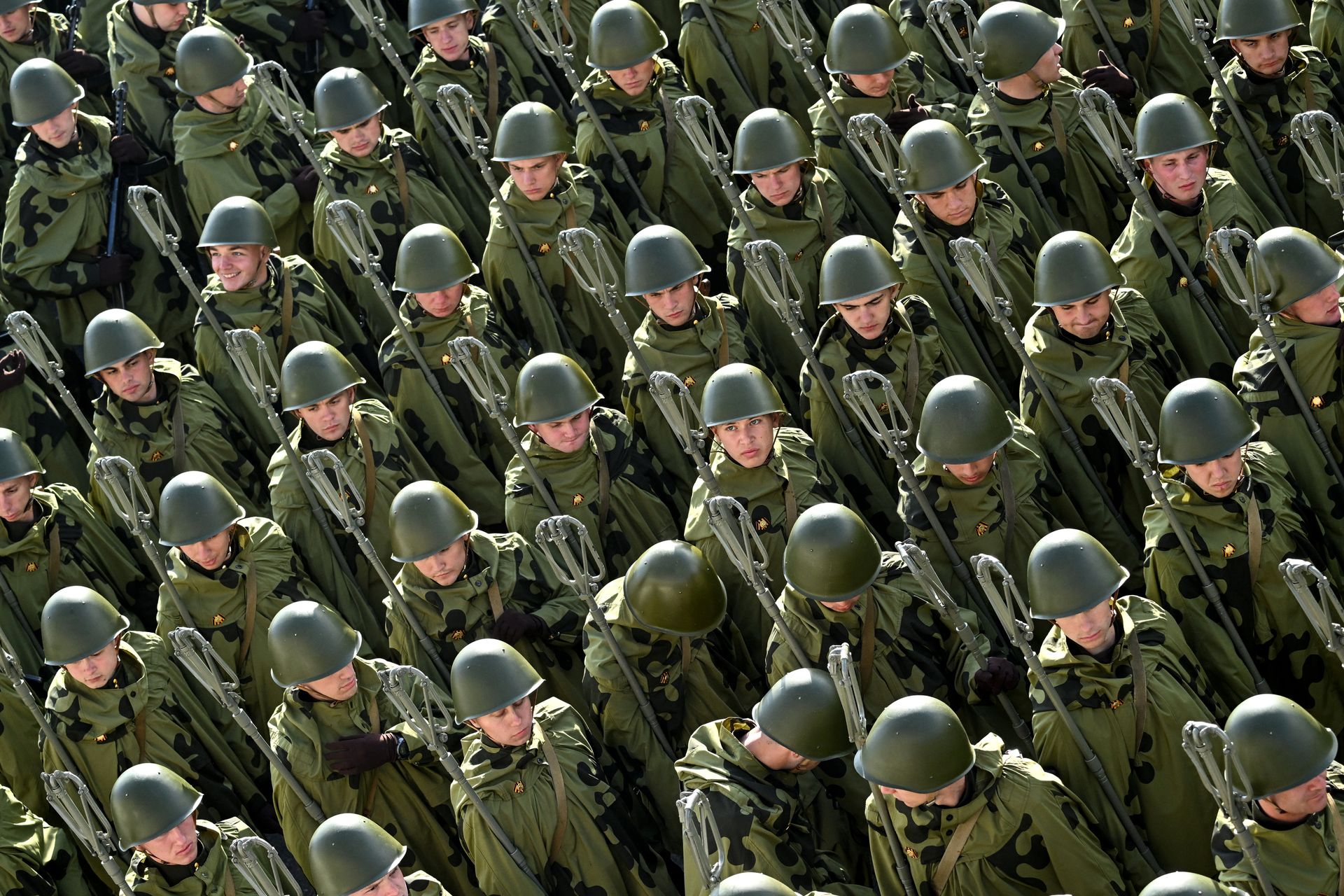
Russian servicemen in Moscow, Russia, on May 7, 2025. (Kirill Kudryavtsev / AFP / Getty Images)When 23-year-old Russian student Valery Averin signed a military contract in January after being recruited into Russia’s drone forces campaign targeting students, he was told he would train as a drone operator. Three months later, he was dead near Luhansk after reportedly being sent into an assault unit despite having no military experience.His case, reported by the BBC Russian Service, appears to be the first known death linked to Russia’s growing campaign to recruit university and college students for the war against Ukraine.As Russia struggles to replenish its forces — with battlefield losses exceeding recruitment rates for five consecutive months — without launching another politically risky mobilization wave, students are increasingly becoming a new recruitment pool for the war, with universities themselves pushing them to the front.Universities’ roleThe campaign first surfaced in April, when reports revealed that since January, Russian universities had been tasked with sending around 2% of students, roughly 76,000 recruits, to the military.Since then, more details have emerged showing the campaign becoming more aggressive.Russian outlet Mobilization obtained Defense Ministry documents urging universities to intensify recruitment efforts, including expelling underperforming students and offering them military contracts in exchange for academic leave before formal expulsion.For that, some universities organize meetings specifically for students with academic debt, where military representatives encourage them to fill out military contract forms in advance, "in case of expulsion," Violetta Seleznova, an analyst with the NGO Join Ukraine, which researches the campaign through open-source data, told the Kyiv Independent."The student’s academic vulnerability is deliberately used as a window for recruitment: the person has not yet been expelled, but is already entered into the system as a potential recruit," she said.Russian students wait at a bus stop next to a military propaganda poster depicting a participant of the invasion of Ukraine, in Moscow, Russia, on Feb. 25, 2026. The caption reads: "Pride of Russia". (Contributor / Getty Images)Artem Klyga, a Russian military lawyer based in Berlin who was among the first to publicly analyze the contracts and expose their hidden details, says the country’s education system has become fully involved in military recruitment efforts."Every college and university now has recruitment campaigns. What used to be encouragement has turned into direct pressure and blackmail," Klyga told the Kyiv Independent.In one Klyga`s case from April, a Moscow student received a mistaken expulsion notice despite having no academic debt. When the student contacted university staff, they were immediately offered the option of signing a military contract instead.With the summer exam session approaching, pressure on students is expected to intensify in May and June, likely bringing more stories like Averin’s and exposing more details behind the campaign, which may be even more tense than formal mobilization."At least with mobilization, the rules are clear — stay at home, and you can avoid going to the war. Now it’s recruitment operating through unwritten rules," Klyga said.A trapAccording to the Russian media Faridaily, the campaign is primarily targeting students aged 18 and older for recruitment into drone units — a new branch of the military presented as more technological and supposedly less dangerous than frontline service.Students are promised the ability to return to university after their contracts expire, large one-time signing payments, and various social benefits. Some universities also reportedly offer additional incentives, including transfers from paid to state-funded education. Elite institutions such as Moscow State University (MGU) have promised extra financial bonuses."The payments will most likely arrive. But the contract itself is a lie," Klyga said, describing it as the same as a standard Russian military contract.
First known Russian recruited from university dies in Ukraine, exposing Russia’s student recruitment campaign
When 23-year-old Russian student Valery Averin signed a military contract in January after being recruited into Russia’s drone forces campaign targeting students, he was told he would train as a drone operator. Three months later, he was dead near Luhansk after reportedly being sent into an assault unit despite having no military experience. His case, reported by the BBC Russian Service, appears to be the first known death linked to Russia’s growing campaign to recruit university and college st
1,299 words~6 min read