As healthcare professionals, we understand the gravity of our responsibilities. We are held to exacting standards, and we accept that our decisions may be scrutinized in malpractice claims. Many of us have been named in such suits; we devote significant time and energy to defending clinical judgments often made under urgent, high-pressure conditions and grounded in the best available evidence. When errors occur and harm results, we recognize the necessity of accountability.
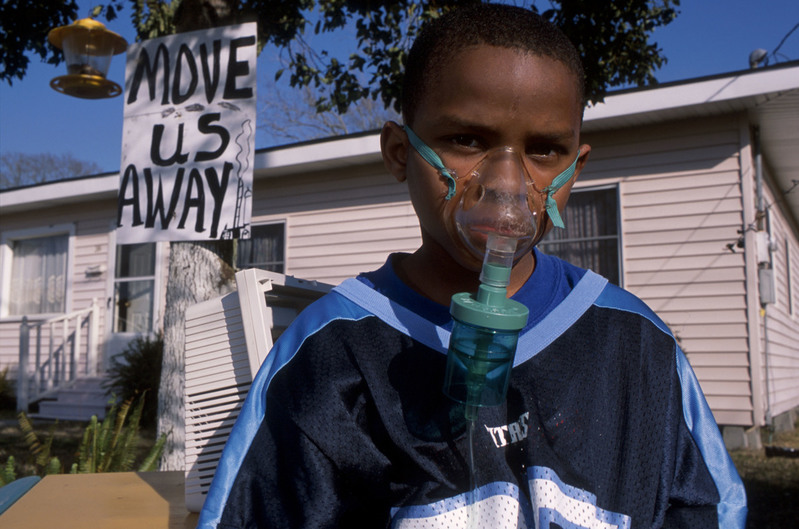
But consider a different kind of responsibility. What if your role were to design, manufacture, or market products that -- according to well-established scientific evidence -- pose substantial risks to public health -- products such as tobacco, opioids, firearms, or fossil fuels?
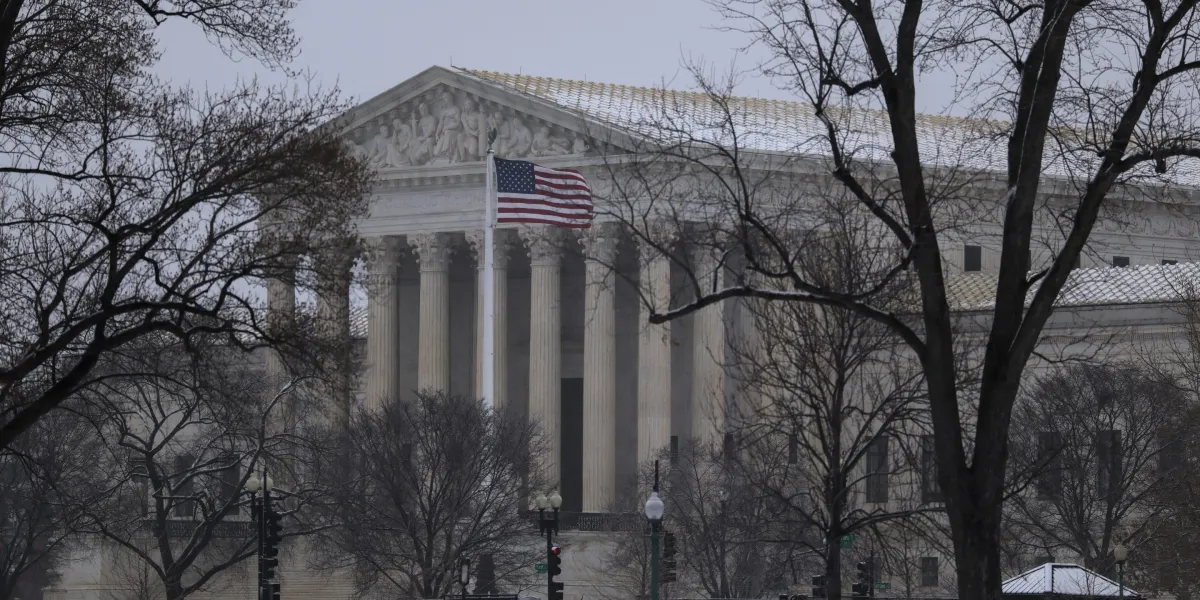
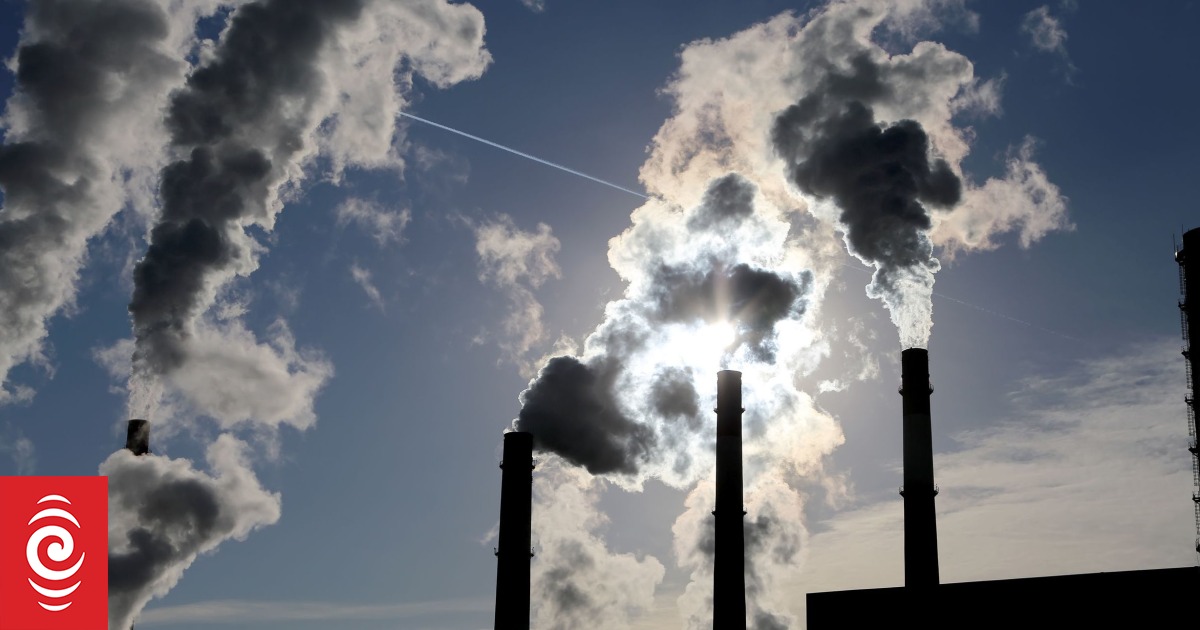
In those cases, should our legal system allow courts to hold manufacturers accountable for the consequences of their products? Or should Congress enact protections, as introduced last month for Big Oil in the House and Senate, that shield these industries from liability -- effectively granting immunity to profit-driven energy entities despite decades of evidence demonstrating the harms associated with their products?
This contrast raises a fundamental question about fairness, accountability, and whose interests our legal and legislative systems ultimately serve.