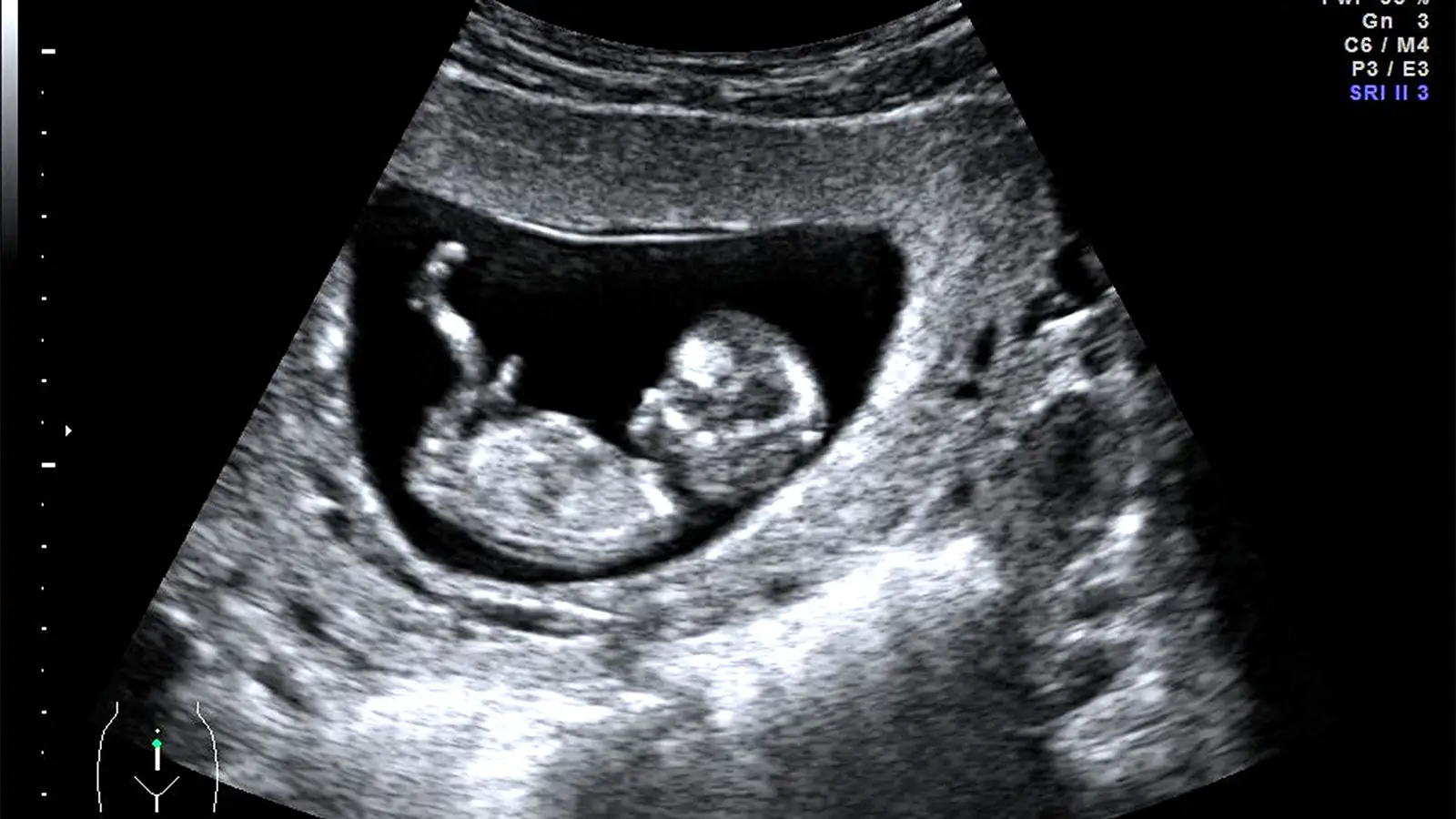
Trigger abortion bans were associated with an increase in expectant management and a decrease in medication management of miscarriages.For those who got medication management, these bans were also associated with a decrease in the more efficacious mifepristone-misoprostol regimen.Miscarriage and induced abortion involve similar care and these management shifts point to unintended side effects of abortion restrictions.
State-level abortion bans enacted after Roe v. Wade was overturned were associated with a shift in management of spontaneous abortion away from evidence-based care, a retrospective cross-sectional study found.
A difference-in-differences analysis of spontaneous abortion management found that bans were linked with a 2.8 percentage point increase in expectant management (95% CI 1.0-4.6) and a 2.2 percentage point decrease in medication management (95% CI -3.5 to -0.9) compared with the time before the bans in adjusted models; surgical management did not change significantly, reported Maria Rodriguez, MD, MPH, of Oregon Health & Science University in Portland, and colleagues.
For those who got medication, trigger bans were associated with a 13.8 percentage point increase in less-effective misoprostol-only regimens relative to the evidence-based mifepristone-misoprostol combination (95% CI 9.0-18.6). Use of the mifepristone-misoprostol regimen nearly doubled in comparison states from 15.9% to 31.5% and barely moved in ban states (1.9% to 3.1%), the authors wrote in JAMA.