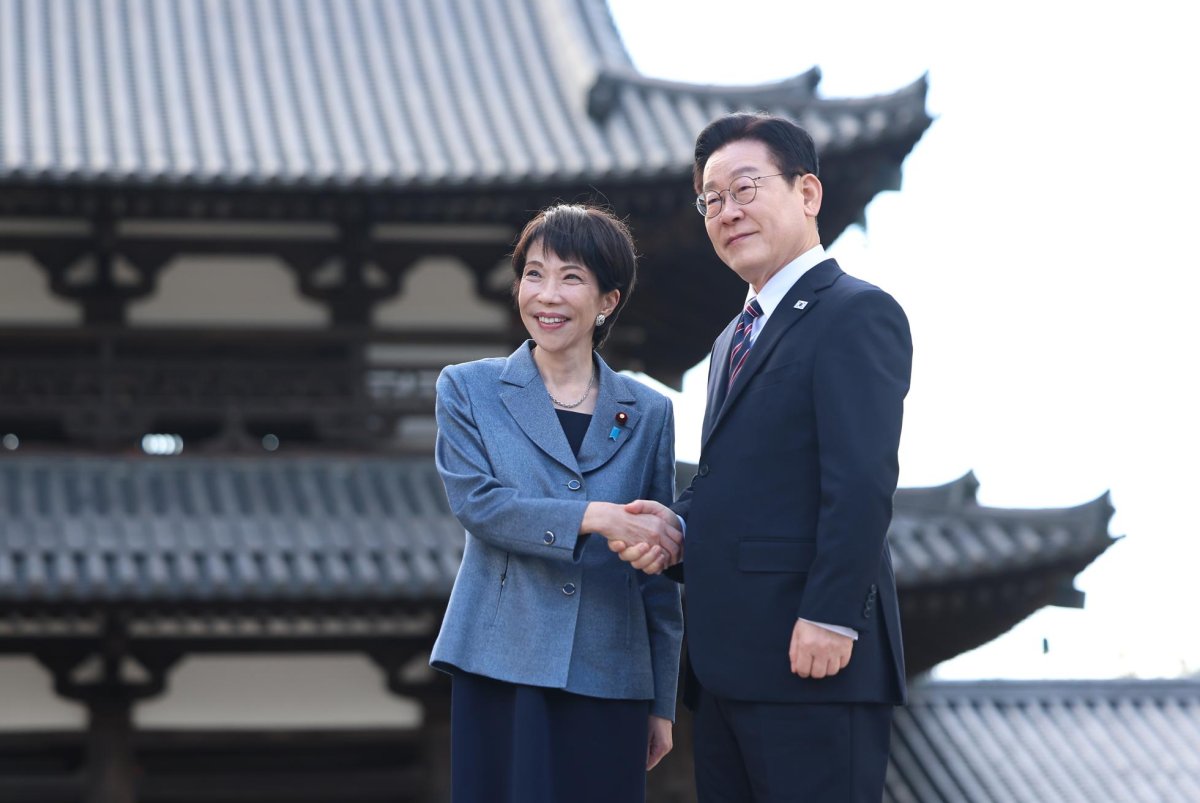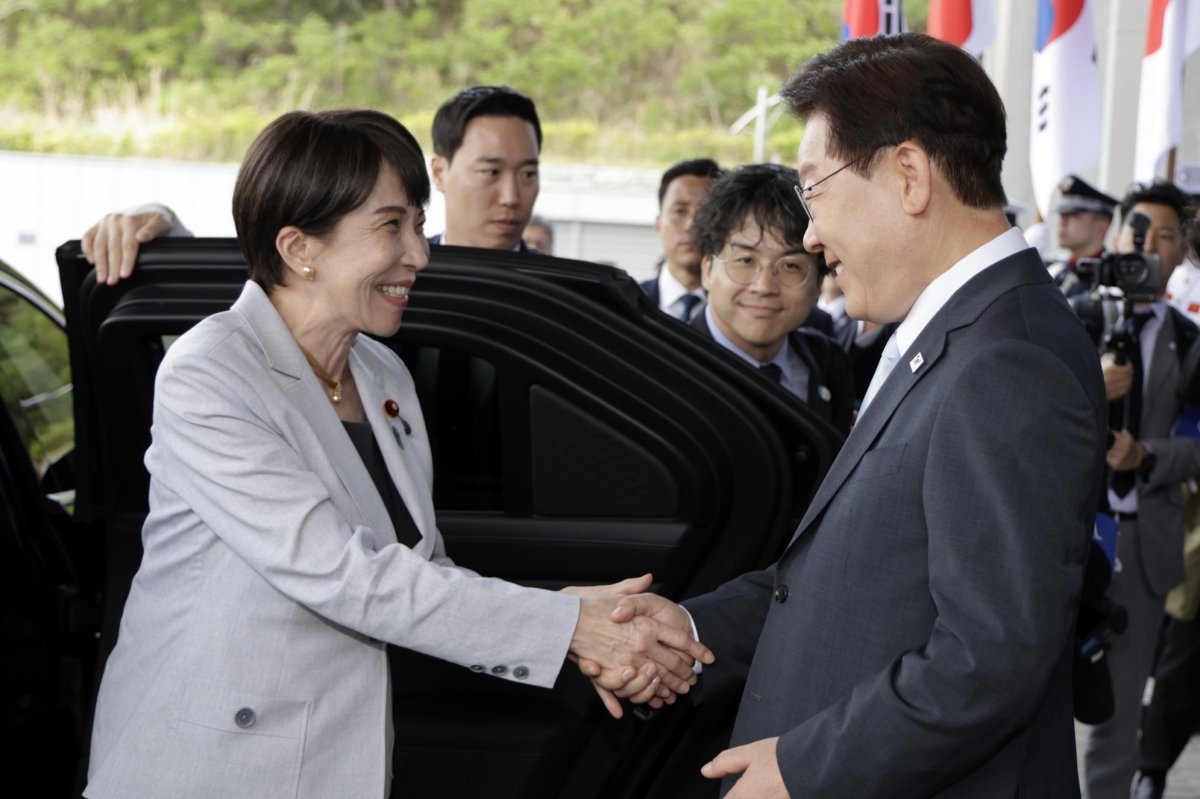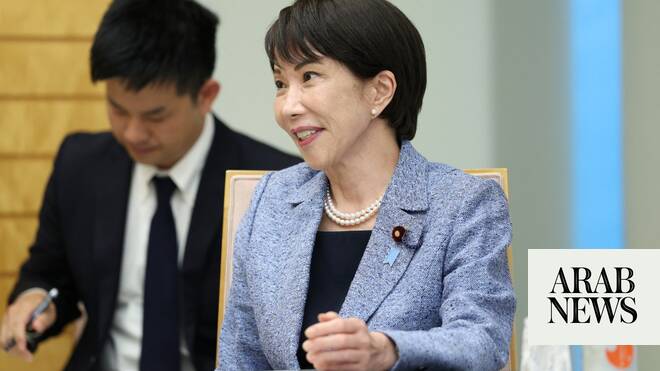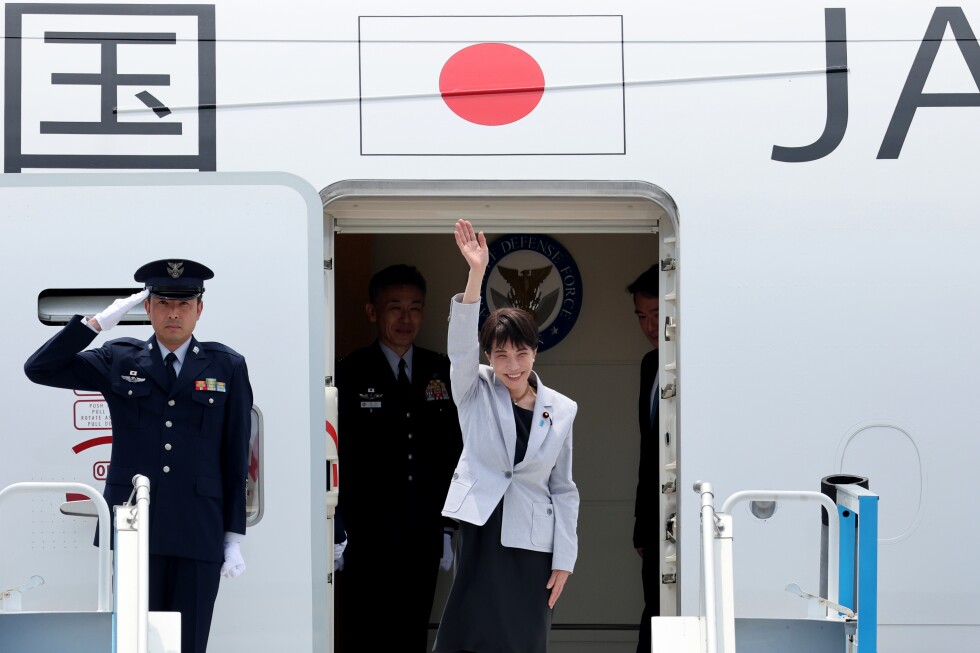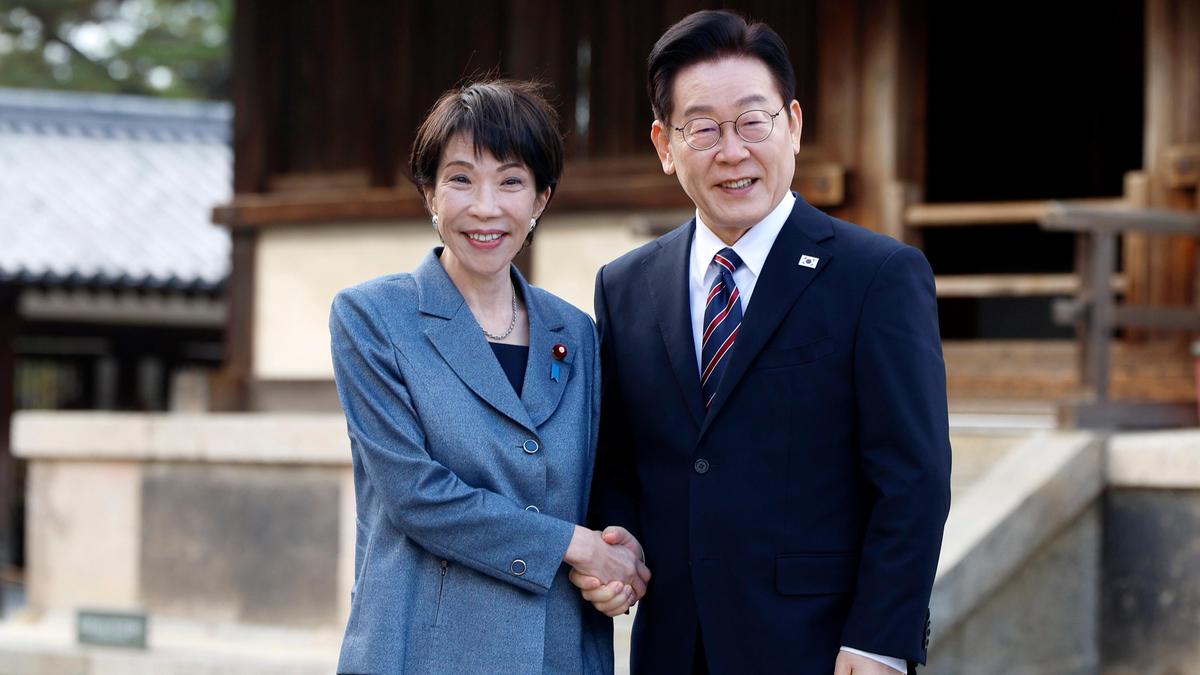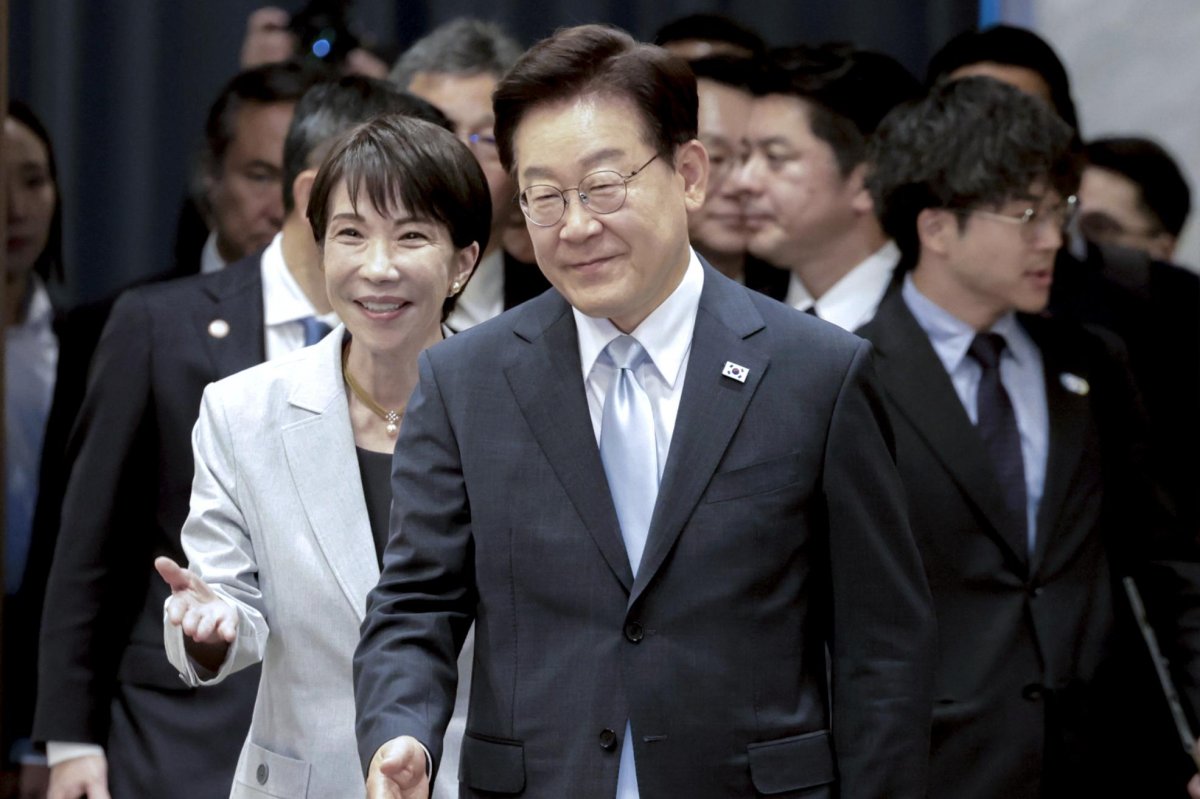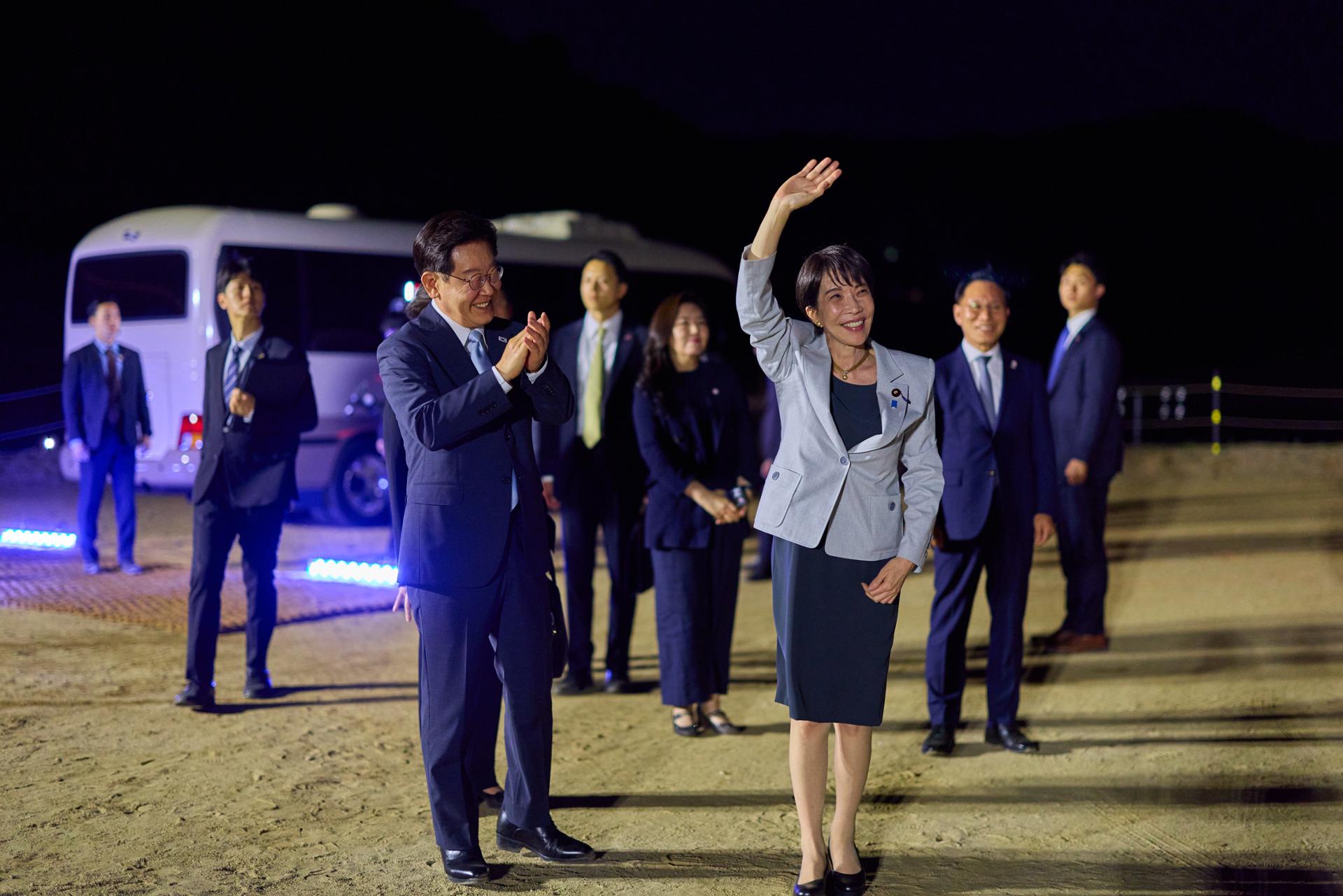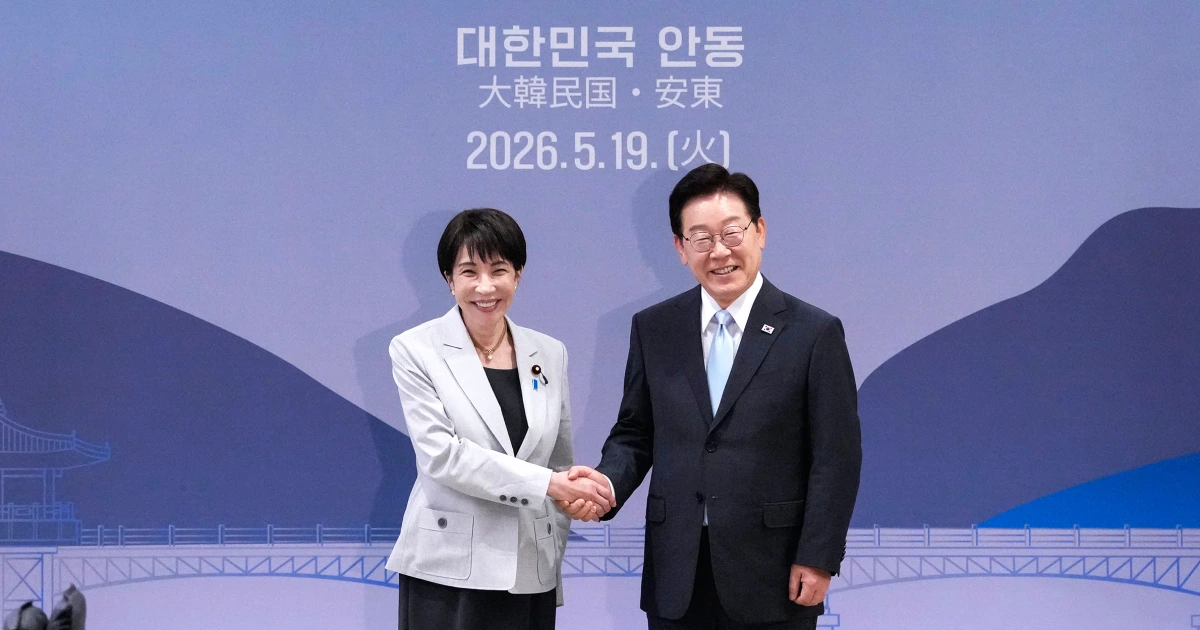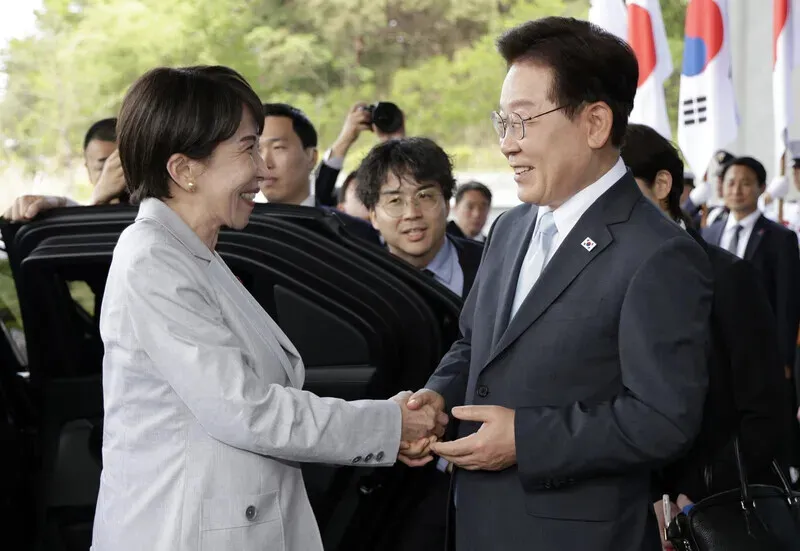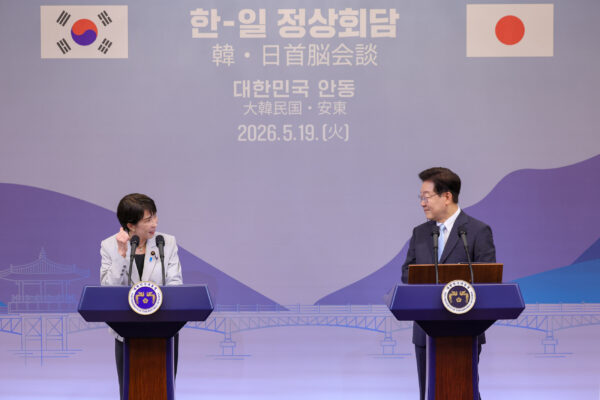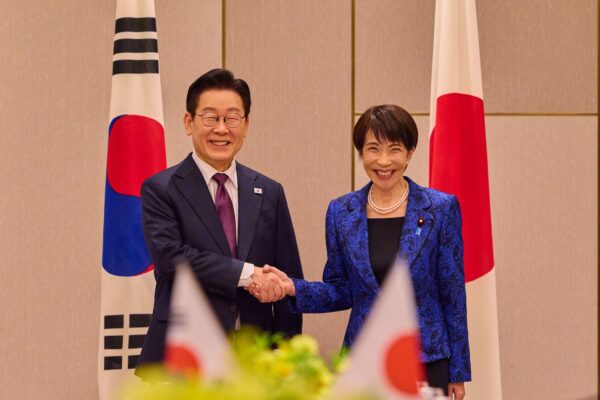
On May 15, the South Korean presidential office confirmed that Japan’s Prime Minister Takaichi Sanae will pay a two-day visit to South Korea beginning on May 19. The venue for this high-level visit will be the city of Andong, Gyeongsangbuk Province, the hometown of incumbent South Korean President Lee Jae-myung. The meeting is seen as a continuation of the Japan-South Korea summit earlier this year, when Lee visited Takaichi’s hometown, as well as an attempt to further institutionalize shuttle diplomacy between the two leaders. It will also serve as a new test for bilateral cooperation as both sides seek to strengthen coordination on security, economic affairs, and regional stability.
The timing of the meeting between Seoul and Tokyo is particularly noteworthy, as it comes immediately after the China-U.S. summit that ended on May 15. Amid intensifying strategic competition among major powers and an increasingly volatile regional security environment, Japan and South Korea are sharing growing strategic interests as well as common security concerns, particularly regarding the risk of disruptions to energy supply chains following the crisis in the Strait of Hormuz.
The recent China-U.S. summit quickly became the focus of international attention, as it marked U.S. President Donald Trump’s second visit to China – while also representing the first time in nearly a decade that a sitting U.S. president had made an official visit to the country. Immediately after the Trump-Xi meeting concluded, Japan and South Korea officially announced plans to hold a bilateral summit to discuss regional issues as well as prospects for advancing Japan-South Korea relations. This move can be seen as a form of follow-up response, reflecting both countries’ close observation of the reactions and strategic calculations of the two superpowers after the summit, while also illustrating the timely strategic adjustments being made by Seoul and Tokyo in an increasingly uncertain environment.