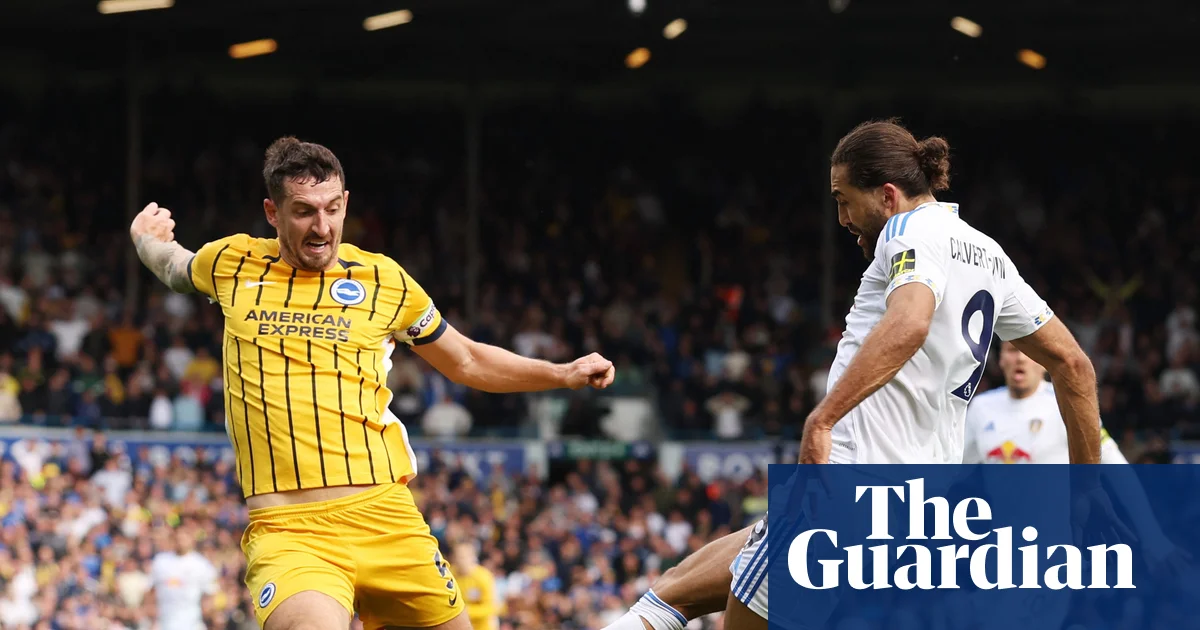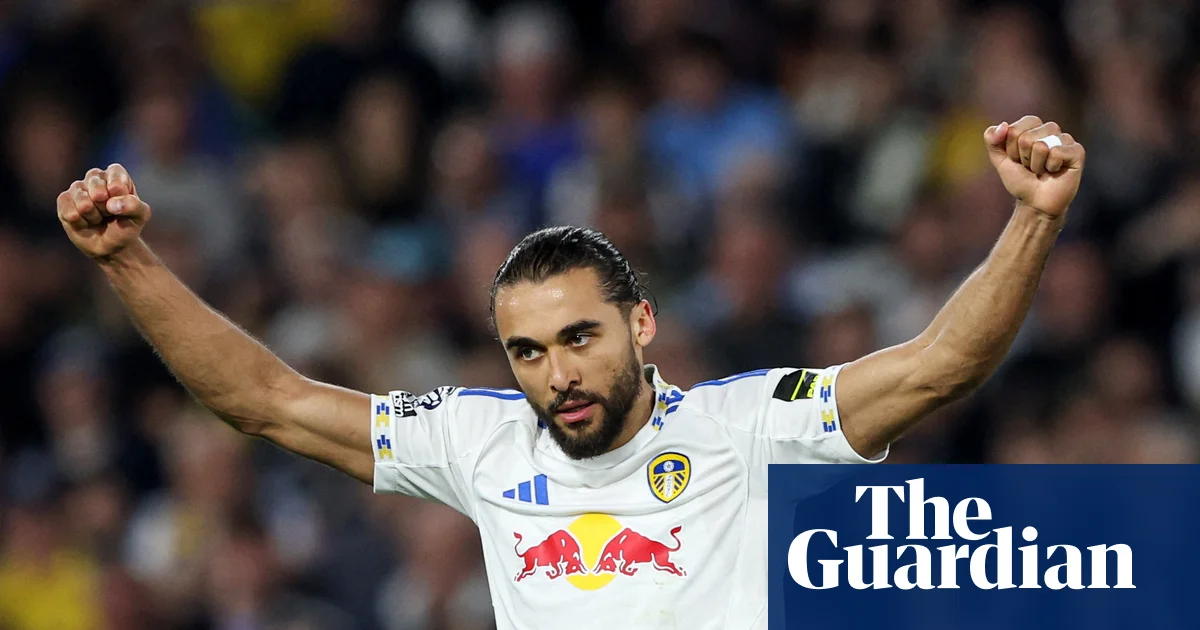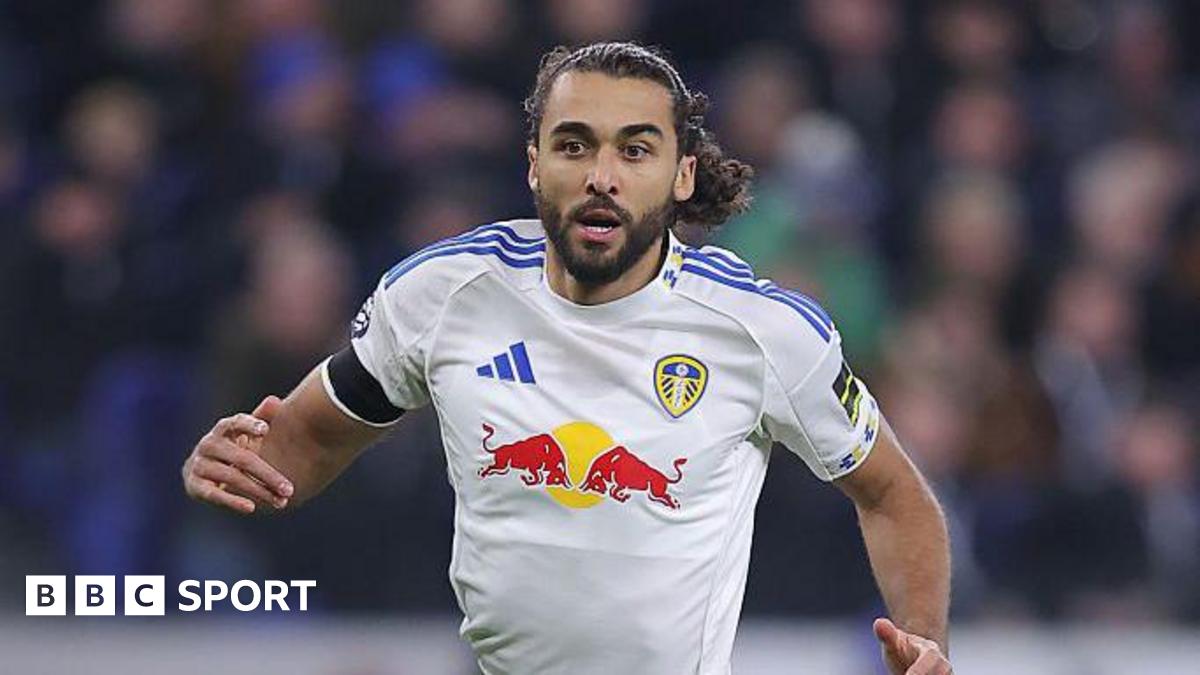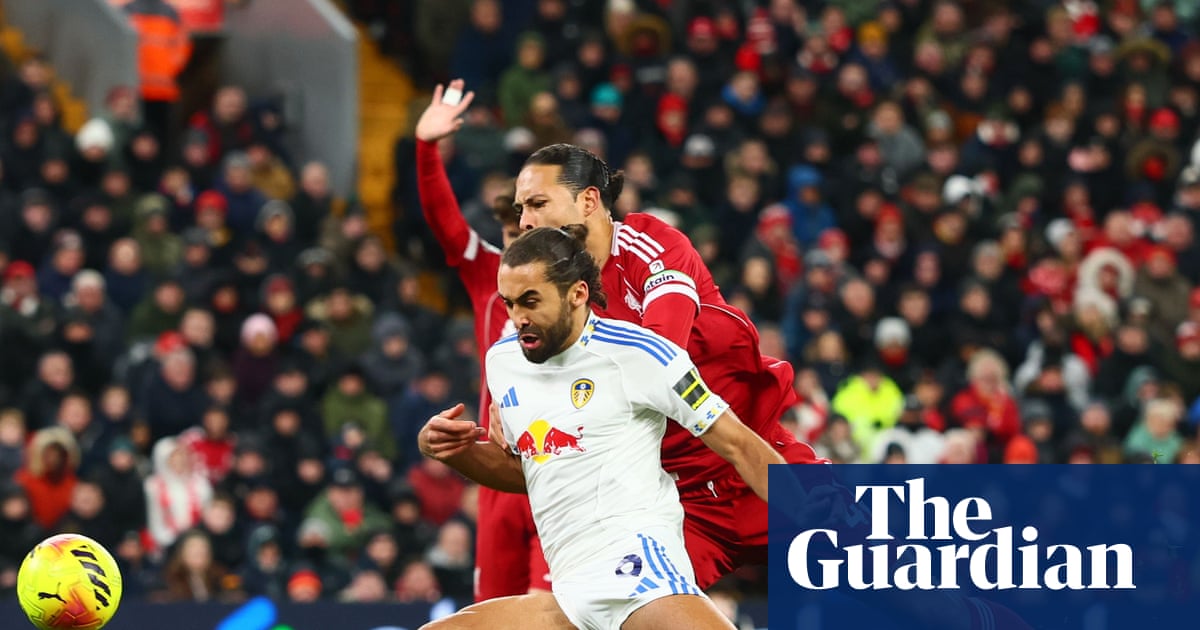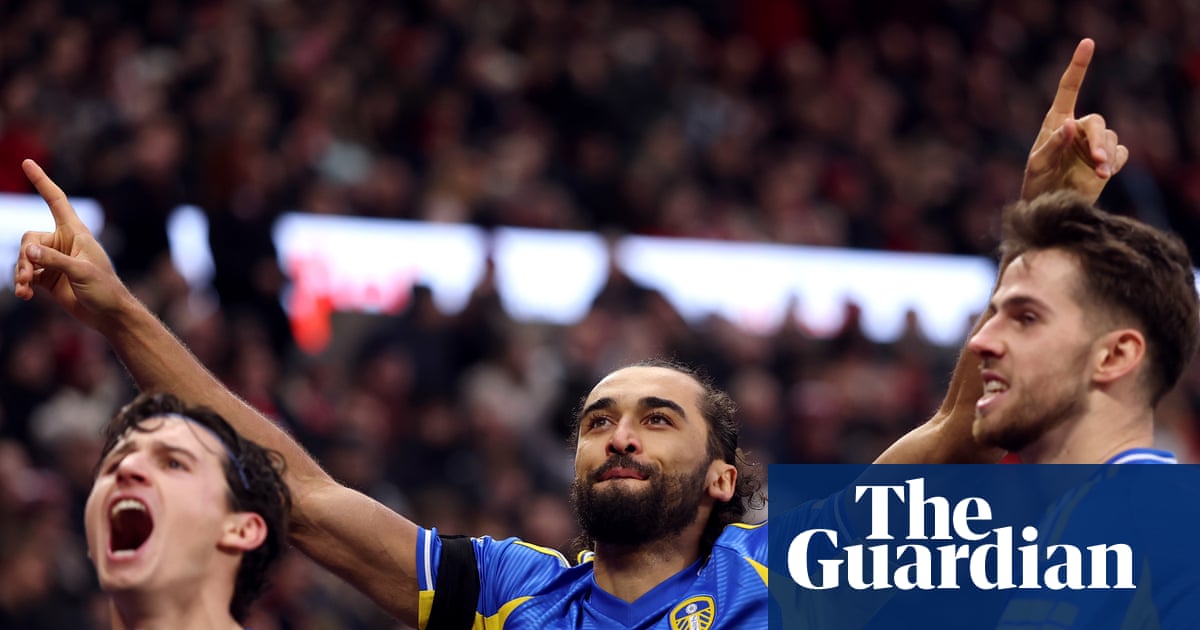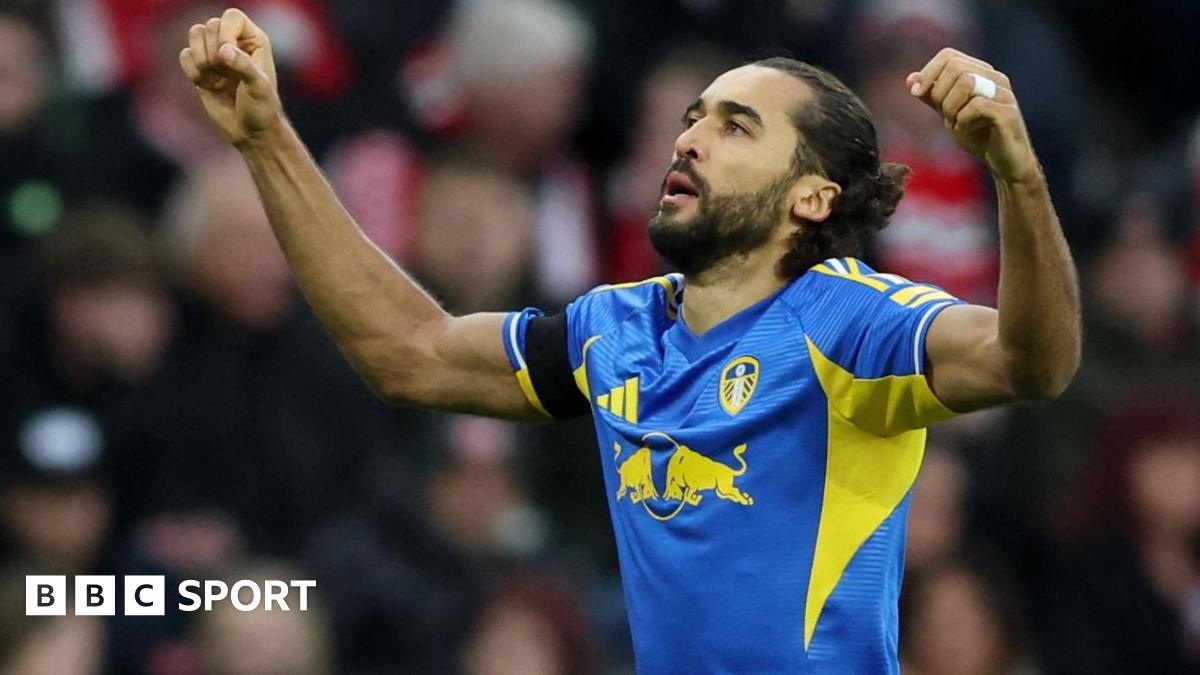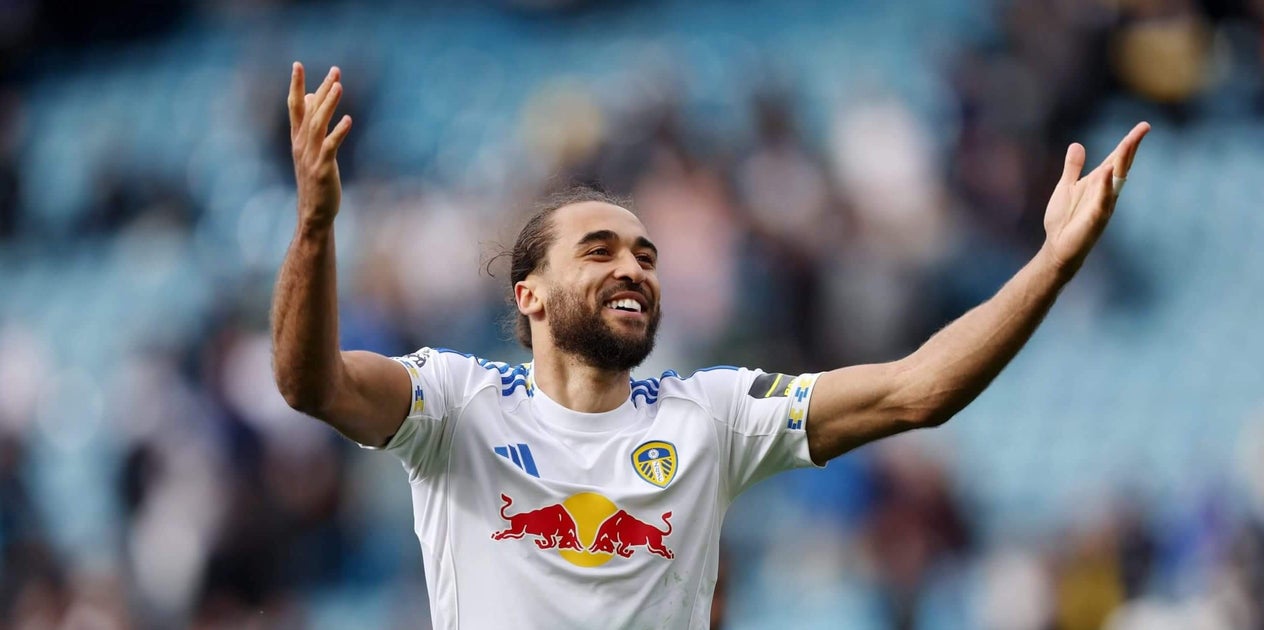
“Calvert-Lewin, you killed us today.”Pep Guardiola was speaking to Leeds United’s No 9 after the final whistle had been blown at Etihad Stadium in November. That was unlikely to have been the first time an opposition manager felt that way this season — and it certainly cannot have been the last.Fabian Hurzeler had a taste of it on Sunday. In the 95th minute of what was effectively a dead rubber for Leeds, their striker might be forgiven for switching off or going through the motions.But Dominic Calvert-Lewin remained sharp and alert until the end at Elland Road. Jan Paul van Hecke obliged with his under-hit pass towards Bart Verbruggen, but it was far from a tap-in for the striker.The 29-year-old was still gambling as he sprinted from Lewis Dunk’s blind side to beat Verbruggen to the ball. Nobody would have batted an eyelid if Dunk or the goalkeeper had got there before him.You could extend the argument even further and wonder if people would have believed, back in August, that Calvert-Lewin would still be on the pitch in the 95th minute and sprightly enough to chase down a loose pass in a match in May. The former Everton man has had more than his share of doubters, but as this season draws to a close and the World Cup looms large, Calvert-Lewin has proved them wrong in year one at Leeds.Calvert-Lewin fires Leeds to a 1-0 victory over Brighton (Nathan Stirk/Getty Images)Outside the club, the approval and excitement around the striker’s August arrival were far from unanimous.Leeds seemed to be staking their survival on someone with 17 Premier League goals across the previous four seasons combined — and someone who was struggling to get on the pitch, let alone score.Calvert-Lewin had started 75 of 152 league games across those four campaigns with Everton. Leeds fans could see if he continued to struggle for game time, they would be left with the equally injury-prone Lukas Nmecha or the unproven Joel Piroe leading their line.While there was concern and angst in some corners of the fanbase, United’s key decision-makers were ecstatic to land their man on August 15. He was their first-choice target in attack, and that was not even close in their eyes.Sources with knowledge of the process before, during and after Calvert-Lewin’s summer arrival at Leeds have spoken to The Athletic — on the condition of anonymity to protect relationships — about the move.The England international had been someone who was first loosely discussed at Elland Road last April, when Leeds were still finishing off their surge to the Championship title. It had become clear across the industry that Calvert-Lewin was unlikely to sign a new contract at Everton and, instead, hit the market as a free agent.That internal conversation never went much further. The assumption had been that Calvert-Lewin would end up somewhere further up the food chain on significant wages. Leeds did not give themselves a chance as a newly-promoted club.He did not resurface as a topic in the club’s recruitment discussions until August arrived. Prior to that, Fulham’s Rodrigo Muniz had been at the top of the club’s active shortlist of strikers. There had been encouraging noises on a pursuit for the Brazilian, but the longer the summer went on, the colder the trail grew.Minus Muniz, United’s recruitment chiefs (managing director Robbie Evans, sporting director Adam Underwood and head of recruitment Alex Davies) were not hugely inspired by the alternatives in attack. They discovered the reality of being a newly-promoted club.Their striker options all had one red flag or another: being too young, too immobile or too injury-prone. There was no obvious candidate. And then Underwood received a phone call in early August.It was put to Underwood, without any promises or guarantees, that Calvert-Lewin may be an option Leeds should explore. United mobilised quickly from this point. They went far deeper than they had around their April chatter.They were looking for hold-up play, set-piece threat, off-ball tenacity, tireless channel running and Premier League experience. Their assessment of Calvert-Lewin found he had everything they needed.Sources at Leeds said data can be useful in the analysis of prospective targets from foreign leagues, but when a player such as Calvert-Lewin has more than 200 top-flight appearances across nine seasons, the most important voices at United are Daniel Farke’s and Davies’s. The former already knows exactly what the striker can do while the latter watches his clips.Farke was a swift ‘yes’ when asked if Leeds should pursue him. Everyone agreed that Calvert-Lewin was the best striker among a list of realistic targets and those already on their books.His injury record was assessed, of course. They went through his recent seasons, breaking down how many games and days had actually been missed as a direct result of injuries. They found some of the problems Calvert-Lewin encountered had been freak occurrences or bad luck.The club’s medical staff grades all prospective targets on their injury risks, and Calvert-Lewin was not marked at the highest end of that spectrum. There were risks, but he was not considered to have multiple blots on his record.As Evans intimated after the window closed last September, Leeds could not, as a newly-promoted club, sign perfect players. They had to pick their poisons, and with Calvert-Lewin, they backed their medical department to keep him fit.Internal conversations boiled down to an assessment of 30 to 33 games with Calvert-Lewin versus 37 games with an inferior striker. Leeds bet on him to be the better choice, even if he had to sit out for a month with an injury at some stage. As it happens, he’s made 34 league appearances with one to go, despite missing all of pre-season and arriving in mid-August.Within five days of Underwood receiving that tip-off, he, Davies and Evans pitched to the striker via video call. As a part of the presentation you would expect, they tried to show Calvert-Lewin that Leeds was the perfect platform for him.Sheffield-born Calvert-Lewin joined Leeds as a free agent (George Wood/Getty Images)When they pitch to young players, examples such as Archie Gray, Crysencio Summerville and Georginio Rutter are used to prove Leeds can develop talent and then propel it onto a bigger stage. For older players, it’s about putting them on the radar of their national teams.England was mentioned to Calvert-Lewin much in the same way Germany was mentioned to Anton Stach in his transfer pitch. United made the point that he had a far better chance of making it to the World Cup as their first-choice striker than he would as the second- or third-choice option with more established outfits.Calvert-Lewin’s wife, Sandra, was also on that first call. The Leeds trio knew it was important to pitch on the family angle, too. They wanted her to be reassured that this would be the right place for her husband and their family to flourish.As a kicker, Evans and co offered Calvert-Lewin the No 9 shirt. Patrick Bamford, the existing No 9, had been publicly isolated from Farke’s squad by this point, but was still on the books, of course. It was a small gesture but they felt a symbol of how important the new man would be to them.Sources close to Calvert-Lewin have lavished praise on how impressive this and subsequent calls were with the Leeds hierarchy, while United felt that the first pitch turned the striker’s curiosity about the club into a realisation that this could really work for him.Positive momentum grew. The club knew they could not allow the move to slow down. They did their best to keep it quiet. They knew the longer it took, the greater the chance there would be of wealthier clubs making a play for a striker of this standing.Calvert-Lewin had already knocked back one firm offer from a Premier League club earlier in the summer and, as he has mentioned in interviews since, he rejected a Champions League club from one of Europe’s big five leagues on the morning he signed at Elland Road.The entire process, between the first call and finalisation, lasted no more than 10 days. Leeds sources say Calvert-Lewin ‘bet on himself’ in contract talks. He found ways to help Leeds in the negotiations and the club felt reassured by the confidence he had in himself to deliver.Calvert-Lewin was recalled by England in March (Justin Setterfield/Getty Images)One of the important points on Calvert-Lewin’s side was the time he would be given to get up to speed before playing, having missed the entirety of pre-season. Leeds saw no problem in agreeing a plan which eased him in and gradually built his minutes instead of, for example, throwing him into 90 minutes away at Arsenal on August 23.Calvert-Lewin was a free transfer, of course, but Leeds have made a significant financial investment to land him, all the same. Every player on the club’s books is broken down as fee amortisation, plus wages, per year, and the No 9 boils down to something like a £20million-plus signing in their eyes.Nine months have passed since Calvert-Lewin’s signing was announced, and club sources are more than convinced they have had the player they hoped they would be getting. One such source said 10 goals before mid-February surpassed expectations.Beyond the goals, there is the character he brings to the dressing room. His impact at half-time in the City visit has been widely discussed. One senior Elland Road source described him as a “shadow captain” supporting skipper Ethan Ampadu.Calvert-Lewin’s recall to the England squad in March was described as an emotional moment for those names at the top of the club who had pitched that vision last August. It was a moment of vindication for the player and the club in agreeing on that deal last summer.They all want to see him finish the job and go to the World Cup now. He’s finishing the season in good form and hopes were not dashed by his early withdrawal from the March camp, which was understood to have been pre-arranged before the Uruguay friendly.He has one game to go and if he can find it within himself to score a hat-trick, it will be the most prolific Premier League goal tally of his career.
How Leeds signed Dominic Calvert-Lewin: The No 9 shirt, faith in fitness and a platform for England ambitions
Leeds pulled off a coup in securing the signature of Calvert-Lewin, who has repaid them with 14 Premier League goals
1,697 words~8 min read