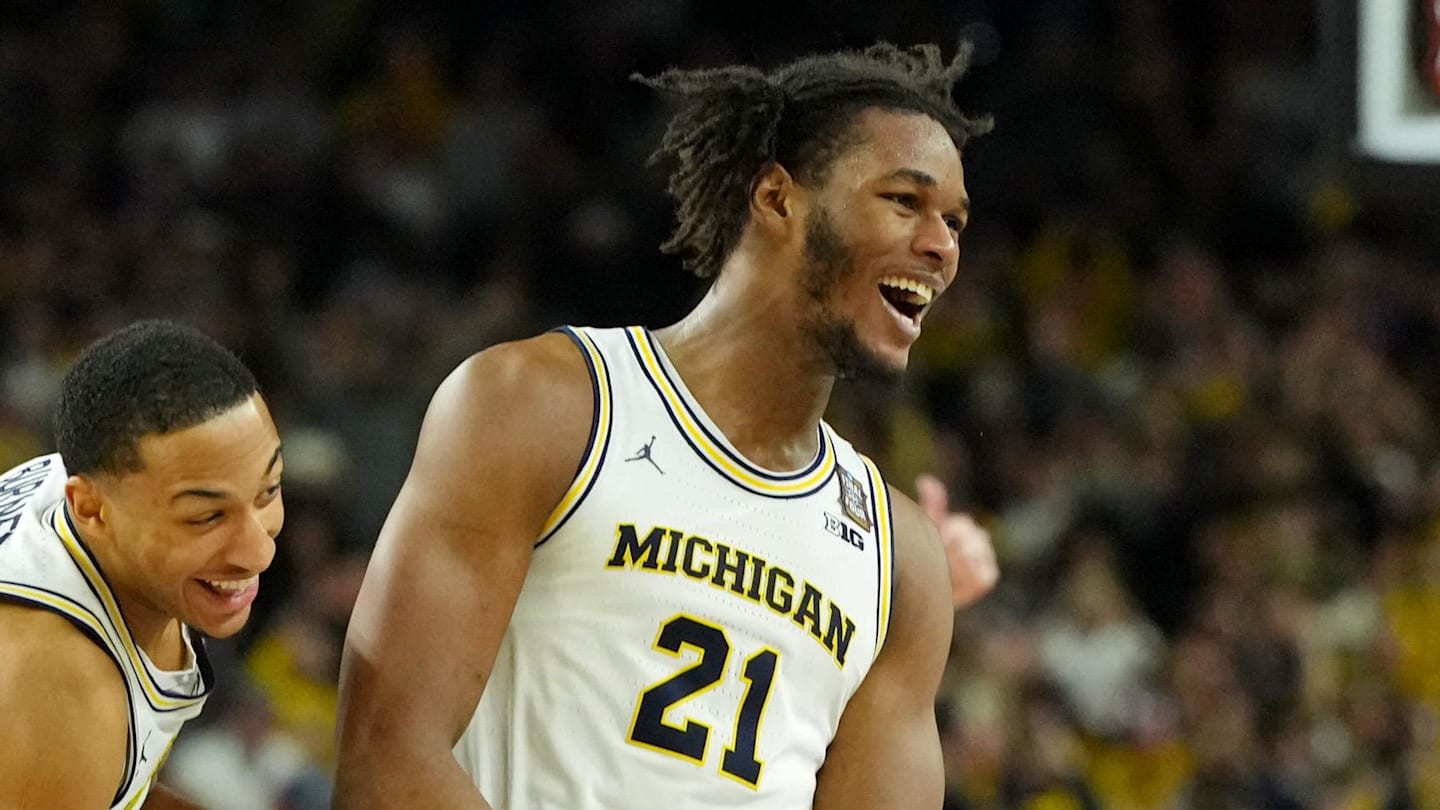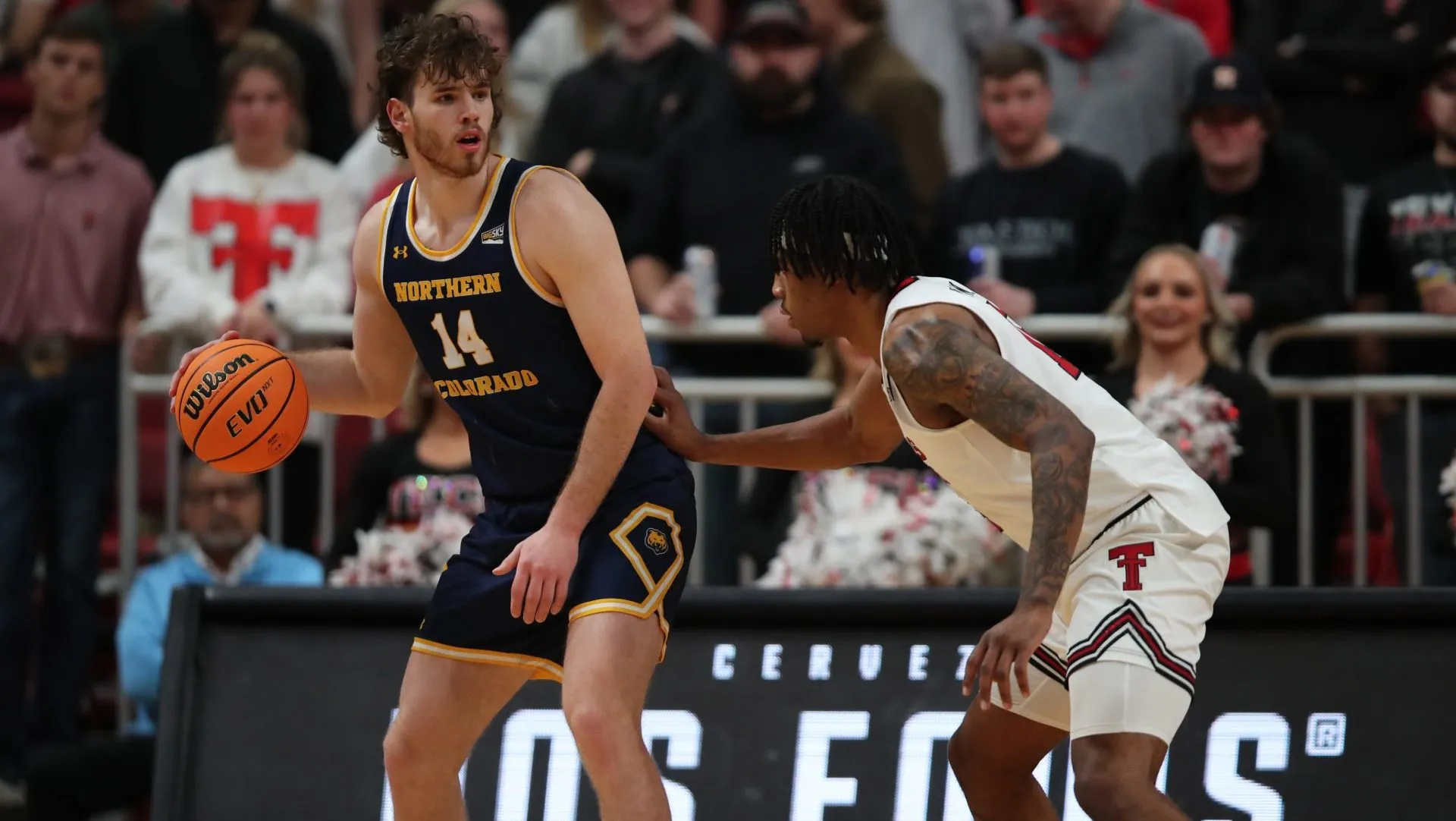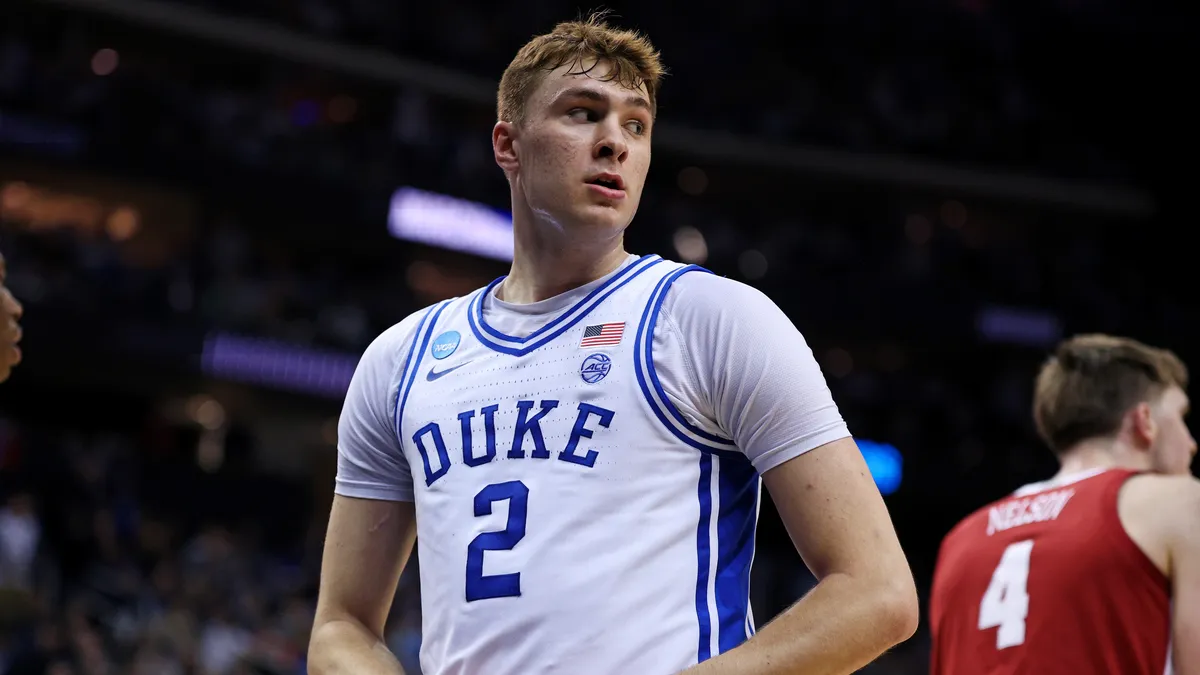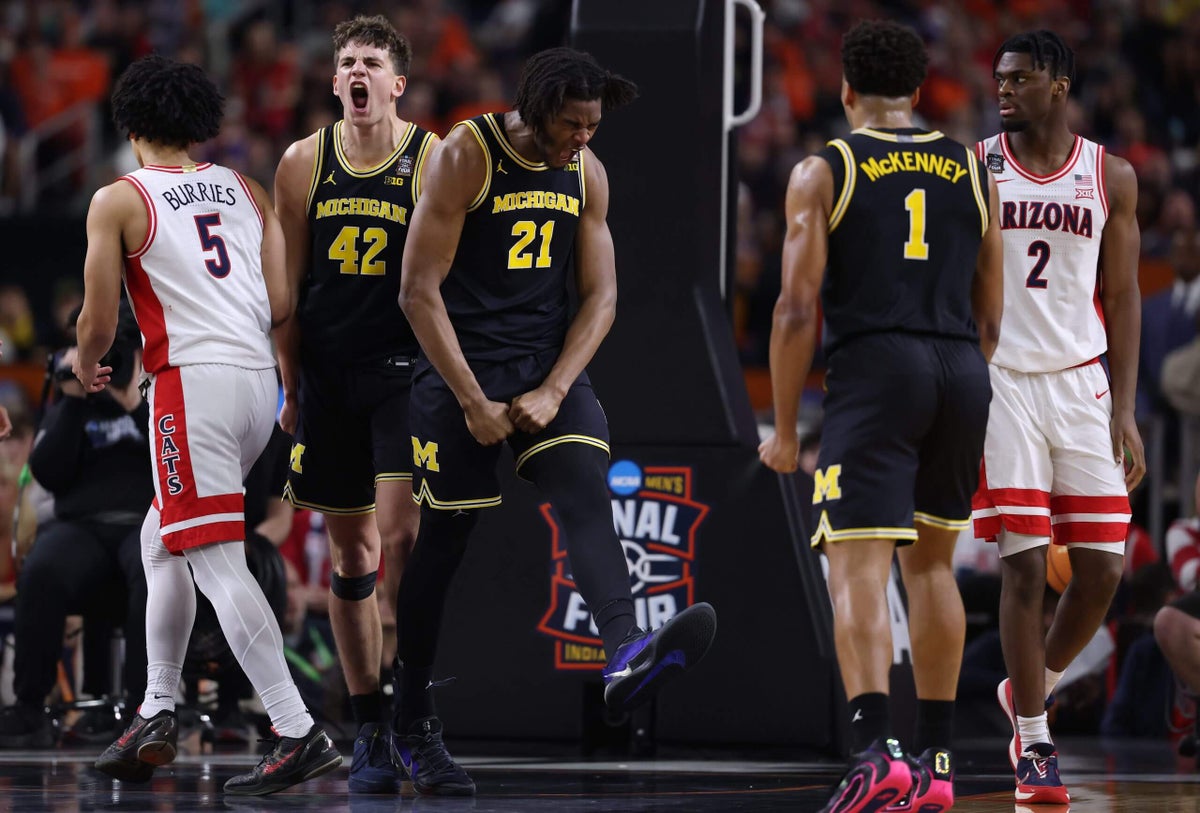
The NBA Draft withdrawal deadline is creeping closer, and rosters for next season is becoming clearer. And yet, we’ve still got questions this offseason, including about future spending in college hoops, and if there’s any end — or ceiling — in sight.We’re also still talking about NCAA Tournament expansion because, well, (mostly) everyone is still upset about it. This will be a talking point from now until March 2027.Let’s get to the questions.How much of an advantage do you think it will be for teams like Virginia, who returned all their eligible players, versus those who went through high levels of turnover while making a big NIL splash in the portal? — Steven J.I think it’s always an advantage to retain because players generally perform better in comfortable, familiar environments. It’s possible to overturn a roster and win, but the data in this era suggest roster overhauls tend to work better for coaches coming into a new job versus a coach blowing up their own roster for the next season.I looked at the last four seasons, simply counting the NCAA Tournament teams among those that ranked in the top 50 in minutes continuity at KenPom, and the number of tourney teams among those in the bottom 50 in minutes continuity. I separated the two by high-major and mid-major.HMMMTotalTop-50 minutes cont. tourney teams283159Bottom-50 minutes cont. tourney teams16521Of the 21 teams that made it out of the bottom-50 group, 11 high-majors had first-year head coaches, and three of the mid-majors had first-year coaches. So that’s two-thirds of the teams in that bottom-50 group.Retention matters, especially at the mid-major level. The bottom-50 group did not include a single Final Four team. The top 50 included the entire 2025 Final Four, 2024 national runner-up Purdue, all of the No. 2 seeds in 2026 (including national runner-up UConn), and both Florida Atlantic and San Diego State from the 2024 Final Four. Michigan is the current best argument for building through the portal, but even the champs ranked 114th in minutes continuity. It wasn’t all about the new guys. — CJ MooreThe NCAA’s move to expand the tournament field from 68 to 76 teams was wildly, WILDLY unpopular. Are there any historical parallels to sports executives essentially saying, “F all the fans; we know what’s best” and ramming through such a universally hated change? — John M. As a proud Oregon State alum, my first thought was: Does the collapse of the Pac-12 count?Aside from conference realignment, which devastated many fans for a variety of reasons, I’m not sure there are any great comparisons to NCAA Tournament expansion. The NFL approved adding one regular-season game — bumping the schedule to 17 games — in 2021, and the NBA added the play-in tournament in 2020, during the COVID bubble season. But I’d argue those expansions didn’t really upset fans, though players were leery, because athletes worry about the extra wear and tear on their bodies.The situation most similar to NCAA Tournament expansion is probably the pending College Football Playoff expansion, which went from four teams to 12 before the 2024 season (and might expand to 24 teams in the coming months). Increasing the field size in both sports was done to appease conference commissioners, who are clearly more powerful than NCAA president Charlie Baker, just one more example of the weird world college sports has become. — Lindsay SchnellIf you were a mid-major coach or GM, what would you do (besides robbing a bank) to give your team a fair chance for an NCAA bid in this NIL, Portal and now unfair expanded tourney era? — HchoopsThe hardest thing coaches deal with at this level is building, because elite mid-major players are usually going to be poached. But because there’s such urgency at the high-major level to get older and stay older, there are a lot of really good high school players who will get overlooked. That’s always been the case, but it might be even more so in this era than ever before.
Why retention trumps the transfer portal and how mid-majors can still land tournament bids
Plus, can anyone break Braden Smith’s assist record and why a pay scale wouldn't work in college basketball.
1,558 words~7 min read