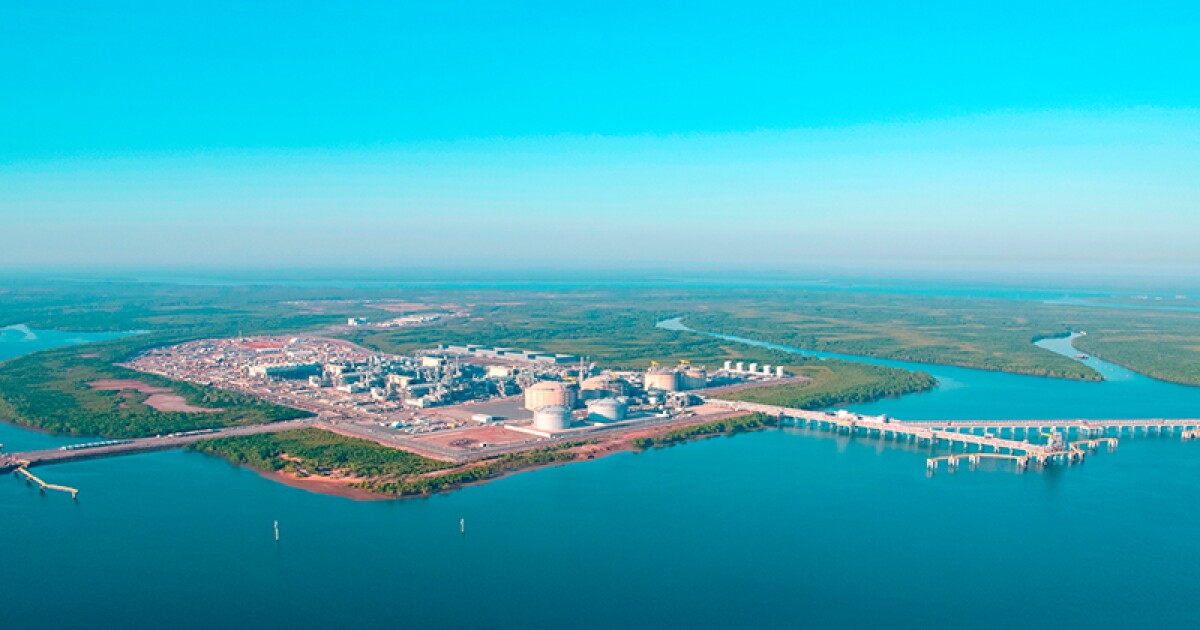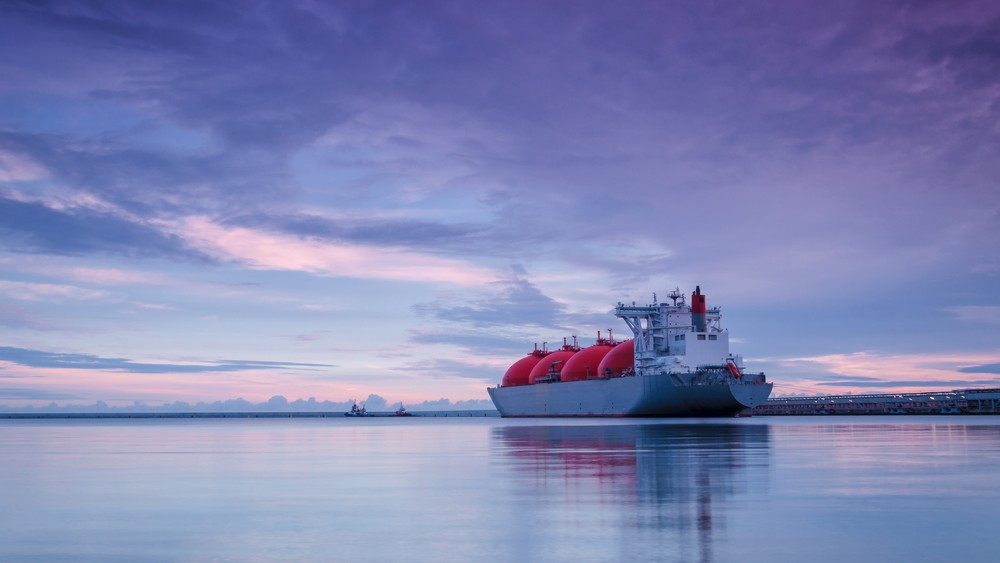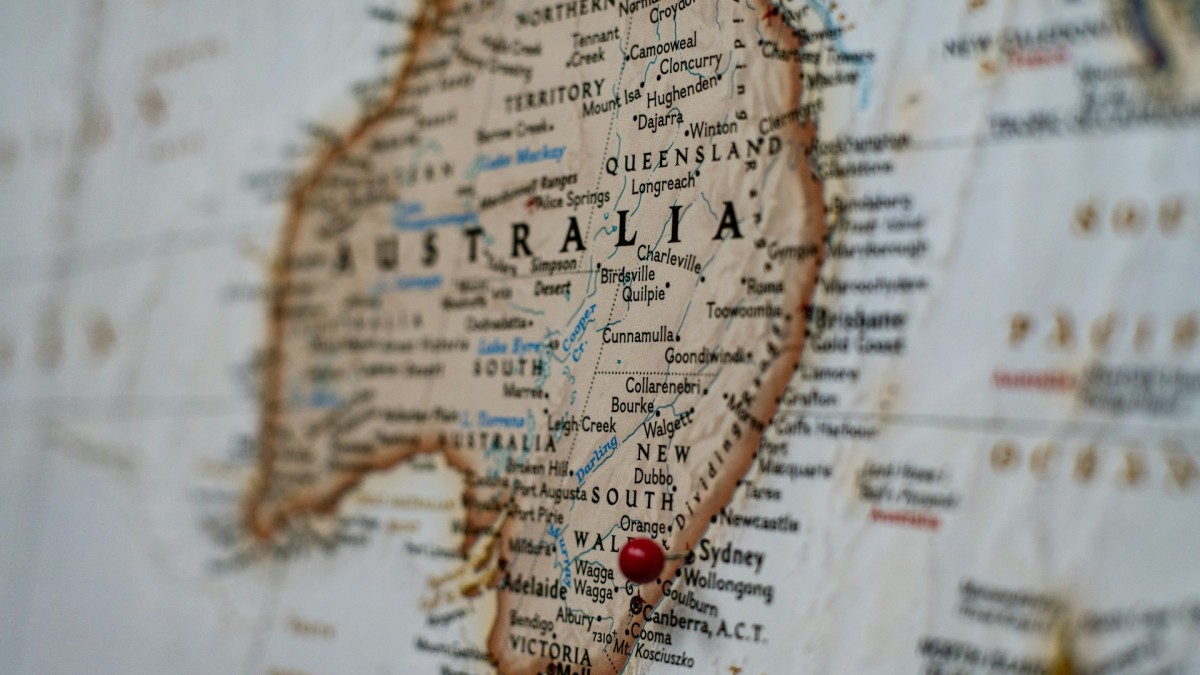
An Australian trade union is threatening to start a strike at an LNG export facility from May 27, in a two-week-long industrial action that could further tighten the global LNG supply, which is already stretched thin amid the Iran war and the closed Strait of Hormuz.The Offshore Alliance union, the Australian Workers Union, and Maritime Union of Australia, on Monday notified Japanese company Inpex there could be 243 stoppages and work bans at Inpex’s Ichthys LNG facilities between May 27 and June 10, after the unions and the company failed to reach a deal on working conditions last week.“We have made it clear to Inpex that we aren’t going to cop the short-changing of our bargaining claims simply because Inpex could not be bothered reading our claims for six months,” a spokesperson for the Offshore Alliance said in a statement carried by Reuters.The labor dispute has been brewing for weeks after the operator of Ichthys LNG, Japanese energy firm Inpex, proposed a new employment agreement that trade unions have slammed as ‘sub-standard’ in terms of wages and benefits.Employees have voted to reject the employment agreement in a ballot that Inpex pulled 21 hours prior to its scheduled close, the Offshore Alliance grouping of unions said in April.Following the failed negotiations last week, the trade unions have now notified the company that workers would go on a strike as of May 27, which could disrupt Ichthys LNG operations for weeks.The threat of supply disruptions in Australia adds to concerns about the global LNG crunch following the Middle East conflict. Since the war began, a handful of LNG tankers have exited the Strait of Hormuz, bound for Pakistan, which has negotiated their passage with Iran.In addition, Iranian drone and missile strikes on energy infrastructure in the region has damaged Qatar’s key LNG liquefaction complex Ras Laffan.Qatar’s state firm QatarEnergy expects the damage to the Ras Laffan LNG complex, the world’s single largest LNG-producing facility, to cost it about $20 billion per year in lost revenue and to take up to five years to repair.By Michael Kern for Oilprice.comMore Top Reads From Oilprice.comChina’s Coal Output Slips as Imports Extend DeclineIndia's Oil Refiners Slated To Ride Out Disruptions After Russian Waiver EndsNew Fed Chair Faces Pressure as Oil Prices Fuel Inflation
Australian Strike Could Worsen World's Already Strained LNG Markets | OilPrice.com
Australian unions have filed a strike notice at Inpex's Ichthys LNG facility, threatening a two-week shutdown starting May 27 as global LNG supply tightens.
377 words~2 min read