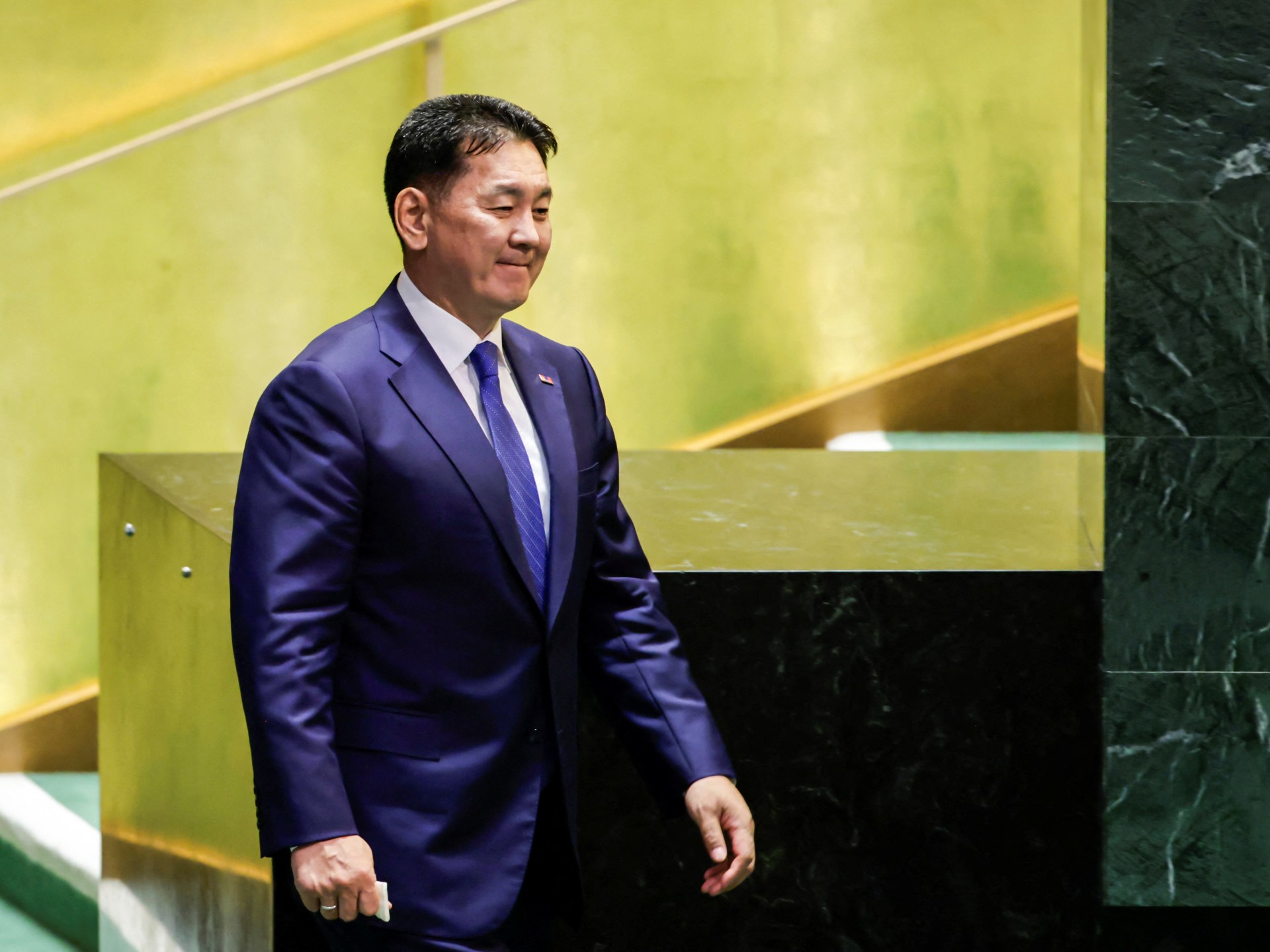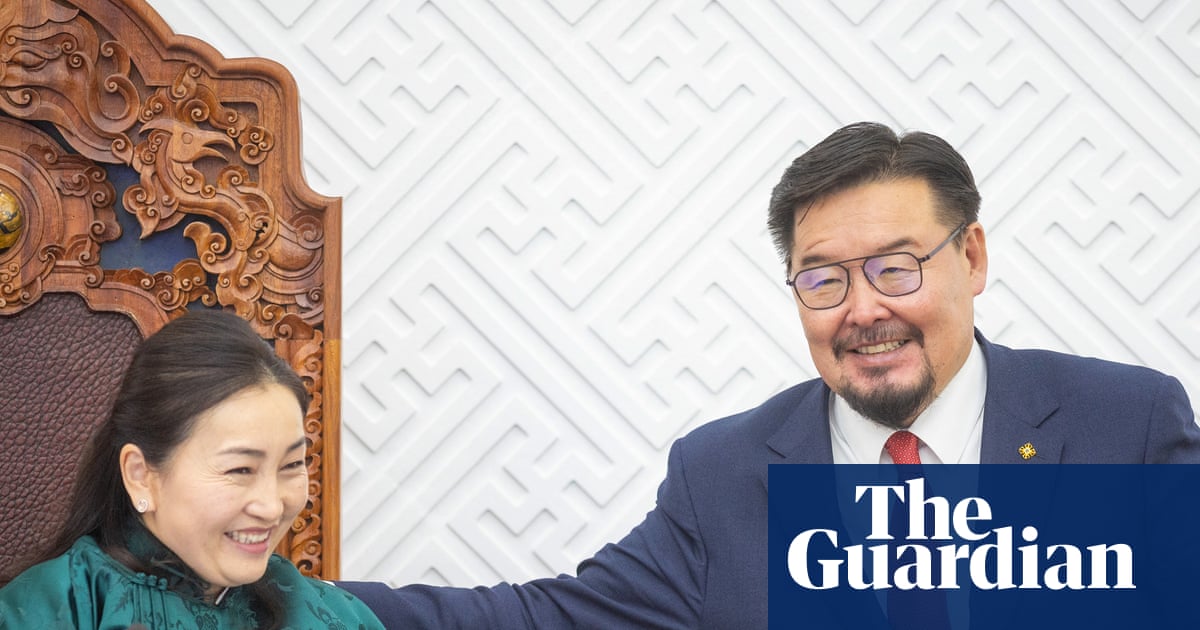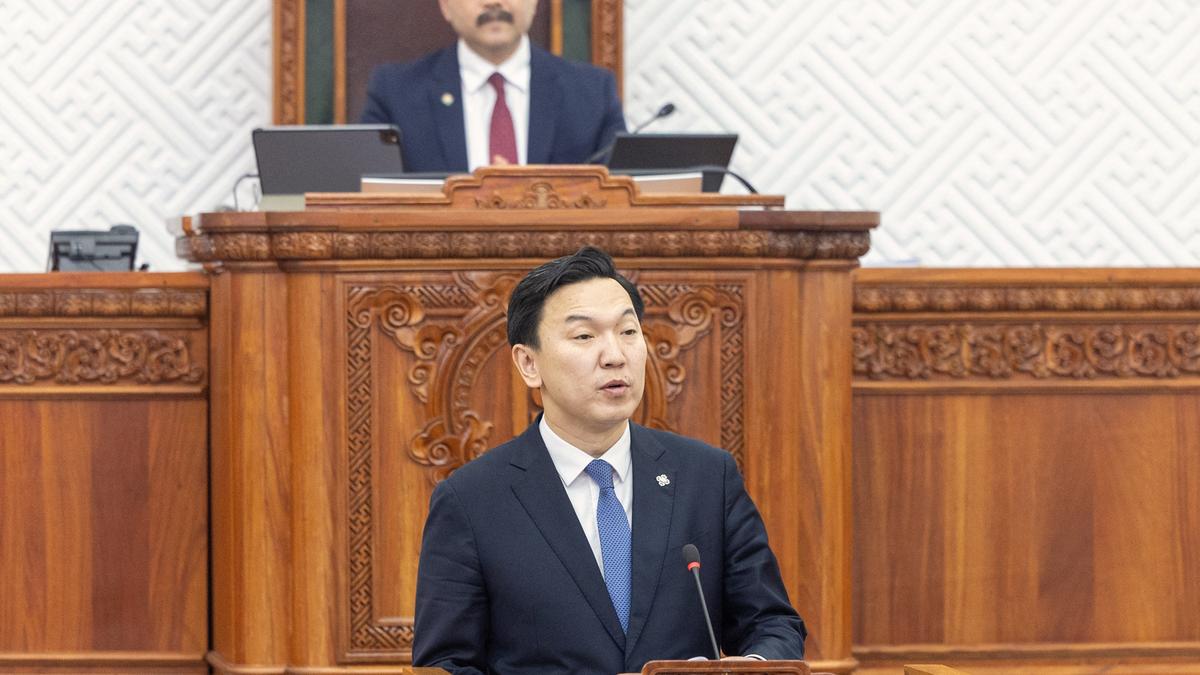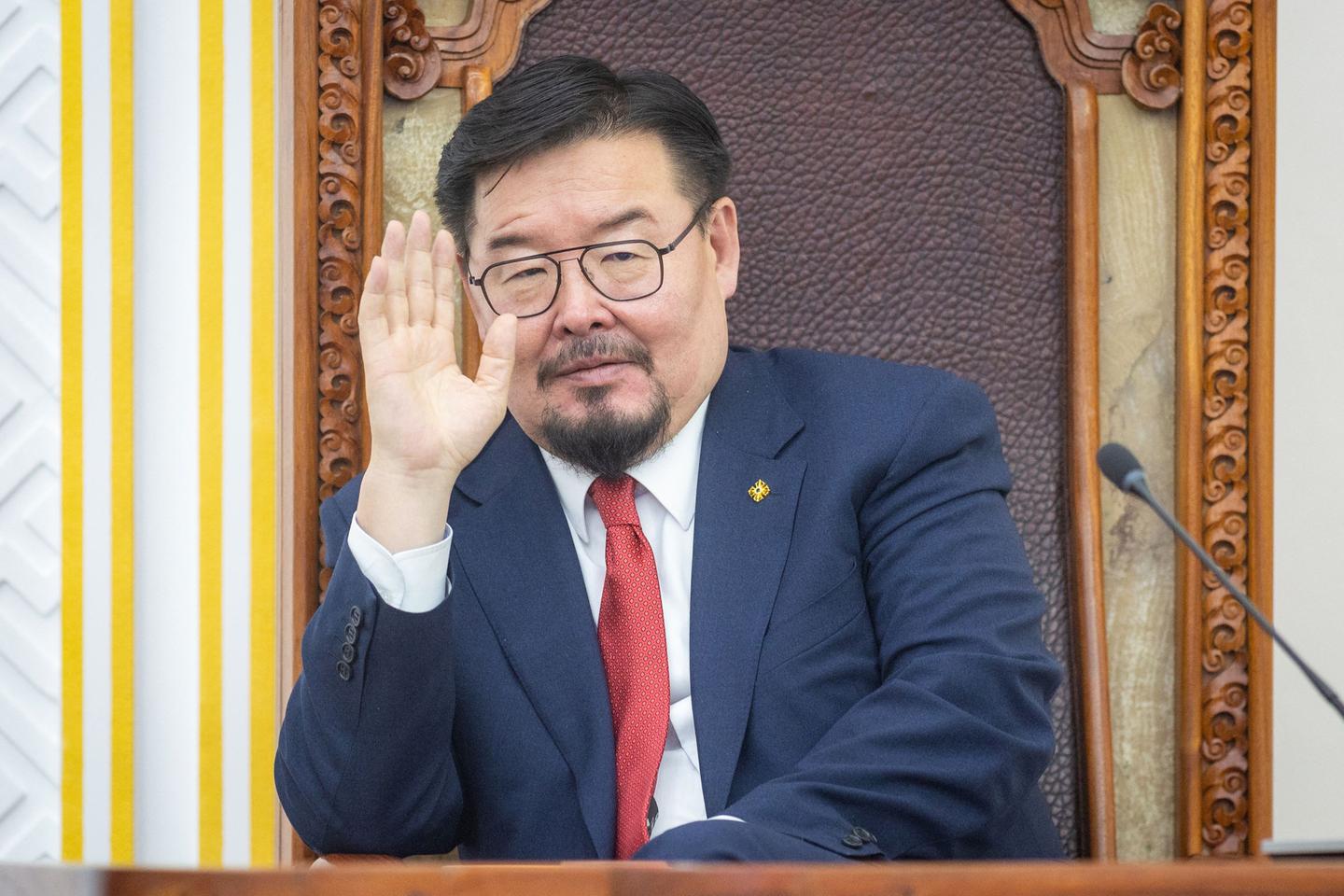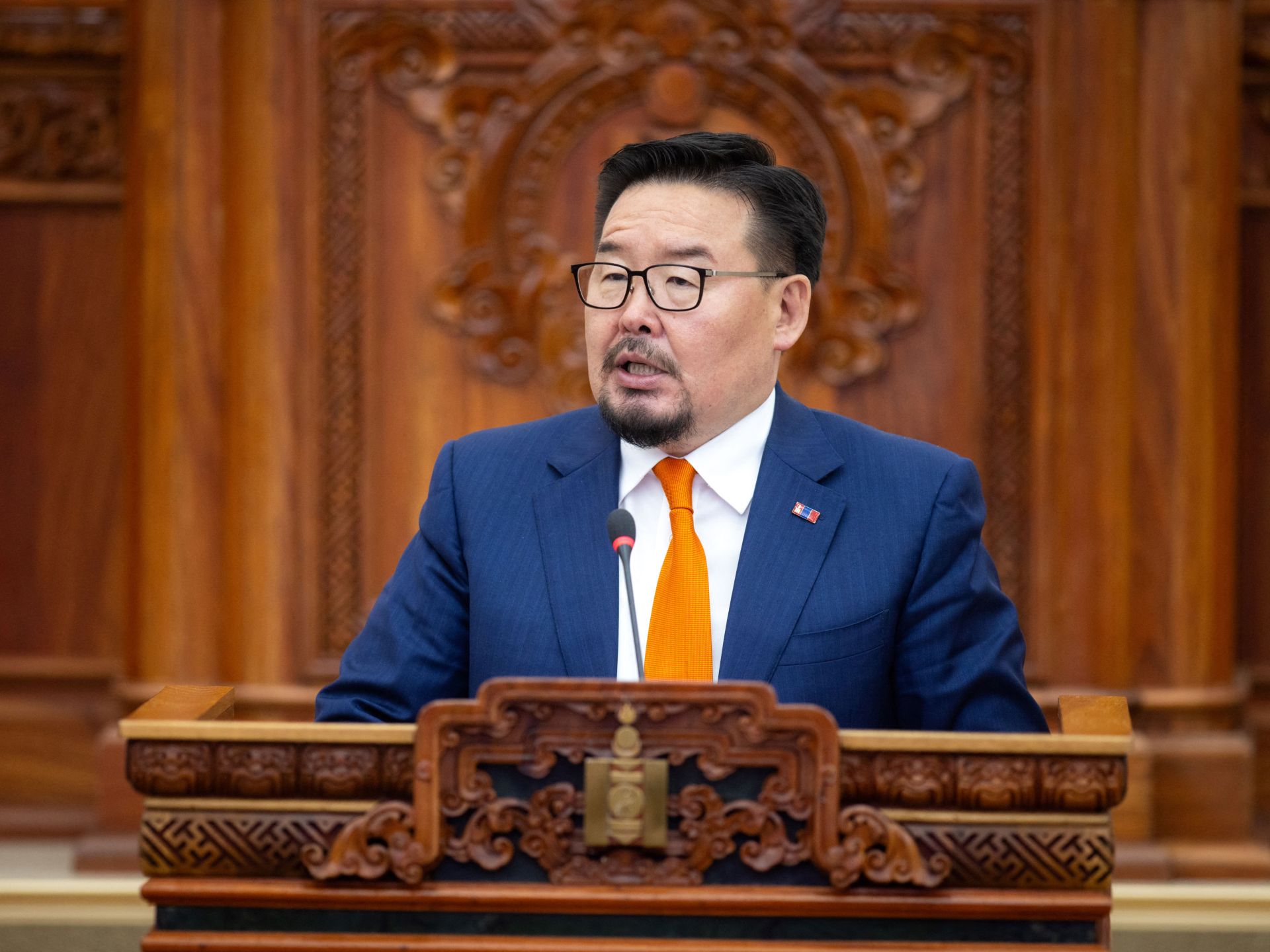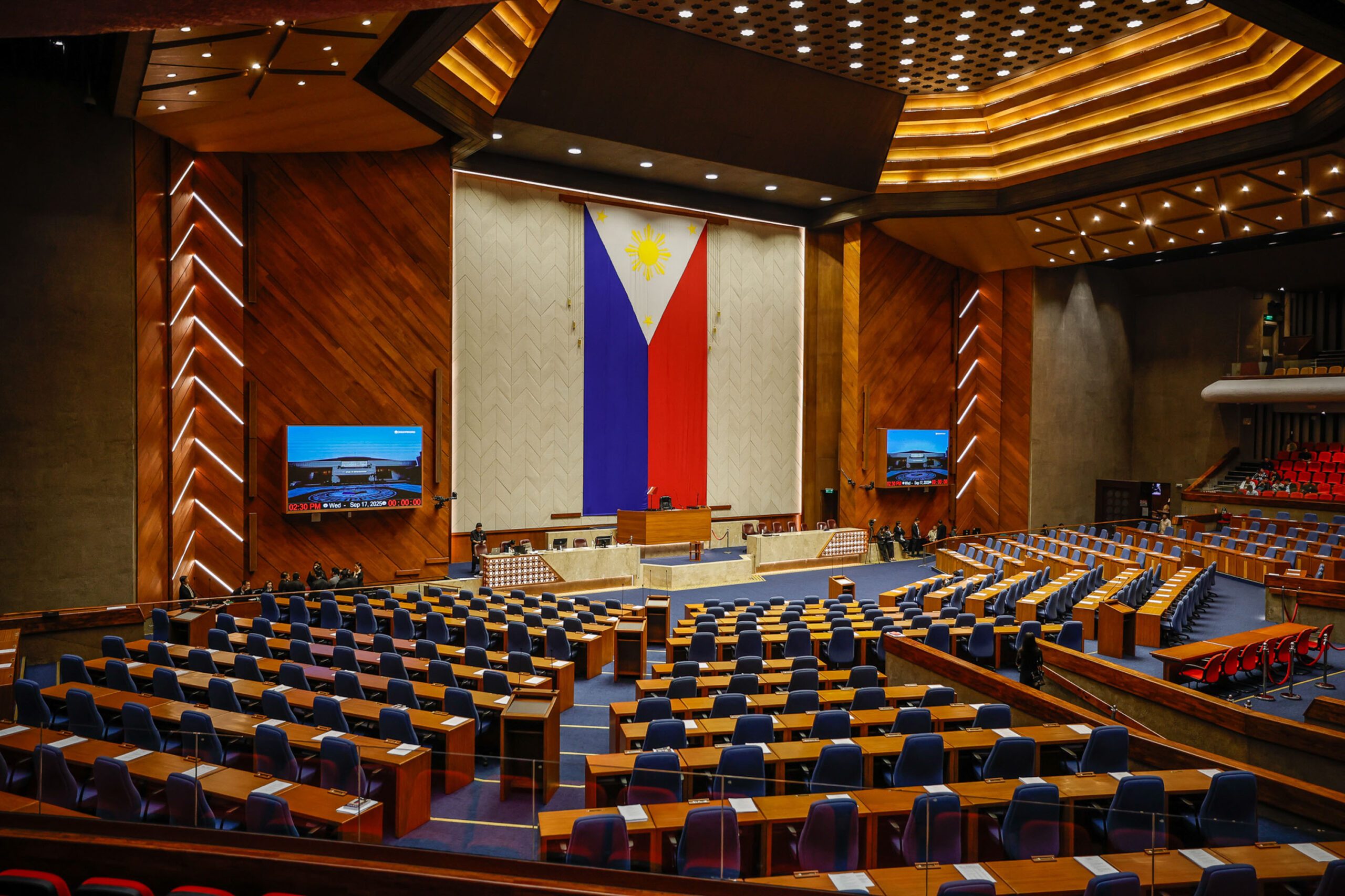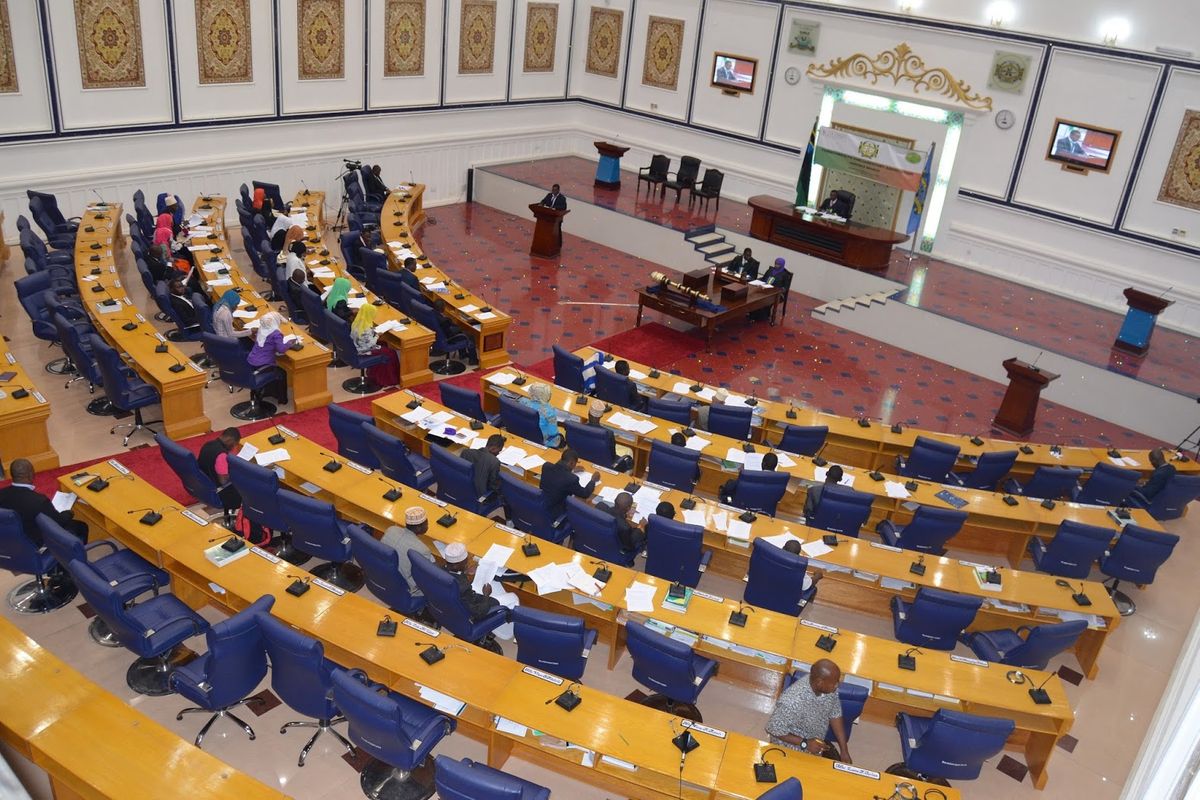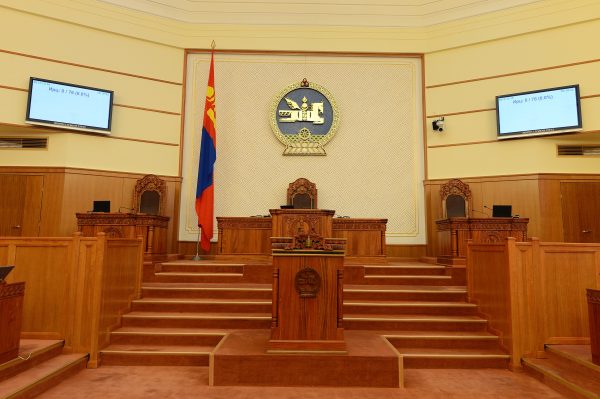
In April, the Mongolian parliament, the Great State Khural, passed President Khurelsukh Ukhnaa’s Bill to Rescind Parliament Members, which allows the incumbent president to probe members of parliament (MPs) on ethics and moral grounds as public government representatives. The bill sparked constitutional and governance debate among scholars and policy pundits concerning the balance of power and checks and balances of the Mongolian government. In principle and in practice, however, the bill shows potential for strengthening and filling in the legislative gaps of accountability.
Mongolia’s current governance model is categorized as a flawed democracy with a semi-presidential system. Mongolia’s president and the parliamentary members are directly elected by the people. While the Great State Khural is the main legislative body of the Mongolian government, the constitution also allows the president and the Cabinet to propose laws and legislation to the parliament.
Since 2019, Mongolia has been adjusting its governance model to strengthen accountability and representation for its citizens. That year, a Constitutional amendment limited the president to a single six-year term, without the option of seeking a second term. That was followed by the 2023 constitutional amendment, which enlarged Mongolia’s Parliament from 76 to 126 members. These structural changes aim to impact the balance of power, not only within political parties but also in terms of the government’s checks and balances.