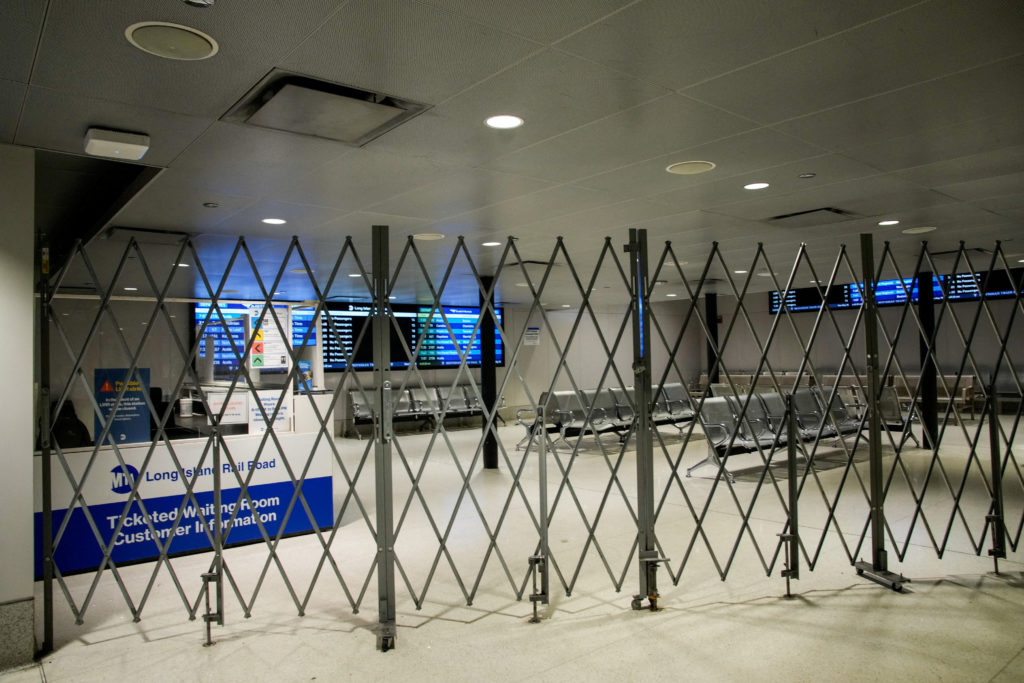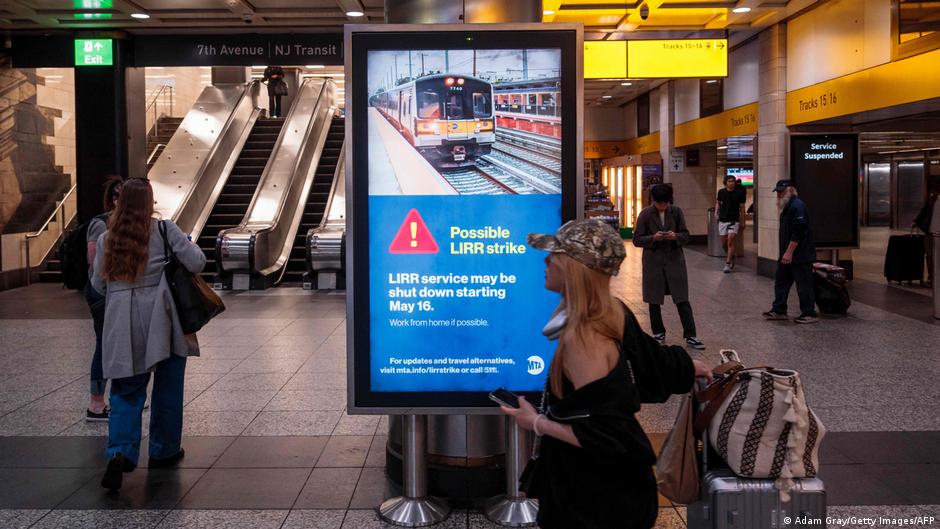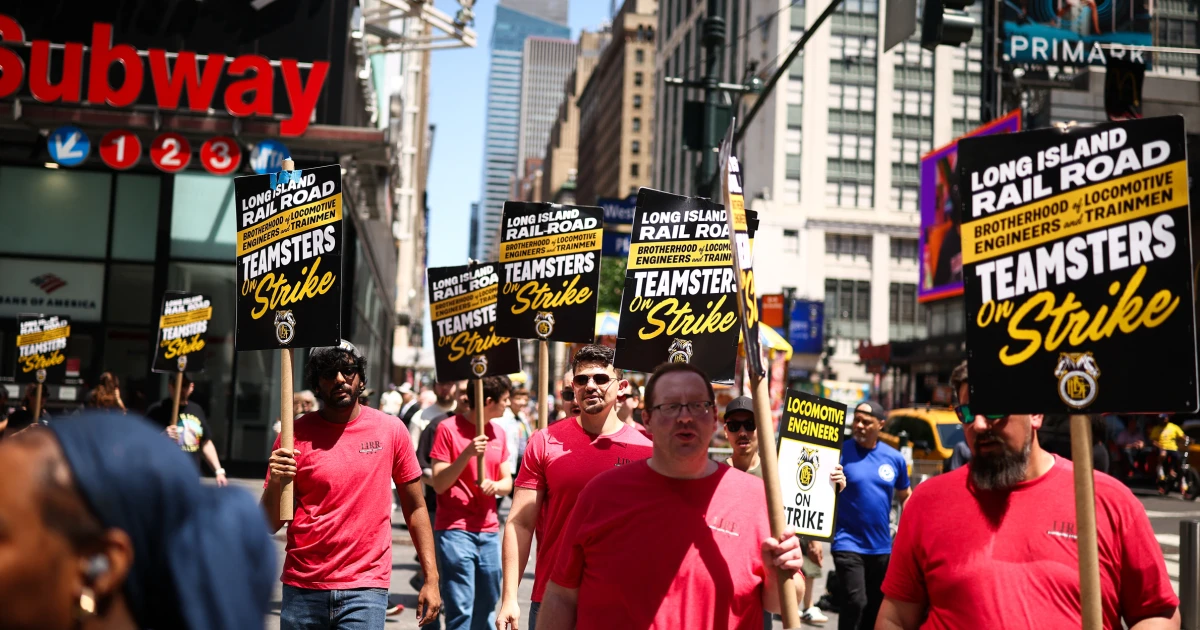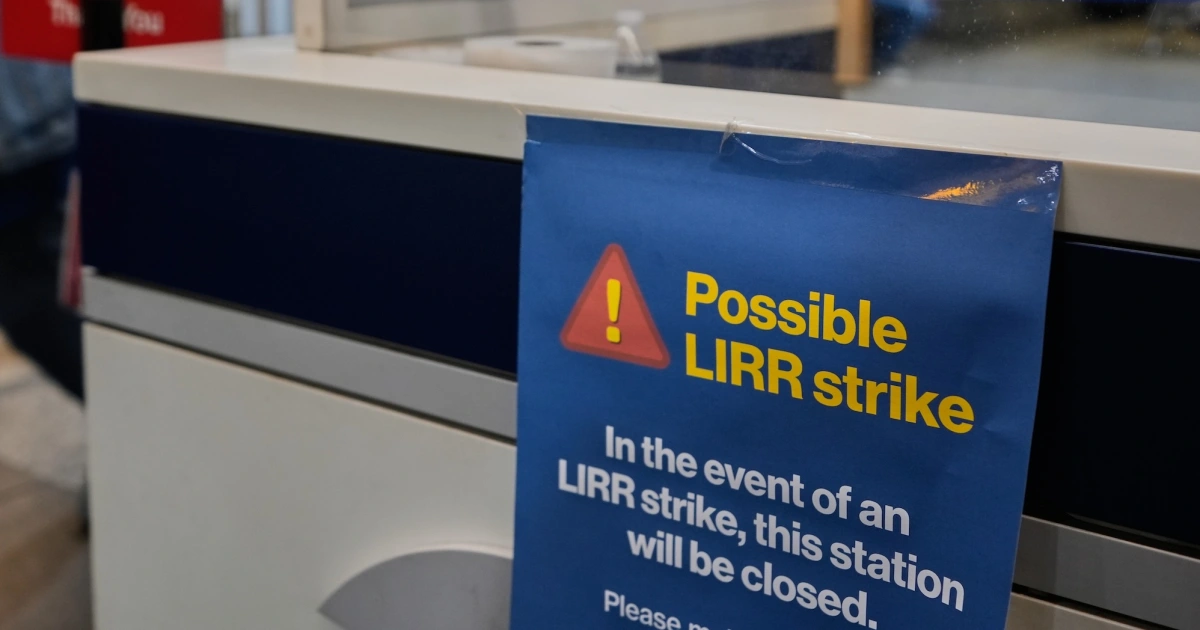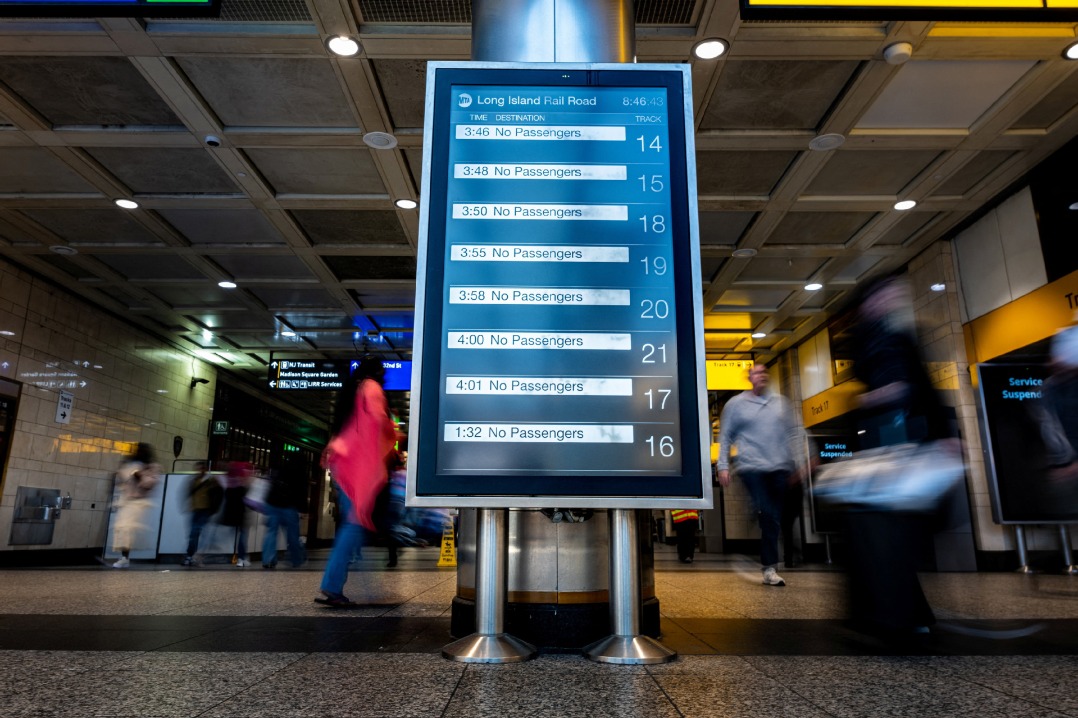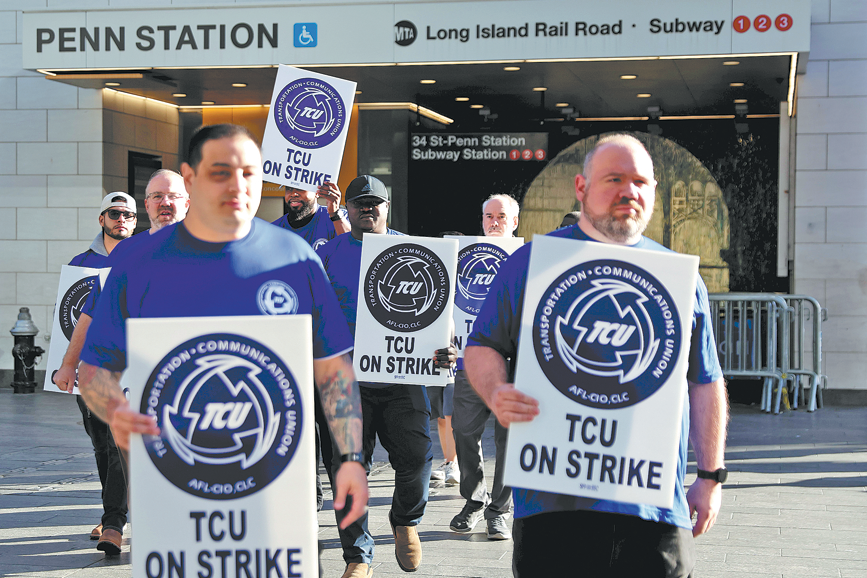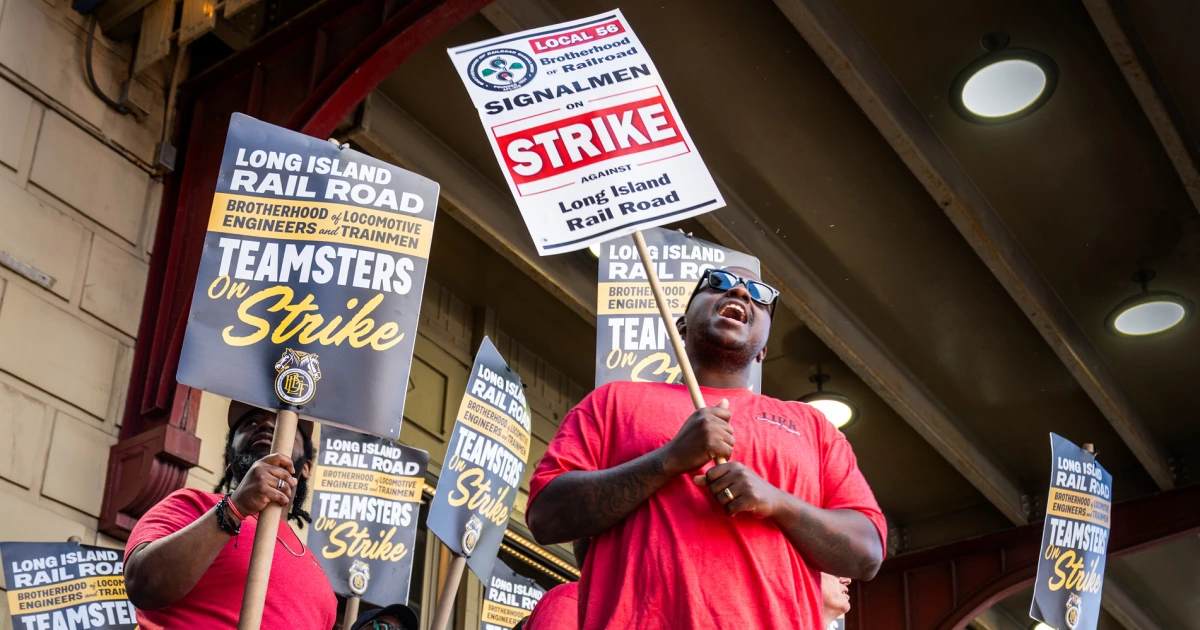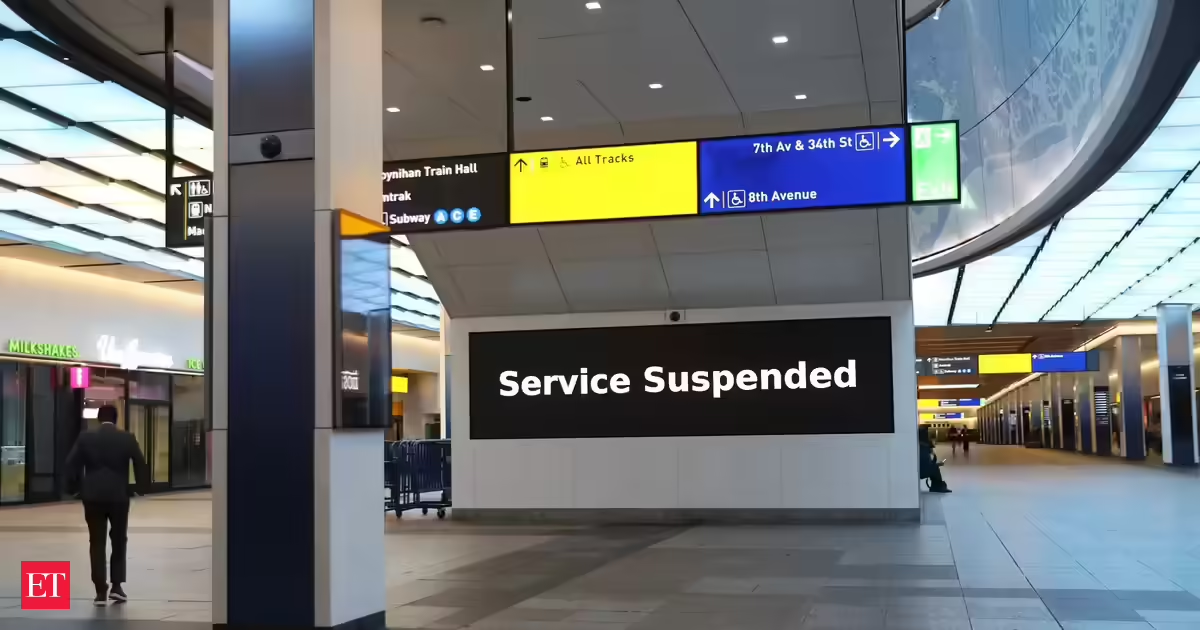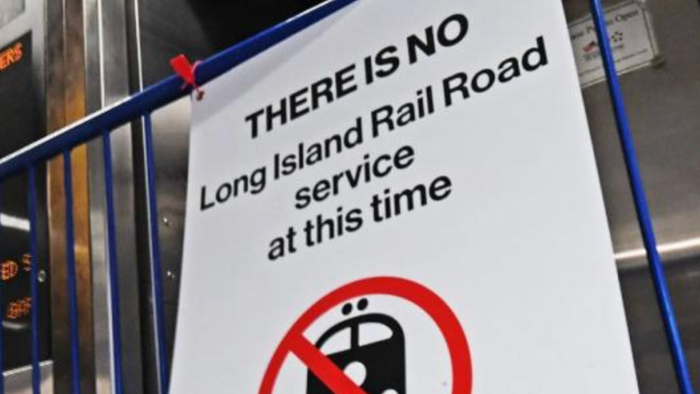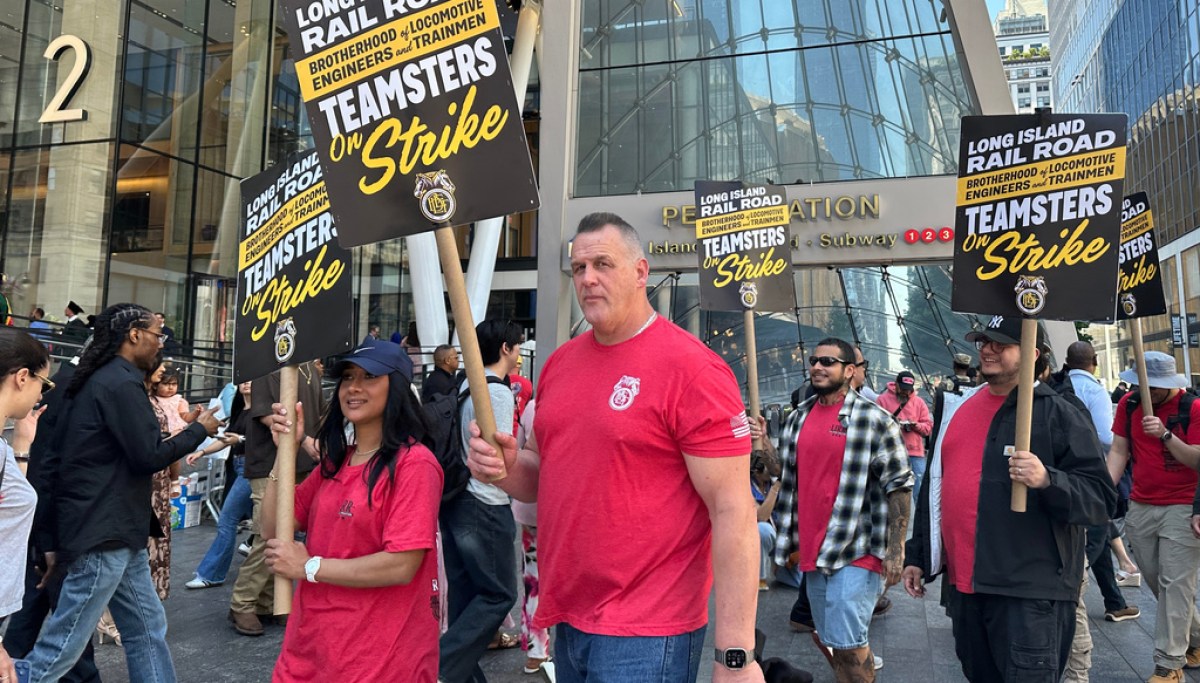
LIRR workers began picketing on Saturday after negotiations between their unions and the Metropolitan Transportation Authority reached an impasse. The strike caused all 11 branches of the LIRR to shut down, obfuscating the commutes of the railroad’s approximate 300,000 daily passengers on Monday morning. This is the first LIRR strike in over three decades.The commuters who take the LIRR largely either resorted to driving or busing into the city on Monday, making rush hour even more of a hassle on the roads. The MTA began an alternate bus service for the strike period, starting shuttle buses in Ronkonkoma, Bay Shore, and Hempstead, to take commuters to subway stations in Queens. Anyone east of those three bus stations had to find their own way to the stops.
Gov. Kathy Hochul (D-NY) encouraged New York City commuters to work from home during the strike.
“It’s impossible to fully replace LIRR service. So effective Monday, I’m asking that regular commuters who can work from home should. Please do so. And employers should make every accommodation necessary to allow for remote work,” Hochul said during a weekend press conference.
The MTA bus shuttles could only transport 13,000 of the 300,000 typical LIRR commuters on Monday, according to the New York Daily News. Janno Lieber, chairman of the MTA, told ABC 7 that most commuters seemed to heed Hochul’s work-from-home directive.