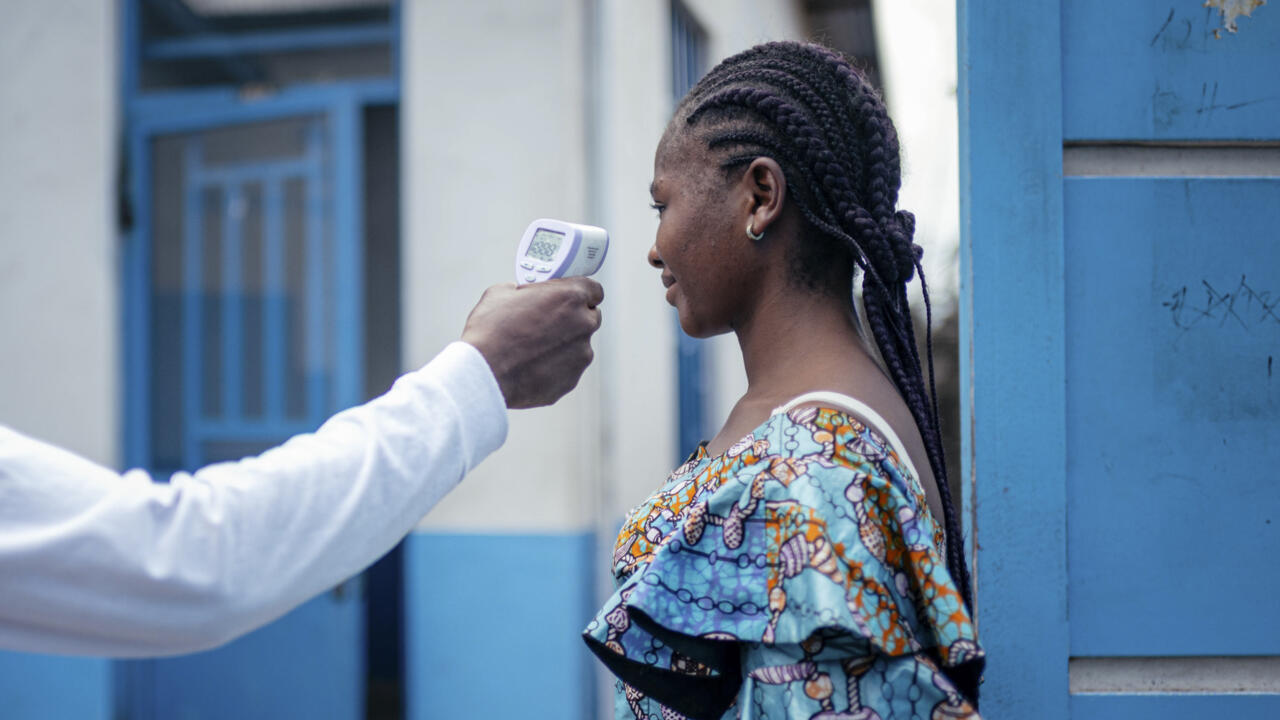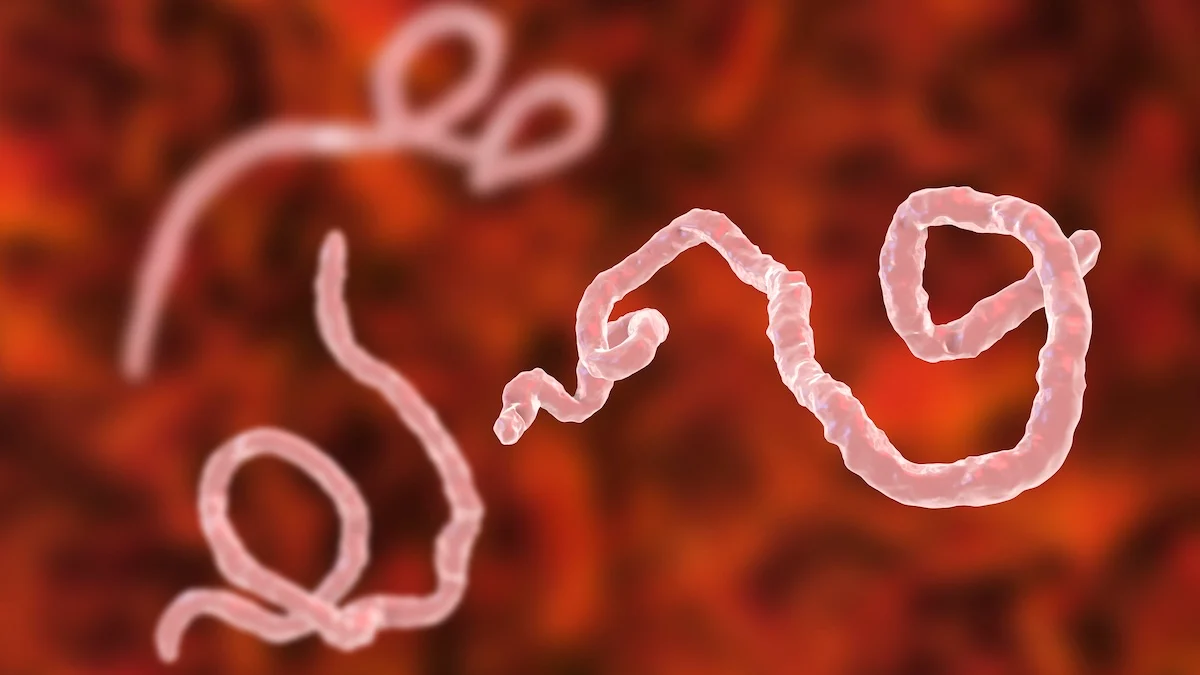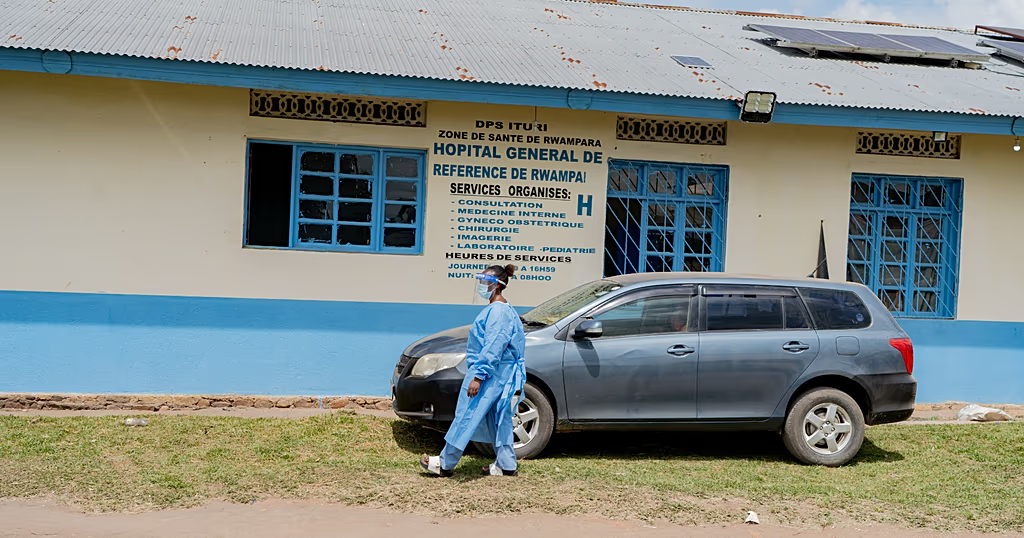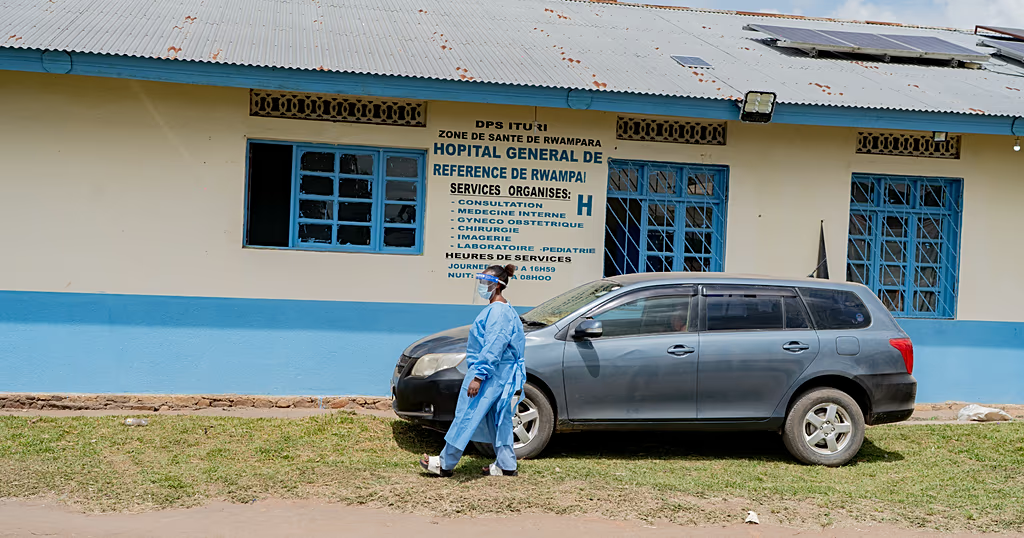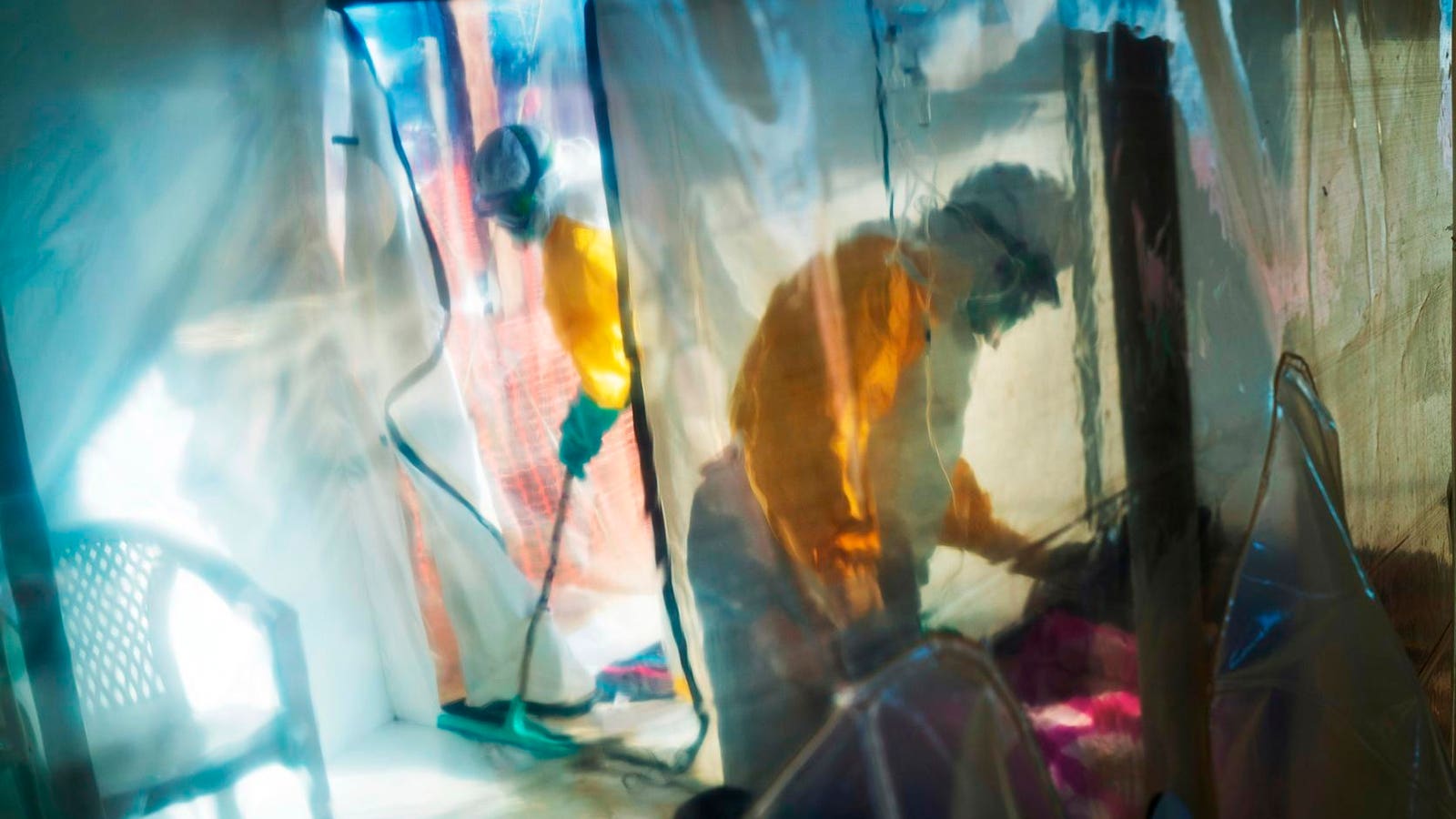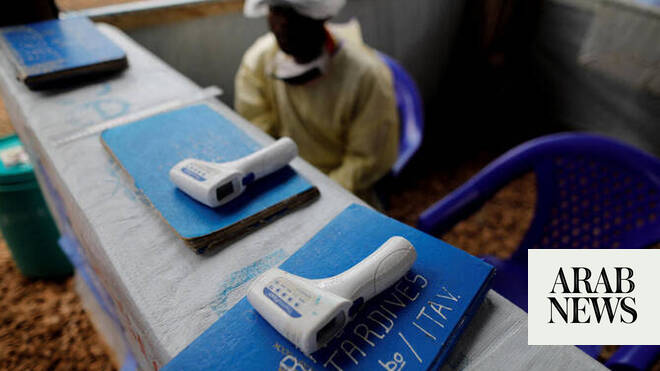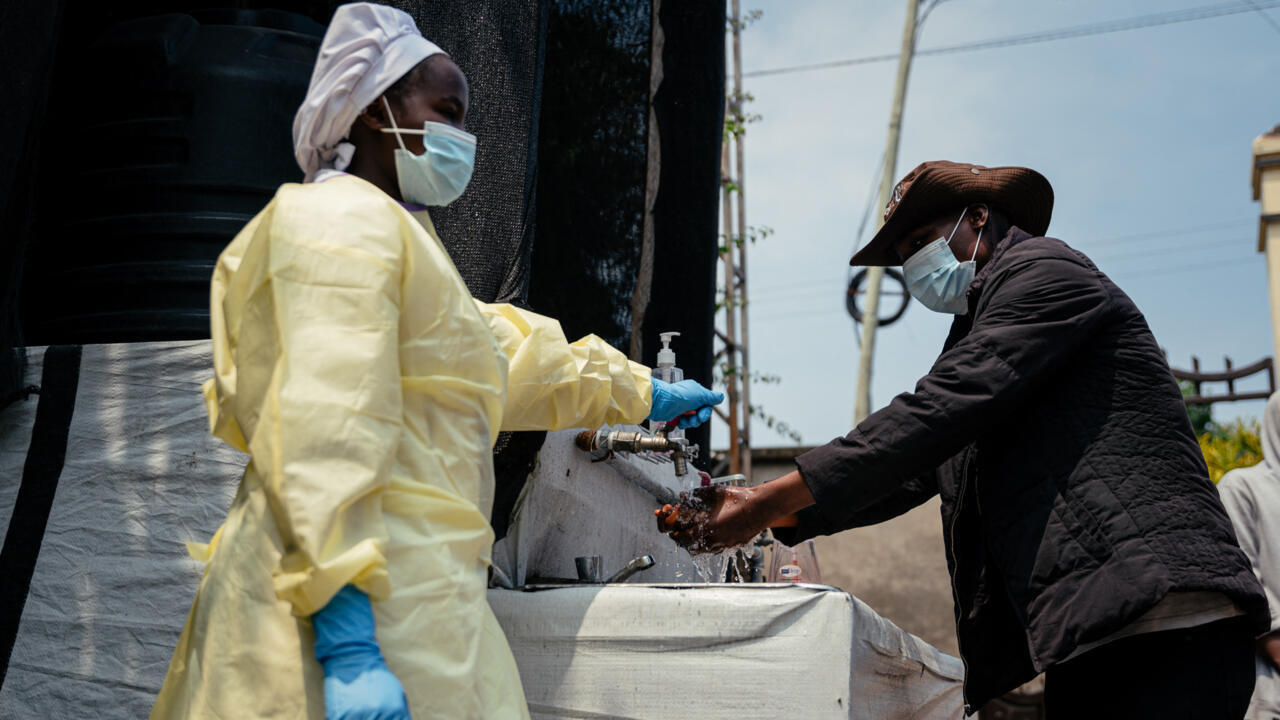
An Ebola outbreak in the Democratic Republic of Congo believed to have killed more than 90 people has been declared an international health emergency by the World Health Organization (WHO). There is no vaccine or specific treatment for the strain responsible for the current outbreak of the highly contagious haemorrhagic fever, which has killed more than 15,000 people in Africa in the last 50 years. How many people have died? Ninety-one reported deaths are suspected to have been caused by the current outbreak, according to the latest figures released on Sunday by Congolese Health Minister Samuel-Roger Kamba. Around 350 suspected cases have been reported. Most of those affected are aged between 20 and 39 and more than 60 percent are women.
To display this content from YouTube, you must enable advertisement tracking and audience measurement.
One of your browser extensions seems to be blocking the video player from loading. To watch this content, you may need to disable it on this site.
© France 24
Few samples have been tested in a laboratory to date, and the reports are based mainly on suspected cases. The centre of the outbreak is northeastern Ituri province, which borders Uganda and South Sudan. The gold-rich region sees intense daily population mobility linked to mining activities. Violence by several armed groups also plagues some parts of the province, making access difficult for security reasons. How far has it spread? The virus has already spread beyond both Ituri province and the DRC. A case has been reported in Goma, a major city in eastern DRC under the control of the Rwanda-backed AFC/M23 anti-governmental group since early last year. The city is the capital of North Kivu province and neighbours Ituri. A confirmed case and one death have also been recorded in Uganda, according to the Ugandan government. The cases involve two Congolese who had travelled from the DRC. No local outbreak cluster has been reported.