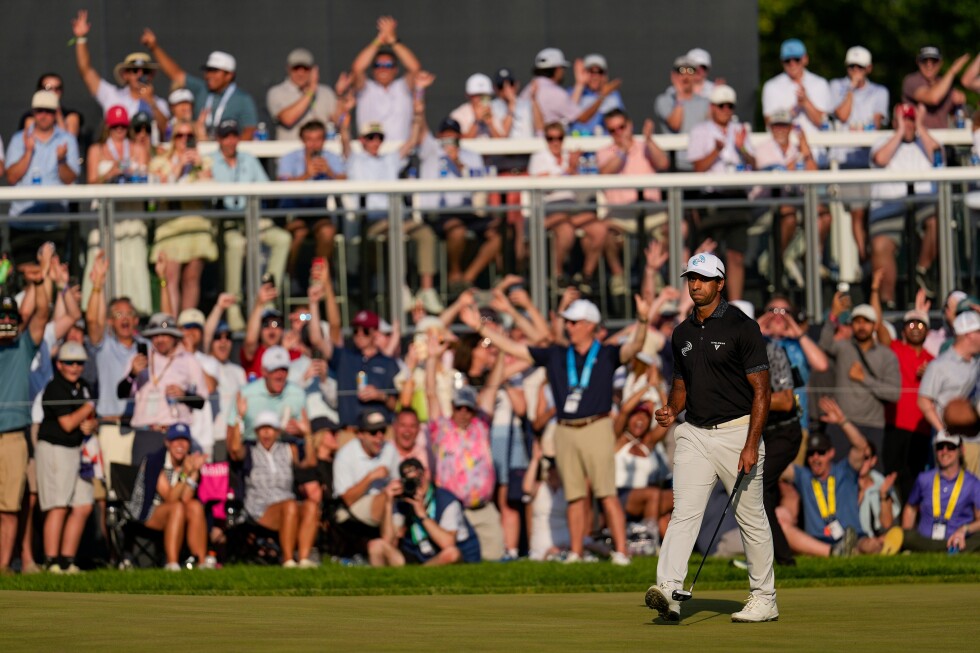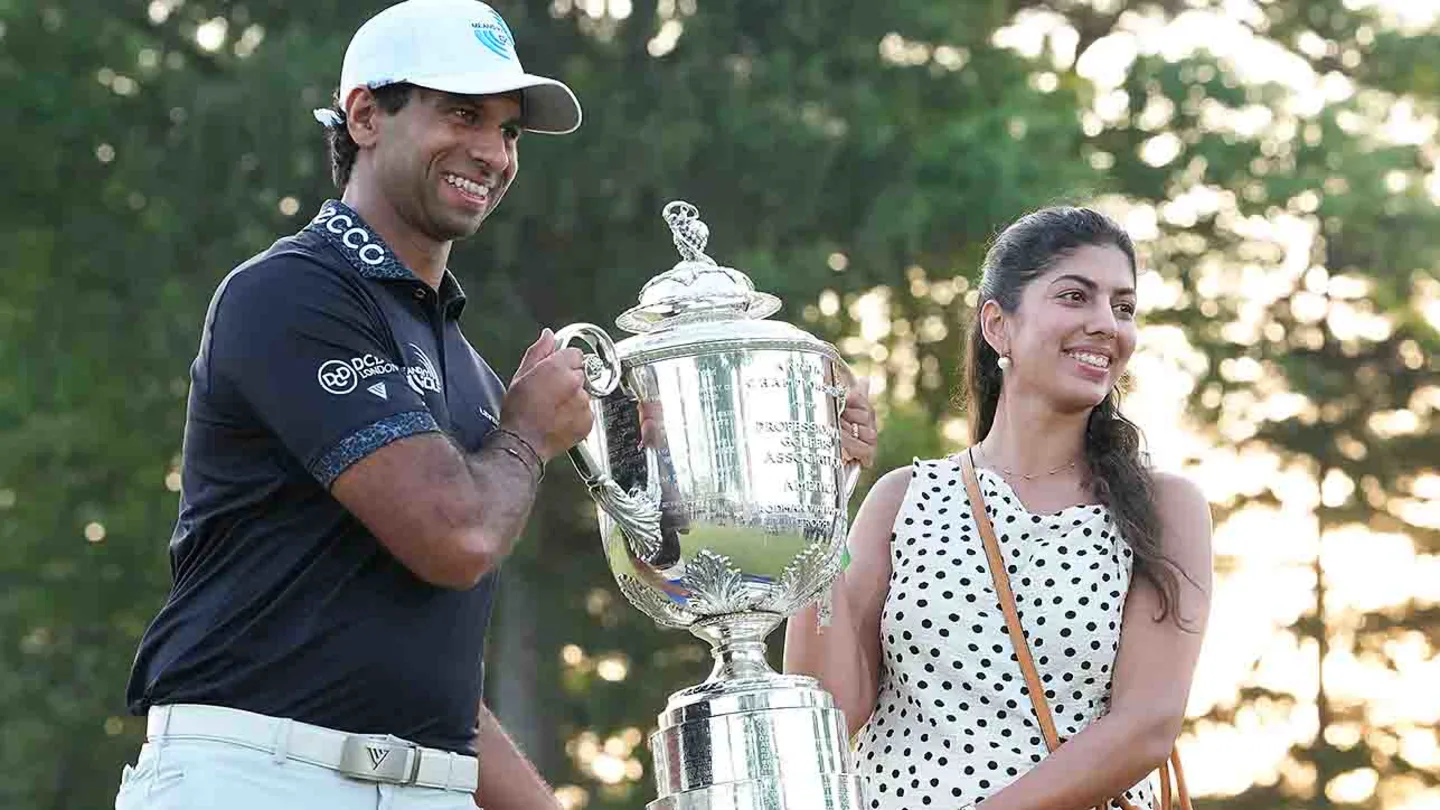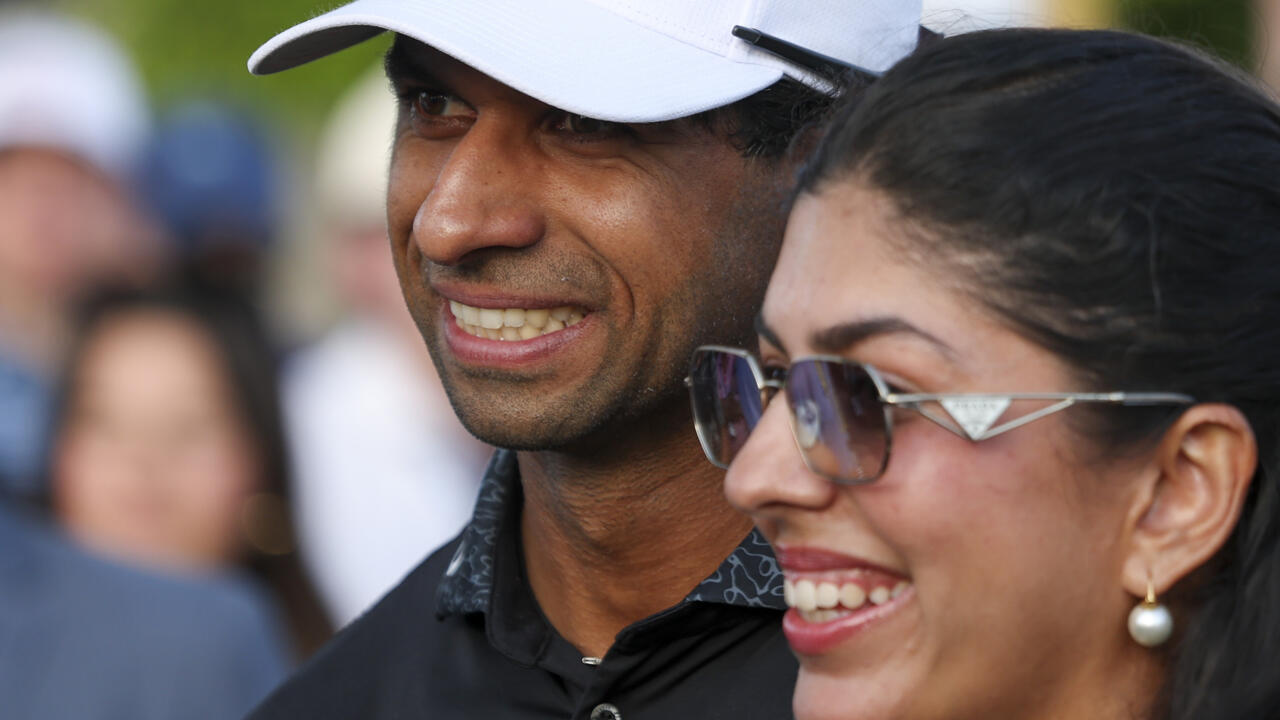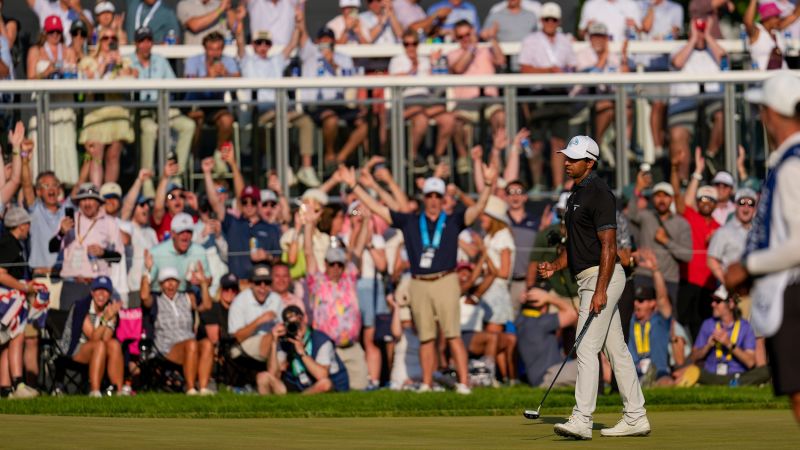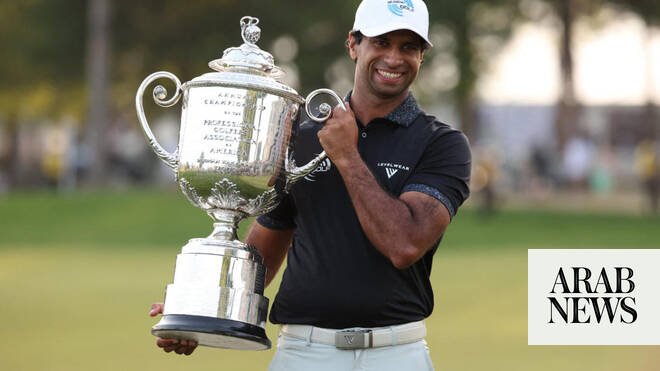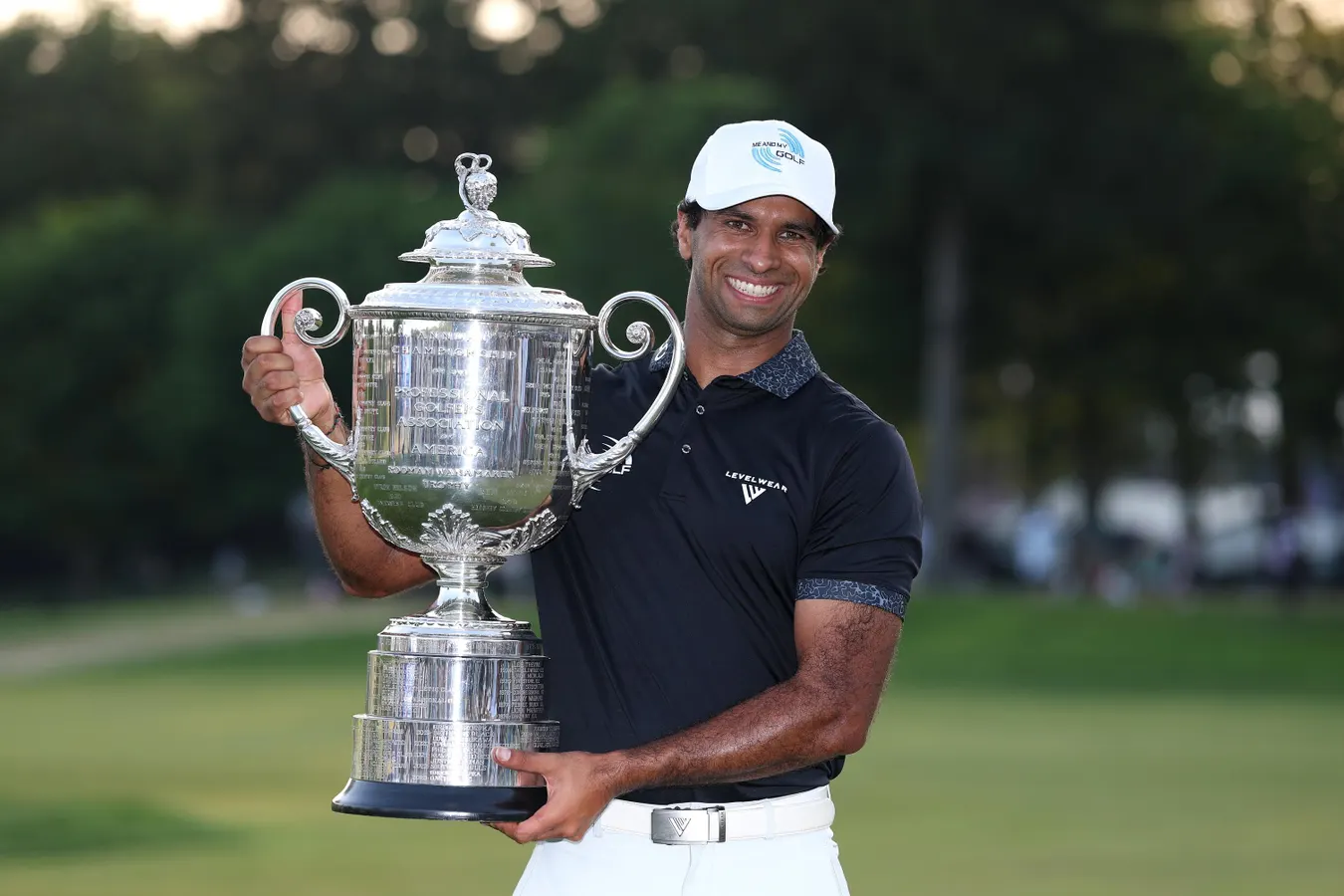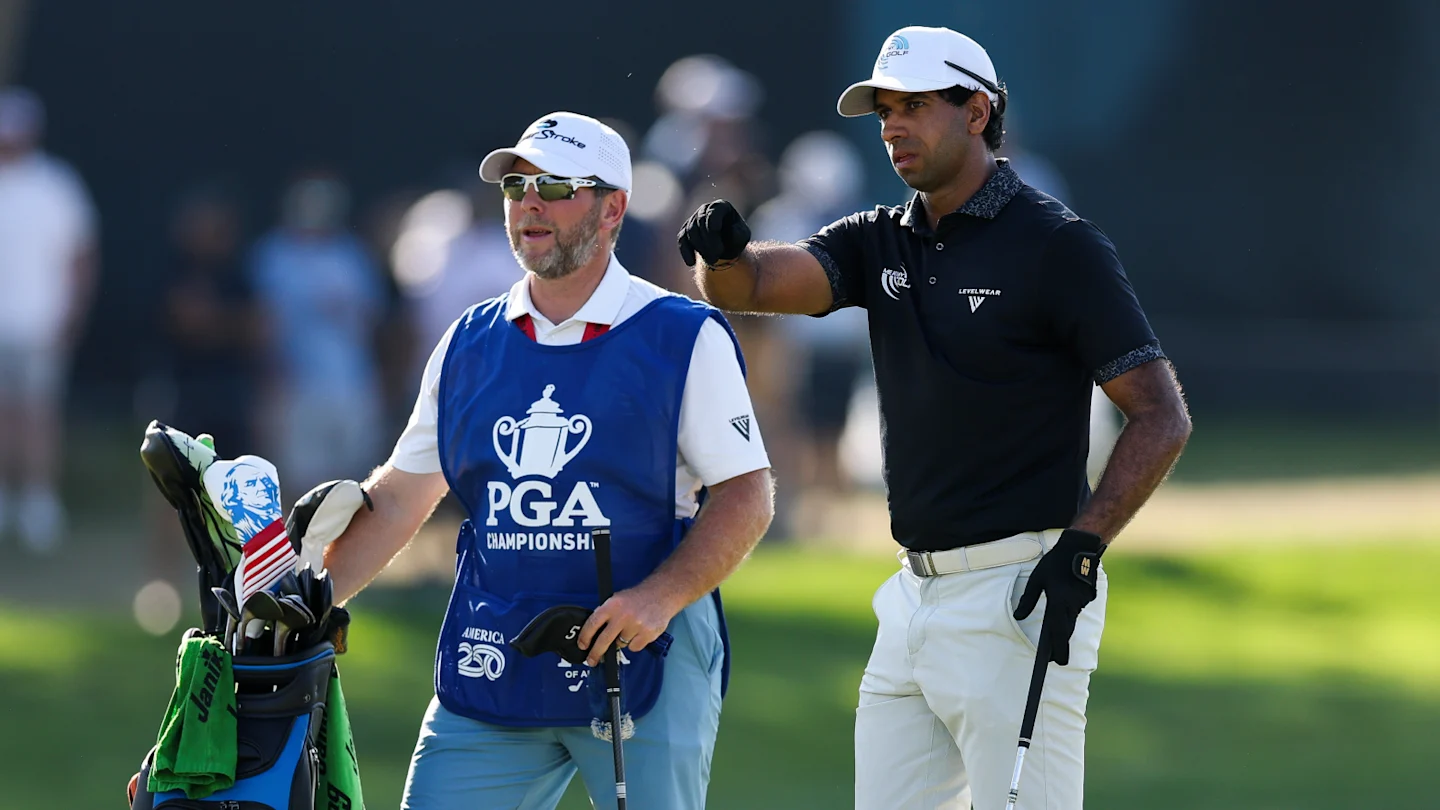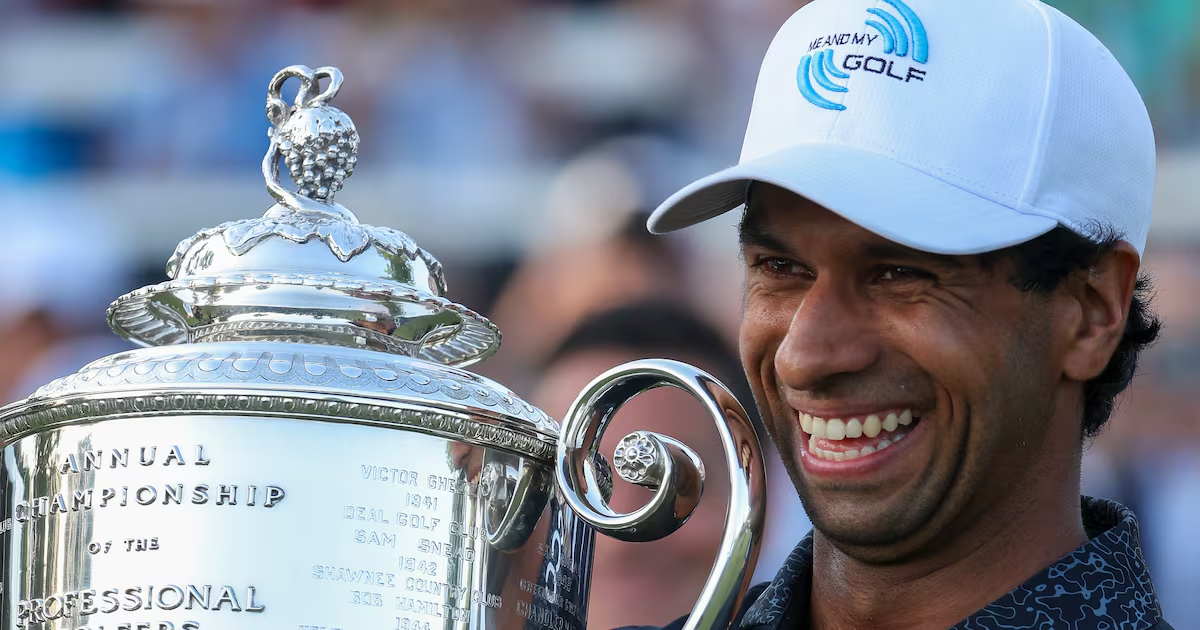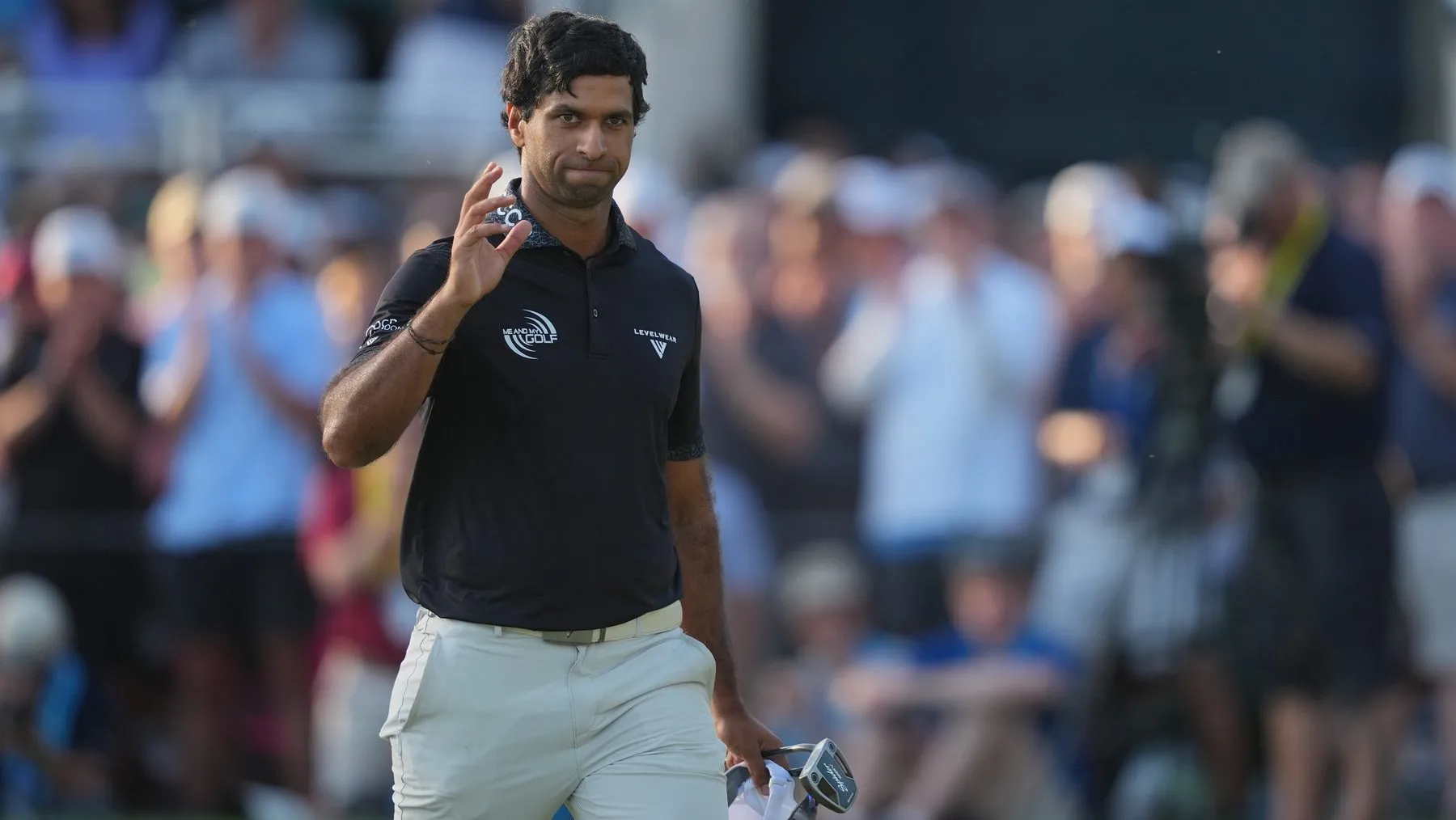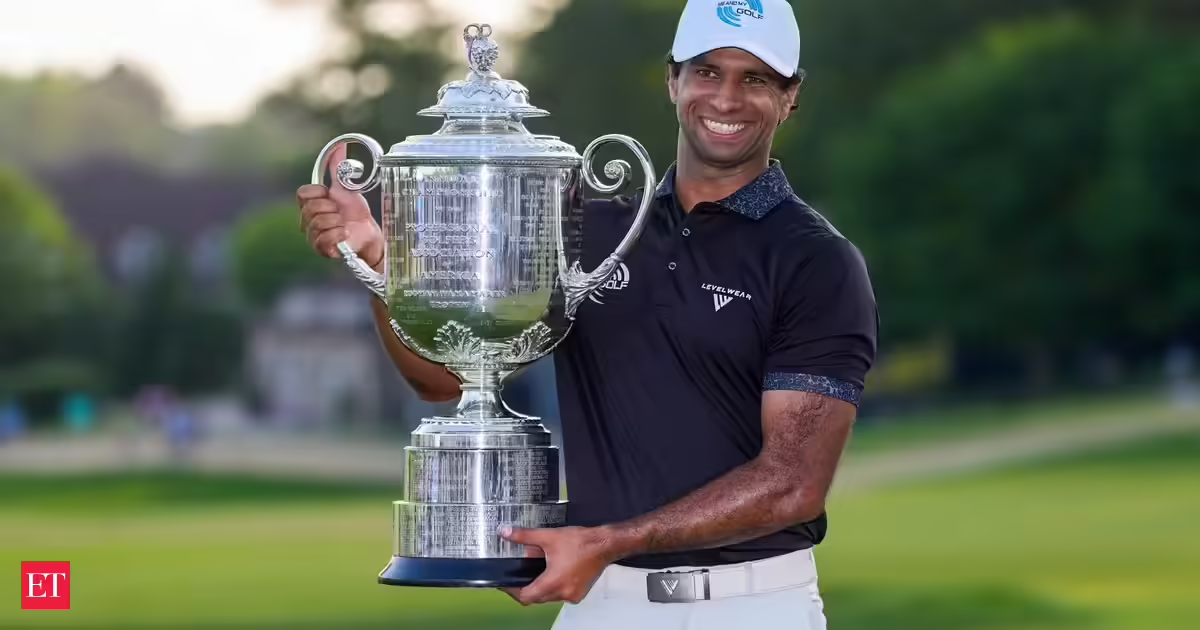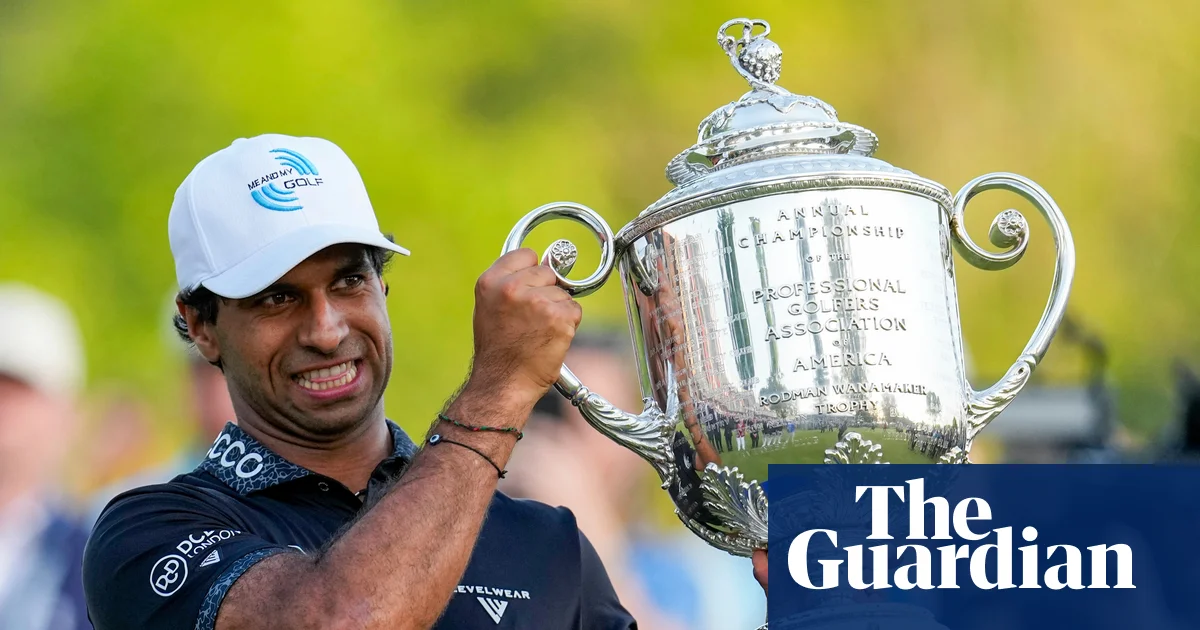
By the time Aaron Rai was walking to the 18th tee, 71 holes into the week, 17 holes into the round of his life, three shots clear, Rory McIlroy was already in the clubhouse doing the media rounds. “Looks like he’s going to win,” McIlroy said, as he glanced at Rai on one of the TV monitors dotted around, “which is great. You won’t find one person on property who’s not happy for him.” He was right. Or at least if there was anyone out there who felt differently, he wasn’t among any of the many men Rai had just beaten to win the Wanamaker Trophy.“There’s very few people that are nicer and kinder human beings than Aaron,” said Jon Rahm, three shots back. “He’s such a good dude,” said Xander Schauffele, five behind.Rai talks softly polished English with just enough of a Black Country twang that anyone familiar is able to place him as being born and raised in Wolverhampton. He and his wife, Gaurika Bishnoi, moved to Florida in 2024, but he had one of those upbringings that’s left him fiercely proud of where he is from, and what he owes. His father was born in England of Indian descent, his mother was Indian-Kenyan. “I’m very proud of representing all three,” he says “I don’t know what all that represents, or how it’s going to come across, all I can say is I’m very proud to be a mix of all of them.”The pride came from understanding the cost.The game came easily, but the life that you needed to live to play it didn’t. His father quit his job to support his son’s golf, his mother worked two jobs to support the family, and his sister started working when she was 14. “I can’t put into words how much they’ve done in terms of the support, in terms of the care, in terms of love, I wouldn’t be here without them at all.” To this day, Rai uses covers on his irons, because he learned early that they were so expensive he needed to take proper care of them.“Anybody that uses head covers in his irons because he coveted his irons when he was a kid so much that he wanted to respect the equipment so much, and still does it?” says Rahm, “that shows a lot about a person.”Rai doesn’t have an agent. He doesn’t do social media. His team includes his sponsor – who he says has been a “second father” and who paid for his sport, and his private schooling – two coaches who he’s known since he was a child, a physio, and his wife, who is a pro player herself, and who, he says, “beats me more times than I beat her” in their putting and chipping contests.Aaron Rai’s wife, Gaurika Bishnoi, was previously ranked as India’s No 1 female golfer. Photograph: Frank Franklin II/APRai is renowned as one of the hardest-working men on the Tour. “Rarely do you feel like people work way harder than you,” says Schauffele, “Aaron is always there. He’s always in the gym. He’s always on the range. He’s always – you know, at the Scottish Open, I’m staying right on site, and I thought it would be fun to go do a little putting with my caddie Austin. And Aaron was out there finishing up his little putting session at 9pm, then going to the gym at 9.45. That’s what being a major champion is all about. The work you put in when nobody’s looking.”“My dad really instilled the importance of work and dedication in me,” Rai says. “Golf in itself is an extremely humbling game. There’s so much hard work and discipline that goes into acquiring the skills to become better, but you also realise that nothing is ever given in this game at any point, whether it’s a tournament, whether it’s a practice round, whether it’s even away from a tournament week.”For years, it was just him and his dad out learning all this together.“We used to go on to the golf course and practise together, probably up until I was 13 or 14. I didn’t really mix with a lot of other junior golfers,” he says. His dad, who played competitive tennis, had his own ideas about how to get better. “Up until the age of around 12 years old, I used to play off basically a customised course length, which gradually got longer and longer every year,” he says. “I thought it was a great idea. My dad thought it was a great idea. But it naturally kind of kept me away from club golf, medal golf.”Rai was 14 before he played off of men’s tees, and it was only then that he really started playing club golf. While everyone else was out playing medal competitions, Rai was busy setting a Guinness World Record for making the most consecutive putts from 10ft, 207 of them altogether. “Then within two or three years of that, I turned professional.”He has improved year on year since. He won in Kenya, and then on the Costa del Sol, then it was Hong Kong, the Scottish Open, and the Abu Dhabi Championship. Now it’s the PGA Championship, which will always be his crowning achievement, whatever comes next.He is the nice guy who finished first.
The nice guy who finished first: why all of golf was glad to see Aaron Rai lift US PGA Championship
Hard work, respect and family values made Englishman such a popular winner of the Wanamaker Trophy among his peers
886 words~4 min read