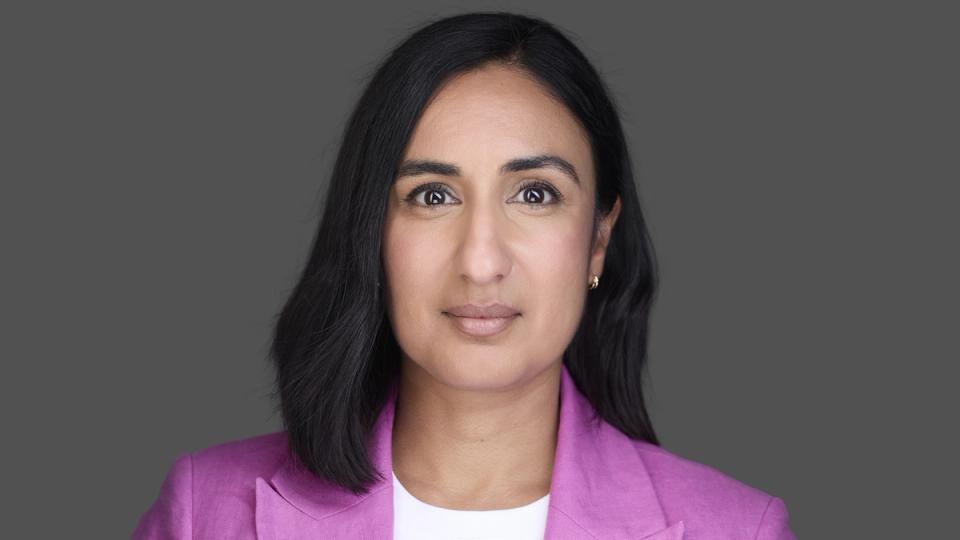
Crypto security is turning into an AI arms race as agents may overwhelm compliance teamsAI agents and automated payments could reach a scale that crypto monitoring systems built for human-paced markets cannot handle, Elliptic CEO Simone Maini warned. May 18, 2026, 7:13 a.m. 2 min readMake preferred on Crypto's next security problem may not be bigger hacks, but financial activity driven by artificial intelligence (AI) happening at a scale compliance teams can't keep up with.That shift is forcing crypto security firms to rethink how compliance works in an increasingly automated financial system, said Simone Maini, CEO of blockchain analytics firm Elliptic."When you think about agentic commerce, we’re thinking about the sheer volume of transactions and events that need to be monitored as growing exponentially," she told CoinDesk in an interview.The problem, she said, is that today’s compliance systems still rely heavily on manual review. Analysts investigate alerts, trace wallets and flag suspicious activity. That model starts breaking down once financial activity starts happening continuously and at machine speed."There simply aren’t enough compliance analysts specializing in digital assets in the world to be able to keep up with these volumes," Maini said.This matters for crypto because stablecoins, tokenized assets and AI-driven payments are increasingly seen as the next growth areas for the industry, while traditional finance push deeper into digital assets. As more banks and asset managers move onchain, compliance and monitoring systems will also need to scale alongside them.The AI arms race in crypto securityEarlier this week, Elliptic raised $120 million backed by investors including Nasdaq and Deutsche Bank to build what Maini described as "agentic" compliance system: AI-driven tools designed to automate transaction monitoring and investigations that today overwhelm compliance teams."As transaction volume is growing, cost per alert handling, cost per investigation is falling," she said. "For us, what we’re essentially doing for our customers is inverting that cost curve in compliance."At the same time, the same AI tools helping compliance teams are also making attacks cheaper and easier to scale."AI can equip the bad actors with the ability to perform hacks, scams at a scale that they couldn’t do when they were reliant on writers," Maini said.That dynamic is turning crypto security into an increasingly automated arms race. As attackers use AI to lower the cost of phishing, exploits and fraud campaigns, security firms are deploying their own models to identify illicit activity faster and across larger datasets.For Elliptic, that includes using AI agents internally to collect blockchain intelligence, attribute wallets and detect suspicious patterns in real time.Despite a recent wave of high-profile hacks, Maini said the industry has made more progress than many outsiders realize.She argued that monitoring tools have matured significantly over the past decade, especially given the growth in transaction volume and the expansion into stablecoins, decentralized finance and tokenized assets."The Pandora’s box is open when it comes to the institutionalization of digital assets," she said. "That much is clear."More For YouThe bank said accelerating advances in quantum computing are compressing the timeline for risks to crypto and broader internet infrastructure, with Bitcoin seen as particularly exposed.What to know: Citi said Friday that quantum breakthroughs are arriving faster than expected, raising risks for crypto security systems. The bank sees Bitcoin as more vulnerable because of its slower governance and upgrade process. Ethereum and other proof-of-stake networks may adapt faster, though they face their own quantum-related risks.Read full story
Crypto security is turning into an AI arms race, Elliptic CEO warns
AI agents and automated payments could reach a scale that crypto monitoring systems built for human-paced markets cannot handle, Elliptic CEO Simone Maini warned.
563 words~3 min read