Monday 18 May 2026 2:13 pm
| Updated:
Monday 18 May 2026 2:30 pm
The tube strikes were due to cause widespread disruption in the capital
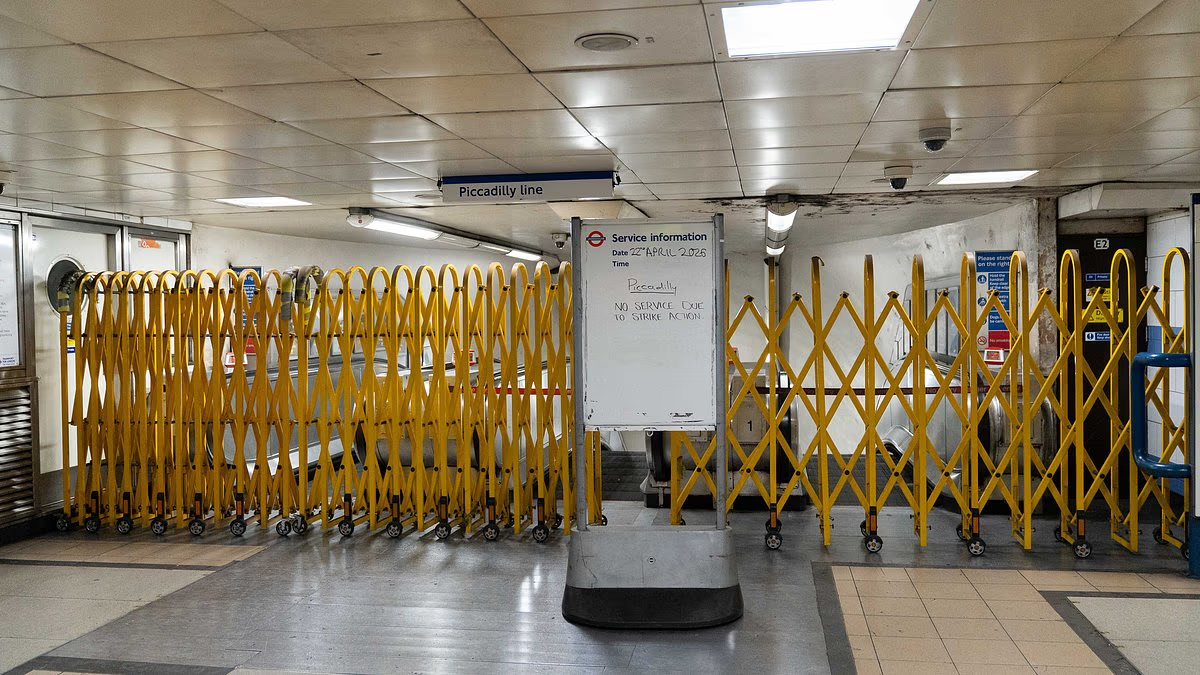
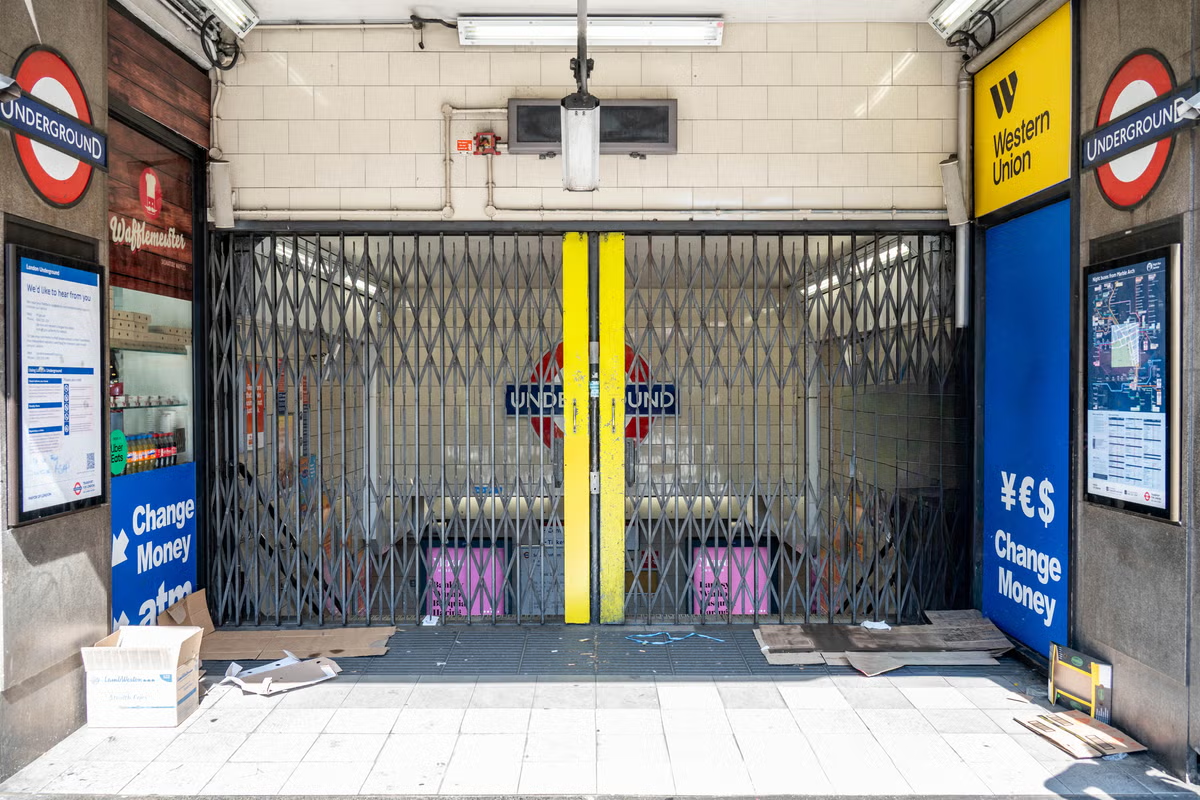
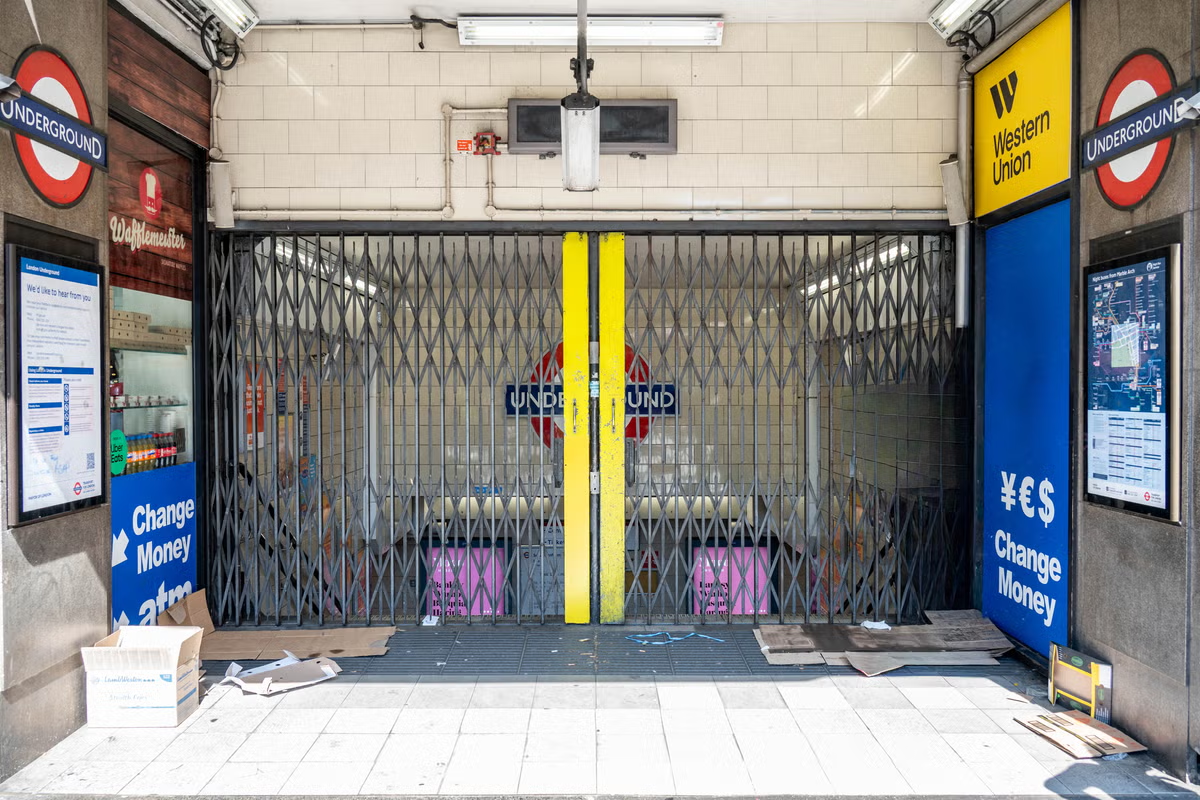
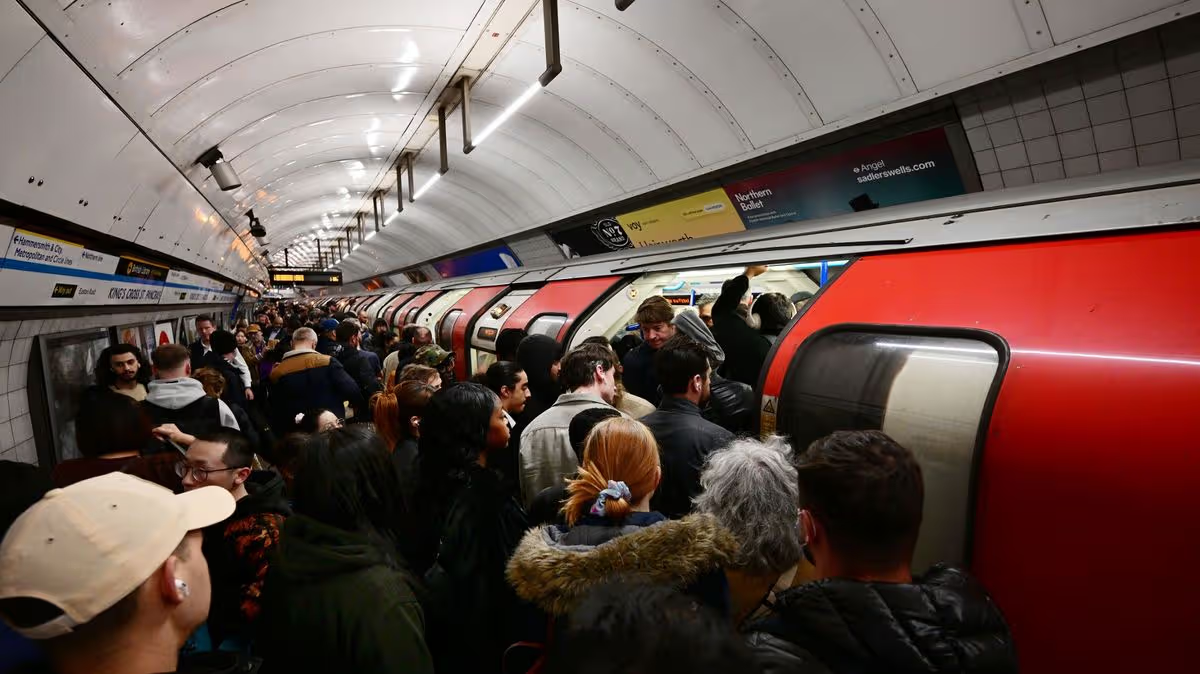
This week’s round of London tube strikes have been called off in a last-ditch reversal by the drivers’ union. The strikes were due to cover two 24-hour periods later this Week, from 12pm on Tuesday and 12pm on Thursday.The industrial action was called by the Rail, Maritime and Transport (RMT) union over Transport for London’s proposals for a four-day week. Aslef, the other union which represents some tube drivers, had accepted these proposals and was not due to strike.This union had criticised RMT’s decision to walk out, dubbing the action “the first strike in the history of the trade union movement designed to stop people having a shorter working week and more time off”.‘This dispute is not over’Aslef said the four-day compressed week, which is voluntary for tube drivers, gives workers an extra 35 days off per year “in return for some fairly minor changes to working conditions”.An RMT spokesperson said on Monday: “At the 11th hour the employer has shifted its position allowing us to further explore our members concerns around the imposition of new rosters, fatigue and safety issues.“The dispute is not over and more strike action will follow if we fail to make sufficient progress.”Before announcing the U-turn, the union had accused TfL of not making “any attempt to engage in negotiation meetings to resolve this dispute”.London Underground was “pushing implementation plans through a forum that excludes senior managers and union officials,” RMT had said.Strikes to go ahead next monthBusiness leaders in the capital had been bracing for widespread disruption from the strike action.Ed Richardson, director for transport at BusinessLDN, had said: “These strikes will once again make it harder for Londoners and visitors to get around the city.“The disruption will impact London’s reputation as a place to invest, visit and do business at a time when firms are already faced with the impacts of the Iran war overseas and political instability at home.”During the last round of strikes, in April, London’s hospitality sector saw an average 18 per cent drop in revenue. Pubs suffered even more, with sales falling by 46 per cent compared to non-strike averages.RMT had already called off strikes scheduled for June 16 and 18, but the union announced new 24-hour strike dates of June 2 and 4 if the dispute remains unresolved.