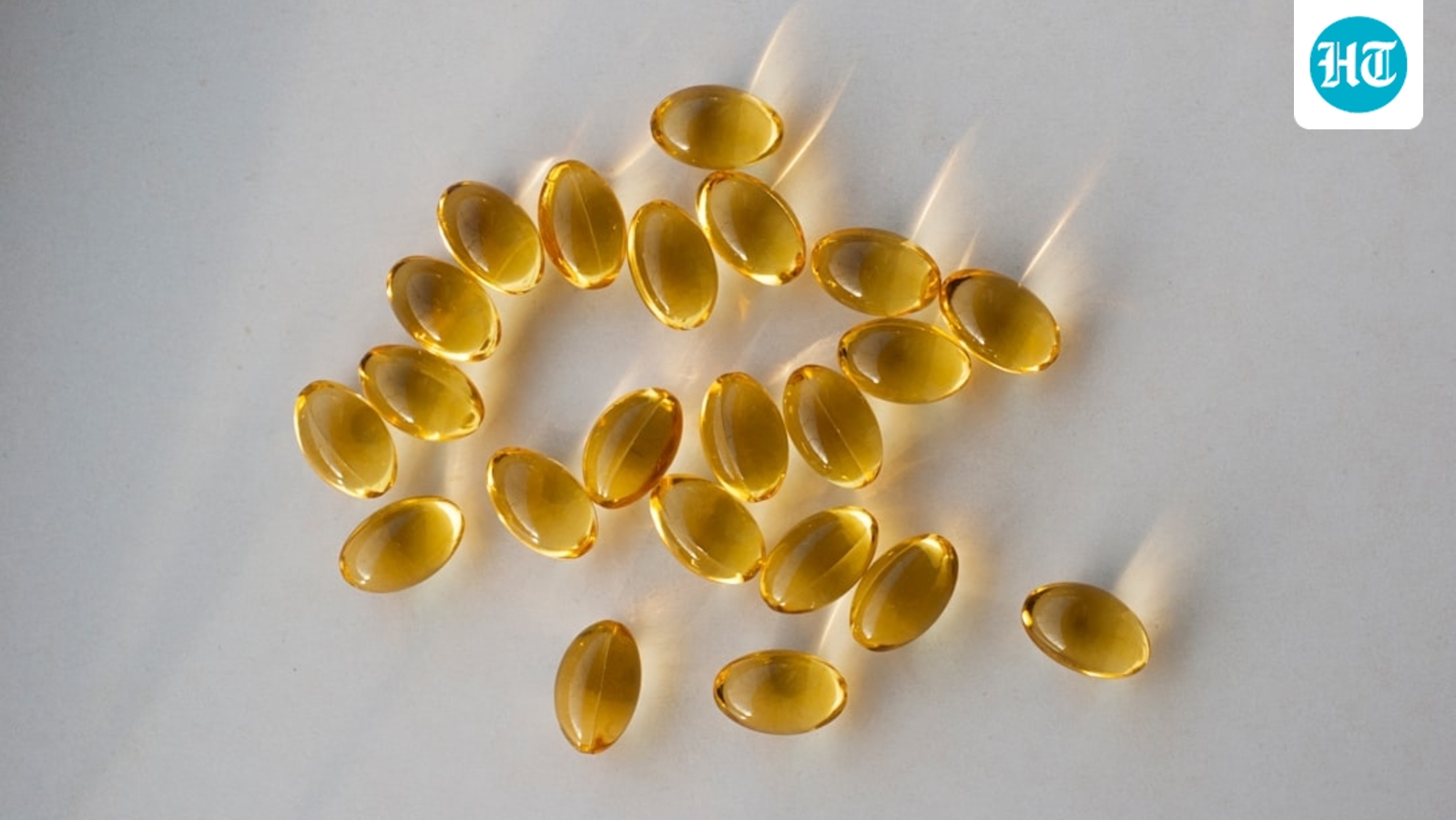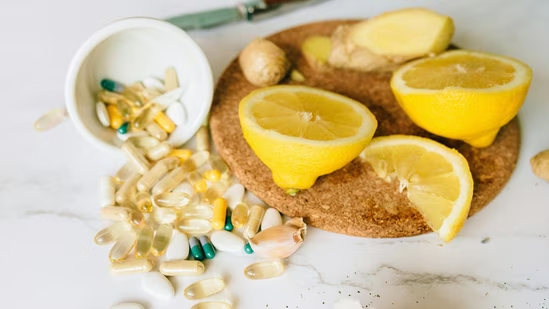
Dr Sehrawat explains why vitamins are important for our health, and how and when we should take them to prevent deficiency symptoms. Eating healthy involves taking both macro and micronutrients that are required by the body. And one of the most important elements of the latter group is vitamins. They are required in small amounts to help the body grow, heal, and function well.Vitamins are necessary micronutrients that can be taken either from whole foods or supplements. (Pexel)Also Read | UK surgeon shares 6-step cheatsheet to have fewer cravings throughout the day; explains why sparkling water helpsThere are various types of vitamins that the body needs, and often one or more of them are found to be lacking in the daily diet. This has led to the popularity of vitamin supplements. However, not many of us are aware of how exactly vitamins work and how best to consume the supplements. Taking to Instagram on May 17, Dr Priyanka Sehrawat, neurologist and general physician based in Gurugram, Haryana, answered these questions.Types of vitaminsVitamins can be broadly classified into two types, water-soluble and fat-soluble, shared Dr Sehrawat.Water-soluble vitamins include vitamins B1, B2, B3, B6, B9, B12 and C. They are best absorbed on an empty stomach, and can be taken 30 minutes to one hour after breakfast. They do not need fat to get absorbed. However, tea, coffee, antacids, metformin, and gut issues can decrease the absorption.Fat-soluble vitamins include vitamins A, D, E and K. They require food containing fat (or milk) for better absorption, and can be consumed with or just after meals. According to Dr Sehrawat, vitamin D powders are best absorbed when dissolved in milk.Best ways to take vitamins and mineralsDr Sehrawat shared the following pointers for the consumption of vitamins to get better results.Have a balanced dietTake vitamin D with foodTake iron with vitamin C (lemonade)Avoid tea/coffee/smoking while having vitamins, as they reduce absorptionAvoid alcohol consumptionTake food items rich in probiotics/prebiotics (curd, banana, lassi, fermented foods)Do not take iron with calciumExercise regularly, which improves gut health and facilitates better absorptionFunctions of vitamins and mineralsAll required vitamins have specific functions within the body. Dr Sehrawat listed them as follows.Vitamins B1. B9, B12, B6: Important for nerve functionVitamin E: Keeps skin, hair and nails healthy, important for nerve functionVitamin A: Good for the eyesVitamin C: Important for gums and the walls of blood vesselsIron: Helps transport oxygen to the cellsMagnesium: Important for nerves and musclesZinc: Important for gut healthVitamin D, calcium: Important for healthy bones and jointsVitamin K: Supports blood clottingSymptoms of vitamin deficienciesThe following symptoms should encourage individuals to reach out to their healthcare professionals and ask for vitamin supplements.Neuropathy - Vitamin B1Angular cheilosis, oral ulcers - Vitamin B12Pellagra (diarrhoea, rash, dementia) - Vitamin B3Memory loss in young people, imbalance, tingling of hands and feet - Vitamin B12Bleeding gums - Vitamin CFatigue, weakness, leg swelling - IronChronic diarrhoea - ZincNumbness, tingling in palms and soles - Vitamin B6Foods rich in vitaminsWhile a desi meal typically consists of dal, roti, sabzi, and rice, it often lacks foods that provide vitamins and minerals, stated Dr Sehrawat. Such foods include:Nuts and seeds, such as walnuts, almonds, pumpkin seeds, pistachios, and raisinsFruits, such as kiwi, guava, jamun, coconut, avocado, and bananaWhole grains and millets, like ragi and bajraDates, whole eggsNote to readers: This article is for informational purposes only and not a substitute for professional medical advice. Always seek the advice of your doctor with any questions about a medical condition.This report is based on user-generated content from social media. HT.com has not independently verified the claims and does not endorse them.Debapriya Bhattacharya is a Content Producer at Hindustan Times. He started his career in 2022, working in newsrooms in beats like education, US news, trending stories, and entertainment. In his new role in the lifestyle desk, he seeks to deliver a balanced blend of research-driven reporting and creative storytelling from health and recipes to art and culture. Science, philosophy, food and pop culture are what pump his veins and help bring heart to his stories. Debapriya tries to see out subjects that will allow him and readers to explore new frontiers and improve the quality of life for all. The explorations can be both external and internal, as thoughts seek to be as chaotic as the greater universe. As a citizen of the world, Debapriya has been fascinated by the lives of people across the globe throughout time. His curiosity leads him to explore new linguistic and cultural landscapes to broaden his horizons and deepen his understanding of global narratives. Beyond the newsroom, Debapriya loves to participate in debate and theatre, spaces that he considers to be holy grounds for nuance and self-expression. A graduate from Ashutosh College, University of Calcutta, Debapriya completed his Master's degree from the same university in 2022. An ambiverted bibliophile, he loves his solitude as much as he adores stimulating conversations. And despite his reverence for tech, libraries continue to be his favourite place for research.Read MoreVitamin DVitaminHealthVitamin SupplementVitamin BCatch every big hit, every wicket with Crick-it, a one stop destination for Live Scores, Match Stats, Quizzes, Polls & much more. Explore now!.Catch your daily dose of Fashion, Taylor Swift, Health, Festivals, Travel, Relationship, Recipe and all the other Latest Lifestyle News on Hindustan Times Website and APPs.See Less
Gurugram neurologist explains all about vitamins: How to take them, functions, deficiency symptoms
Dr Sehrawat explains why vitamins are important for our health, and how and when we should take them to prevent deficiency symptoms. | Health
882 words~4 min read