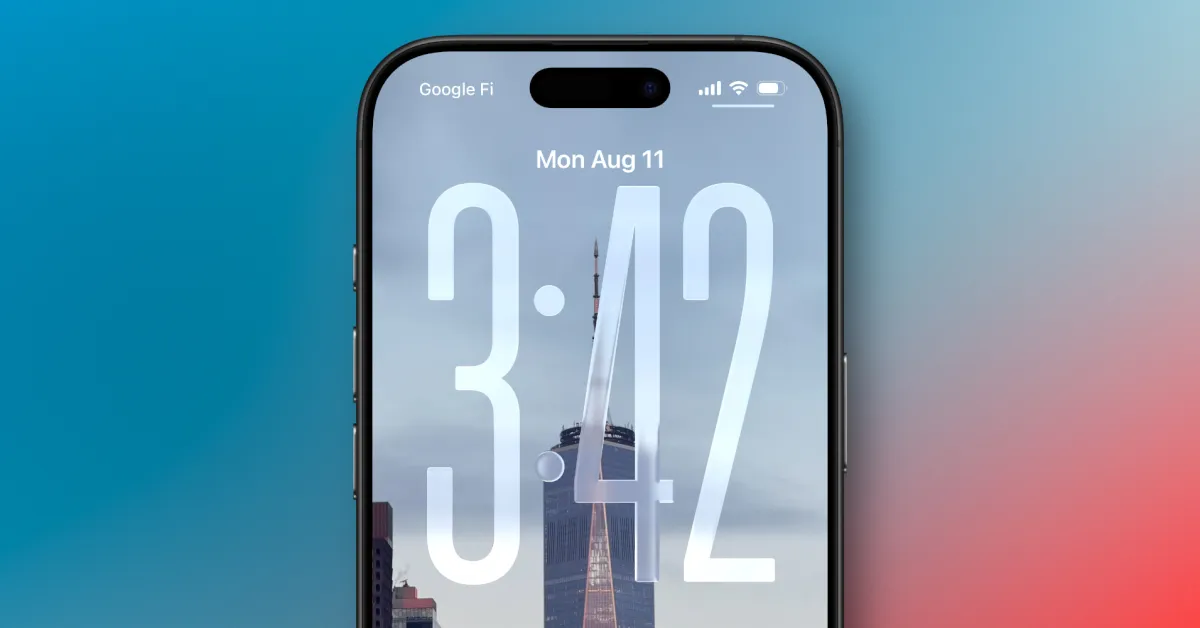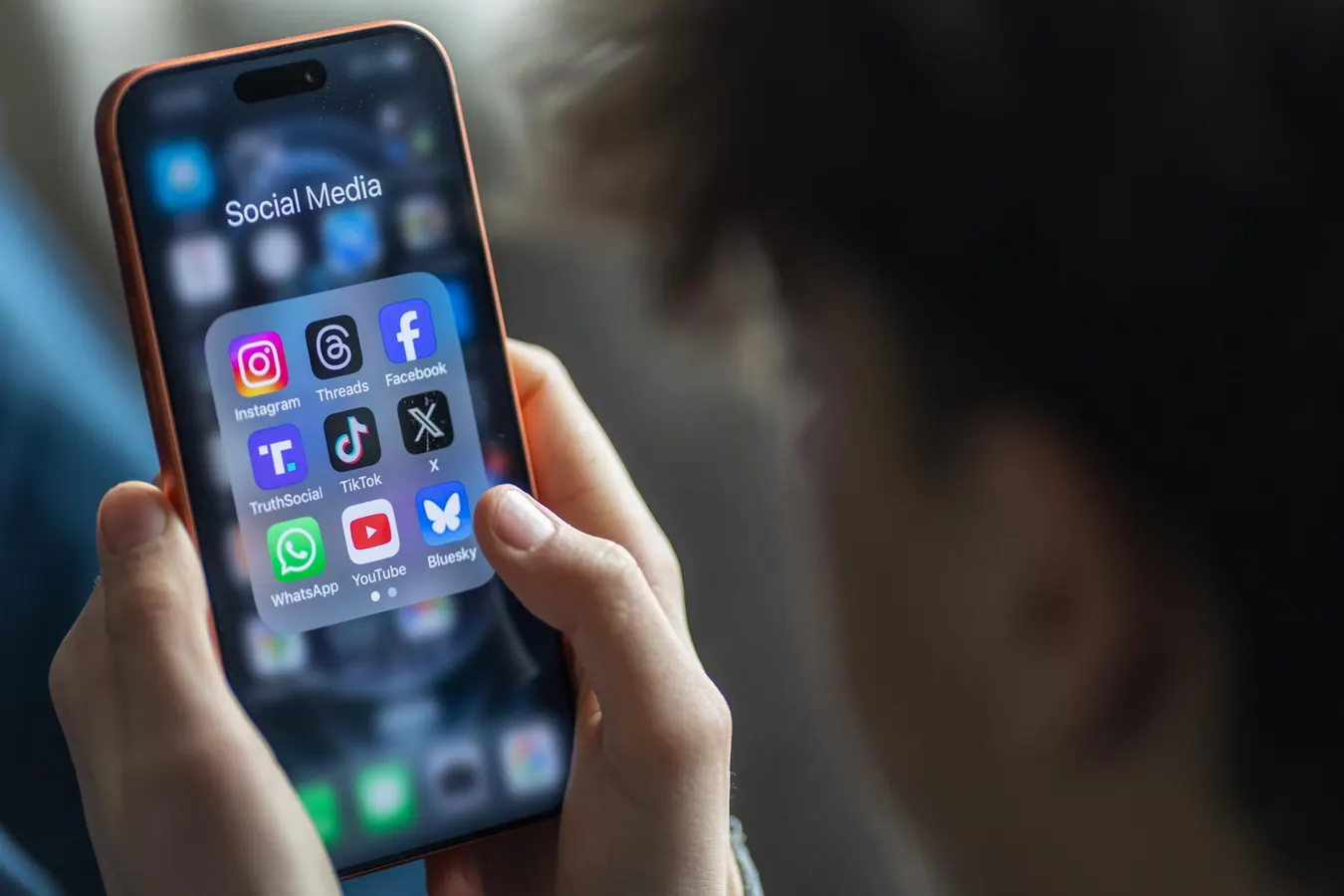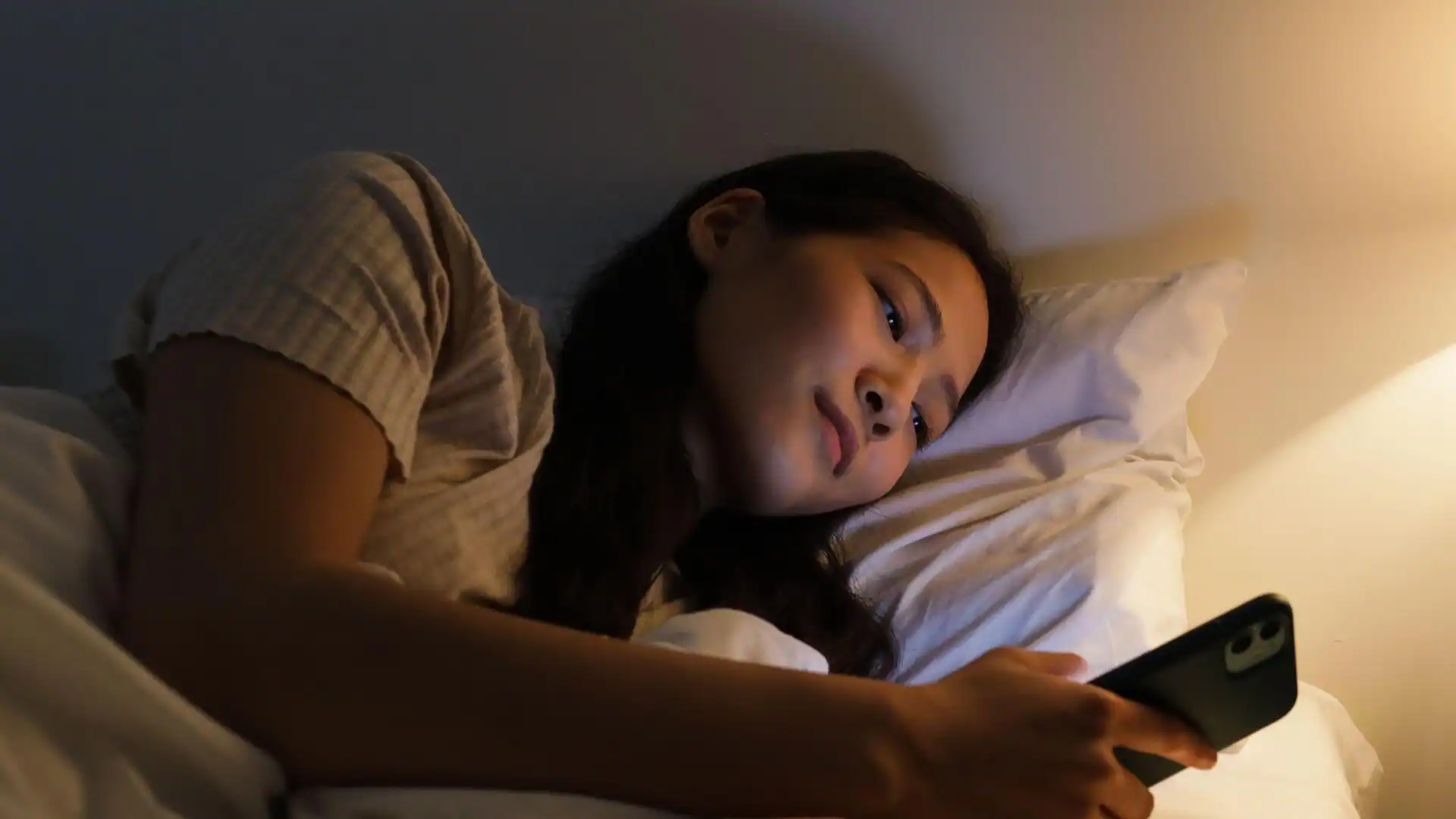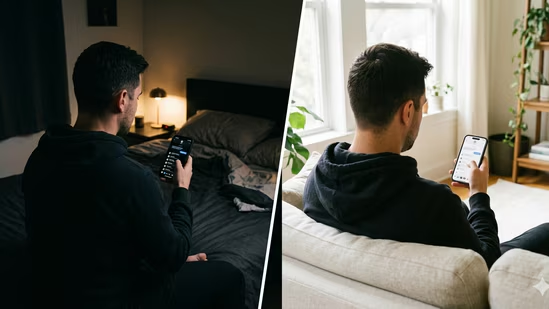
Instead of aesthetic purpose, medically approach the display modes on your phone to lower visual stress. Your phone has two display settings: dark mode and light mode. Based on visual comfort or aesthetics, people toggle between the two. The general consensus is that dark mode is less stressful on the eyes, but the answer is not simply black and white, it is far more nuanced. The right display setting is vital because it can improve readability on the phone, enhance clarity and help reduce eye discomfort.ALSO READ: Using eye mask while sleeping? Doctor reveals 4 major risks: ‘Repeated friction may cause hyperpigmentation…’Do dark mode and light mode have same or different impact on your eye health? (Picture credit: Gemini AI)For a well-rounded understanding of the distinction between these two modes, HT Lifestyle in a conversation with Dr Mahavir Kandharwar, specialist in glaucoma and cataract management at NIO Super Speciality Hospital, attempted to assess which mode is better suited for different situations.Firstly, the ophthalmologist clarified that the distinction is not solely about aesthetics or whether someone prefers a darker or lighter screen appearance. Instead, the choice between dark mode and light mode depends on several other factors.ALSO READ: Do you really need blue light glasses? Ophthalmologist explains what actually helps your eyesLight mode's biggest redeeming quality?Typically, light mode has received a fair bit of negative reputation, where even accidentally toggling it on makes people react strongly, often squinting at the sudden brightness. For dark mode extremists, the reaction may resemble a vampire hissing at a sudden shaft of daylight.But let's not be so quick to judge and rule out light mode altogether, because the ideal setting depends on the surrounding environment, screen usage and individual visual comfort too.So, what is light mode's biggest argument against all the hate? It pushes back against the backlash with a phenomenon called halation. "When viewing white text on a dark background, the iris opens wider to let in more light, which can cause the white text to appear to bleed or blur into the black. Conversely black text on a white background will create an image by allowing for the maximum amount of light to reach your eyes, which causes your pupil to contract, resulting in less effort to create an image.”In simpler words, readability is better in white mode. Dark mode may make the white font appear slightly blurry, glowing or bleeding into the black background. This effect is called halation. But with light mode, your eyes do something naturally: pupils shrink to read the text more clearly, especially when you are in brighter surroundings.Find out when which mode is suitable. (Picture credit: Freepik)Golden rule of contrasting parityNext we asked whether there is any particular rule that can help identify which mode is better in different situations, to which the ophthalmologist shared the principle of contrasting parity.Describing contrasting parity, he elaborated, “In bright light surroundings, light mode is better because it reduces the glare by preventing the screen from acting like a mirror and by matching the surrounding brightness. In surroundings or places with low or dim light, dark mode is preferable. The bright white screen in a pitch-black room creates a harsh contrast which will force the eyes to strain and work harder, which subsequently leads to quicker fatigue.”So, this shows there's no clear-cut winner dark mode and light mode. It actually depends on where you are using your screen. Light mode in a pitch-dark room may increase eye strain, but on a bright sunny day, readability is often better with light mode. In dark mode, you may squint harder when outdoors, but indoors in low-light environment, it can feel more soothing on the eyes.Dark mode's edge?So far, light mode has had strong arguments, but this one advantage of dark mode is what largely justifies its wider acceptability.“The primary health benefit of dark mode lies in its ability to reduce exposure to blue light which is a high-energy visible (HEV) light. This can inhibit the release of melatonin which is the hormone that helps to regulate people's sleep. Changing your screen to dark mode allows you to lessen the effects on your circadian rhythm, making it the healthier choice for late-night browsing,” the doctor stated how this mode is better for scrolling at night and also limits blue light filters.Specific needsThere's no universal rule because everyone has different vision health needs, so the ophthalmologist outlined certain categories with specific visual requirements:1. Myopia and astigmatism:People with these vision problems generally prefer light mode over dark mode as it is easy to read.But white-on-black text can look particularly blurry or washed out for people with astigmatism.2. Cataracts or photophobiaPatients with photophobia or early-stage cataracts may prefer the lower levels of brightness commonly used in dark mode for reading or viewing videos.Final verdictIn the end, the final verdict from the ophthalmologist is that there is no clear winner because the ideal mode differs from person to person and situation to situation. Instead of pitting the two modes against each other, the focus should be on adaptability. The ophthalmologist also recommended following the 20-20-20 rule, where every 20 minutes, you look at something 20 feet away for 20 seconds to reduce eye strain. As for the ideal screen setting, he suggested, "For optimal eye health, recommendation is using Light Mode during the day and switching to Dark Mode (or a Blue Light Filter) after sunset.”Note to readers: This article is for informational purposes only and not a substitute for professional medical advice. Always seek the advice of your doctor with any questions about a medical condition.Adrija Dey’s proclivity for observation fuels her storytelling instinct. As a lifestyle journalist, she crafts compelling, relatable narratives across diverse touchpoints of the human experience, including wellness, mental health, relationships, interior design, home decor, food, travel, and fashion that gently nudge readers toward living a little better. For her, stories exist in flesh and bones, carried by human vessels and shaped through everyday endeavours. It is the small stories we live and share that make us human. After all, humans and their lores are the most natural and raw repositories of stories, and uncovering them, for her, is akin to peeling an orange under a winter afternoon sun. Always up for a chat, she believes the best stories come from unfiltered yapping, where "too much information" is kind of the point. A graduate of Indraprastha College for Women, University of Delhi, and an alumna of the Indian Institute of Mass Communication (IIMC), Delhi, Adrija spends her idle hours cocooned with herbal tea and a gripping thriller, scribbling inner monologues she loosely calls poetic pieces, often with her succulents in attendance. On lazier days, she can be found binge-watching, for the nth time, one from her comfort-show holy trinity: The Office (US), Brooklyn Nine-Nine, or Modern Family. Dancing by herself to her peppy playlists, however, is an everyday ritual she swears by religiously.Read MoreEye StrainDark ModeCatch every big hit, every wicket with Crick-it, a one stop destination for Live Scores, Match Stats, Quizzes, Polls & much more. Explore now!.Catch your daily dose of Fashion, Taylor Swift, Health, Festivals, Travel, Relationship, Recipe and all the other Latest Lifestyle News on Hindustan Times Website and APPs.See Less
Dark mode vs light mode: Ophthalmologist explains when you should toggle which mode on phone for lower vision stress
Instead of aesthetic purpose, medically approach the display modes on your phone to lower visual stress. | Health
1,202 words~5 min read