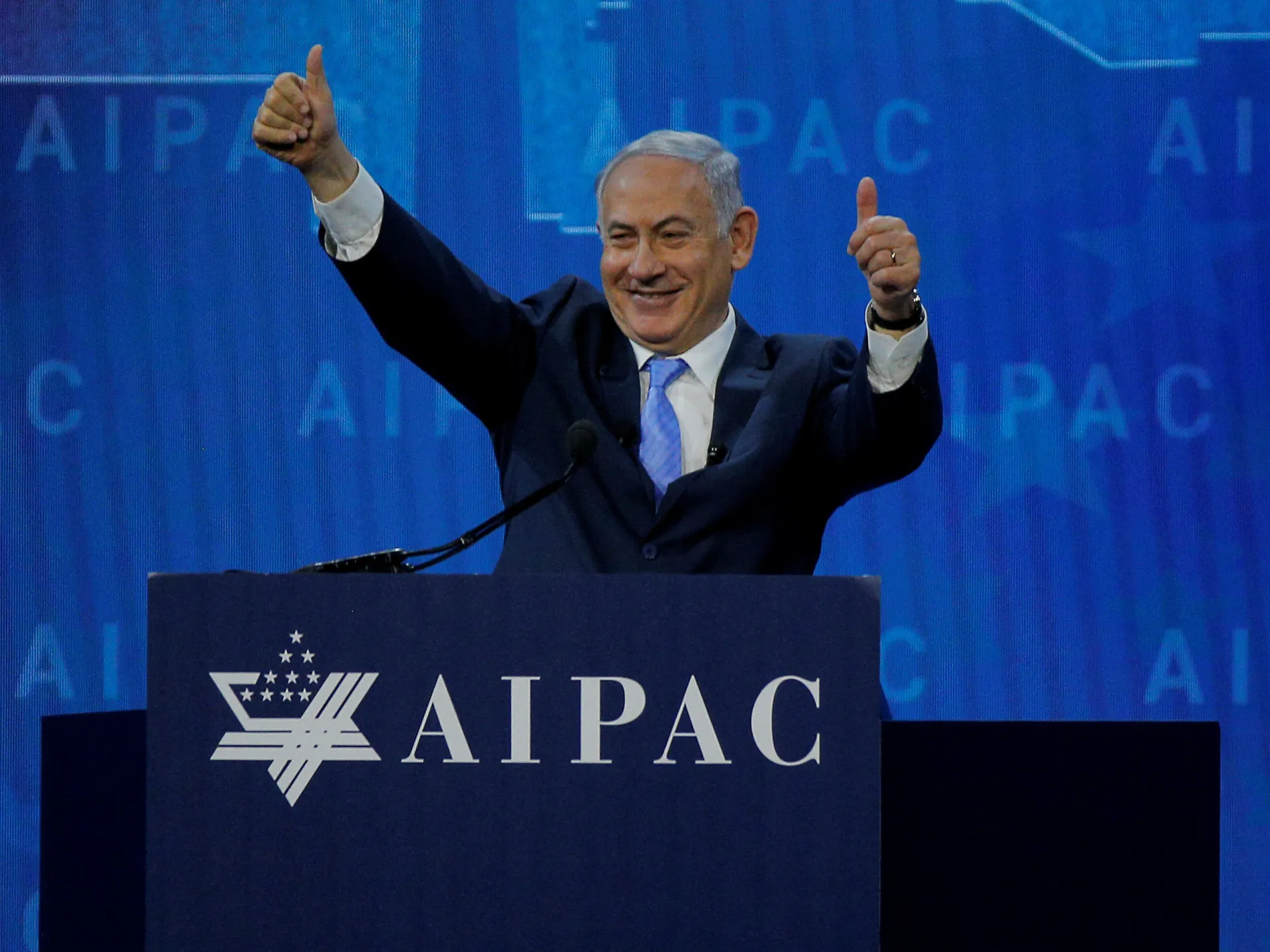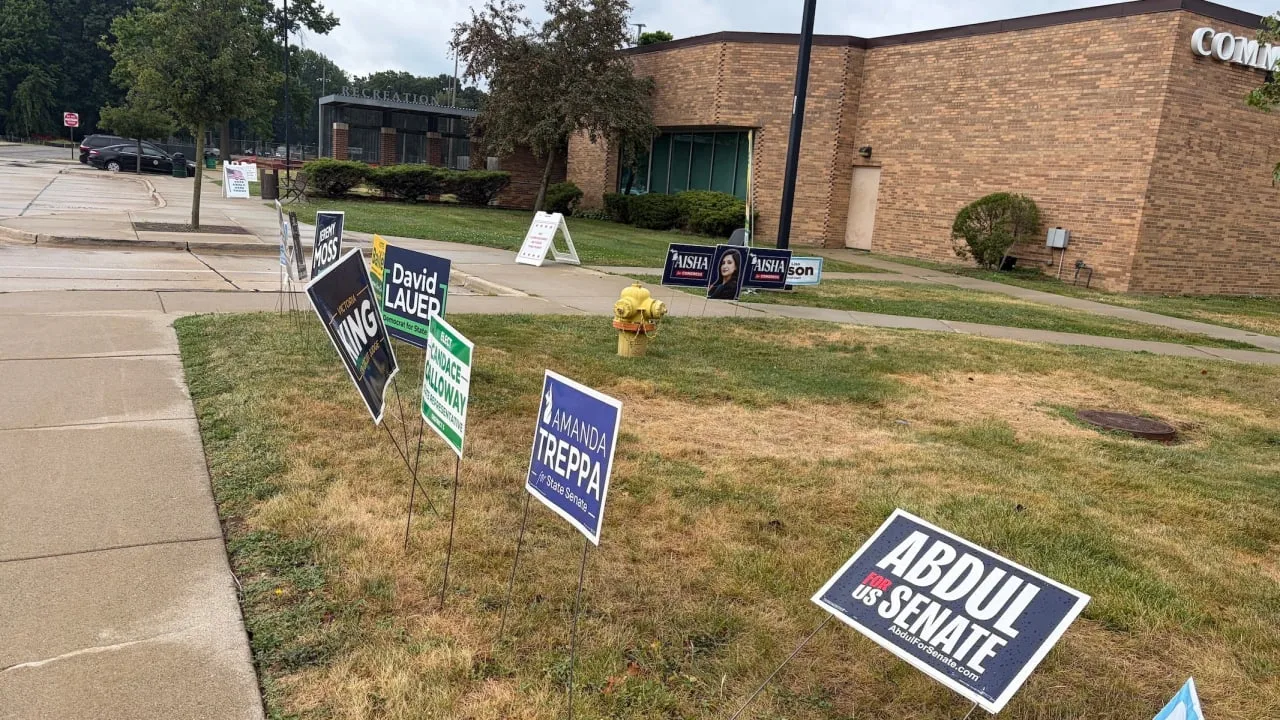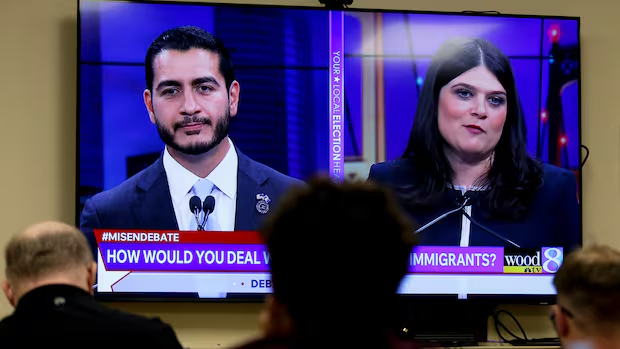
The bitter Michigan Senate primary was heating up earlier this month when a mystery group bought $5 million in TV ads boosting the American Israel Public Affairs Committee’s preferred candidate in the Democratic race, Haley Stevens.
The group had an anodyne name — the Center for Democratic Priorities — and no track record in Michigan politics. It was incorporated in Delaware seven months ago under a shroud of secrecy.
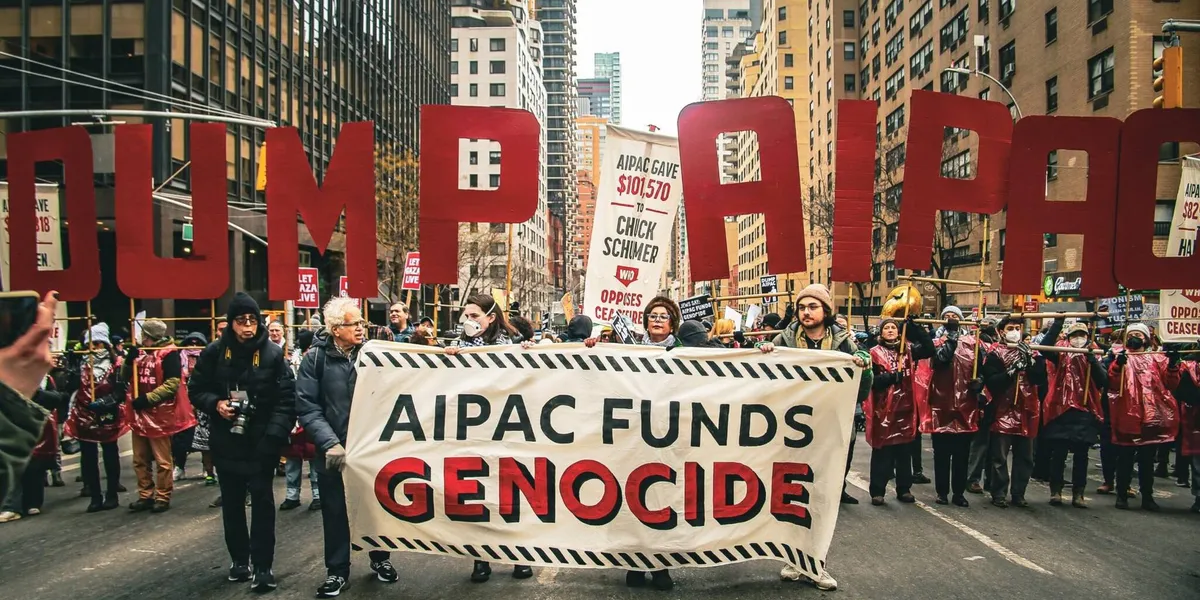
Online sleuths soon discovered, however, that whoever was behind the group had used the same consulting firm employed by a super PAC affiliated with AIPACs to buy the ads. Suspicions fell on the pro-Israel lobbying shop or its super PAC affiliate, which has repeatedly created so-called “pop-up” super PACs to influence elections elsewhere. AIPAC issued a denial that it was funding the ads.
Thanks to Federal Election Commission rules, voters may not know the true source of the ad campaign for months.
With the Supreme Court’s Citizens United decision 16 years ago, special interest groups began using a raft of loopholes to pour money into elections without disclosing who was doing the spending. Super PACs can take in unlimited donations and spend unlimited amounts — as long as they do not coordinate directly with candidates. Now, big money forces in politics are growing ever more sophisticated about exploiting legal loopholes to obscure their identity.