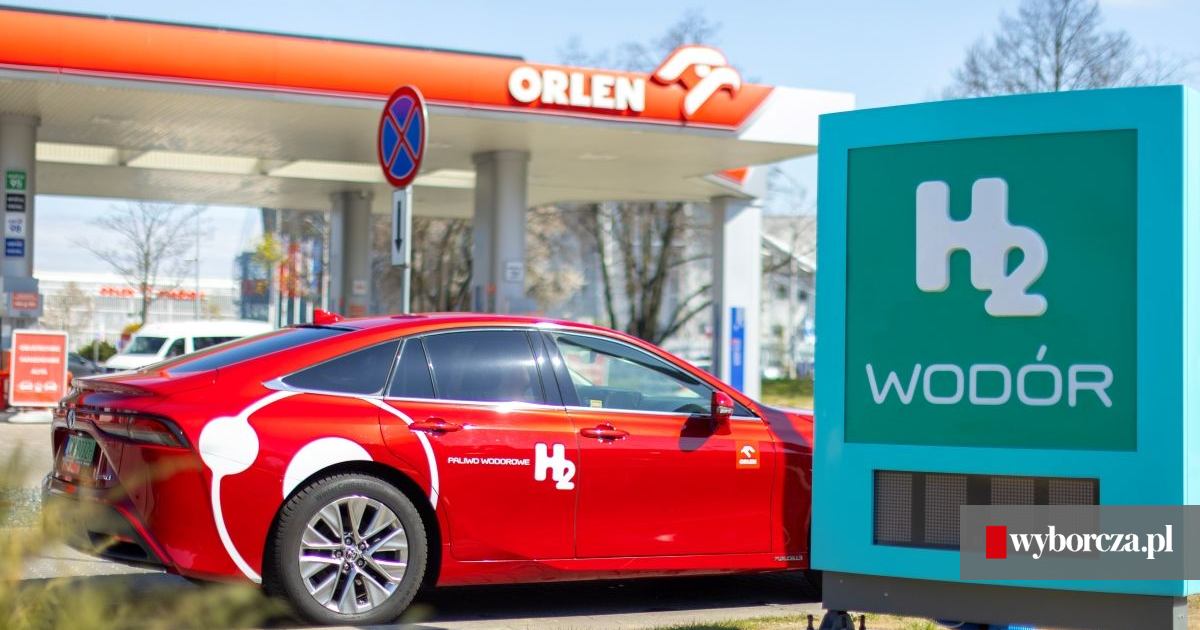
Poland’s ambitious push to build a hydrogen-powered public transport system is faltering, with several buses halted by soaring fuel costs and fragile infrastructure, according to a new report by the NGO Central and Eastern Europe Bankwatch Network.
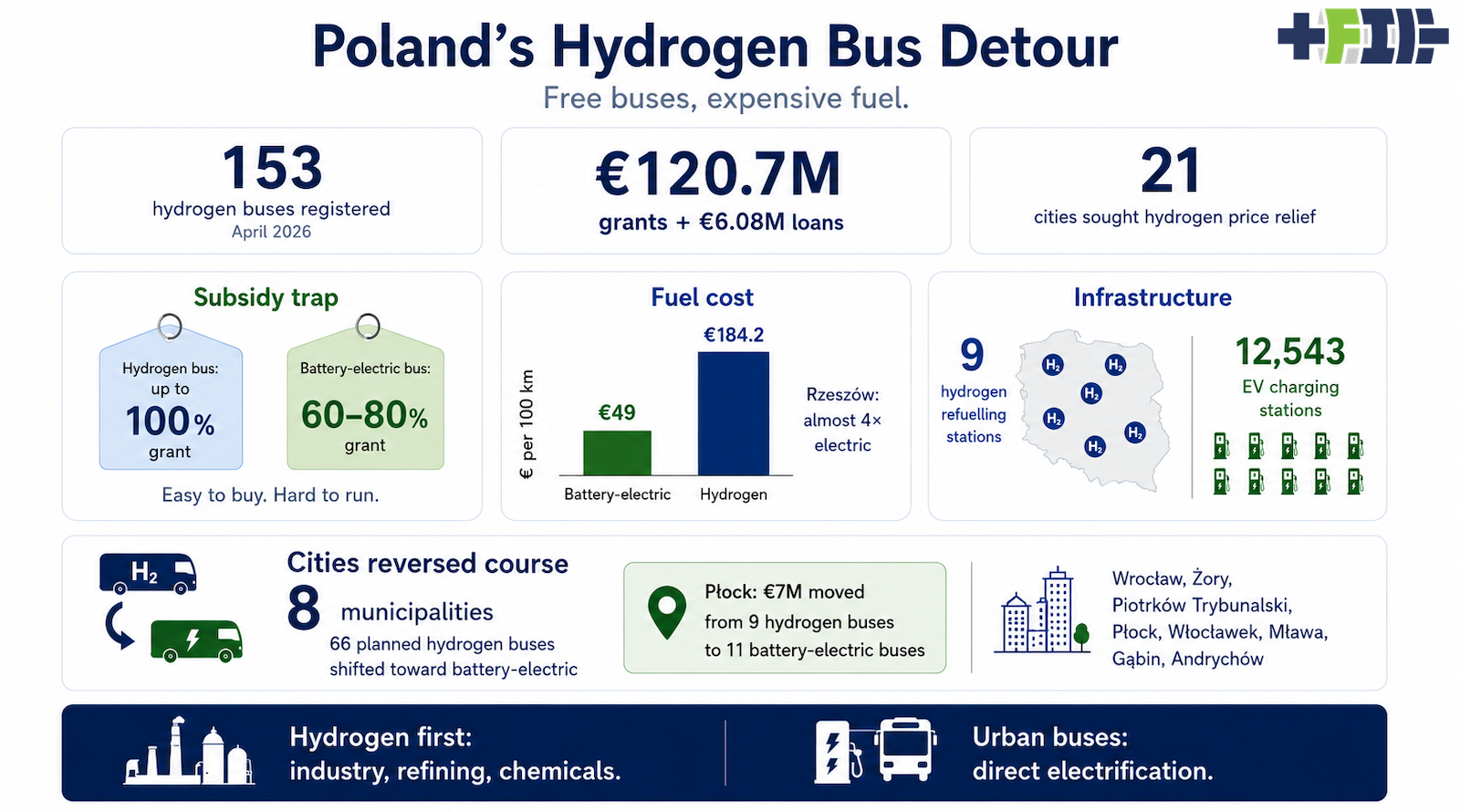
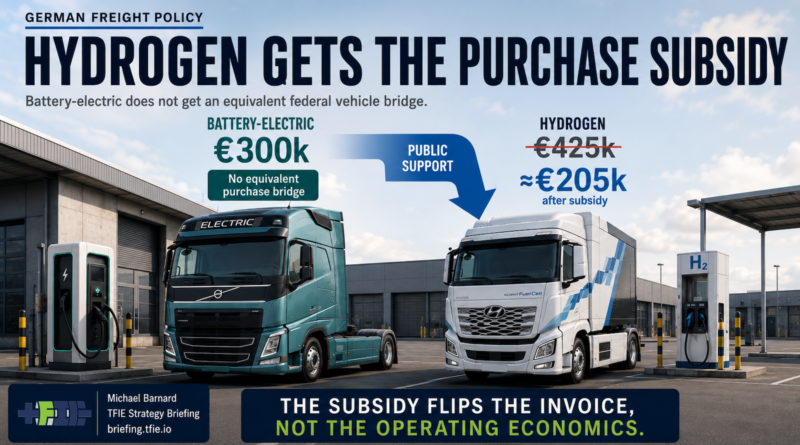
Polish municipalities embraced hydrogen buses largely because subsidy schemes covered up to 100% of vehicle purchase costs, while electric buses typically received only 60–80% support, according to the report. But once hydrogen buses entered service, operators discovered the fuel was dramatically more expensive than electricity.
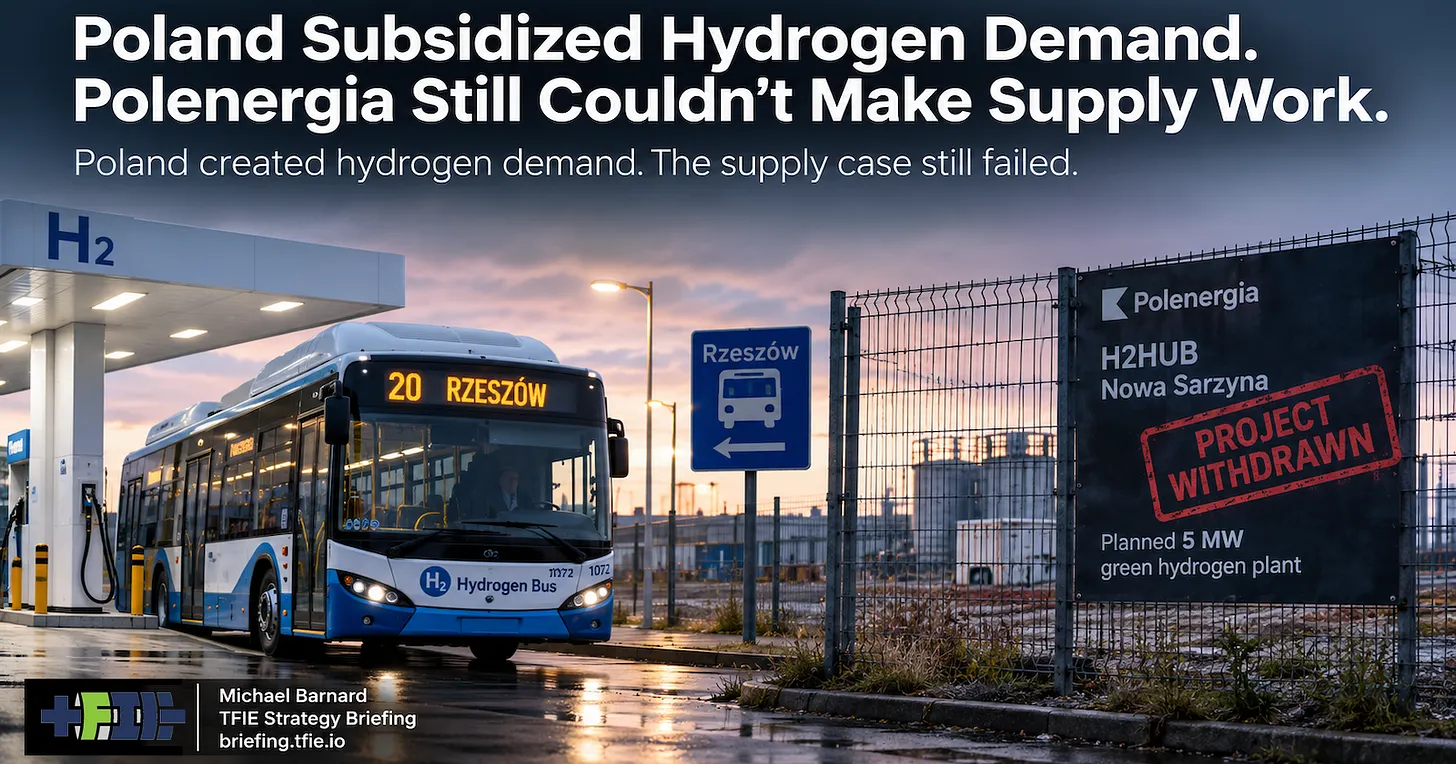
The analysis argues that hydrogen buses were promoted as a shortcut to green transport, backed by generous EU and state funding, but many municipalities are now retreating toward battery-electric alternatives after confronting prohibitive fuel costs and the lack of refueling stations.
Cities like Rybnik reported that hydrogen fleets were more than three times as costly as diesel and four times as costly as hybrids. In Rzeszów, fuel costs over 15 years were projected to exceed the purchase price of the buses themselves, the CEE Bankwatch Network report states.
By the end of April, Poland had 247 hydrogen buses in total, either deployed or contracted by municipalities. 140 buses are already in service, while 107 have been contracted but not yet deployed.