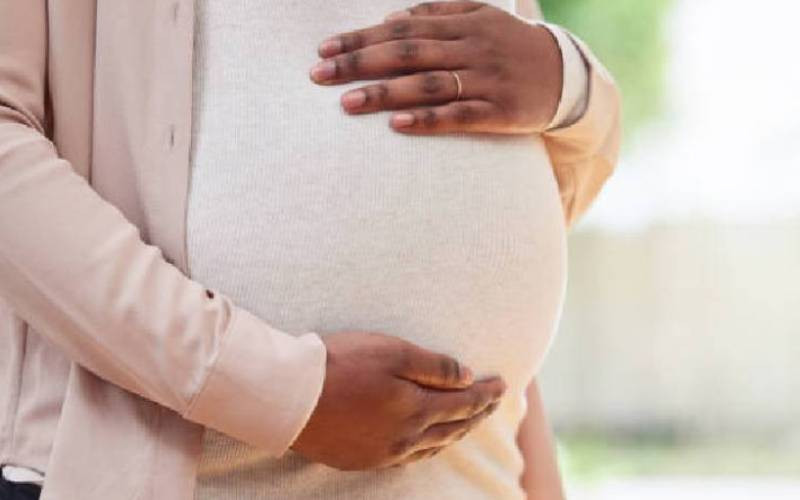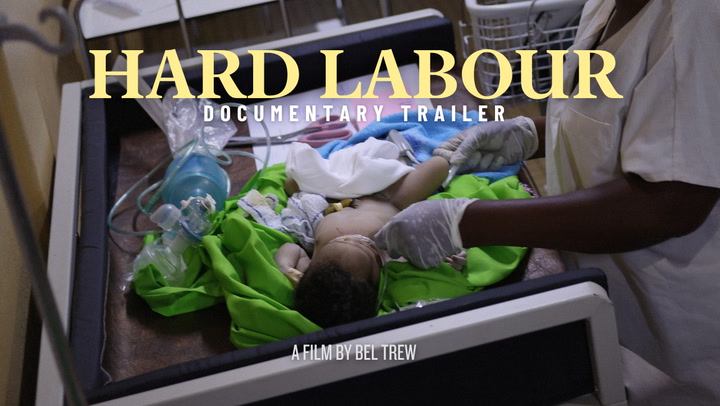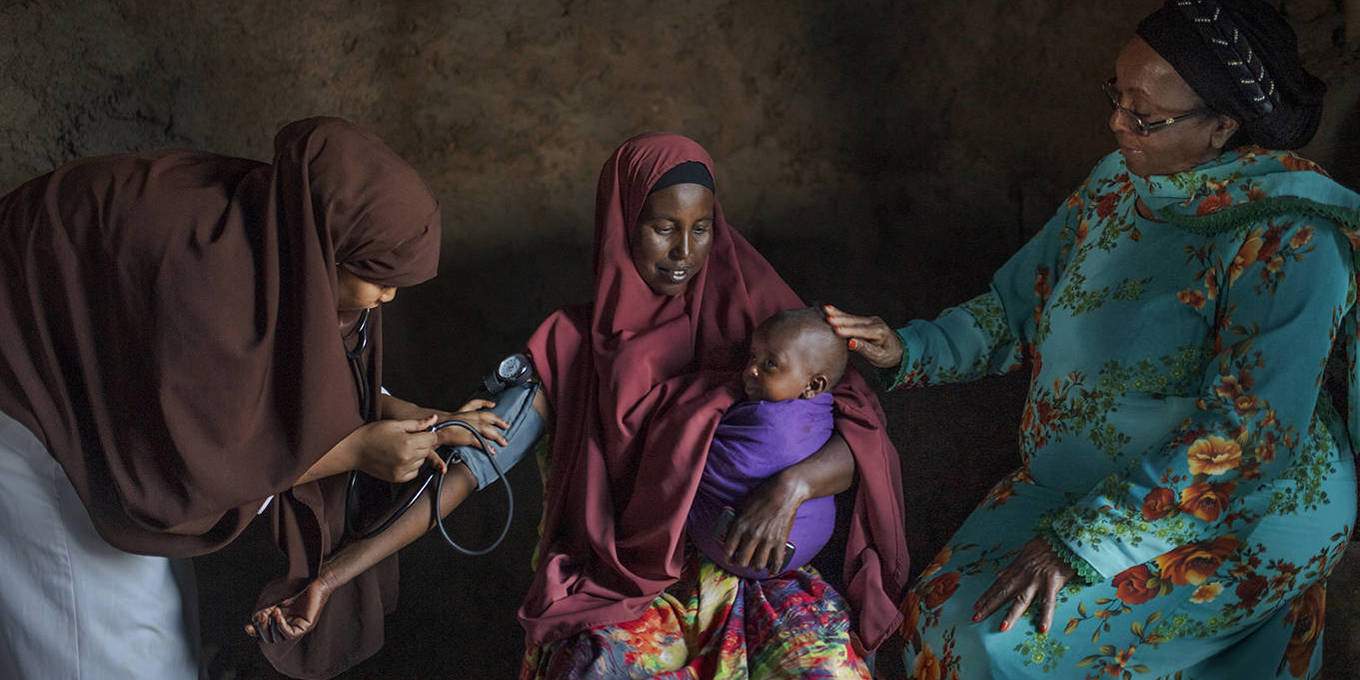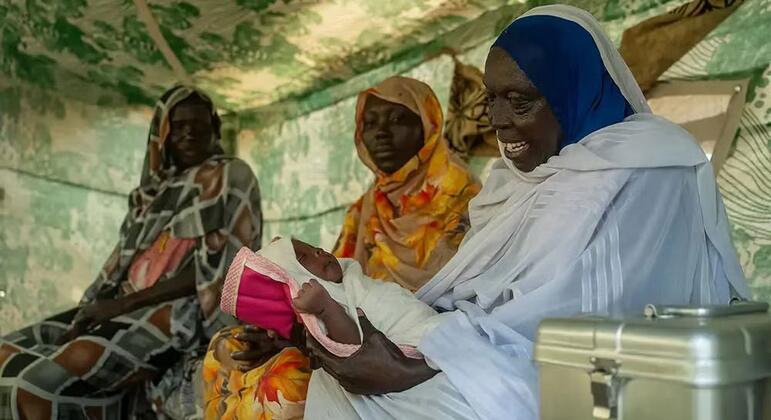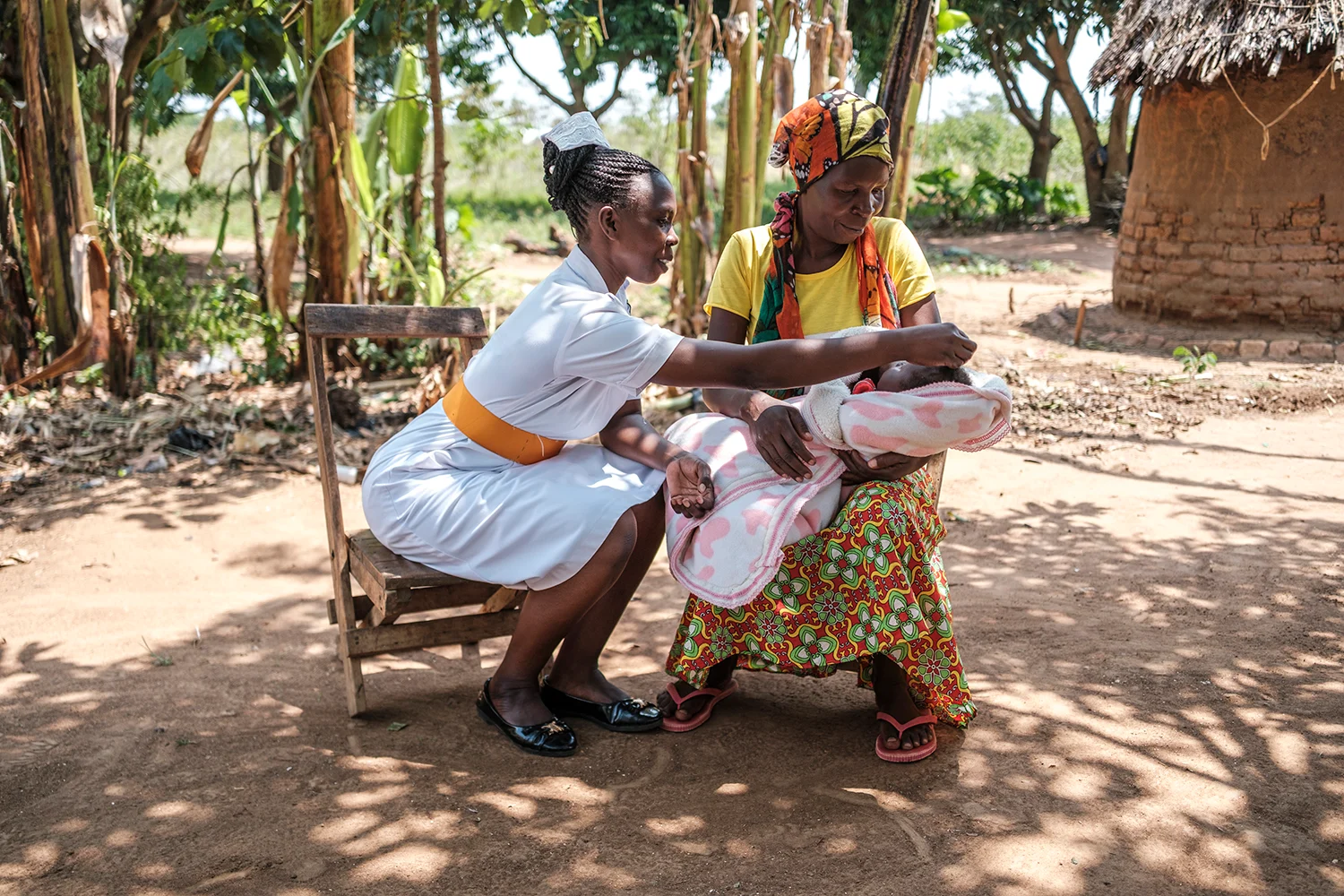
In eastern Uganda, Khadijah Kantono, a mother of nine, began bleeding heavily while in labor last year. Rushed to a health center, midwife Irene Koote quickly recognized the danger signs, stabilized her, and immediately alerted the attending doctor for urgent intervention. Following the delivery, the doctor performed emergency surgery with the support of the midwife, removing Kantono’s torn uterus and ultimately saving her life.
Kantono survived because the system had a skilled health worker present and able to act. In many places around the world, that is not the case.
In eastern Uganda, Khadijah Kantono, a mother of nine, began bleeding heavily while in labor last year. Rushed to a health center, midwife Irene Koote quickly recognized the danger signs, stabilized her, and immediately alerted the attending doctor for urgent intervention. Following the delivery, the doctor performed emergency surgery with the support of the midwife, removing Kantono’s torn uterus and ultimately saving her life.
Kantono survived because the system had a skilled health worker present and able to act. In many places around the world, that is not the case.
Today, health systems everywhere are strained. In 2025, the dismantling of the U.S. Agency for International Development and wider aid cuts by donor governments triggered immediate consequences. Clinics shut down, medicines and health workers disappeared, and the number of preventable deaths rose.