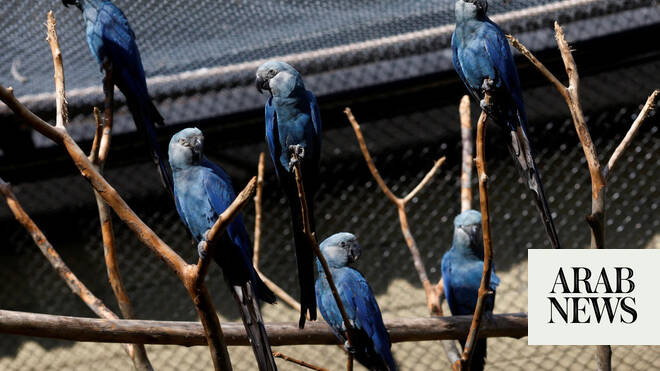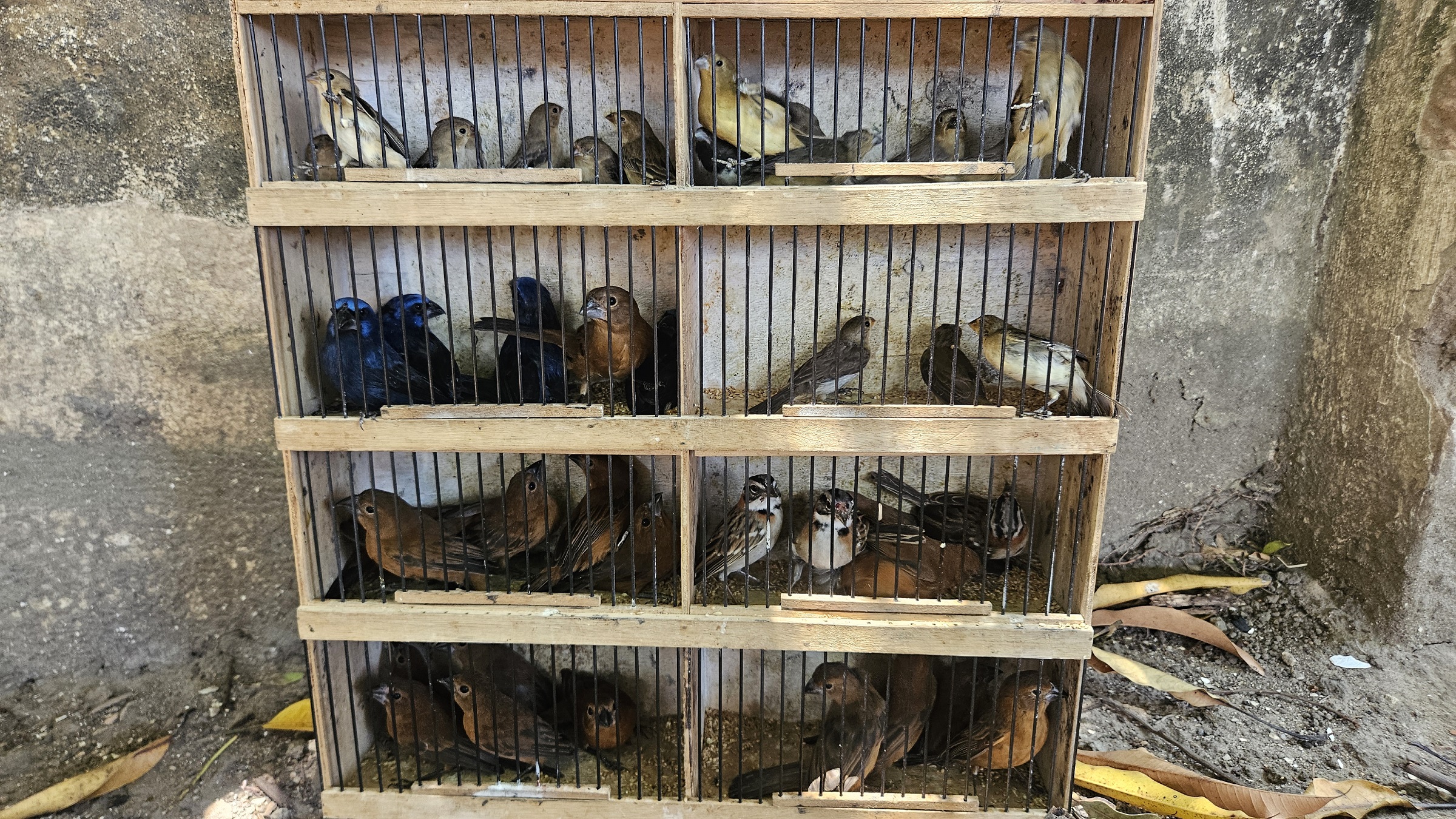
Environmental officers detected circovirus in birds seized from a market in Brazil’s northeast, signaling a new and dangerous means of transmission for a deadly avian disease.The outbreak was discovered at a government wildlife rehabilitation center where the birds were taken, putting animals housed there — and being prepared for return to the wild — at risk.In October 2025, the virus was detected in Spix’s macaws, which were declared extinct in the wild in 2019 but are being bred and rewilded in Brazil’s Bahia state.Experts warn of the need for rigorous monitoring and quarantine at rescue and rehabilitation centers, but some facilities don’t have veterinarians on staff.
In October 2025, environmental officers arrived unannounced at the Parangaba Fair that takes place every Sunday in Fortaleza, in northeastern Brazil. The market, also known as the Bird Fair, had a reputation for illegally selling small birds, parrots and macaws.
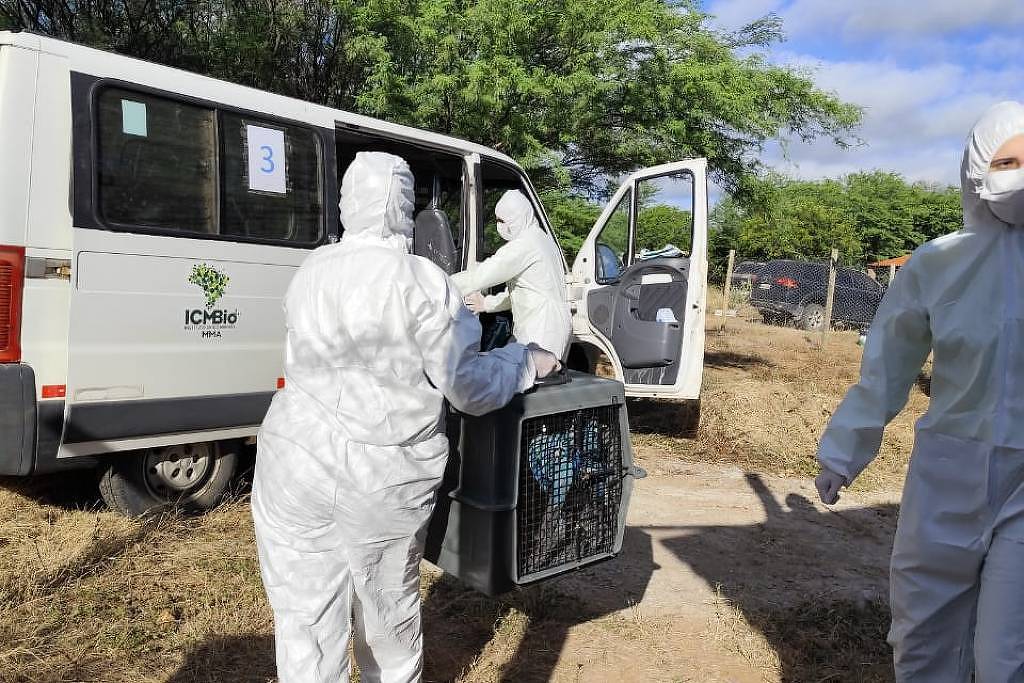
During that Sunday’s operation, agents seized 271 birds and transported them in groups to the Wildlife Screening Center (CETAS) in Fortaleza. There, confiscated wildlife is rehabilitated for possible reintroduction to the wild. These rescue and rehab centers are managed by Brazil’s federal environmental agency, IBAMA.