May 18, 2026 | 09:44 am
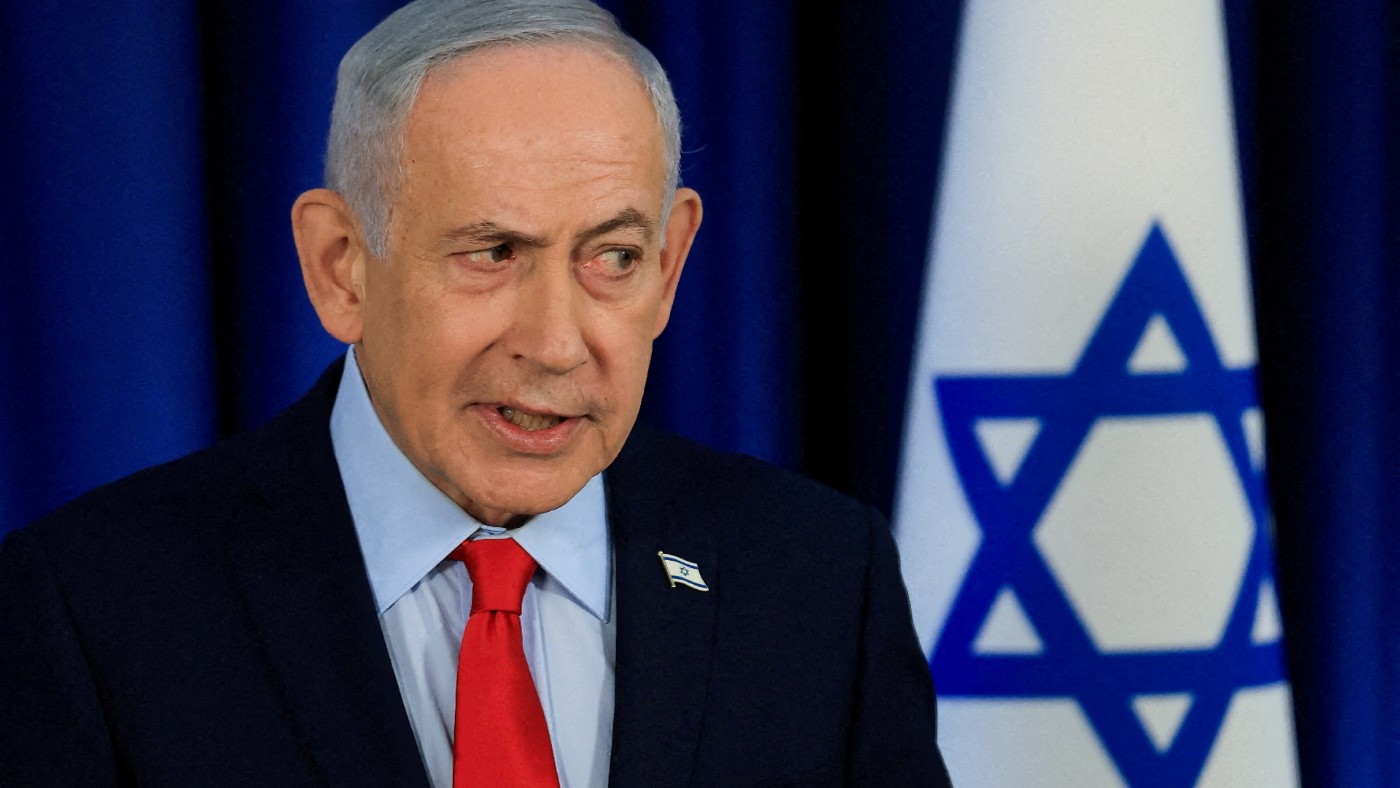
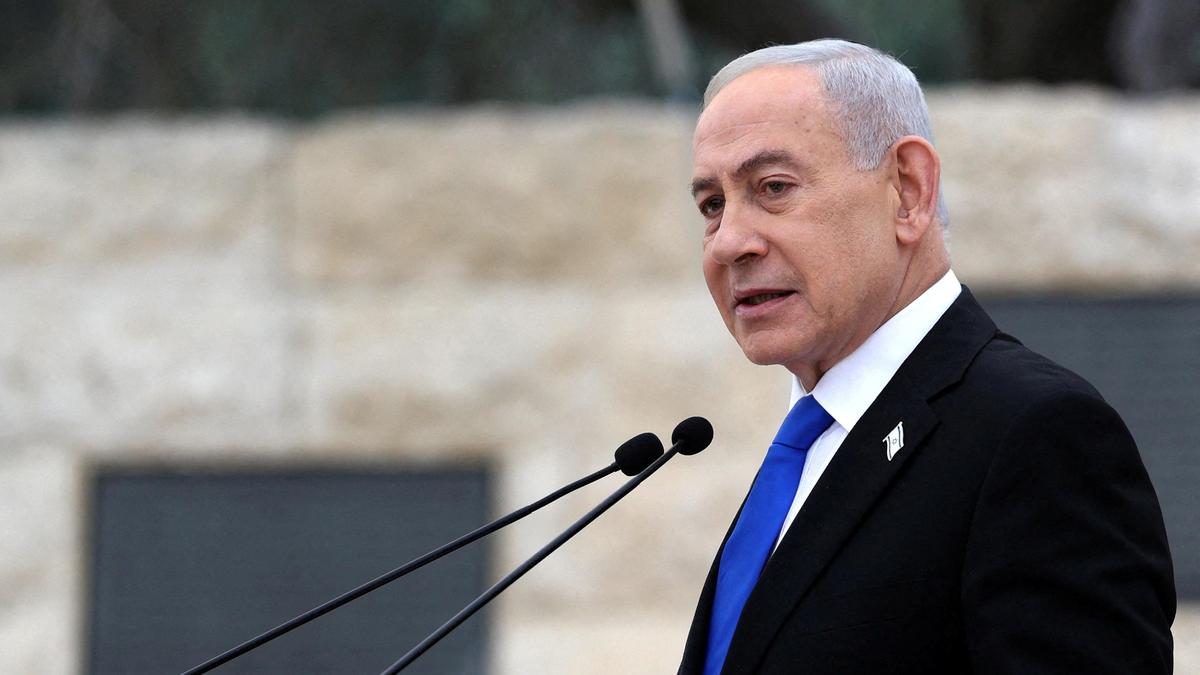
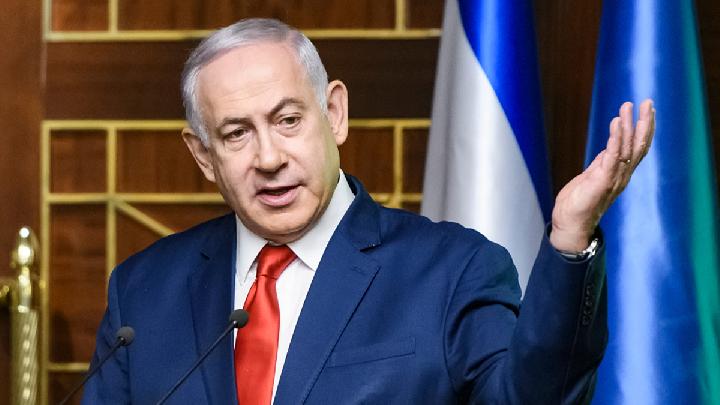
Benjamin Netanyahu. Shutterstock
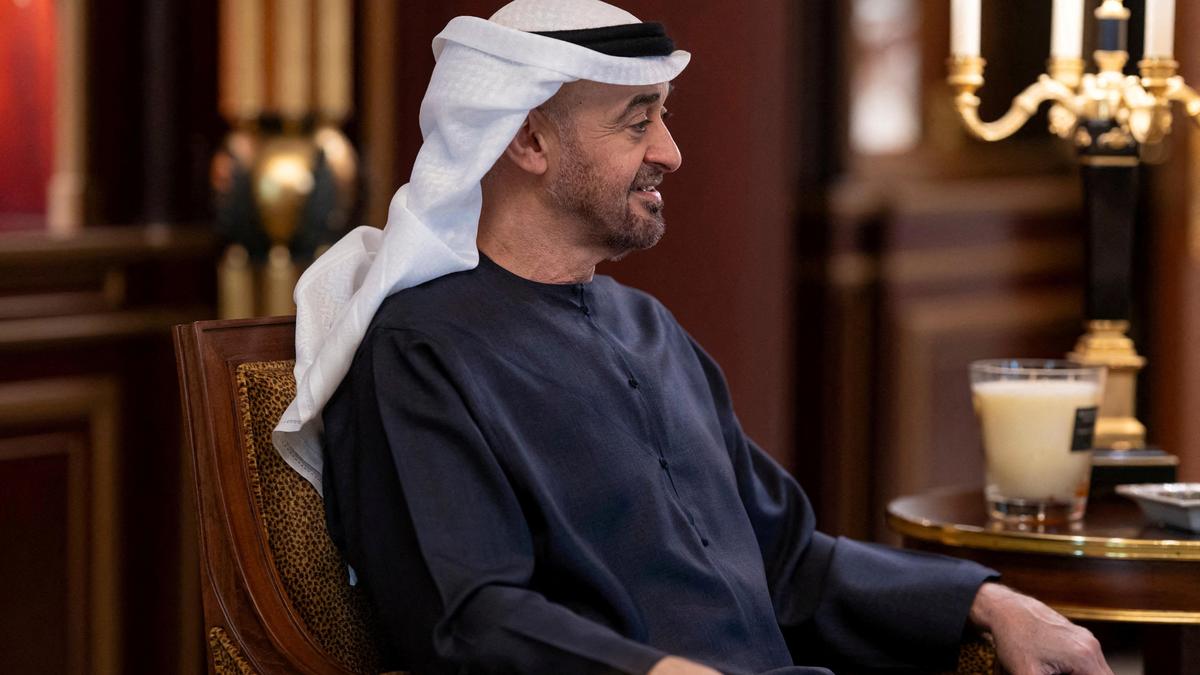
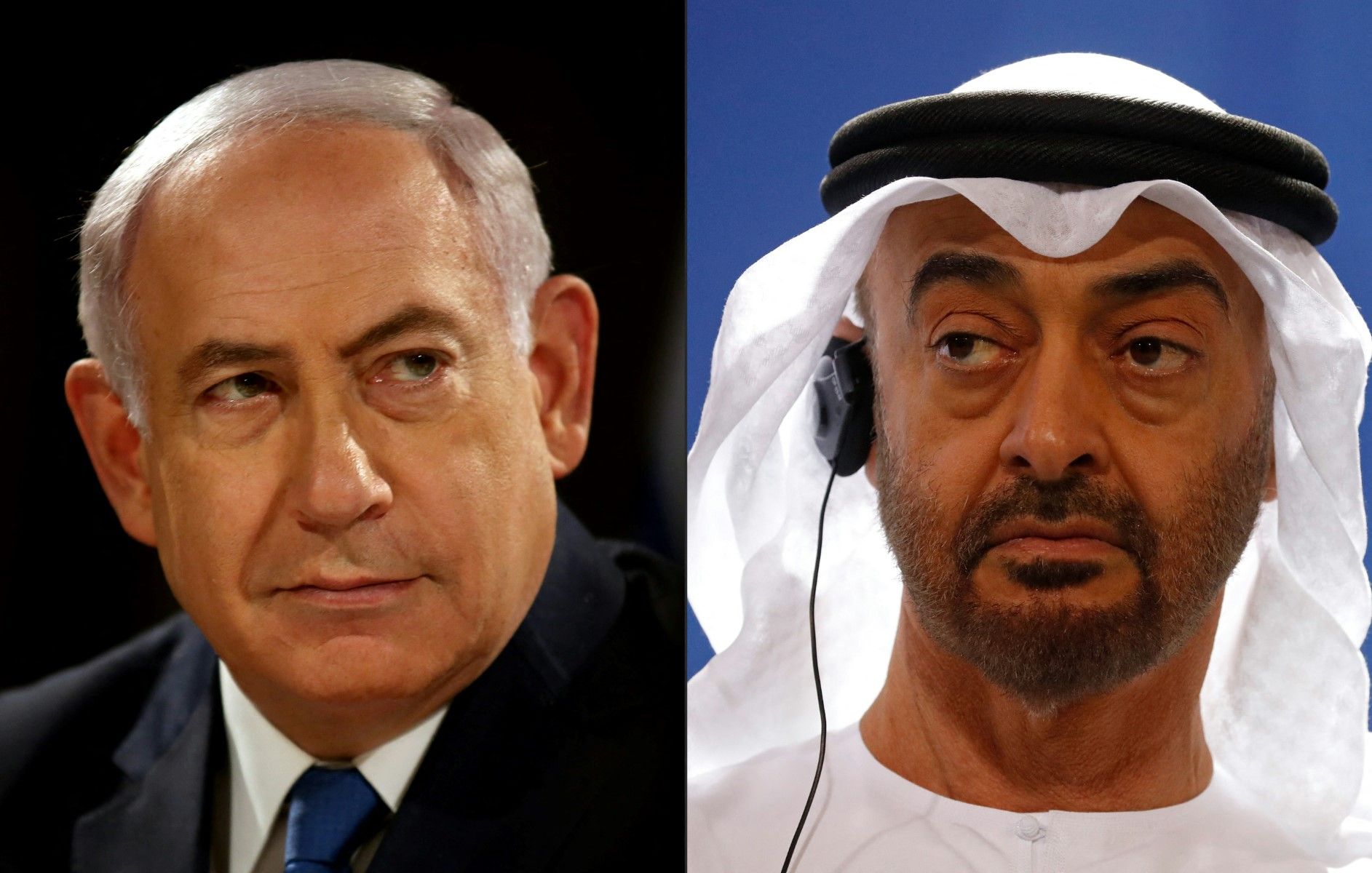
TEMPO.CO, Jakarta - The alliance between Israel and the United Arab Emirates (UAE), brokered by the United States (US) through the Abraham Accords, is showing signs of strain after Israeli Prime Minister Benjamin Netanyahu publicly disclosed what he described as a “secret visit” to the UAE, triggering a swift denial from Abu Dhabi amid escalating tensions with Iran.Fox News revealed, as cited by Yahoo News, that the diplomatic friction emerged after Netanyahu’s office announced on May 13 that he had held a “historic breakthrough” meeting with UAE President Mohammed bin Zayed Al Nahyan during a visit to Al Ain near the Oman border.However, the UAE Ministry of Foreign Affairs quickly rejected the claim, emphasizing that relations between the UAE and Israel are publicly acknowledged under the Abraham Accords and are “not based on secrecy or clandestine arrangements.”“Any claims regarding undisclosed visits or arrangements are baseless unless issued by the relevant official authorities in the UAE,” the ministry said in a statement.Middle East Institute analyst Natan Sachs described Netanyahu’s move as a possible “diplomatic blunder” that may have embarrassed the Emirati leadership at a sensitive moment in regional politics.Sachs said the UAE has maintained close cooperation with Israel despite growing tensions with Iran and recent regional conflicts. According to him, Abu Dhabi may have been angered either by the disclosure itself or by what it perceived as a breach of trust.“I would also not rule out Emirati anger at the leak itself, which could be seen as a break of trust — something very important to the Emirati leadership,” Sachs said.The Abraham Accords, brokered by the United States in 2020, normalized relations between Israel and several Arab countries, including the UAE, Bahrain, Morocco, and Sudan. The agreements significantly reshaped the Middle East’s geopolitical landscape, largely driven by shared concerns over Iran’s regional influence and military capabilities.The alliance has become increasingly important amid renewed fears of a broader regional conflict involving Tehran.According to reports by the Times of Israel, US President Donald Trump spoke with Netanyahu on Sunday to discuss the possibility of renewed war with Iran following the collapse of ceasefire negotiations.The UAE has emerged as one of the Gulf countries most vulnerable to Iranian missile attacks due to its proximity to Iran and its strategic infrastructure.Sachs noted that while Israel primarily faces medium-range missiles, the UAE is more exposed to Iran’s large stockpile of cheaper and more numerous short-range missiles.“The UAE received much of the fire from Iran. It is the most vulnerable to Iranian short-range missiles,” Sachs said.The security partnership between Israel and the UAE was tested during recent Iranian attacks targeting Emirati military and energy infrastructure. Israel reportedly deployed Iron Dome air-defense systems and personnel to the UAE to assist in intercepting threats.The UAE confirmed on Sunday that it had intercepted three drones approaching from the west.Despite facing security risks, the UAE has continued to maintain an open partnership with Israel. However, analysts believe the public disclosure of Netanyahu’s alleged visit may have complicated diplomatic trust between the two allies at a critical moment in regional tensions.Sachs said the episode underscores how fragile regional alliances can become as tensions with Iran continue to rise.“But the public disclosure that Netanyahu himself visited may have just been seen as a step too far,” he said.Read: UAE 'Denies Reports' of Secret Visit by Israel's NetanyahuClick here to get the latest news updates from Tempo on Google News