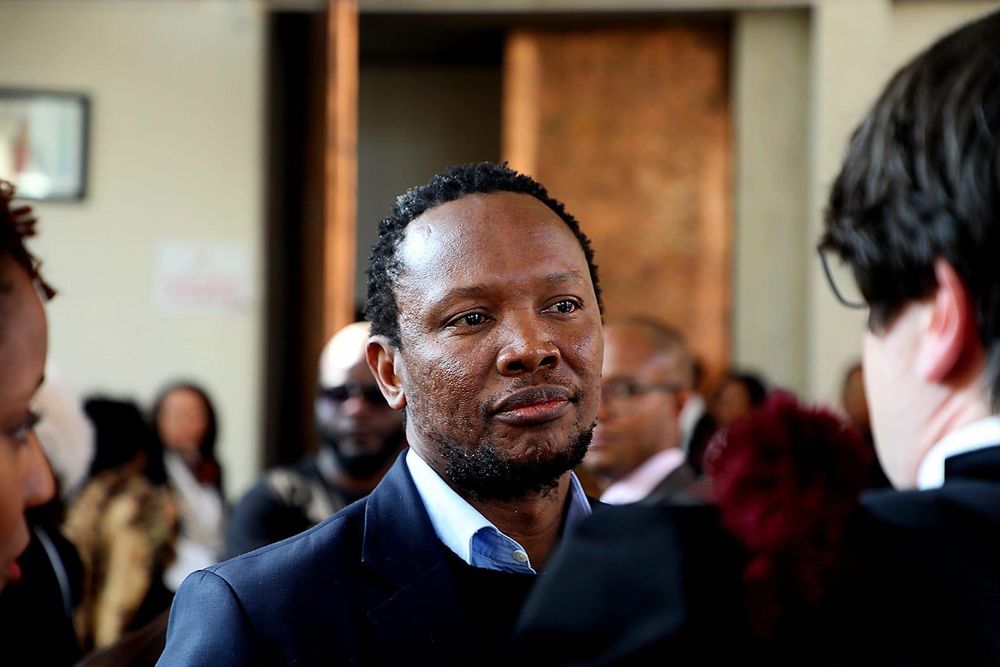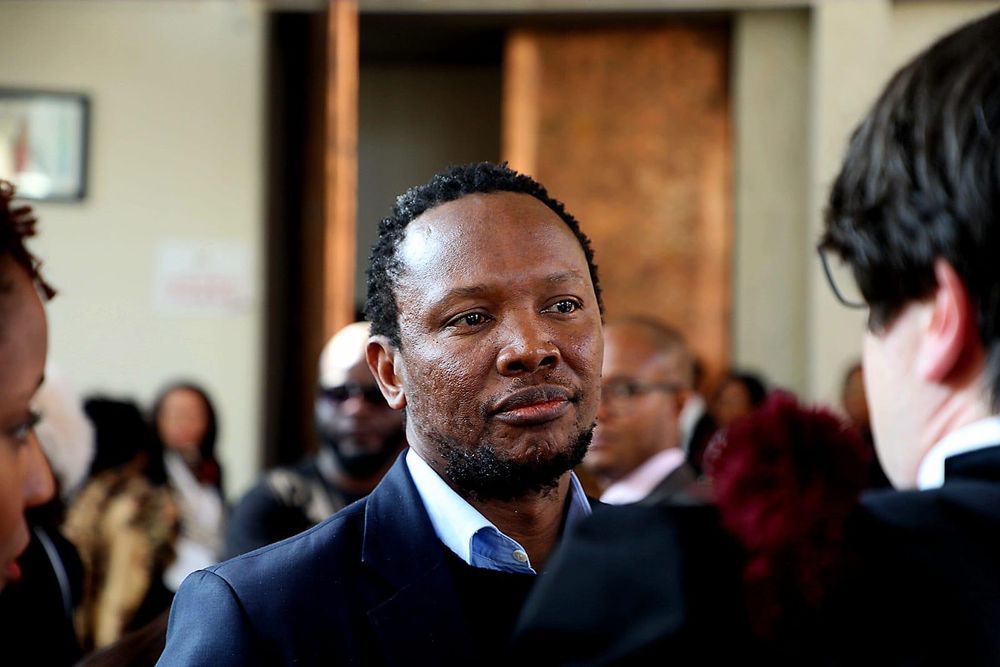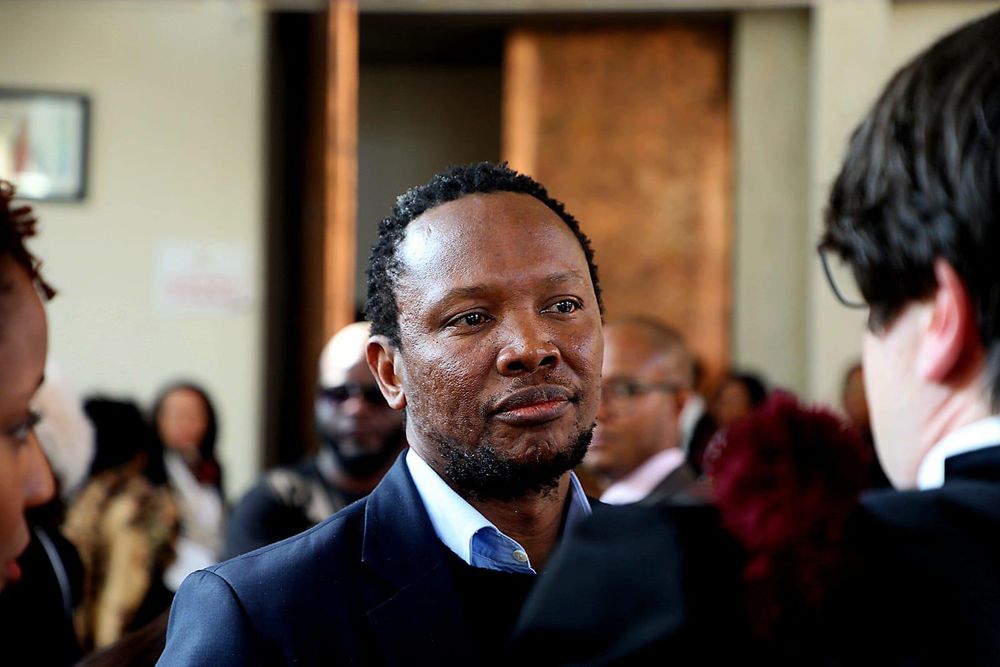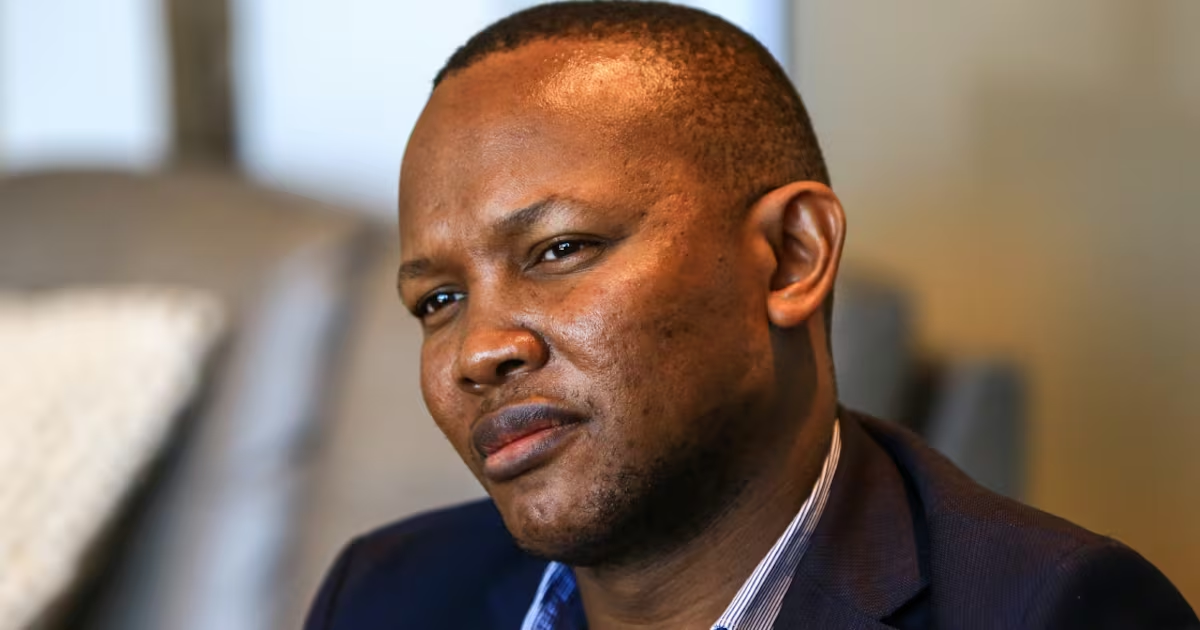
Vodacom’s “Please Call Me” originator, Nkosana Makate, has initiated a legal challenge in the Pretoria high court to scrap a contract that entitles UK investor Errol Elsdon to 40% of his multimillion-rand payout.Elsdon, a former director of Black Rock Mining, registered in the British Virgin Islands, has a decade-long dispute with Makate, claiming his company had a contract to fund Makate’s litigation with Vodacom and, in return, would be entitled to 40% of the payout.Makate entered into an agreement with the late Christian Schoeman to nominate Black Rock to pay for all his legal costs in 2011 in his 17-year battle with Vodacom to pay him for the incorporation of its “Please Call Me” (PCM) service. The litigation puts the spotlight on the legal rights of companies in high-stakes litigation-funding contracts and seeks to answer whether a company’s legal rights stand if it runs into cash flow troubles.In court papers, Makate’s legal team argue the company breached the contract from the start because it never had the money to fund the litigation. “Black Rock never had, and would not have, the financial means or legal standing, and they never employed nor would they employ adequate financial and administrative management to enable it to perform as envisaged by the purpose of, and the obligations under, the impugned funding agreement,” Makate’s papers read.Investor Errol Elsdon (middle) chatting with representatives from Vodacom, including advocate Richard Solomon (wearing black). (Business D) The relationship between the parties soured in 2015 when Black Rock was deregistered and experienced cash flow troubles. The contract stated the company would fund all legal costs and expenses reasonably necessary to prosecute the claim instituted by Makate against Vodacom.Makate accuses Elsdon and his associates, Schoeman and Tracey Roscher, of fraud in failing to disclose crucial information about Black Rock and its financial standing before the contract was signed. “As a result of Schoeman, Elsdon, Roscher and/or Black Rock’s fraudulent, alternatively, negligent, further alternatively, innocent misrepresentation and nondisclosure, Makate was entitled to cancel the impugned funding agreement,” the papers read.“Makate acted on these false and fraudulent misrepresentations and nondisclosures and entered into the impugned funding agreement and the impugned nomination agreement, to his detriment, in that he has had to bear the costs of the entire PCM litigation since at least January 2015 and the concomitant risk of adverse legal costs orders.”Elsdon, in a failed urgent application before the high court in Johannesburg, argued his company paid an initial R500,000 and a further R2.4m towards Makate’s fees before there were cash flow issues, and a dispute over the legality of the contract ensued. Elsdon disclosed to the court that he took out a loan to fund some of Makate’s litigation when his company had a cash flow problem. The company was deregistered in April 2014 after failing to file financial statements. When Black Rock was deregistered, the agreement was transferred to another company, Raining Men Trade, also owned by Elsdon. That process was found to have been fraudulent, with an arbitrator finding that the only valid agreement was with Black Rock. Makate cancelled the contract with Raining Men, giving rise to a dispute that Black Rock’s legal rights still existed when it was registered again.His lawyers contend: “Throughout the duration of the impugned funding agreement, read with the impugned nomination agreement, Black Rock has not performed any of its alleged obligations thereunder. Consequently, Makate has no obligation to tender any restitution of performance.”Makate seeks an order declaring that the funding agreement was cancelled by agreement on or about January 12 2015, with retroactive effect as of November 7 2011.“In these premises, Makate is entitled to an order declaring that the impugned funding agreement, read with the impugned nomination agreement, has been cancelled, alternatively, terminated,” the court papers read.The case is still to be heard by the court.
Nkosana Makate heads to court over investor’s 40% claim to Vodacom’s payout
Originator of ‘Please Call Me’ turns spotlight on legal rights of litigation funders
635 words~3 min read