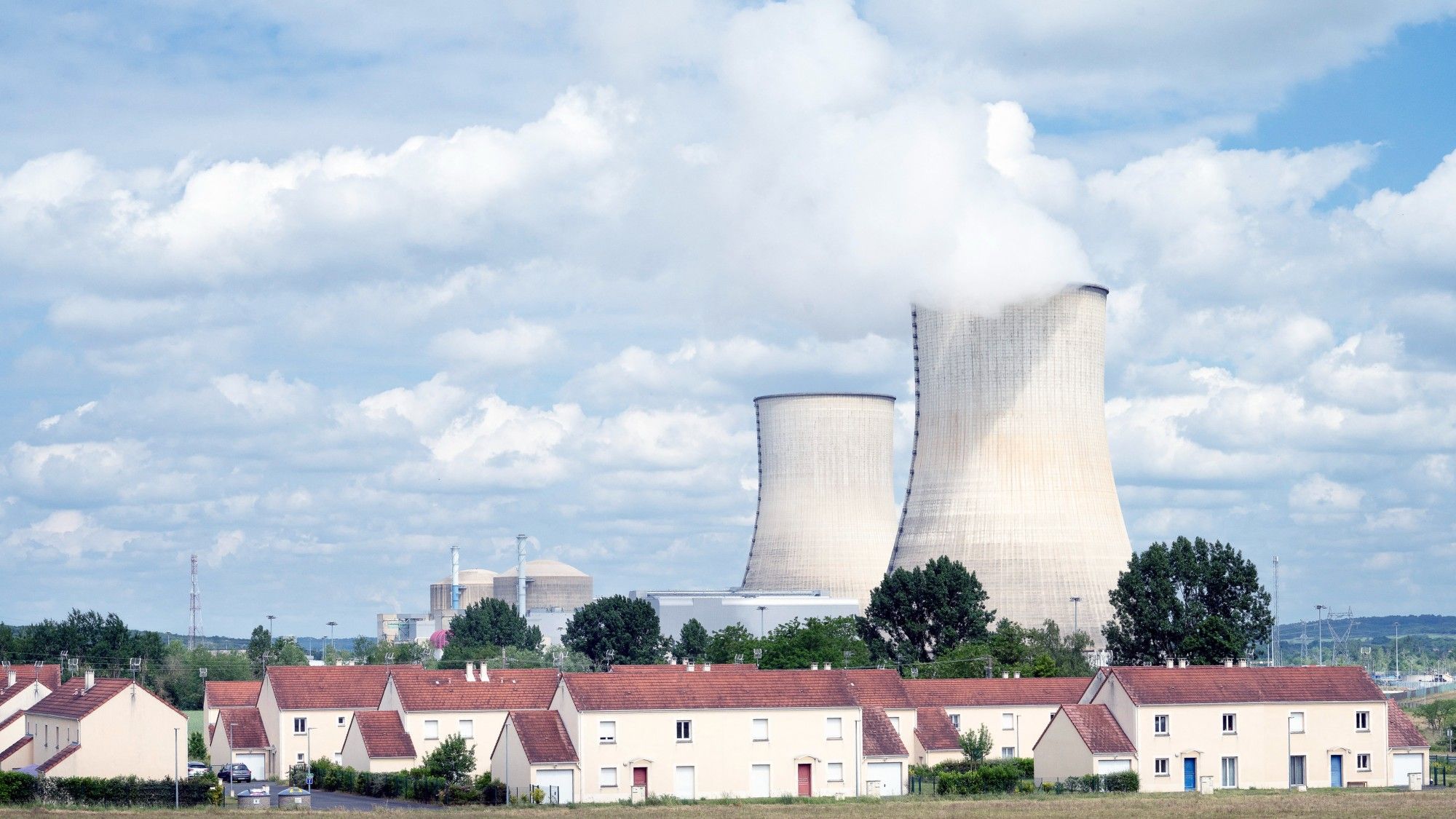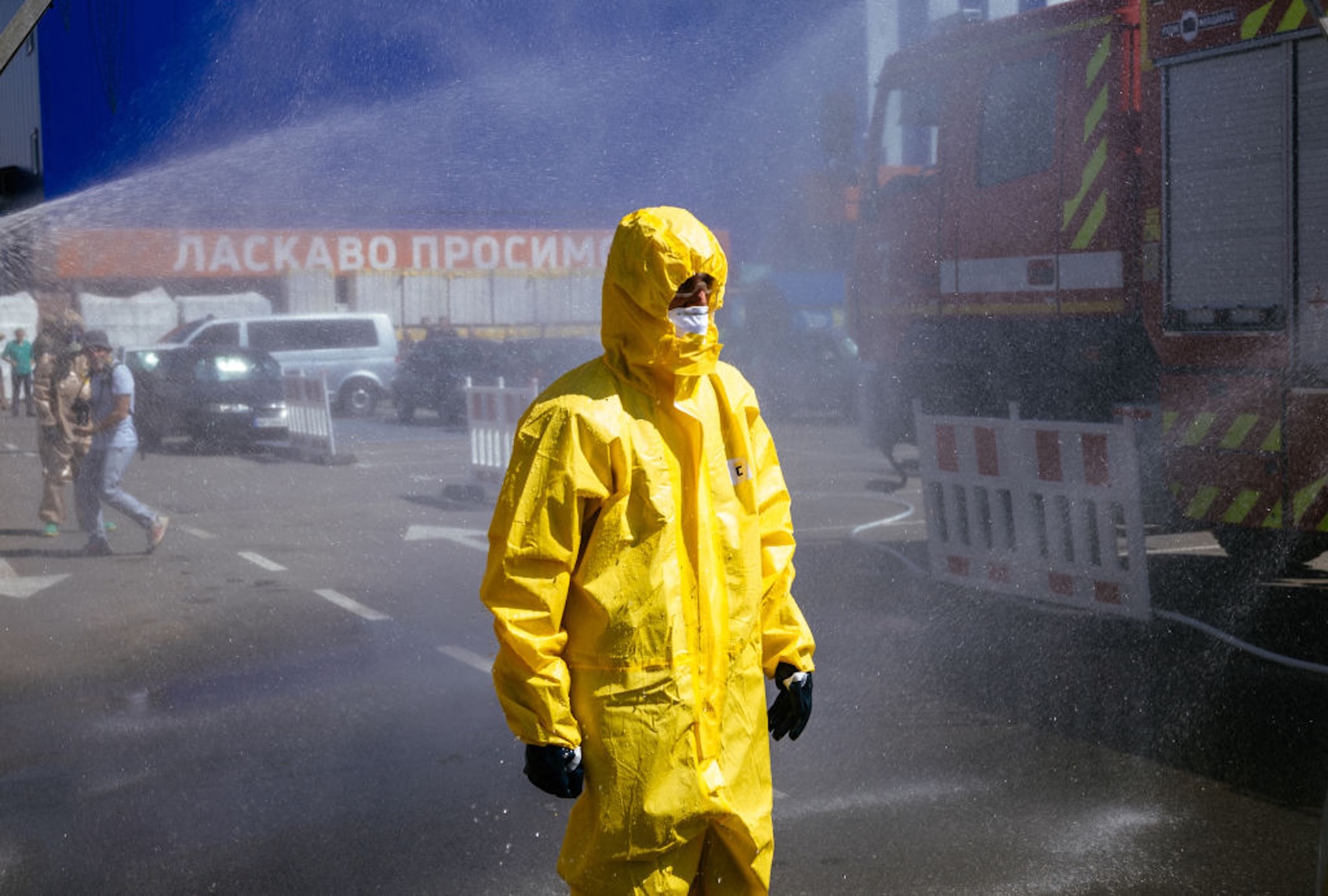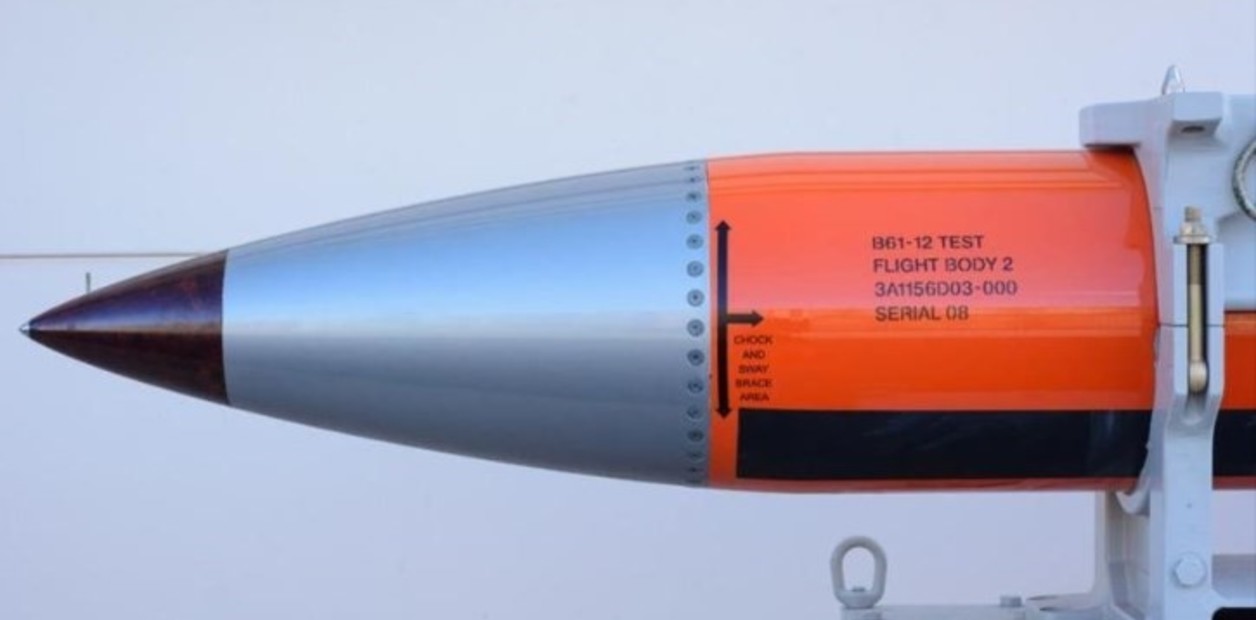
The humanitarian, environmental, and economic consequences of a radiological or nuclear terrorist attack would be global, undermining international peace and security and eroding confidence in the peaceful uses of nuclear technology.Although there is no strict definition of nuclear terrorism, examples of what could constitute an attack range from the use of ‘dirty bombs’ to strikes on nuclear power plants, the use of stolen nuclear weapons and the detonation of improvised nuclear devices.Low probability, high impact Thankfully, there has never been a nuclear terrorist attack since the advent of the technology some 80 years ago, which puts the threat in the category of “low in terms of probability, high in terms of impact,” but that doesn’t mean that terrorist groups aren’t attempting a strike of some sort.Al-Qaeda, the terrorist organisation behind the September 11 attack on New York that brought down the Twin Towers, has repeatedly stated its intention to commit acts of nuclear terror and there have been numerous recorded incidents in which radiological material has been either smuggled or stolen.In 2021, for example, Tajikistan reported that 133 tablets containing uranium dioxide were stolen, potentially for trafficking either within the country or in Afghanistan, where Al-Qaeda has a strong presence.“I think the threat has never been so high as it is today,” says Mauro Miedico, Director of the UN Counter-Terrorism Centre (UNCCT).“Terrorist groups and individuals engage much more strongly with new technologies. Terrorist groups have recruited experts, including AI specialists, and we have seen the use of drones in terrorist acts. This potentially makes it more possible that they will launch a dirty bomb via drone.”
Nuclear terror threat ‘has never been so high’
The widespread availability of new technology, such as militarised drones and artificial intelligence, means that the current threat of nuclear terrorism is higher than it has ever been.
558 words~3 min read