Audio By Vocalize
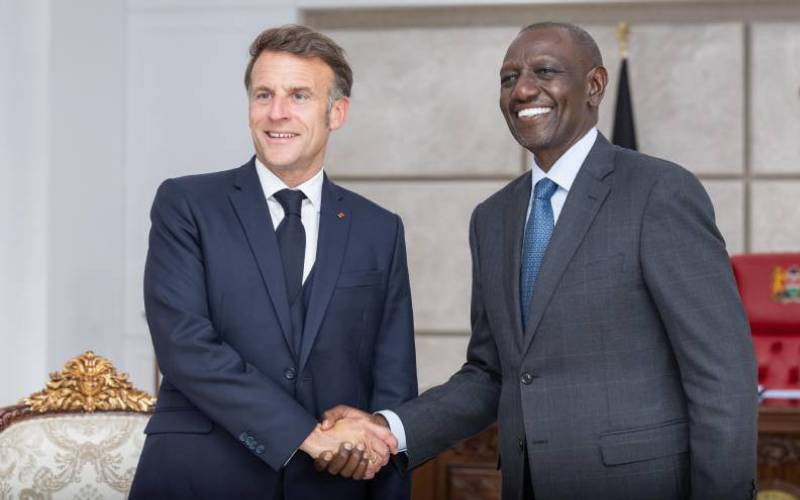
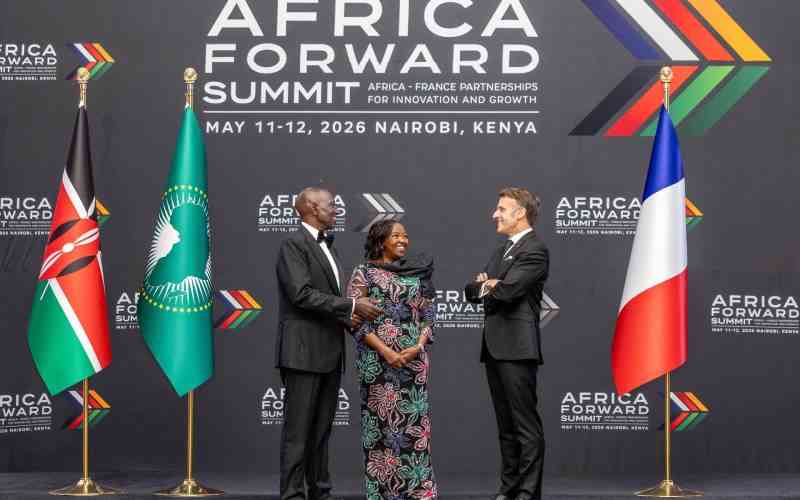
William Ruto, First Lady Rachel Ruto and Emmanuel Macron during a State House, Nairobi state banquet for heads of state and government attending the inaugural Africa Forward Summit 2026. [PSC]
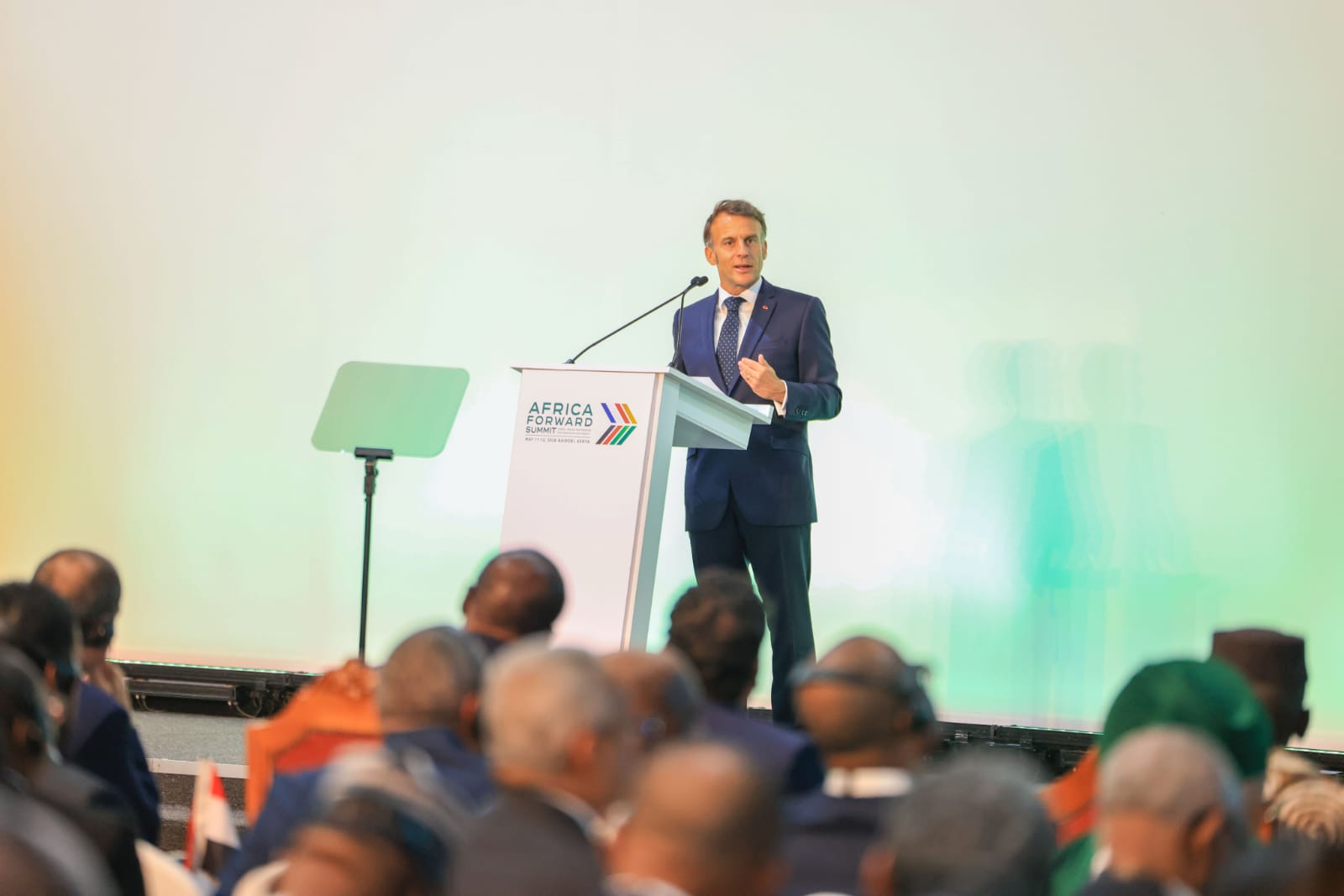
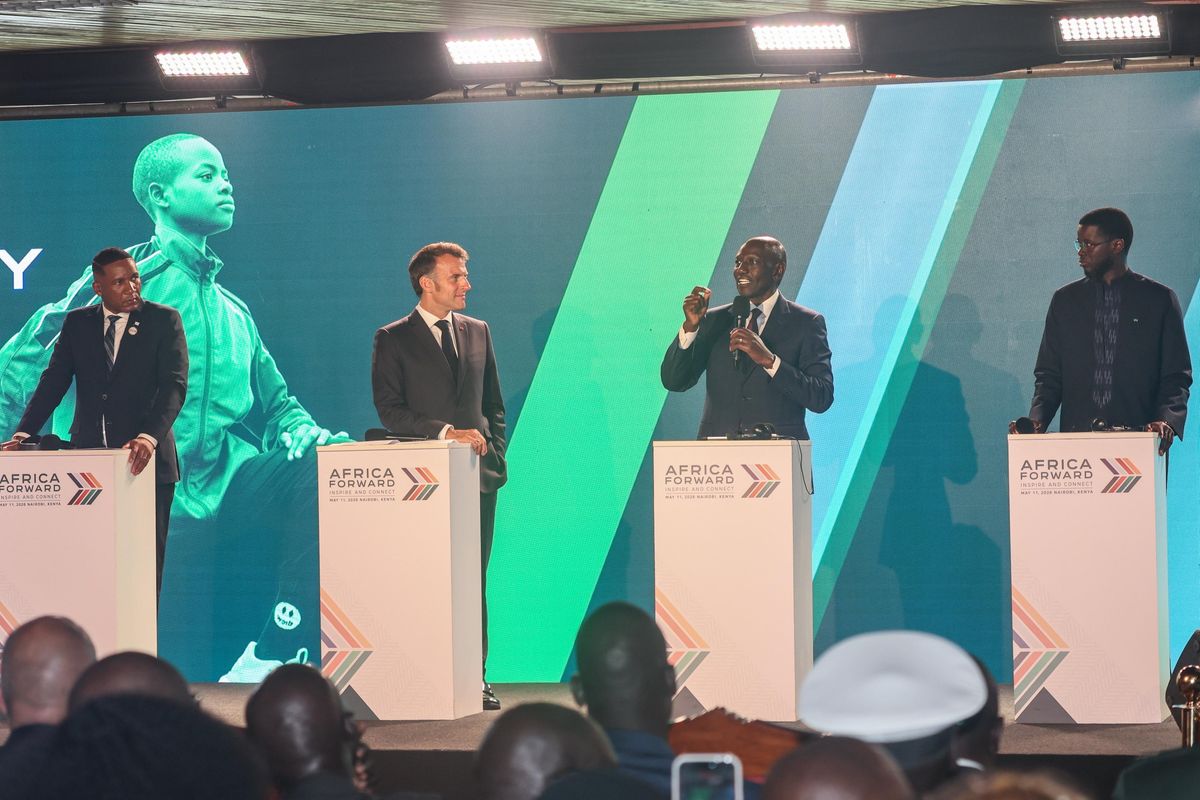
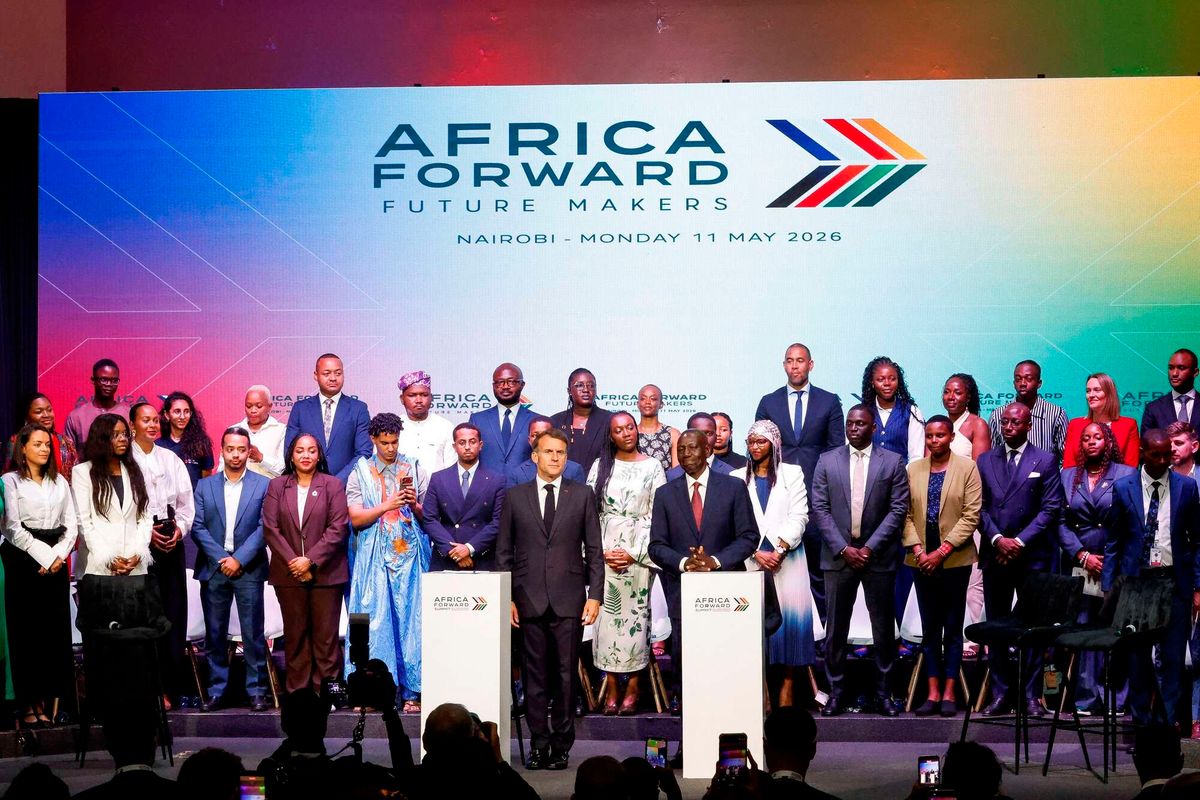
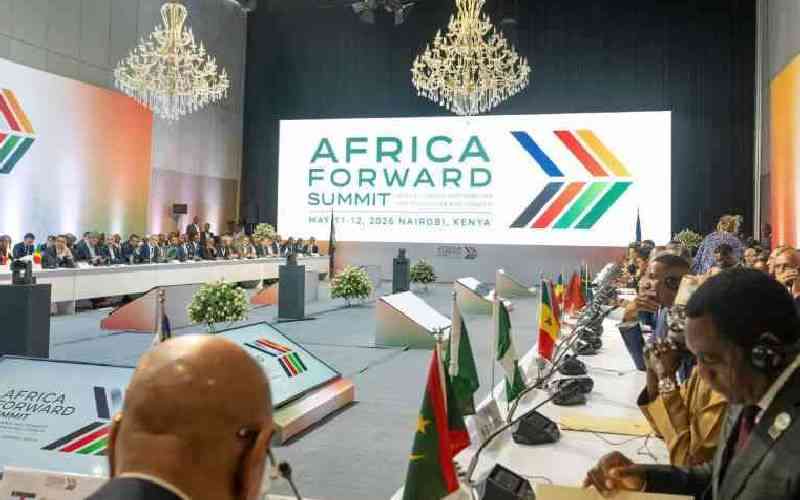
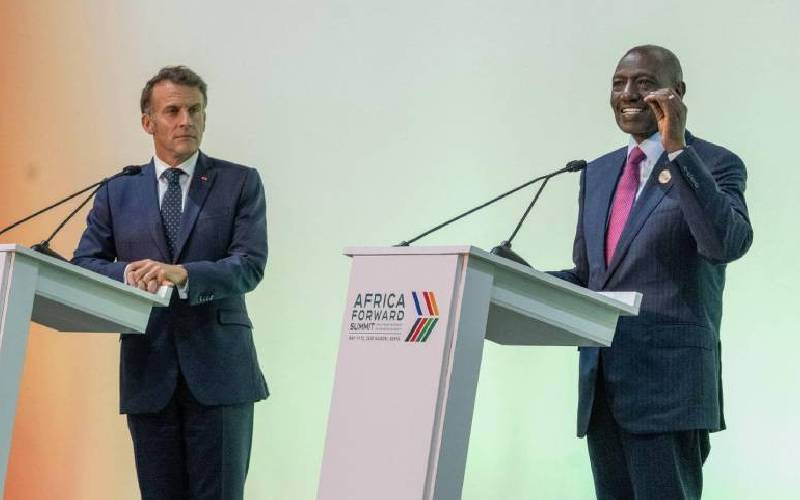
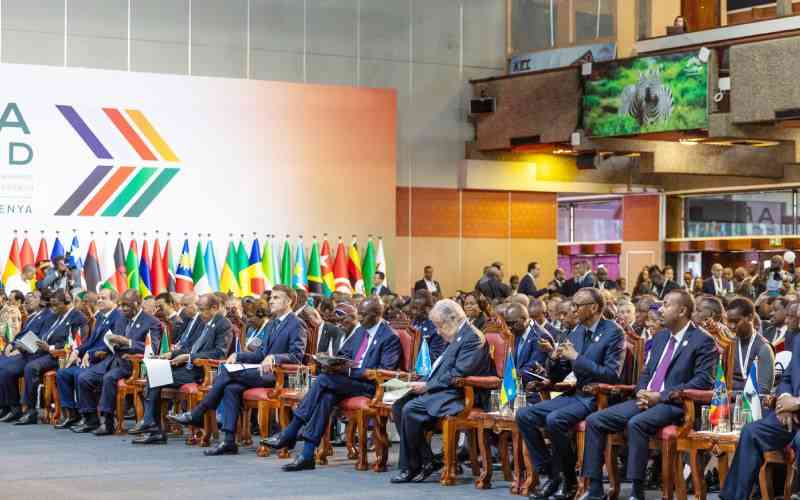
As the France–Africa Summit came to a close, discussions once again centred on investment, infrastructure, trade, energy transition, and economic partnerships. From transport systems and industrial corridors to renewable energy and digital transformation, the summit reflected growing global interest in Africa’s economic potential. Yet beneath the high-level engagements lies a more fundamental issue that will ultimately determine whether these partnerships transform Africa or deepen dependency, the continent’s ability to develop the skills needed to drive its own industrialisation.
For decades, Africa’s partnerships with external actors have largely revolved around financing infrastructure, extracting resources, and expanding trade. Roads have been built, ports expanded, energy projects commissioned, and industrial investments have been announced. However, one persistent challenge remains unresolved—the shortage of industry-ready skills required to sustain these investments locally. This challenge is becoming more urgent as Africa accelerates implementation of the African Continental Free Trade Area and pursues the aspirations of Agenda 2063. Both frameworks envision a prosperous and industrialised continent driven by its own people. That ambition cannot be realised if Africa continues importing expertise to operate critical sectors of its economy.