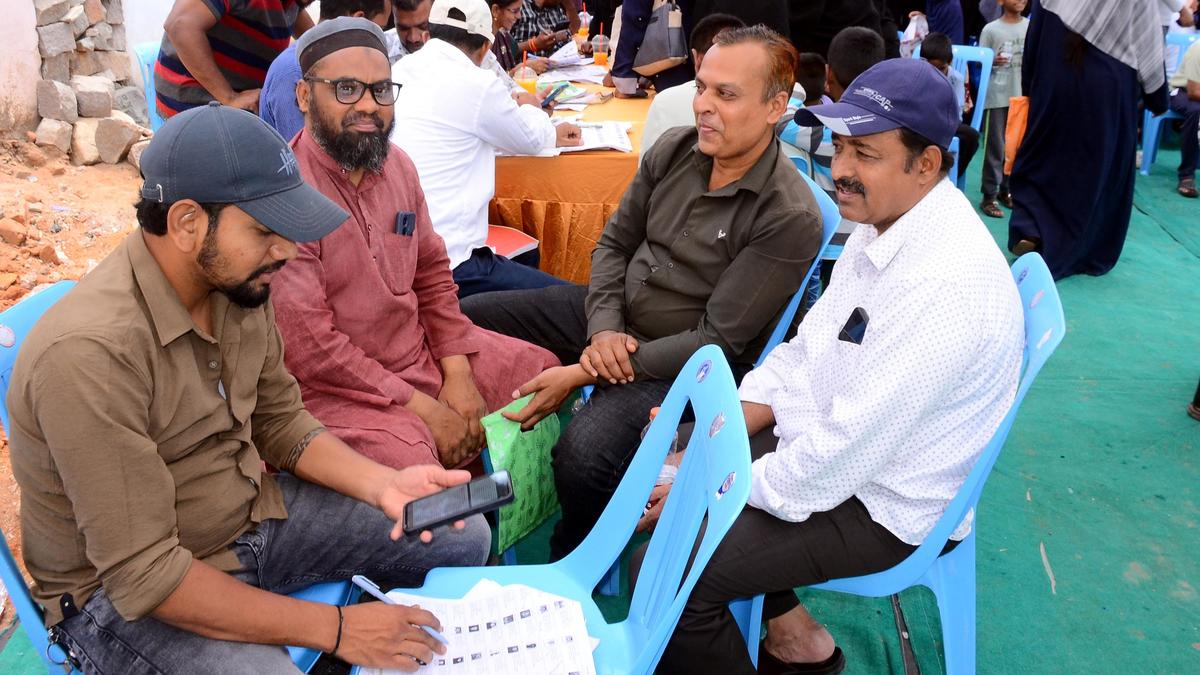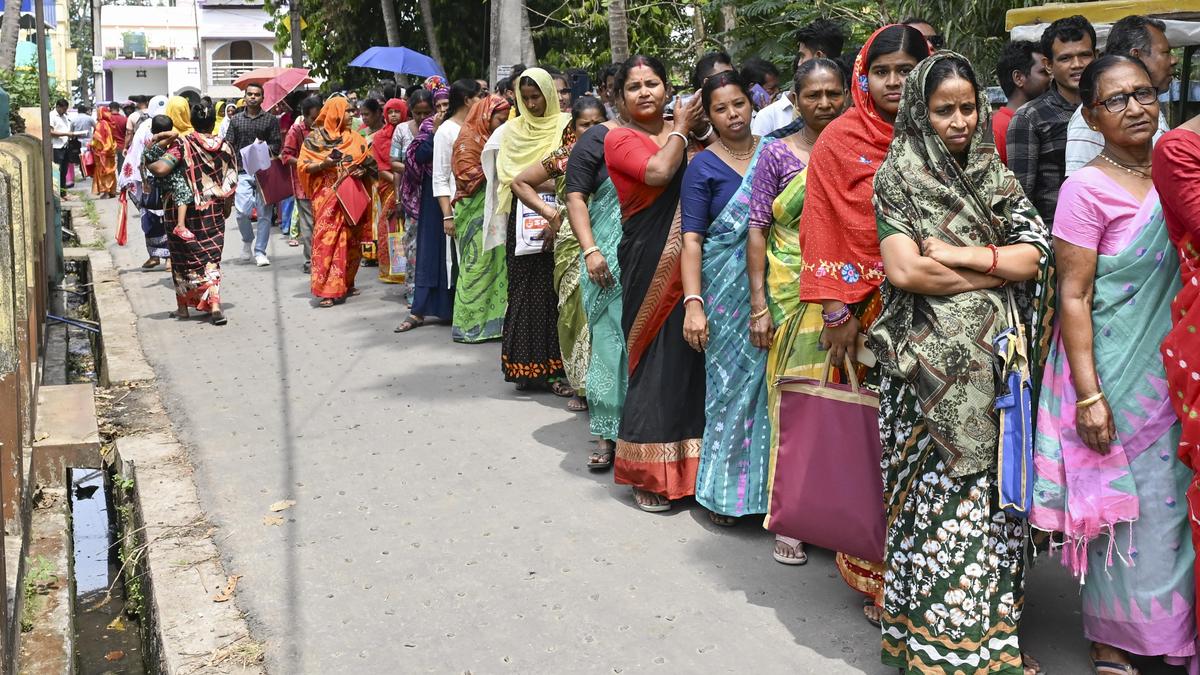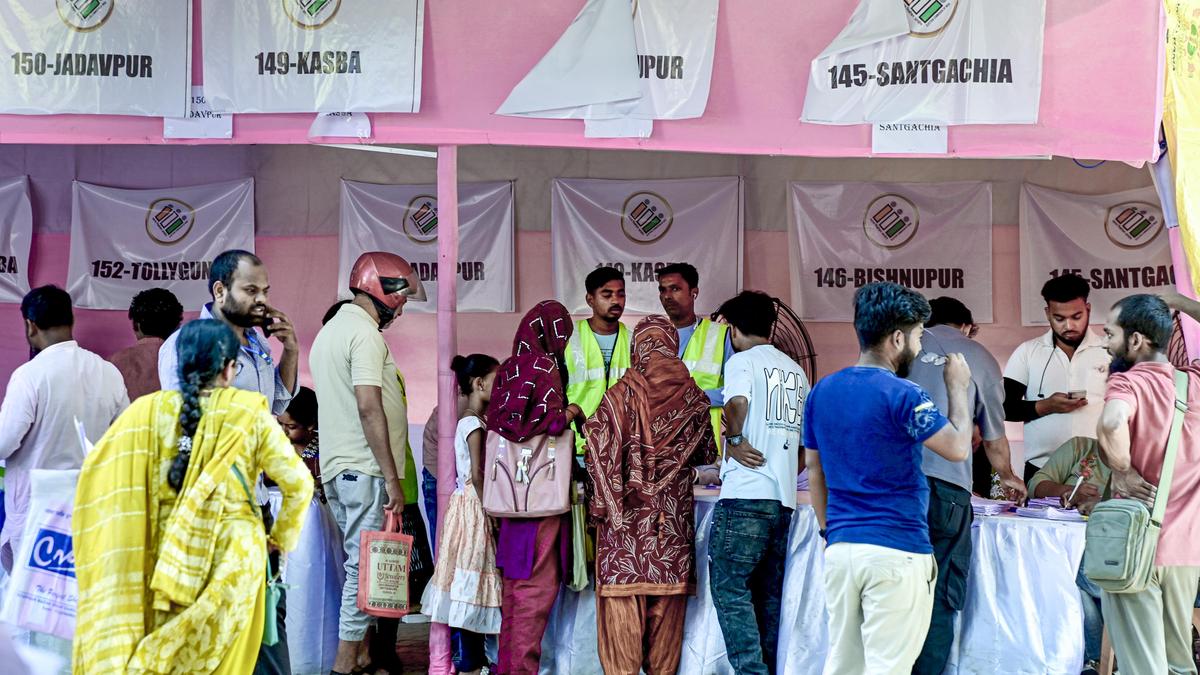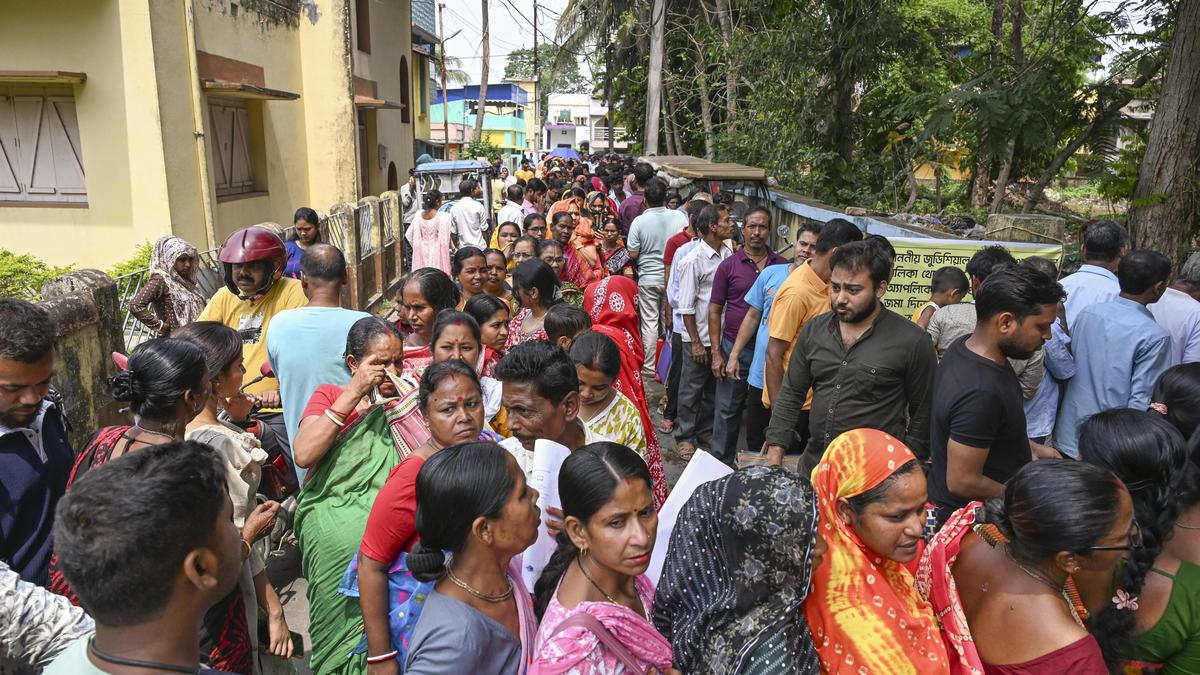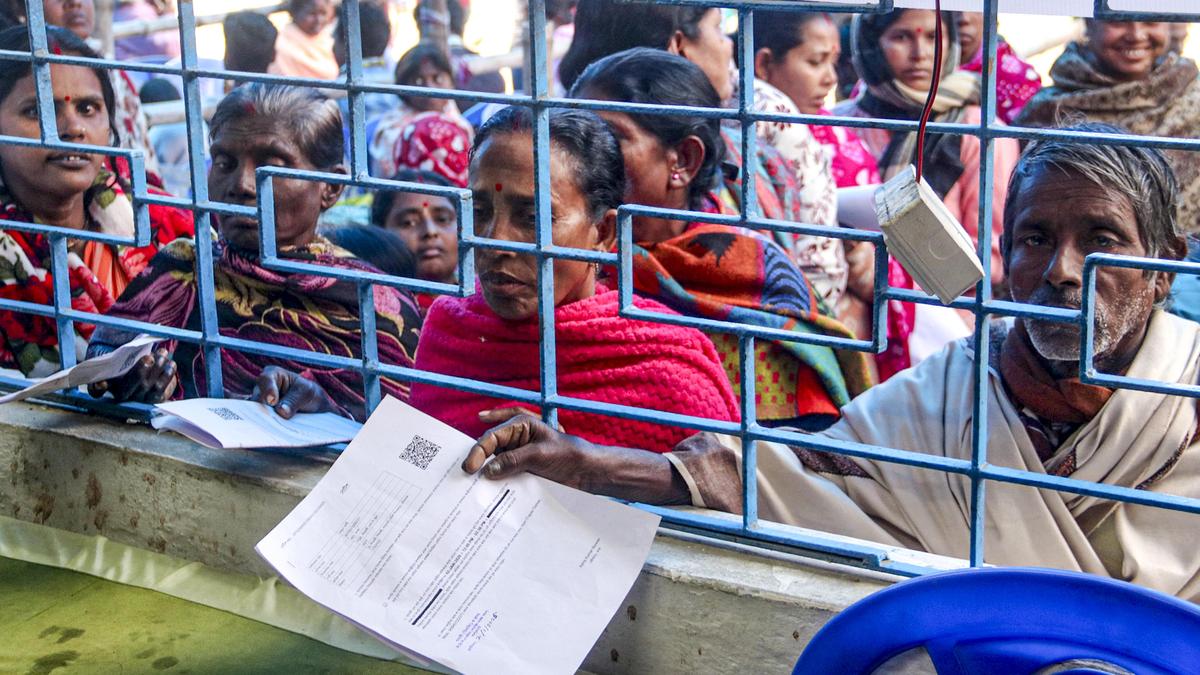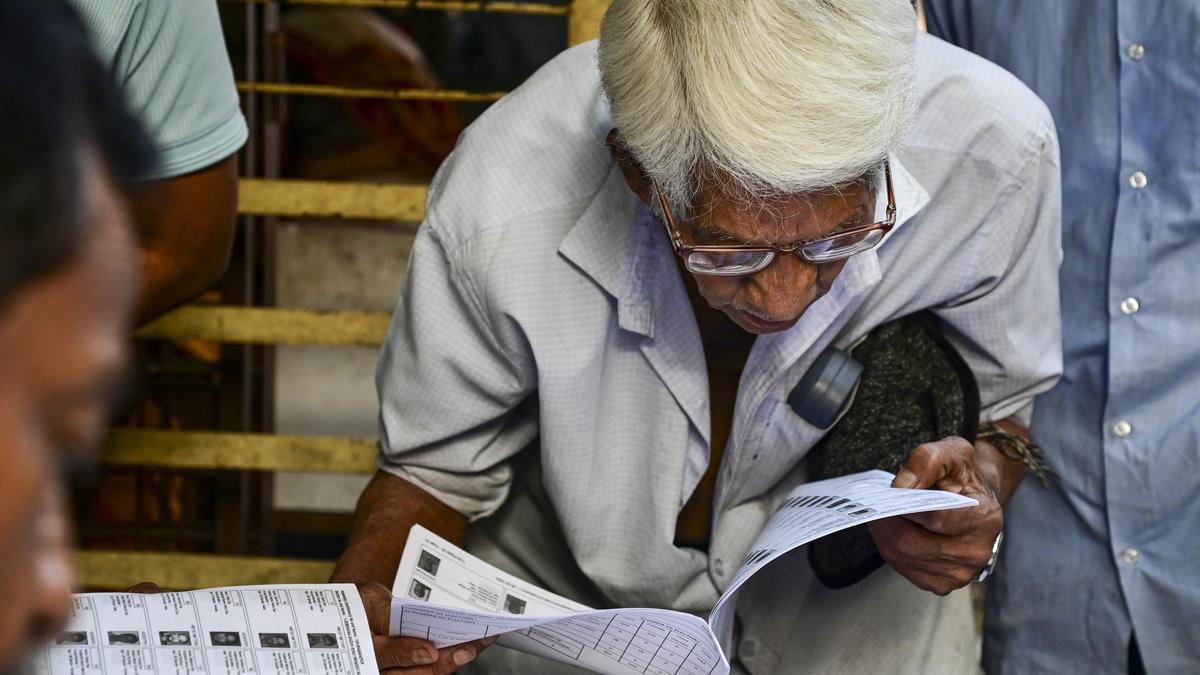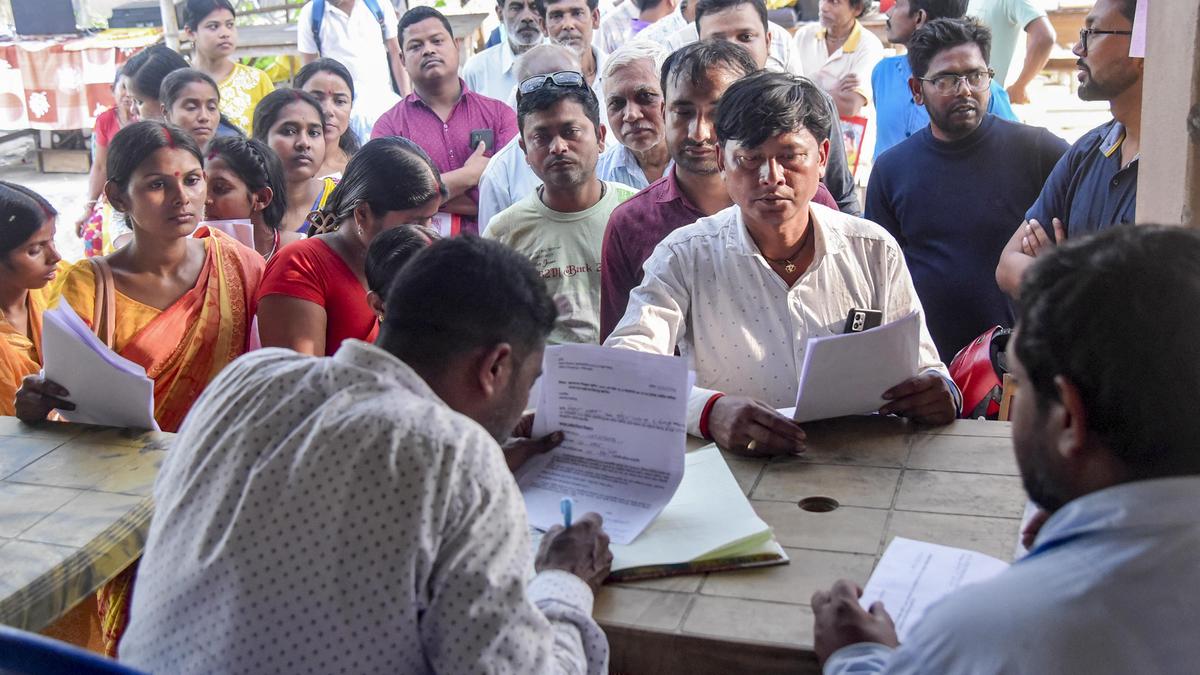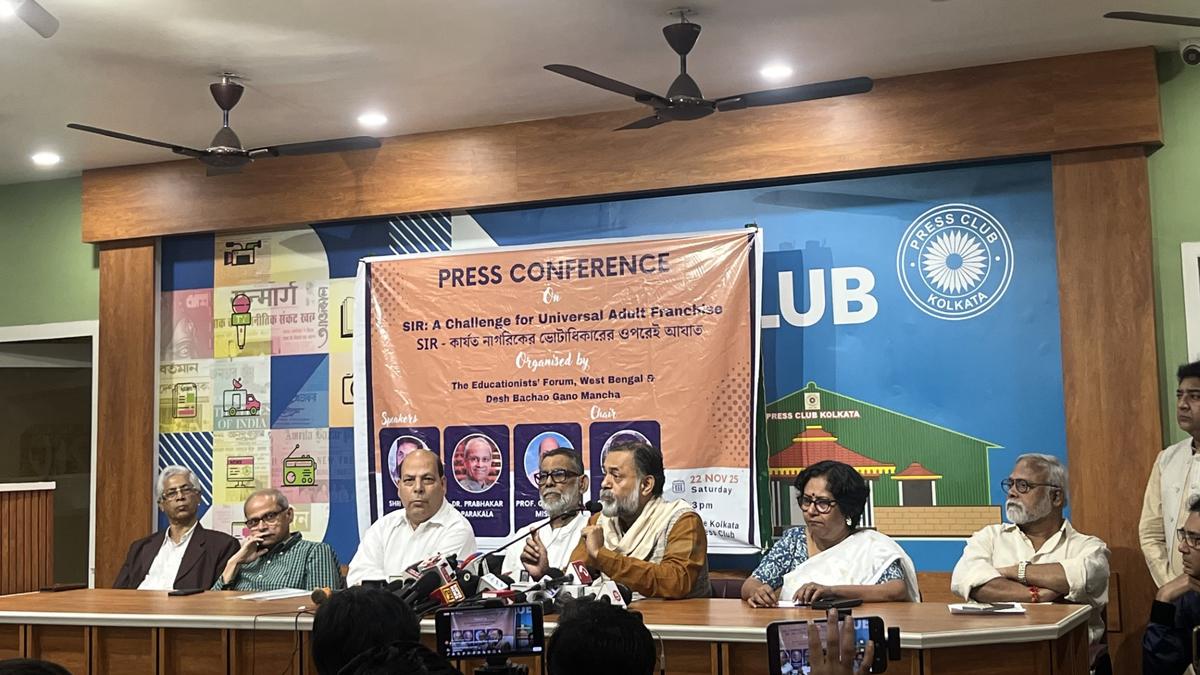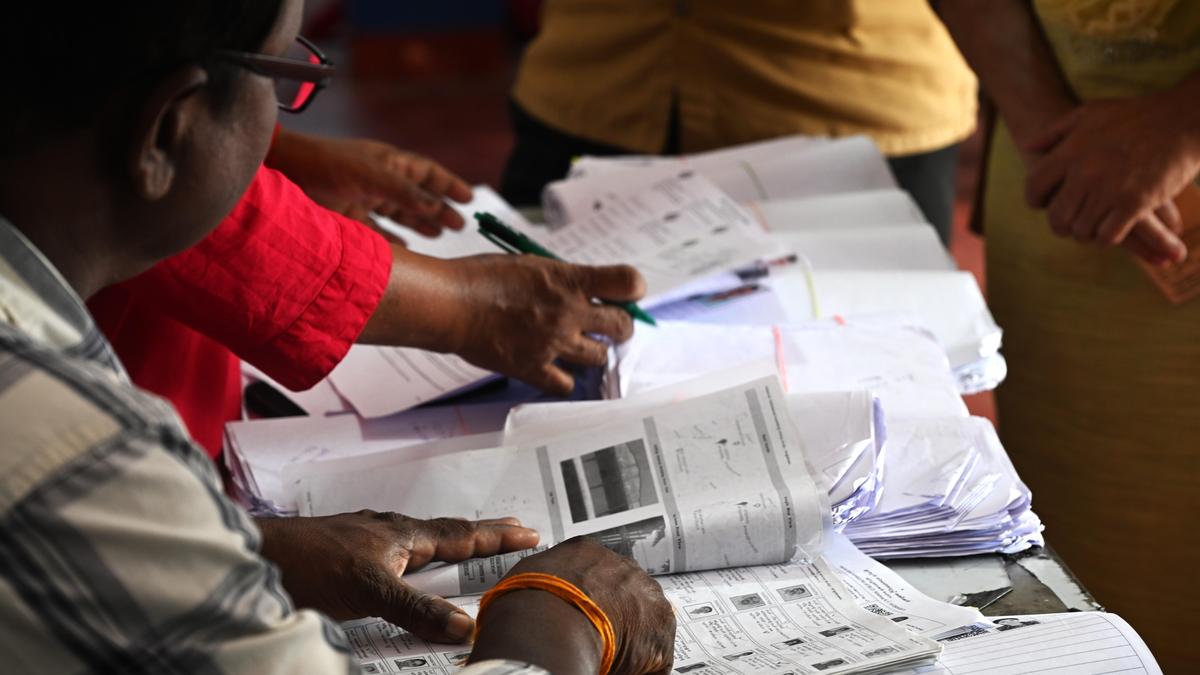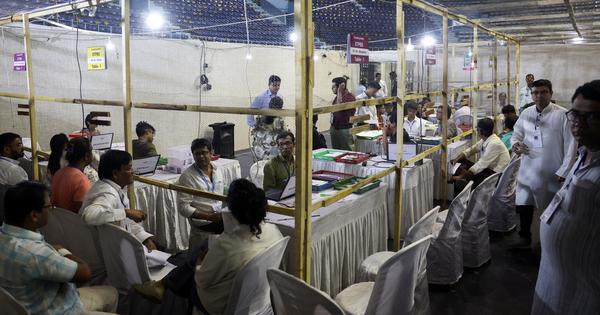
The political consequences of the Election Commission of India’s controversial voter-roll revision came into sharp focus on May 4, when the Bharatiya Janata Party swept to power in West Bengal with 207 seats.In a state where 1.36 crore voters were reportedly flagged by the commission as having a “logical discrepancy” and at least 27 lakh people have appealed against their names being deleted from the rolls, the Trinamool Congress’s defeat by the BJP will inevitably subject the commission’s actions to searching scrutiny.On the face of it, however, it would seem that the Special Intensive Revision of the electoral rolls conducted in West Bengal was unconstitutional for three reasons.First, the Election Commission created a new category of electoral suspicion – “logical discrepancies” – without statutory authority. Second, it delegated voter-eligibility decisions to officials exercising quasi-judicial power without adequate training, standards, or procedural clarity. Third, it created an appeals process that could not realistically correct wrongful exclusions before polling.Whether wittingly or not, the Supreme Court has ensured that administrative delay results in mass disenfranchisement.The Supreme Court should therefore have stayed exclusions, based on the “logical discrepancy” category in the case of Mostari Banu v Election Commission of India, and required the commission to disclose the criteria on which it made these decisions, keeping already-registered voters on the rolls pending meaningful appeal. Instead, it rendered these defects provisionally legal and permitted the electorate itself to be shaped by opaque administrative processes.Courts are often reluctant to intervene in these electoral processes. Their reason for doing so rests on the issue appearing political, even though non-intervention changes the political baseline. The Special Intensive Revision litigation belongs in that frame. When access to the democratic process is threatened, the judiciary’s role is to protect the preconditions of equal political participation.1. The EC does not have the power to create a new category of “logical discrepancies”The Election Commission’s first constitutional infirmity was the invention of a new category of electoral suspicion: “logical discrepancies”. It reportedly covered mismatches in a father’s name, variations in parents’ ages, large age gaps between parents, and irregularities in grandparents’ ages.But no provision of the Representation of the People Act, 1950, the Conduct of Elections Rules, 1961, or the Registration of Electors Rules, 1960 creates such a category.It does not authorise the commission to build algorithmic proxies (the workings of which have not been made public) for ineligibility, and then require lakhs of voters to rebut them.Categories are instruments of power. Once the state labels a registered voter as having a “logical discrepancy” in their entry on the rolls, that person is no longer treated as an ordinary elector. They become administratively suspect.In West Bengal, alongside cases that the commission treated as suspicious, the category appears to have swept in ordinary clerical variations – spelling errors, missing middle names, age inconsistencies, and data-entry mistakes.The commission’s response to these concerns was to invoke Article 324, which gives it broad control over elections. But that power is not a blank check. In the 1984 case of AC Jose v Sivan Pillai, the Supreme Court held that when election law already covers the field, the commission cannot rewrite or add to it through administrative directions.In the 1995 case of Lal Babu Hussein, the court made clear that voter-roll preparation is governed not only by election statutes, but also by the Constitution’s basic voting guarantees: no identity-based exclusion from the rolls and the right to vote of adult citizens.The oral hearings at the Supreme Court in the SIR case exposed the unsteady footing of the commission’s position. Justice Joymalya Bagchi reportedly noted that Bihar’s SIR had no comparable list of logical discrepancies. However, in West Bengal, it became central to the Election Commission’s goals.A category absent from statute, absent from prior practice, and justified only during litigation is hardly a minor administrative detail. It is much closer to lawmaking, which only the Parliament is empowered to do.2. Delegating quasi-judicial power without adequate safeguardsThe second issue concerned who was deciding voter eligibility. Indian administrative law has long treated such rights-affecting decisions as quasi-judicial, meaning officials must act with court-like fairness, even if they are not judges.In 1969, the Supreme Court in the case of AK Kraipak v Union of India, rejected the rigid divide between administrative and quasi-judicial power because administrative decisions may carry consequences as serious as judicial ones.The SIR process sits uneasily with that principle. Petitioners argued that many officials deciding voter eligibility lacked legal training and came from unrelated administrative roles. But when pressed on this, Senior Advocate DS Naidu, appearing for the Election Commission, reportedly said some officers had been chosen because they were at the same pay level as the required officials – “engineers, etc.” – even though they were being asked to make legal decisions about who could remain on the voter roll.There were also allegations that instructions were sent through informal channels, including WhatsApp messages and oral directions. Petitioners further claimed that Election Commission-appointed “special roll observers” – senior supervisory officials brought in to monitor the revision process – were able to influence or override Electoral Registration Officers through procedures that were never publicly disclosed.If true, this was not merely poor administration, but the exercise of power that affected citizens’ rights through unclear authority and opaque standards.The court’s response was practical, but incomplete. It asked judicial officers from the Calcutta High Court to help handle claims arising from the “logical discrepancy” list, which may have reduced the immediate backlog. But it did not answer the harder question: was the original process lawful if voter eligibility was being decided by officials without proper legal training, clear rules, or real independence?By patching the process rather than testing its foundations, the court legitimised a potentially unlawful structure through supervision.3. The appeals process would never finish on time for pollsThe third failure was remedial. The appeals process was structurally incapable of correcting wrongful exclusions before they became actual disenfranchisement. Reports before the court indicated that over 34 lakh appeals were pending, with polling close at hand. The court refused to let pending appellants vote, reasoning that elections must proceed on finalised rolls.There’s a reason courts hesitate to change election rules close to polling. In the US, the Purcell principle in election law captures this concern: late judicial changes can confuse voters, unduly burden administrators and destabilise elections.The analogous concern here cuts the other way: the state should not be allowed to disrupt that baseline through a rushed exclusion process and then invoke finality as a shield. The court placed the risk of institutional delay on voters rather than on the state. A wrongly flagged voter could be excluded not because they were ineligible, but because their appeal was not heard in time.Once a person is already on the voter rolls, the state should bear the burden before removal. The court’s own decision in the Lal Babu Hussein case makes that point: that the preparation and revision of electoral rolls must adhere to the principles of fairness and natural justice, and before any deletion of a voter’s name, authorities must present clear evidence and afford the individual a reasonable opportunity to contestThe injury, then, was not only wrongful removal. It was that exclusion became easy and restoration difficult. A sound anti-Purcell principle would run the other way: courts should hesitate to disturb elections, but they should be even more hesitant to permit the state to change the electorate before meaningful review is possible.What could the court have done instead?The court could have stayed exclusions based on “logical discrepancies” until the Election Commission disclosed the category’s statutory basis, the criteria used to generate the flags, and the reasons for each exclusion.It also could have treated existing voters as eligible unless and until a fair process proved otherwise. That approach would have fit the Constitution’s promise of adult voting rights, its ban on identity-based exclusion from voter rolls, and the Court’s own earlier election cases discussed earlier.Instead, the court placed the risk of institutional delay on the voter. Chief Justice Surya Kant reportedly rejected voting by those with pending appeals as “entirely out of the question”. The court later allowed successful appeals to be reflected in supplementary rolls, but made clear that mere pendency of an appeal would not preserve the applicant’s vote.In doing so, the court burdened the right-bearing voter with the cost of administrative failure rather than the state machinery that produced it. That is a remarkable inversion. It is especially troubling in voting-rights cases, where courts are meant to correct the vast power imbalance between citizen and state – not deepen it.The post-election litigation now shows the cost of that choice. The Trinamool Congress has argued in the Supreme Court that, in 31 West Bengal constituencies won by the BJP, the margin of victory was smaller than the number of voters deleted through the SIR process whose appeals remained pending. It also reportedly argued that the statewide vote gap was about 32 lakh, while nearly 35 lakh deletion appeals were still pending.The Court has asked Trinamool to file separate applications on this claim, while the Election Commission argues that challenges to election results must proceed through election petitions. That is the trap. Before the election, relief was treated as premature or disruptive. After the election, the injury is broken into constituency-by-constituency litigation, harder to consolidate and harder still to remedy without appearing to undo the voters’ verdict.West Bengal’s special intensive revision should therefore be understood as a constitutional failure, not merely an electoral controversy. It shows how disenfranchisement can occur without an express voting ban, emergency rule, or formal amendment to election law.In a constitutional democracy, courts must not merely keep elections moving. They must keep the electorate open.Gaurav Mukherjee is an Associate Professor at the College of Law at Syracuse University.
Three reasons why West Bengal’s SIR exercise was unconstitutional
The Supreme Court should have upheld the voting rights of those excluded due to ‘logical discrepancies’ until the category’s statutory basis was disclosed.
1,646 words~7 min read