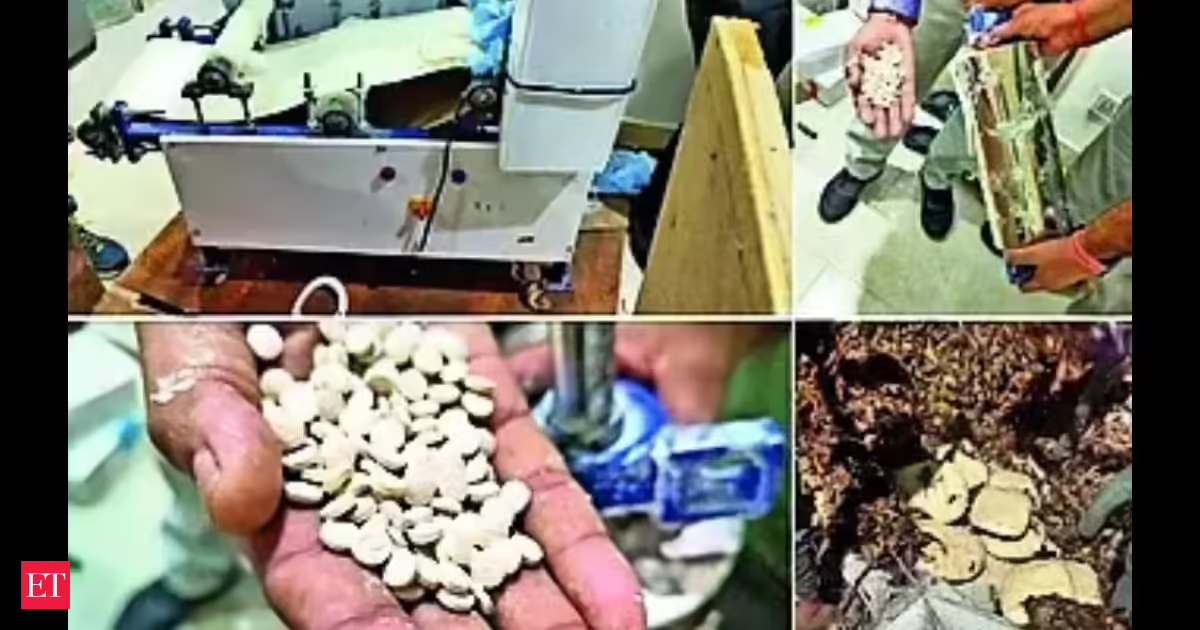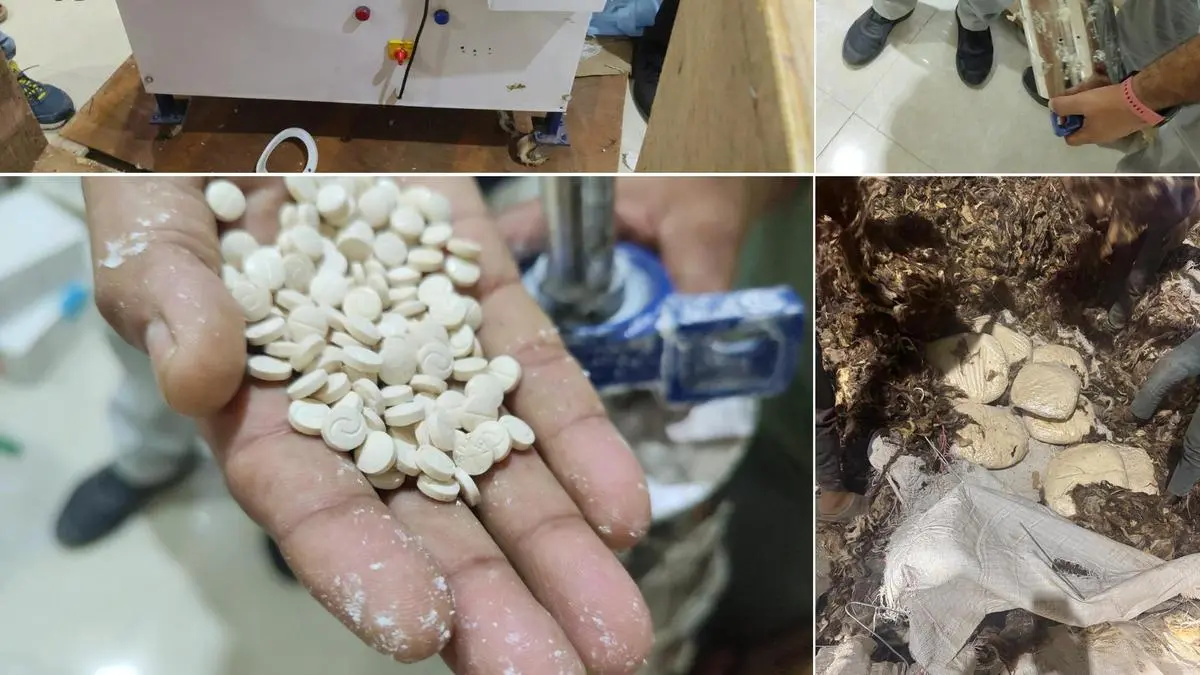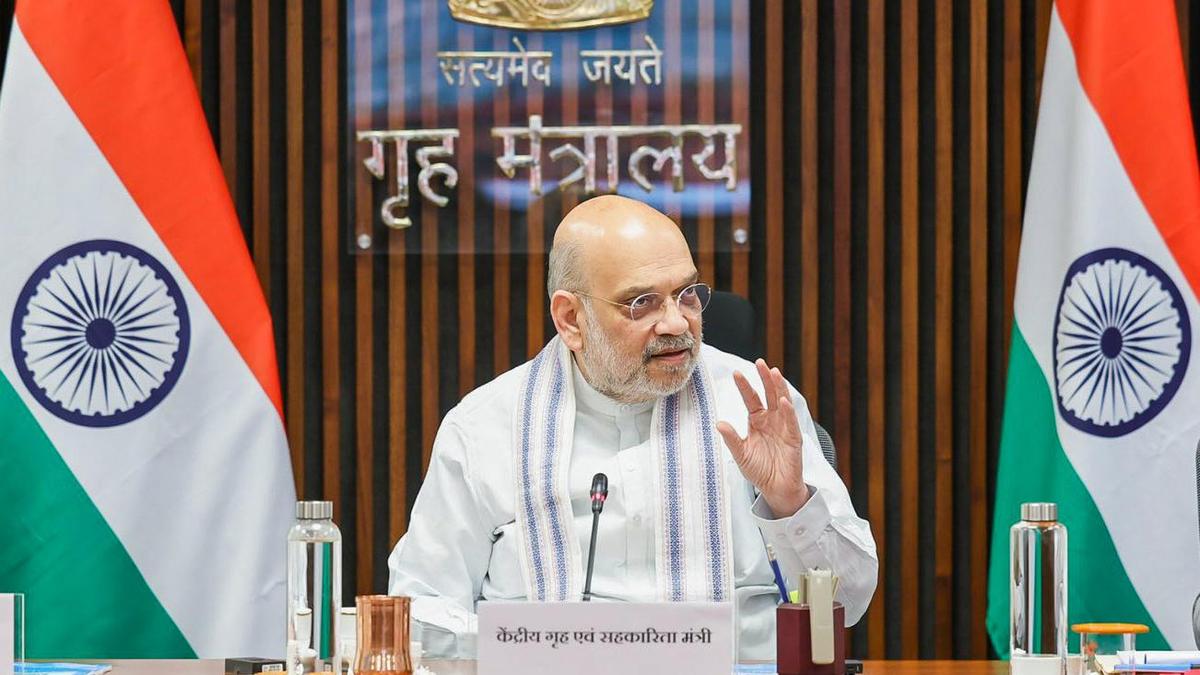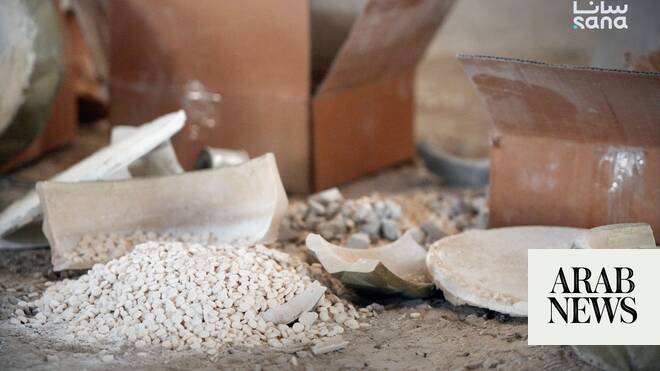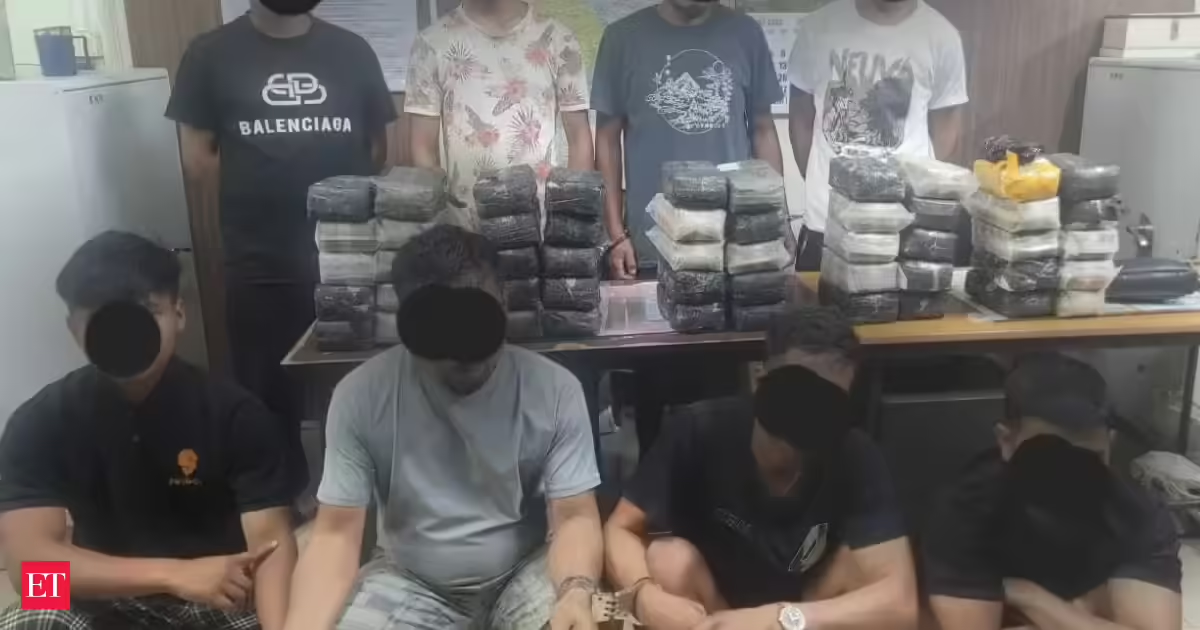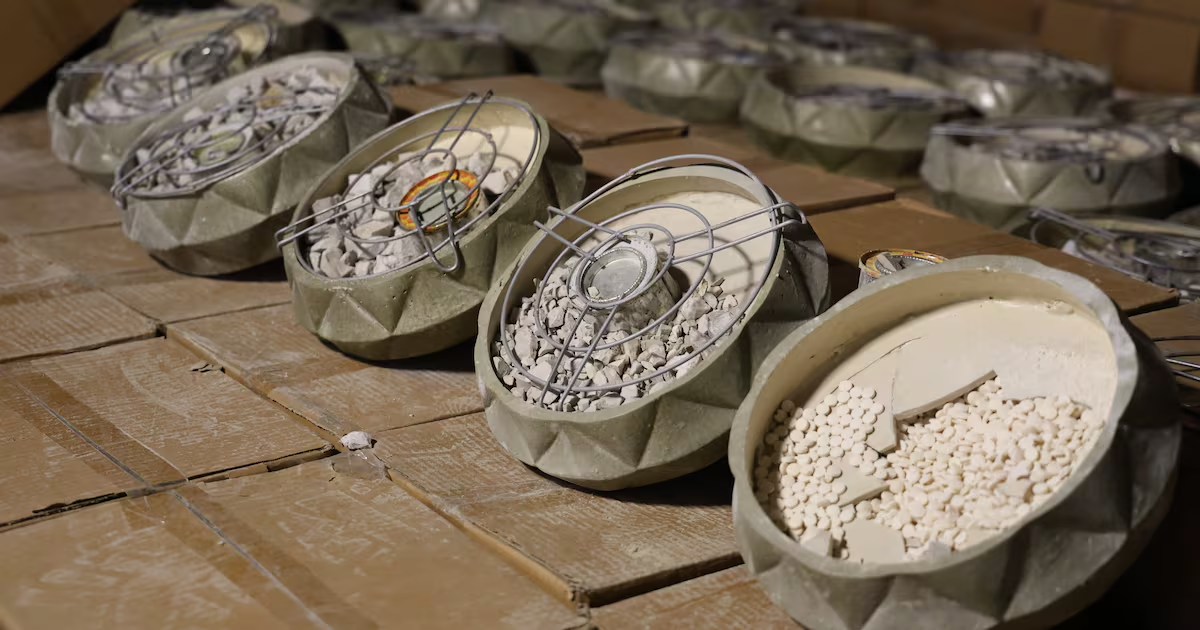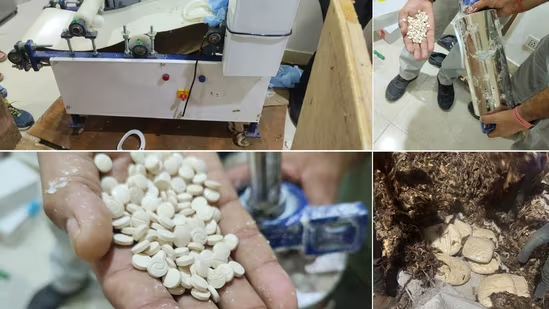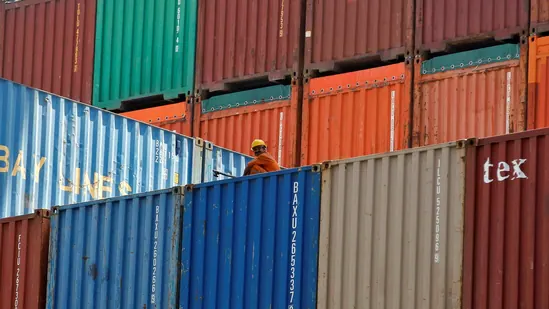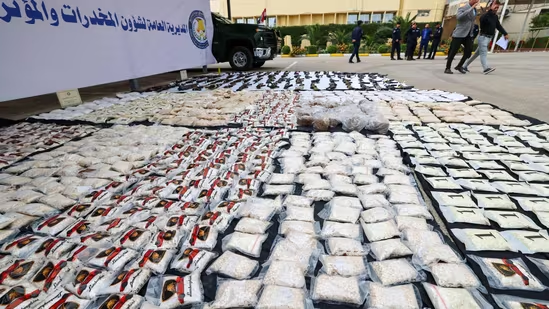
The Narcotics Control Bureau (NCB) has busted a clandestine laboratory in Dehradun where a Syrian national manufactured Captagon, a banned synthetic stimulant popularly known as the ‘jihadi drug’, and arrested an Indian national who had leased the place to another Syrian, police officers aware of the matter said.NCB busts Captagon Doon lab, arrests Indian for leasing placeThe NCB on Saturday night unearthed the laboratory after questioning Alabras Ahmed, the Syrian national who was arrested on May 11, and is the lookout for a second Syrian national who prepared the drug in the Dehradun laboratory, the officers added.Last week, 31.5kg of Captagon was seized from a house in Delhi’s Neb Sarai, where Ahmed lived, and 196.2 kg from a container at the Mundra Port in Gujarat. Both seizures were cumulatively valued at ₹182 crore.Following this, Union home minister Amit Shah announced on Saturday that the NCB had seized the first-ever consignment of Captagon, valued at ₹182 crore and arrested a foreign national.An officer aware of the matter, who asked not to be named, said, “The questioning of Syrian national Alabras Ahmed led us to the illegal laboratory in Dehradun where the pills were manufactured. The 31.5 kg Captagon found in his Neb Sarai house was manufactured here, while the 196.2 kg of Captagon found at Mundra Port was imported from Syria.”The officer added that the factory owner, Sanjay Kumar, charged the Syrian national ₹50,000 daily rent for using the premises to manufacture the drug.“This is the first case to come to light of drug traffickers manufacturing Captagon in a clandestine laboratory,” he added.Kumar, police said, is a resident of Saharanpur, who was earlier arrested for misusing his food license to make chemicals at his factory in Dehradun in 2025, and was out on bail.“For 14 days, he had already taken ₹700,000 from Ahmed and manufactured over 200,000 pills (nearly 32 kg). A Syrian national known to Ahmed put him in touch with Kumar and arranged the factory on rent. The man also arranged another Syrian to manufacture the tablet,” the official added.Captagon is a synthetic stimulant developed in the 1960s and later banned because of its addictive nature. Illicit Captagon tablets are now produced using amphetamine and other stimulants and are often called the “poor man’s cocaine” because of their low production cost. In international media and security discourse it is referred to as the “jihadi drug” owing to repeated allegations and intelligence linking its trafficking and abuse to extremist and conflict-zone networks in parts of West Asia. The term also arose from its reported use by groups such as the Islamic State of Iraq and Syria (ISIS), since the drug’s stimulant effects allegedly help users remain awake, suppress fear and exhaustion, increase aggression and risk-taking behaviour, and sustain prolonged combat-like activity. The large profits from Captagon trafficking have reportedly become a significant source of illicit financing for extremist-linked networks.Drug cartels operating clandestine labs nationwide have become a major challenge for security agencies. Last year the NCB wrote to all state police forces, urging them to identify illegal labs in their jurisdictions. It also outlined red flags for police to watch for, including blacked-out windows, perimeter CCTV, strong chemical odours, unusual ventilation systems, abnormally high electricity use, large quantities of chemicals, discarded lab equipment, frequent deliveries of unlabelled boxes, and residents displaying evasive or paranoid behaviour.
NCB busts Captagon Doon lab, arrests Indian for leasing place
The NCB uncovered a Dehradun lab manufacturing Captagon, arresting a Syrian national and an Indian landlord, with seizures valued at ₹182 crore. | India News
555 words~3 min read