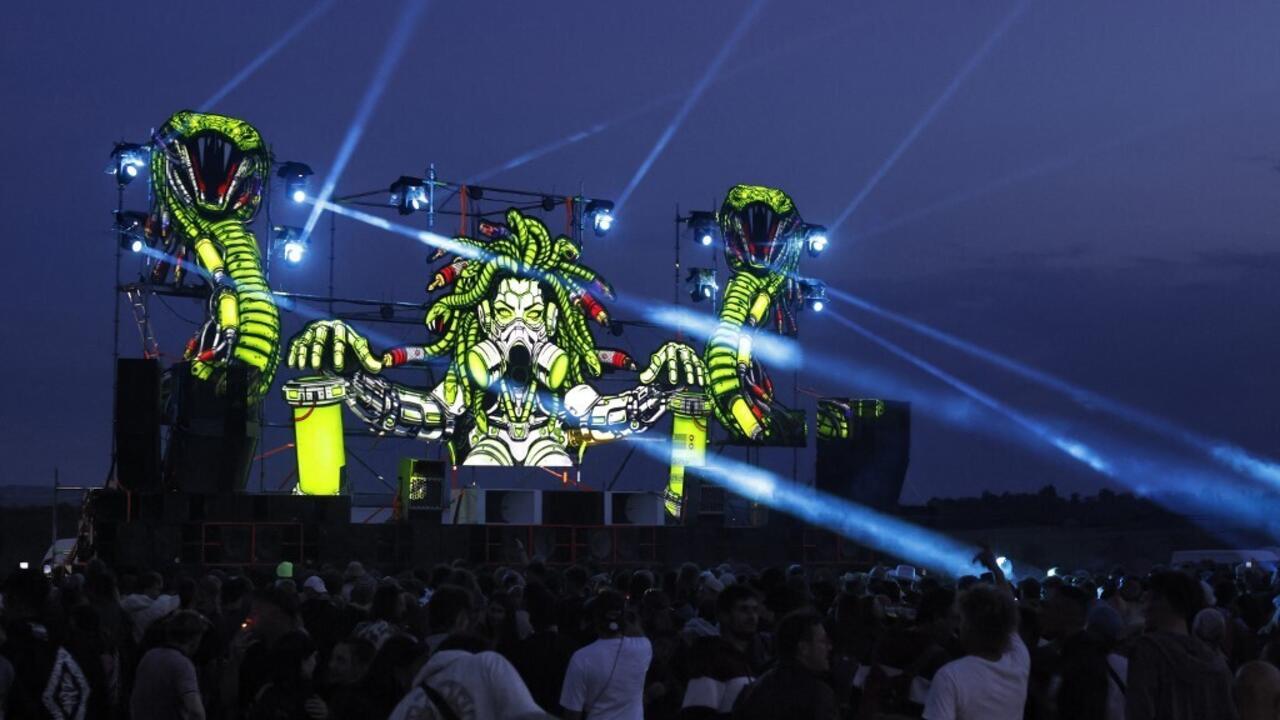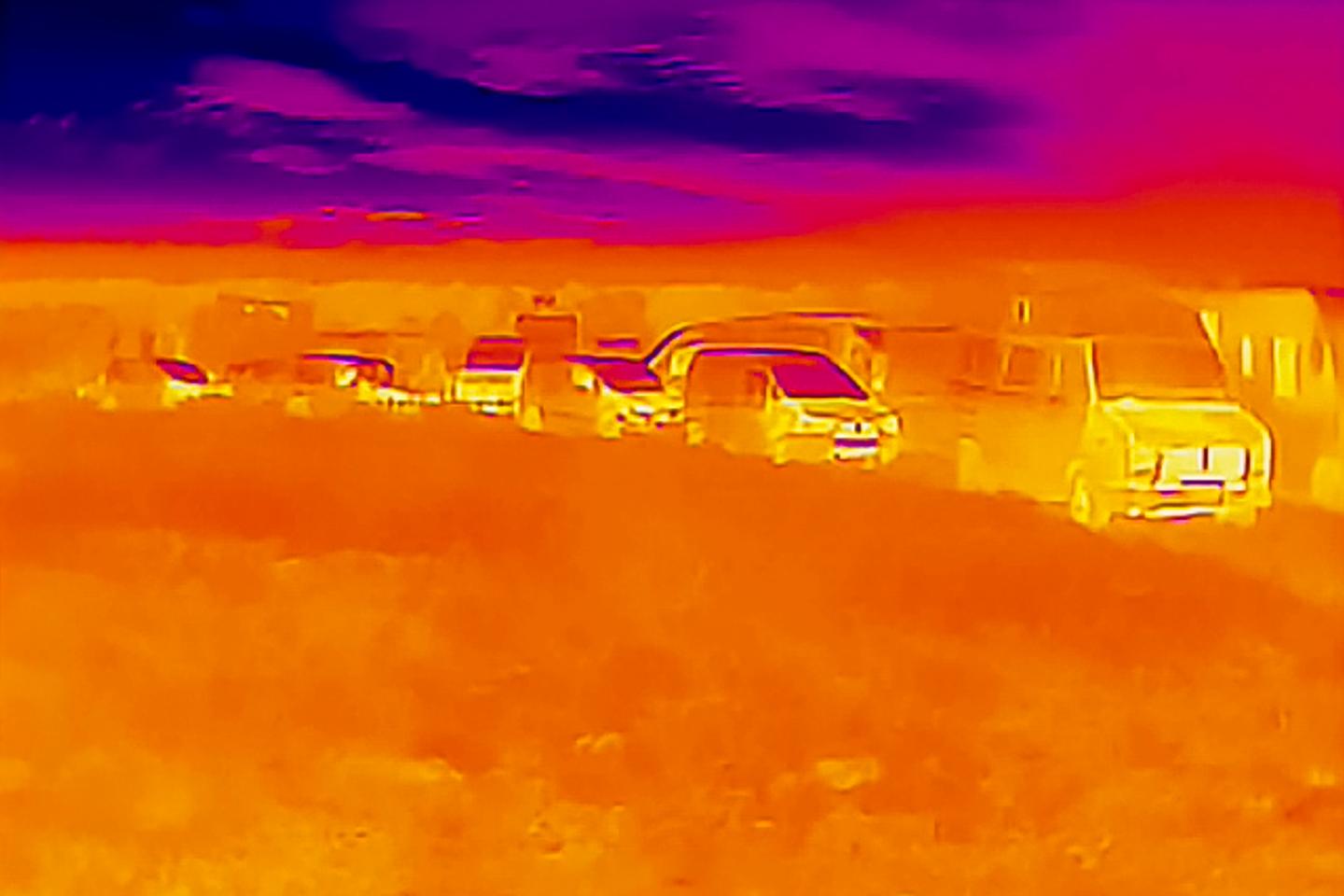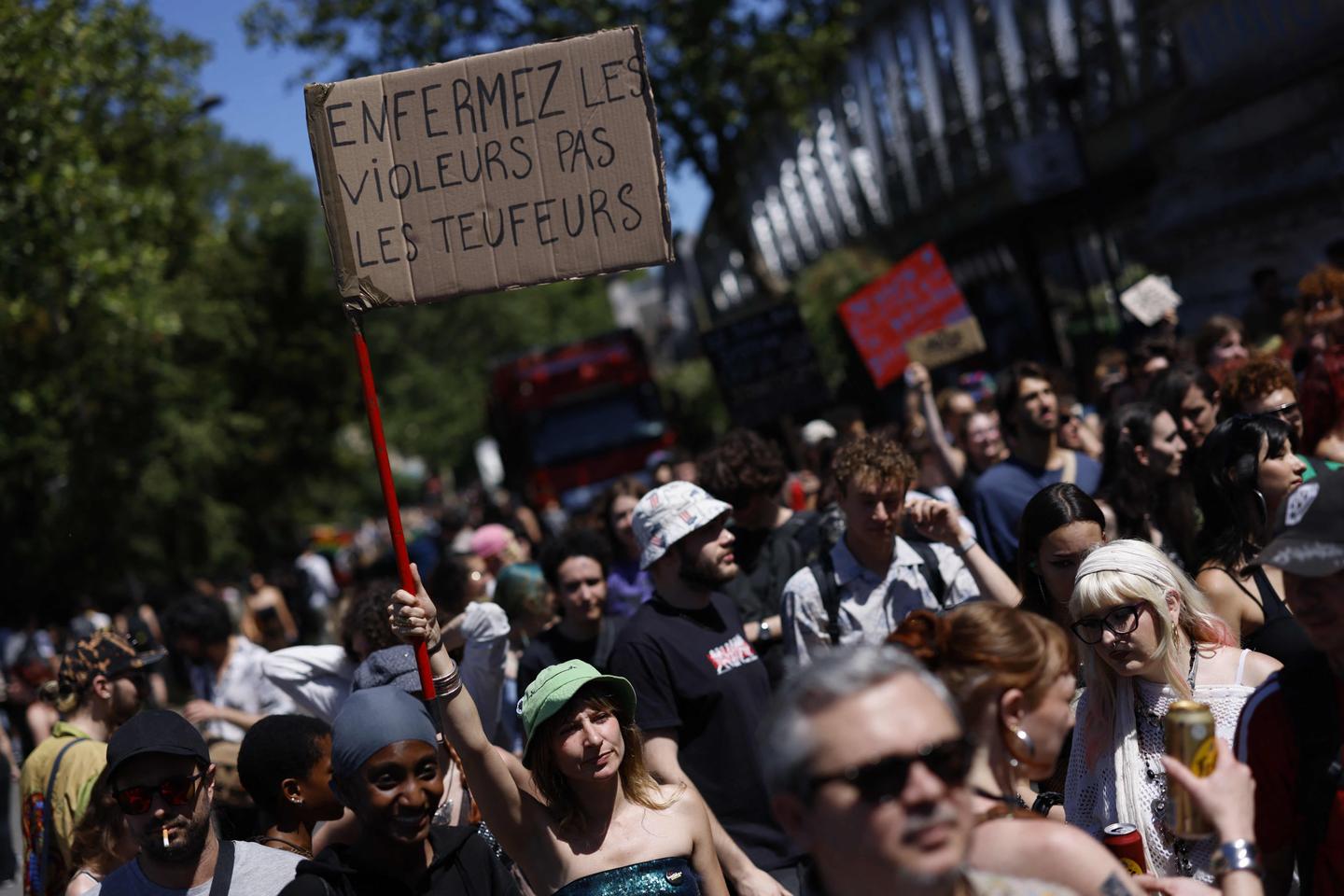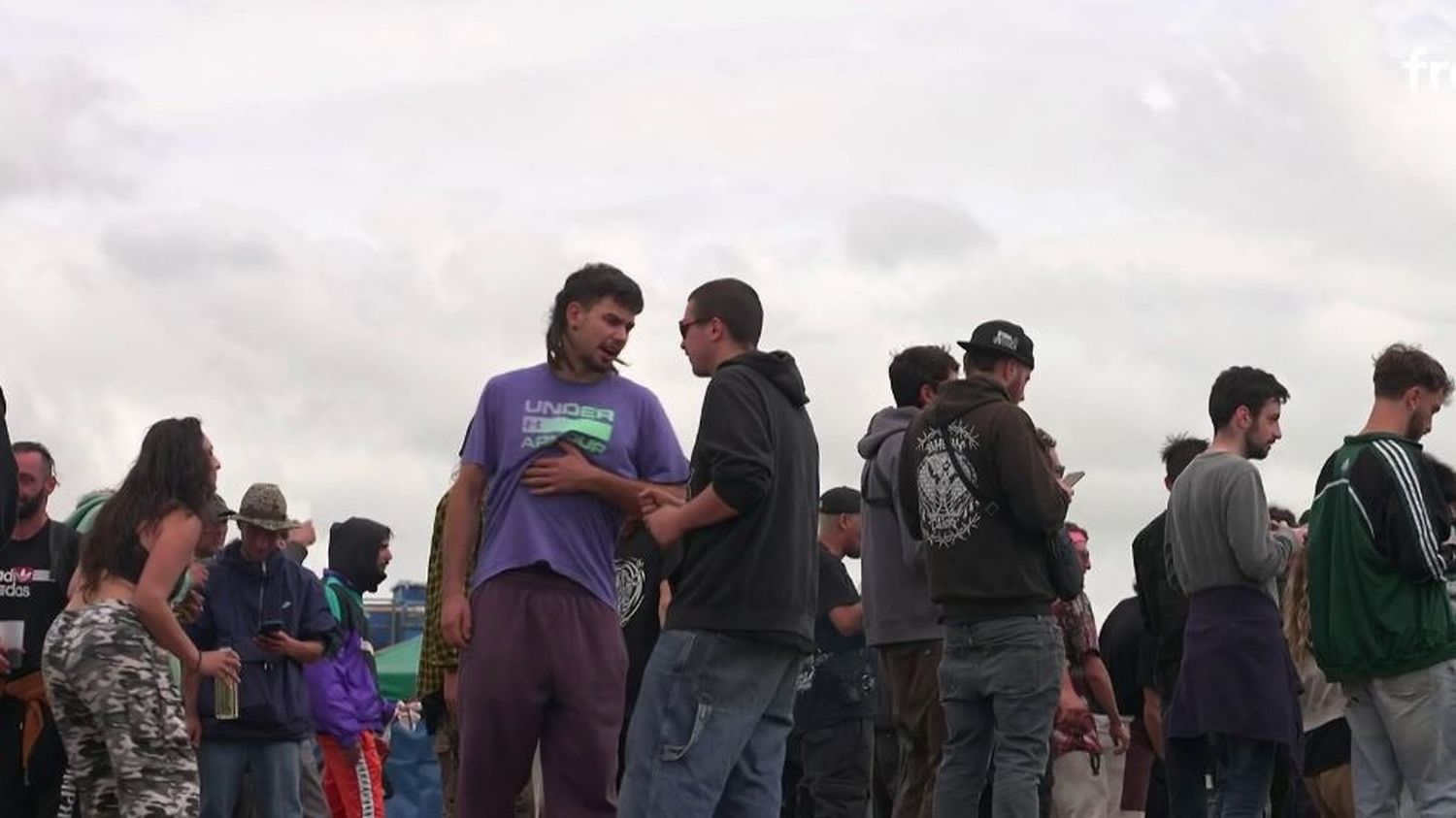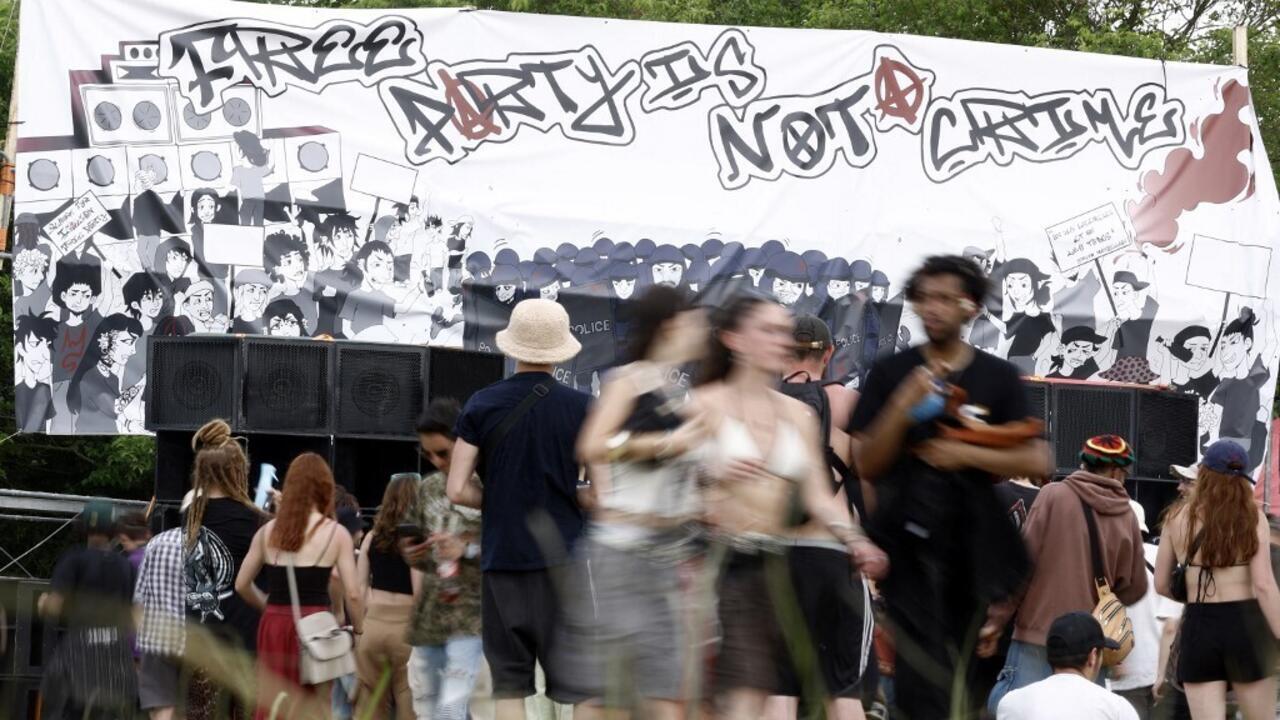
In a quarry between Nantes and Rennes, DJ Maël Péneau once played drum and bass records for three days straight to thousands of "free party" ravers. Thirty years on, a proposed law would put the organisers of events like these behind bars.
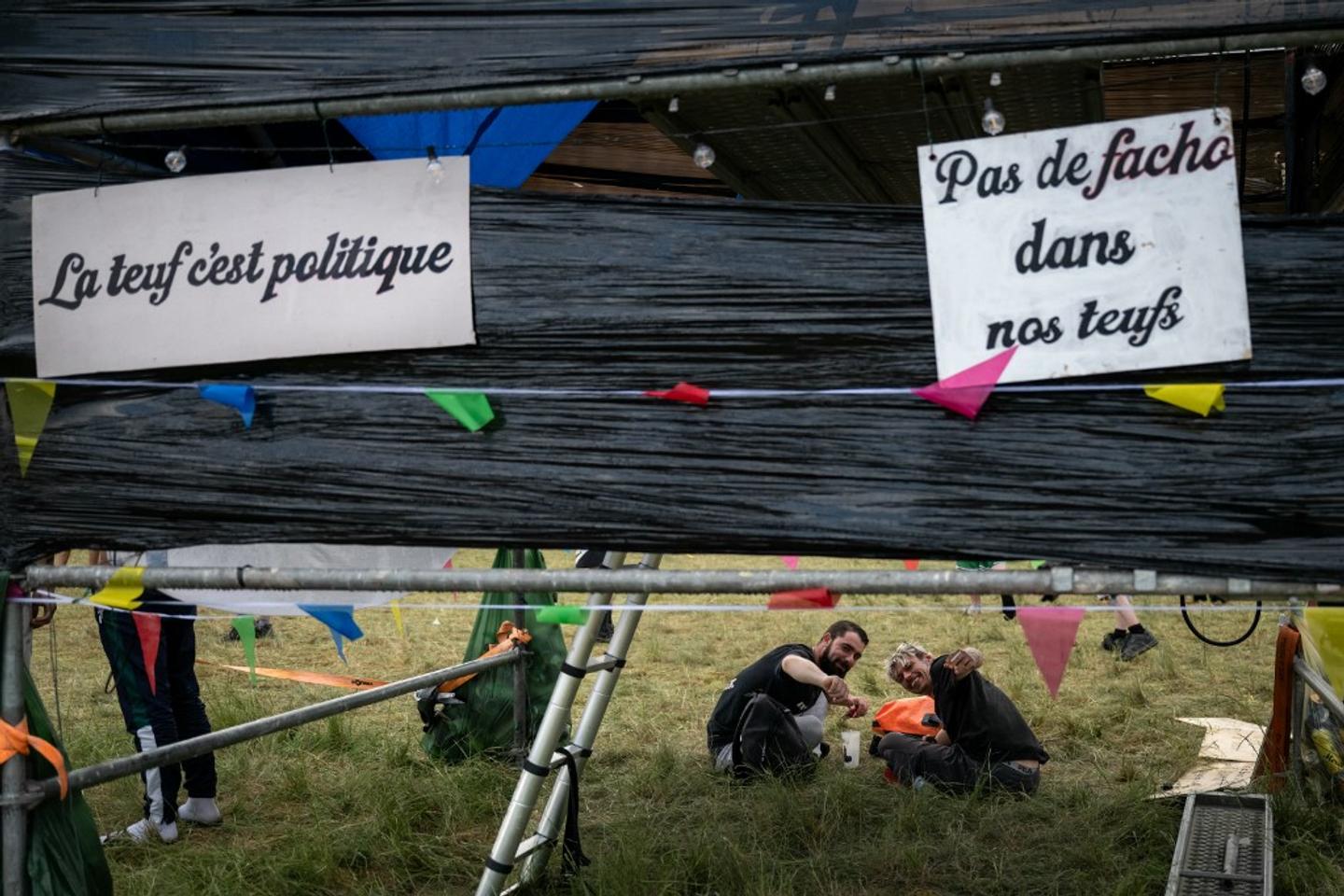
Supporters of the bill, which would impose heavy fines and prison sentences on organisers of unauthorised raves – known as "free parties" – say the crackdown is about tackling the issues of public order, drugs, dangerous gatherings and damage to farmland. But free party advocates say the fight is also about who gets to occupy public space in France. They defend what they say is a counterculture – and the right to share music in a non-commercial setting without tickets, sponsors or official permission. Péneau, an electronic music producer who goes by the name of Maëlstrom, was around 16 when he started organising free parties in western France in the late 1990s. At his home studio in Nantes, he spreads faded photographs across the table. In one, his bright red lorry is parked beside stacks of speakers – the wall of sound. Another shows him, fresh-faced, leafing through vinyl as dogs saunter by, or DJing in the rain near a stone quarry "somewhere between Nantes and Rennes". “I was maybe 20 at this party," he says. "We didn’t ask anyone. A couple of cops showed up but they didn't really bother us."