Published May 17th, 2026 - 02:43 GMT
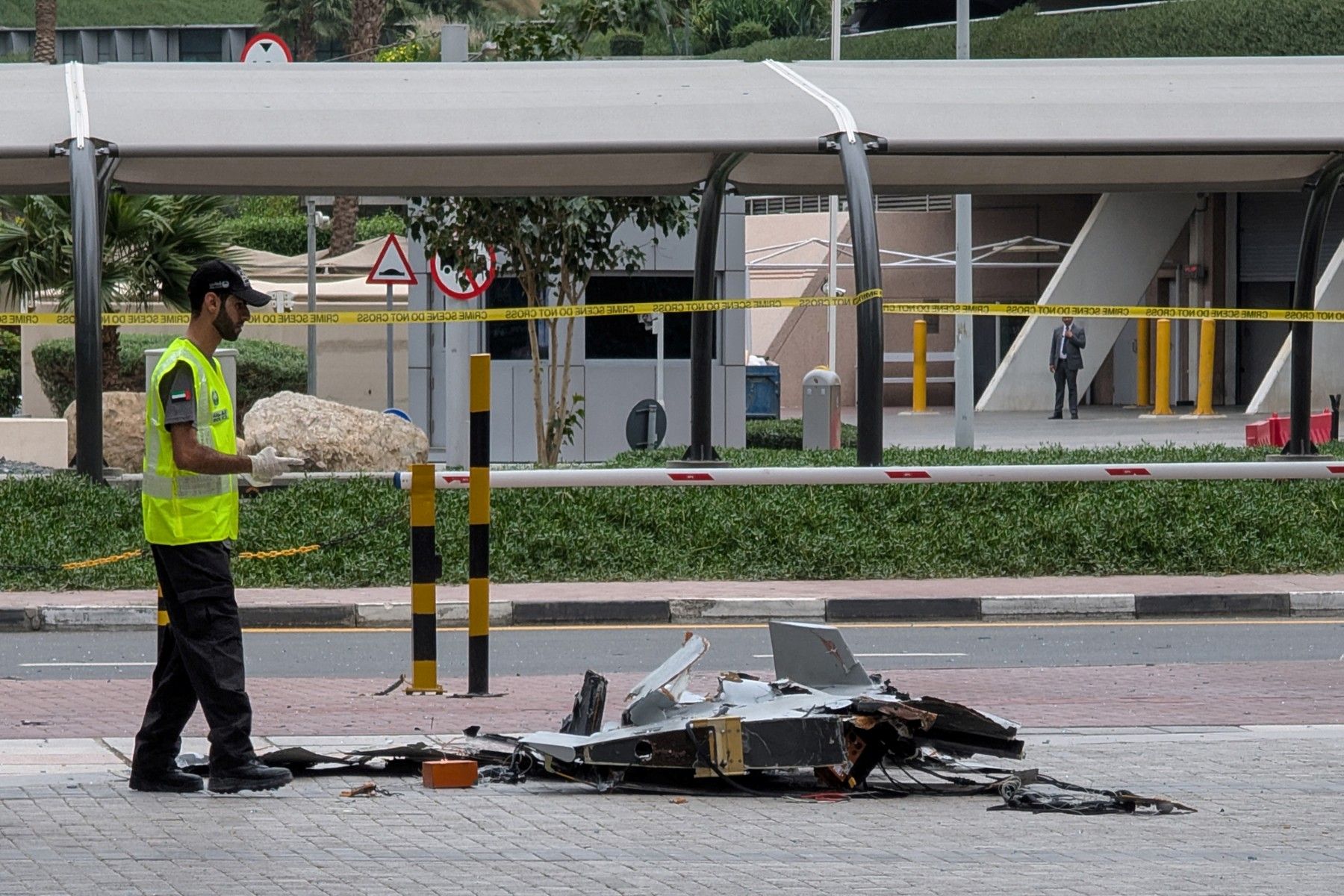
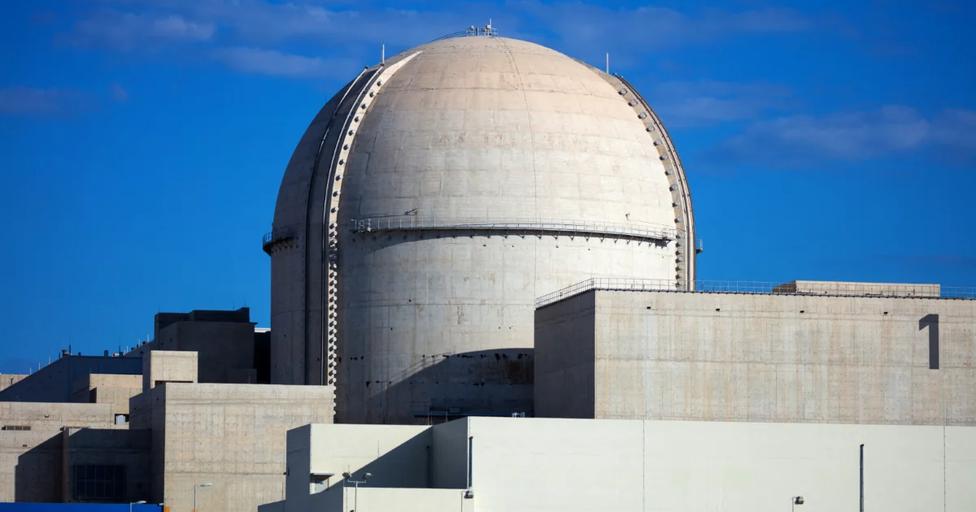
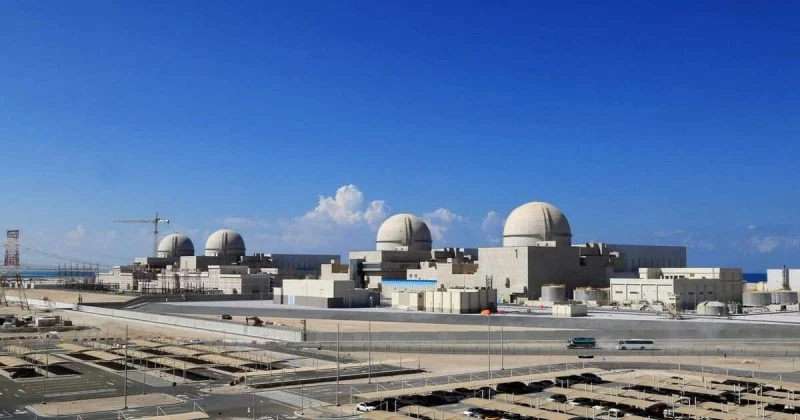
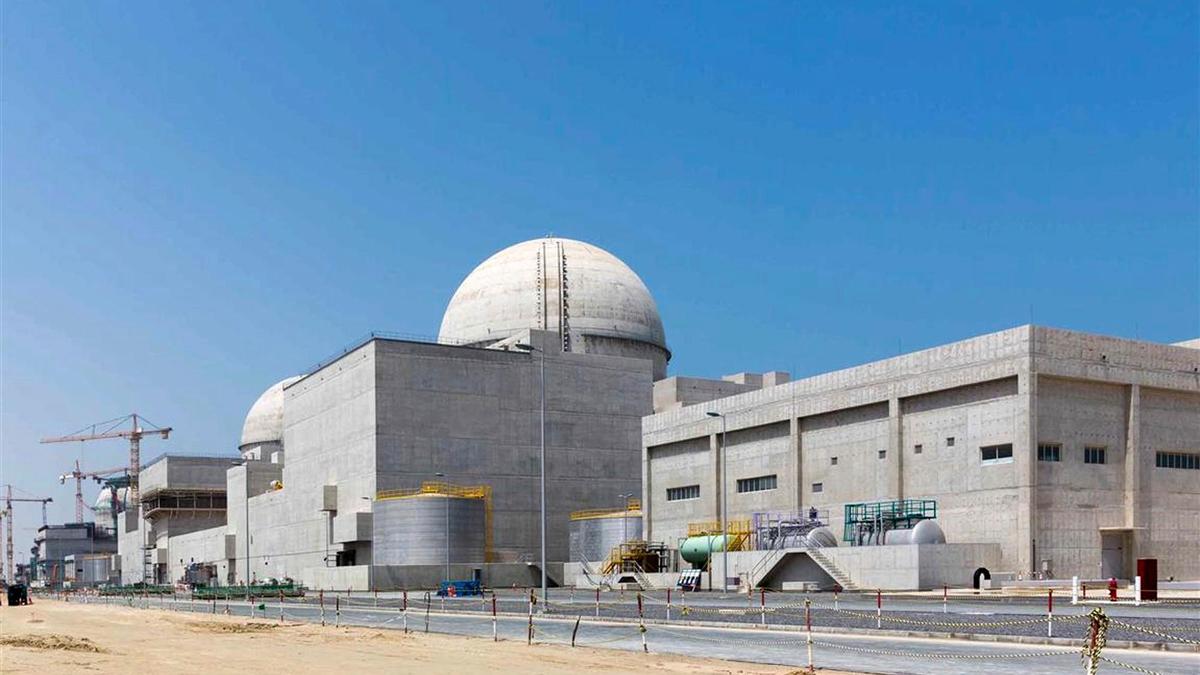
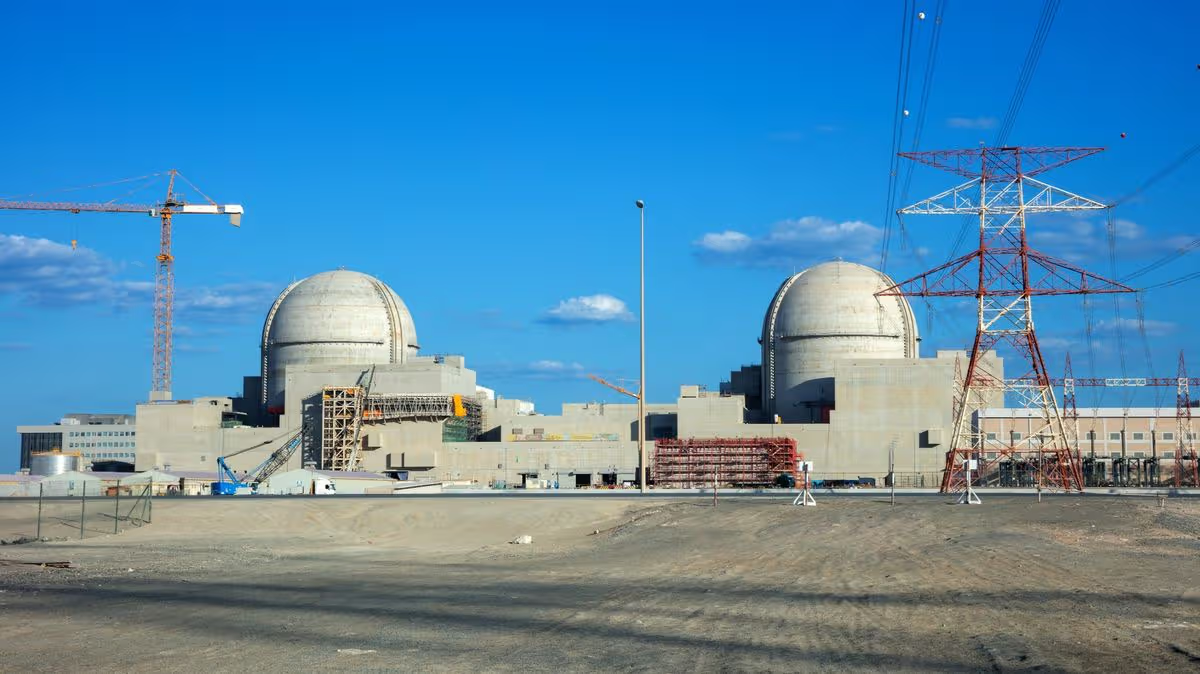
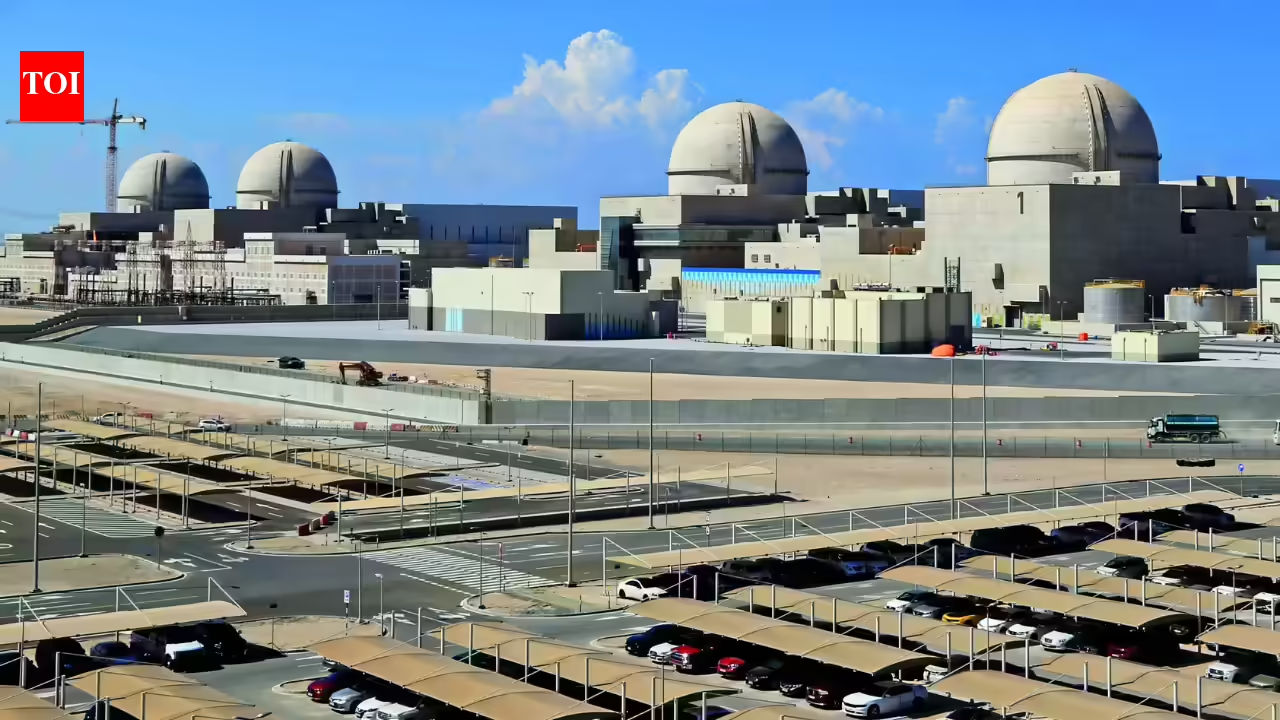
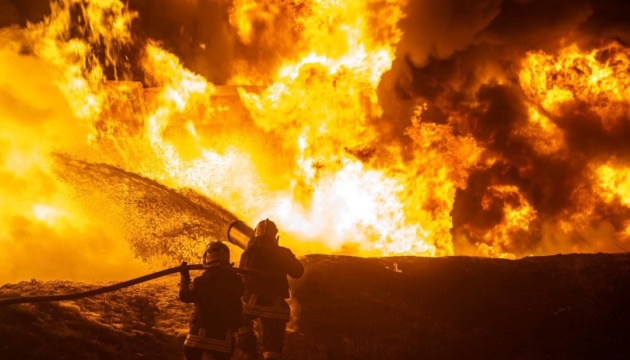
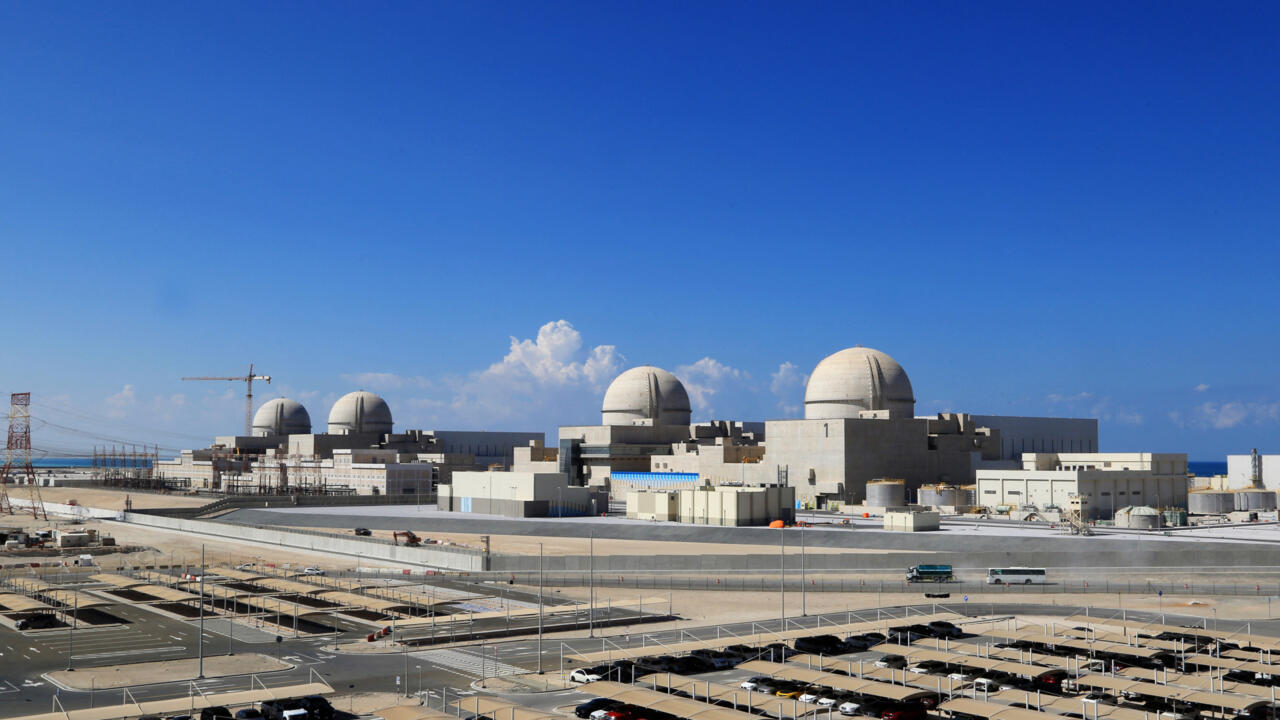
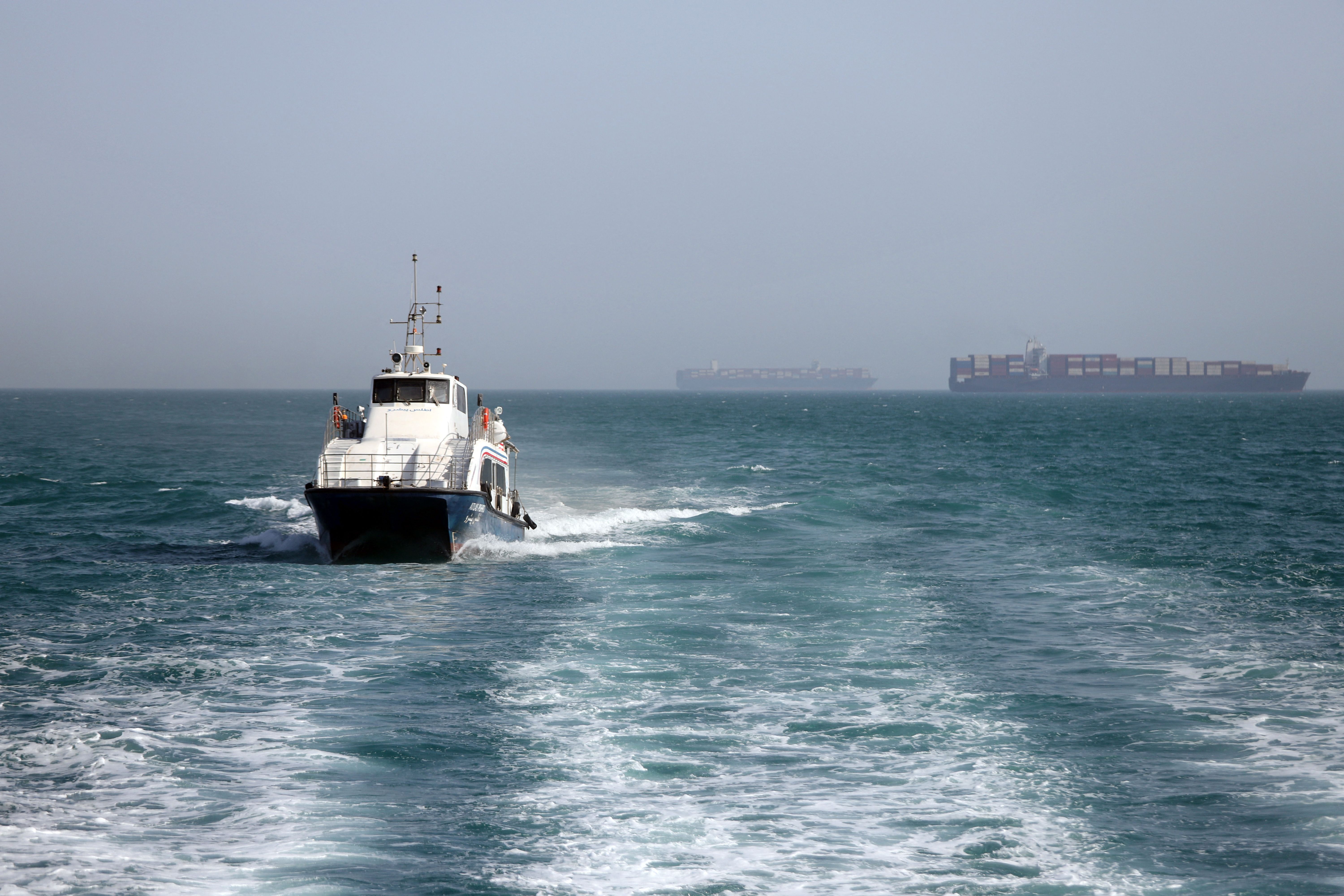
ALBAWABA — Regional tensions escalated sharply on Sunday after a drone strike triggered a fire near the Barakah nuclear power plant in Abu Dhabi, marking one of the most sensitive incidents involving critical infrastructure in the Gulf since the outbreak of the Iran conflict. UAE authorities confirmed that the strike caused a fire in an external electrical generator outside the plant’s perimeter, while stressing that radiation levels remained normal and operations continued without disruption.The incident immediately fueled fears that the confrontation in the region is entering a more dangerous phase, particularly as nuclear and energy facilities become increasingly tied to the ongoing military escalation. The attack came amid rising tensions surrounding the Strait of Hormuz and renewed warnings from regional and international actors over the possibility of a broader war spreading across the Gulf.Concerns about an imminent new military confrontation between the United States and Iran are mounting swiftly after U.S. President Donald Trump posted an AI-generated image of warships with the phrase “Calm Before the Storm,” a message many in Tehran viewed as a threat of escalation.The post caused widespread concern across the Iranian capital, Al Jazeera said, as speculation mounts over the failure of diplomatic efforts.“Calm Before the Storm.”Donald Trump posts an AI-generated war image as tensions with Iran continue to rise https://t.co/z0RFVVzVNT— Al Bawaba News (@AlBawabaEnglish) May 16, 2026 Though life in Tehran appears normal in daily life, anxiety over a possible war is dominating public conversations. Markets are still open, traffic is normal and parks are full, but residents Al Jazeera spoke to said they are watching the latest developments closely amid fears another military phase could erupt suddenly.Residents interviewed by Al Jazeera expressed a mix of fear and resilience. Some warned that future strikes could hit vital infrastructure and energy sites, while others pointed out that Iran has weathered years of war and sanctions and could withstand another conflict if necessary.Iranian political analysts and former military officials also warned the ingredients for past confrontations remain. Others suggested that the U.S. and Tel Aviv might seek a swift military strike on Iran’s nuclear sites and strategic Gulf locations to secure a political and media victory before tensions escalate further.But other analysts scoffed at the prospect of a full-blown war in the near future, citing regional pressure, economic ramifications and fears that any conflict could morph into a protracted crisis for the entire Middle East and global energy markets.