Graham Platner’s recently released energy plan navigates several tensions, including how to build clean energy projects and transmission lines quickly while also incorporating community input. Such projects are not only needed to fight climate change but to help bring down sky-high electricity prices.
Platner’s plan contains only a short section on this tension, calling for permitting reform for clean energy. But Platner’s limited record in public office vividly illustrates it: As a member of the Planning Board in his hometown of Sullivan, Maine, Platner voted in 2024 to advance a temporary ban on larger solar projects in the town while permanent rules for permitting such projects could be worked out. At the same time, Platner has called for a large, federally-funded buildout of renewable energy, including wind and solar.
As a “home-rule” state, Maine’s constitution grants towns significant control over land use, including energy developments.
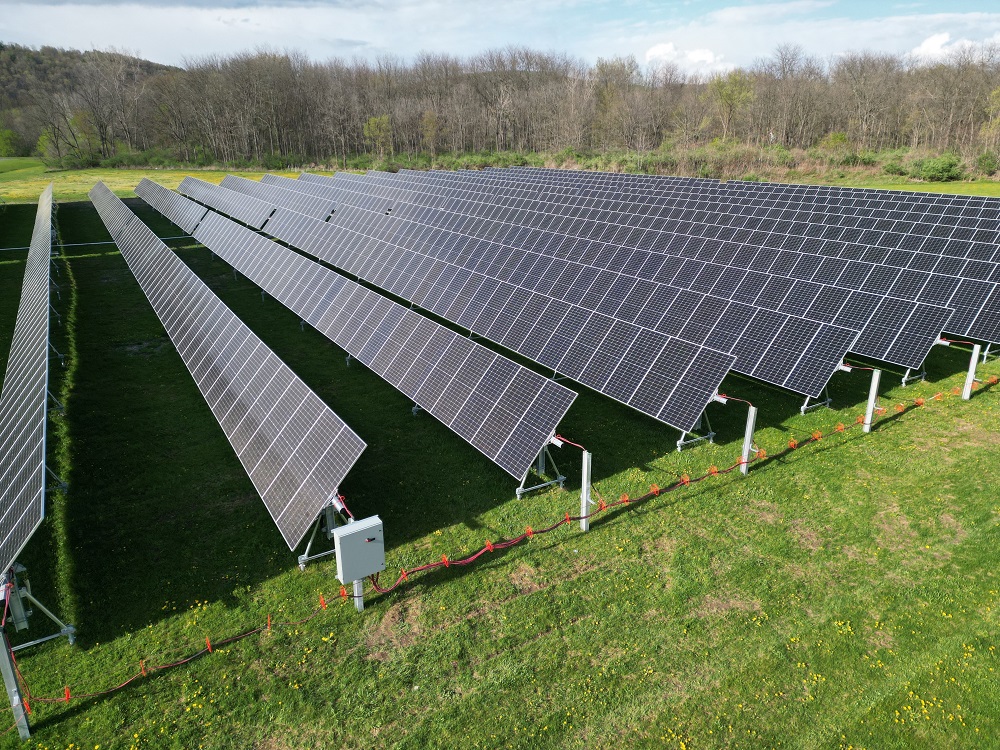
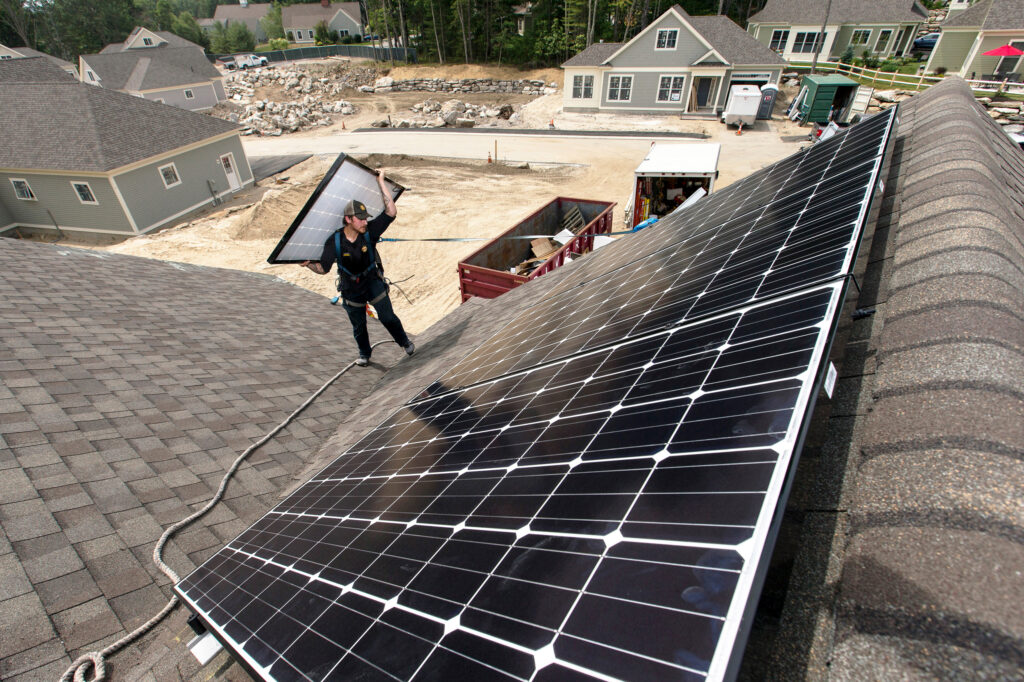
Platner told Inside Climate News that he was responding to public concerns in voting to pursue a moratorium on all solar projects besides rooftop residential ones.
“There’s been a lot of community backlash just here locally. Nobody was preparing for these large solar farms. The communities—they just kind of sprung up out of nowhere. And much like the data center stuff, a lot of people were frustrated because they didn’t understand what it was and they didn’t feel like they had any input.”