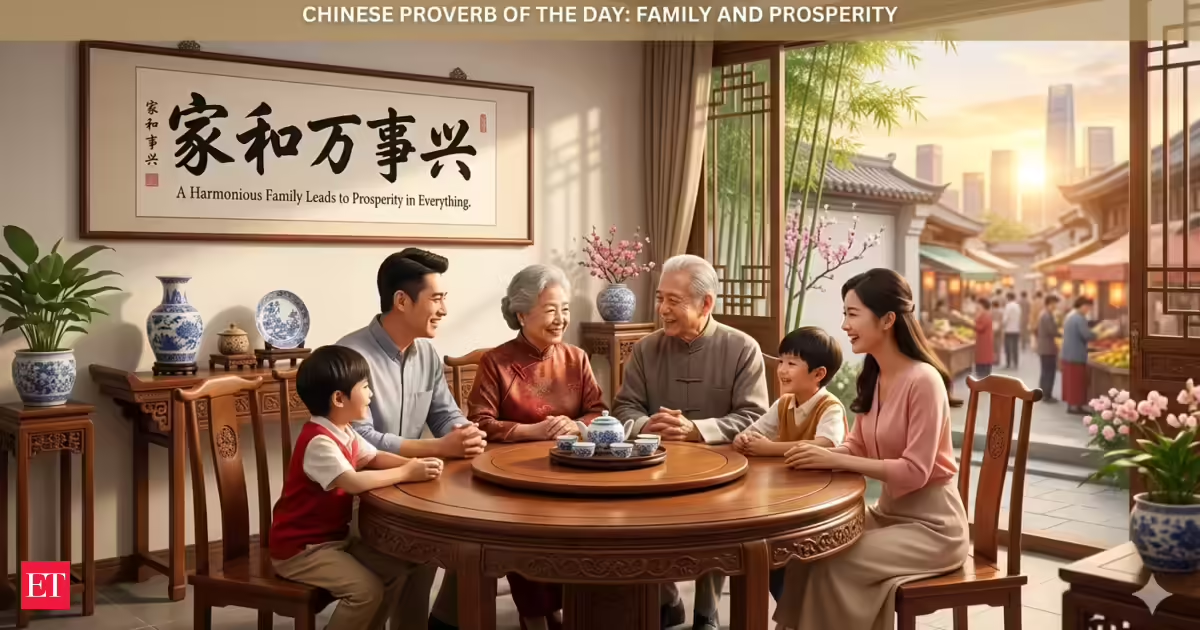
Chinese proverb of the day brings focus to human nature, love, care, and harmony. The proverb states that many men may build an encampment, but it takes a woman to make a home. This idea talks about the difference between building a structure and creating a place of emotional support. It also highlights the role of nurturing and family bonding in daily life. The message connects to traditional Chinese values and modern life. It explains how emotional well-being and relationships create a strong family unit. The proverb still holds meaning in present times as people search for balance between work, relationships, and personal life.The proverb says, "A hundred men may make an encampment, but it takes a woman to make a home." The Chinese proverb today shares a lesson about the difference between building a shelter and creating a home. It reminds readers that physical effort builds a structure, but care, love, and emotional support create a place where people feel safe and connected. The proverb encourages balance between work and relationships. It highlights the value of nurturing roles, family bonding, and harmony in daily life and society.Understanding the proverb and its meaningThe proverb explains a clear difference between building and nurturing. An encampment represents shelter, safety, and physical needs. It is a place made for protection and survival. Many people can build it with effort and planning.You Might Also Like:A home is different. A home represents emotional support, love, and care. It includes relationships, trust, and daily bonding. It is not only a building. It is a space where people feel secure and connected. The proverb highlights that a structure becomes meaningful when emotional effort is added. It shows that physical work and emotional work are both important for a balanced life.The encampment and the idea of physical creationThe encampment in the proverb represents the material side of life. It shows work, planning, construction, and survival. It focuses on shelter, protection, and providing resources. Historically, this role was linked with physical tasks and outdoor work. It symbolized protection and provision for the family. The encampment reflects the practical foundation of living. However, the proverb does not reduce the value of this role. It shows that building and protection are necessary for survival. Without shelter, a family cannot function. The proverb simply explains that physical creation alone does not complete the idea of a home.Chinese proverb and the idea of emotional nurturingThe proverb explains the importance of emotional labor. It highlights care, empathy, and family bonding. Cooking, caregiving, and emotional support help create a sense of belonging. A home grows through daily interactions. Conversations, shared meals, and care create strong relationships. These actions build trust and emotional safety. The proverb suggests that emotional effort transforms a house into a place where people feel safe and loved. It connects emotional well-being with long-term family stability.You Might Also Like:Cultural background and Chinese traditionChinese culture places strong value on the family unit. The Chinese character for home or family is jiā. It reflects unity, harmony, and shared responsibility. Confucian teachings focus on family relationships as the base of society. Harmony within the home leads to harmony in society. Respect, care, and shared duties form the foundation of social stability. This proverb reflects these ideas. It explains that emotional connection within families helps build peaceful communities. A strong home supports strong social values.Life lessons about human nature and relationshipsThis proverb offers lessons about human nature and relationships. It shows that people need emotional safety along with physical security. Love and care create strong bonds. Harmony helps reduce conflict. Emotional support helps people grow and face challenges. The proverb reminds people that relationships need time and effort. It teaches that success is not only measured by material achievements. Emotional balance is also important.You Might Also Like:Modern interpretation of the proverbToday, the proverb is viewed with a broader meaning. Modern life recognizes that nurturing roles can be shared by anyone. Emotional care is not limited to one gender. The message now focuses on balance. People need both external success and internal well-being. Work builds resources. Care builds relationships. The proverb still remains relevant because people continue to search for balance between career, family, and personal life. It encourages teamwork and shared responsibility within families.Why the proverb still matters today?Modern society moves at a fast pace. Many people focus on career and financial goals. This proverb reminds people to focus on emotional health and relationships. A strong home supports mental well-being and family stability. Emotional care helps children grow and adults manage stress. Harmony within the home supports long-term happiness. The proverb continues to guide discussions about work-life balance and family values.Lessons people can apply in daily lifePeople can use the teachings of the proverb in simple ways. They can spend time with family and support loved ones. They can share responsibilities and listen to each other. Building a home requires communication and care. Small actions like sharing meals and conversations create stronger bonds. The proverb encourages people to focus on emotional connection and family unity in daily life.You Might Also Like:
Chinese proverb of the day: 'A hundred men may make an encampment, but it takes a woman to...' Life lessons on human nature, love, care, harmony and why a woman makes a huge difference
Chinese proverb of the day explains how a simple structure becomes a true home through care, love, harmony, and emotional support. The proverb highlights human nature, family bonding, nurturing roles, and the balance between physical shelter and emotional well-being. It connects traditional Chinese values with modern life lessons, reminding readers that strong relationships, shared responsibility, and emotional connection create stability, unity, and long-term happiness within families and society.
845 words~4 min read