May 17, 2026 / 9:05 AM EDT
/ CBS News
Add CBS News on Google
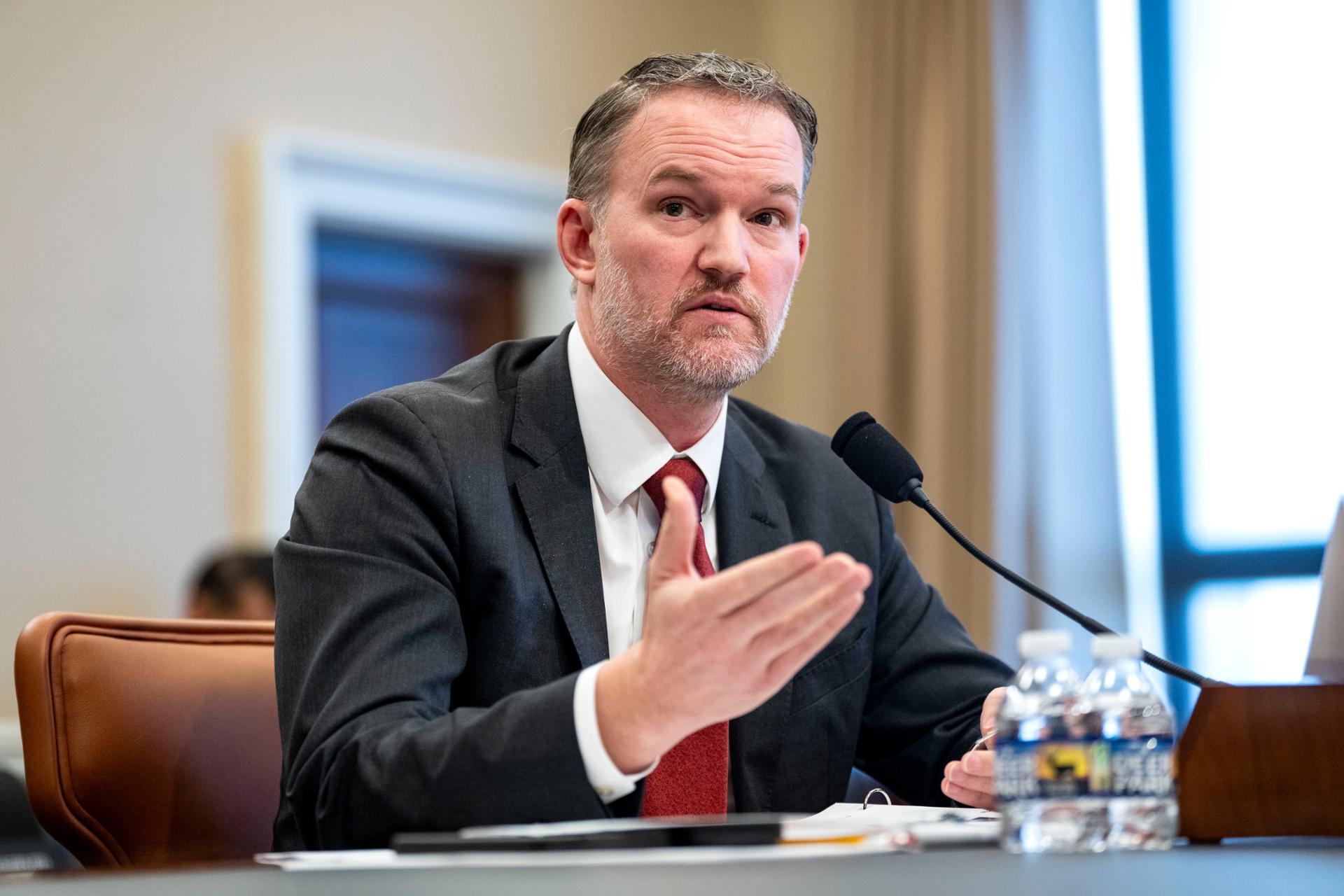
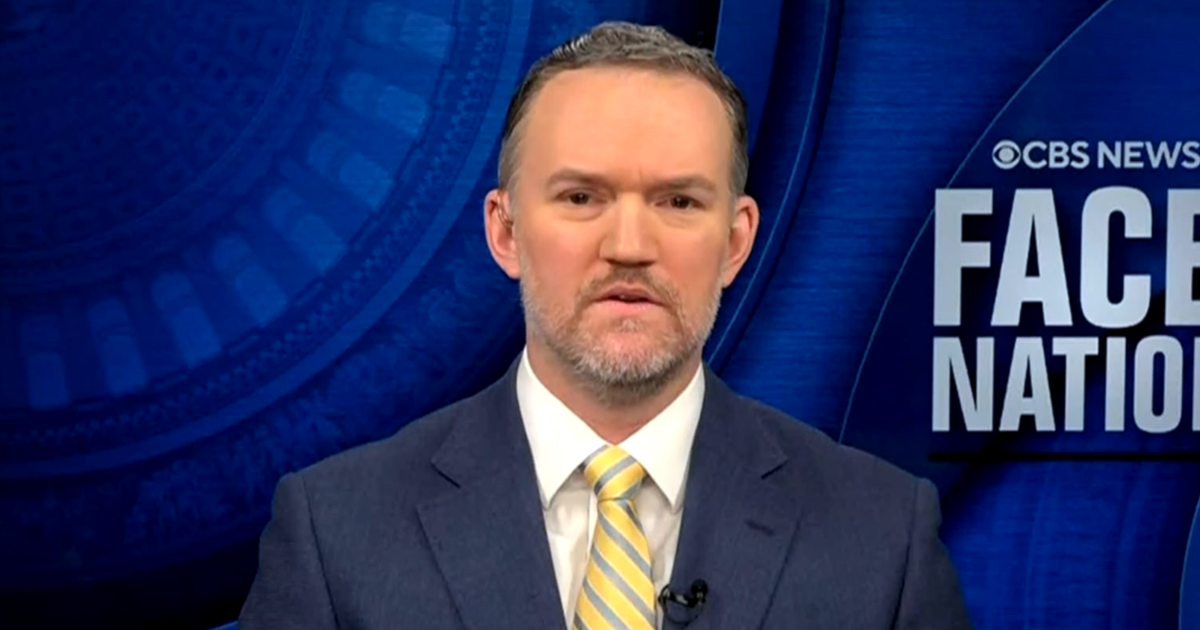
The following is the transcript of the interview with U.S. Trade Representative Jamieson Greer that aired on "Face the Nation with Margaret Brennan" on May 17, 2026.MARGARET BRENNAN: We begin this morning with a top member of the president's economic team, United States Trade Representative Jamieson Greer. Good morning to you, Ambassador.JAMIESON GREER: Good morning. Good to be here.MARGARET BRENNAN: It isn't just a matter of sentiment. Gas is at an average of $4.51 a gallon. Americans have spent $45 billion more on fuel since the war began versus a year ago. The stock market is up, but lower-income Americans are pulling back on their spending. The New York Fed reports households earning less than $125,000 a year are fueling up their cars less often. How do you provide relief to the average American?JAMIESON GREER: Well, we know that no one wants to see higher gas prices. At the same time, the president is balancing foreign policy considerations. We know that, in addition to wanting to have low gas prices, we don't want our children or grandchildren to inherit a world where Iran has a nuclear weapon, so the president is focused on affordability in as many ways that he can- that he can. He's bringing jobs back to America. We're focused on getting wages up to offset any kind of increase in prices, and we're seeing prices go down for staples like dairy, cheese, flour, etc. So we're very focused on this. The president's focused on it, and we look forward to seeing those prices come down soon as the operations wrap up in the Gulf.MARGARET BRENNAN: But we have no time frame for that at this point. Let me ask you about what you were just working on in Asia. China said it agreed with the United States to establish a board of investment to consider Chinese investment here in the U.S., and to establish bilateral boards of trade to discuss tariffs. Which products are going to be affected by that board. Are these items outside the current investigations that you are conducting?JAMIESON GREER: So, when we think about the Board of Trade, we're thinking about how to manage economic relations between the U.S. and China. These are two economies that are quite different, and we're focused on trade in non-sensitive goods. When you talk about sensitive goods, you know the most high-tech stuff, you know, things that can be used for military uses, those are things that- those are national security issues. So we're looking to discuss things like sales of agricultural goods to China, energy goods, Boeings, medical devices. When we talk about the kinds of things we want to be importing from China, there are a number of things, there can be consumer goods, maybe low-tech items, and so we look at those types of areas where we should be trading. On the investment side, the Board of Investment is really about discussing key issues in U.S.-China investment policy. It's not really an investment program, but it's to try to almost be like a firefighter and put out issues when they arise between the two countries.