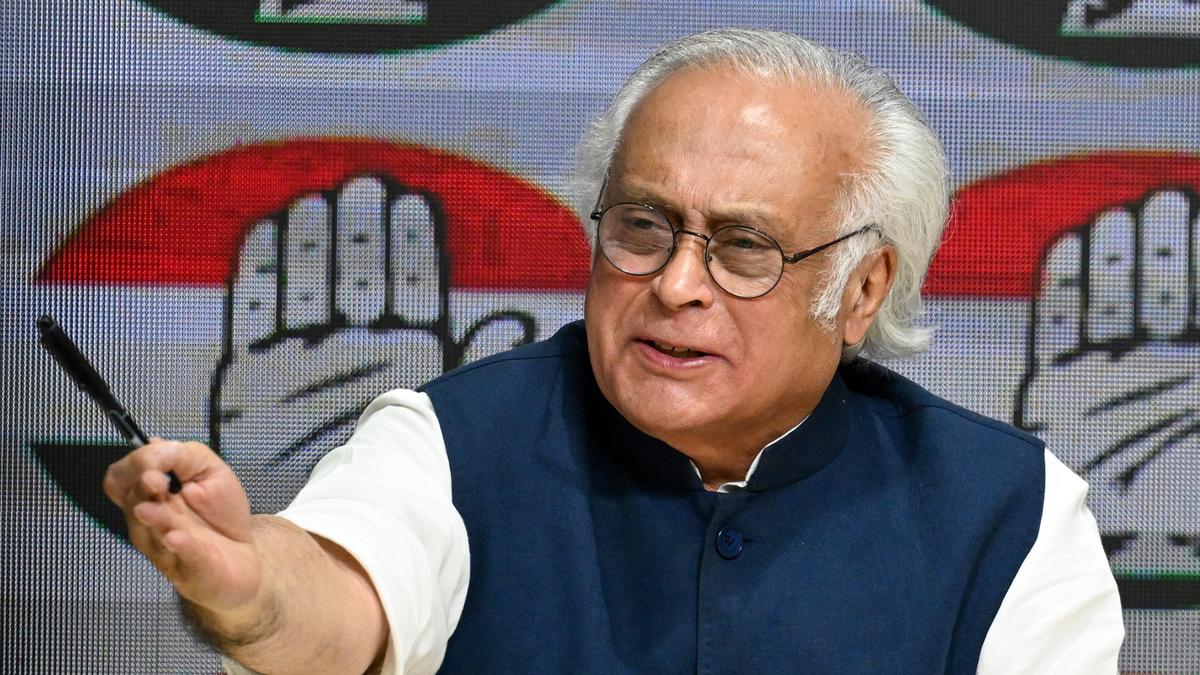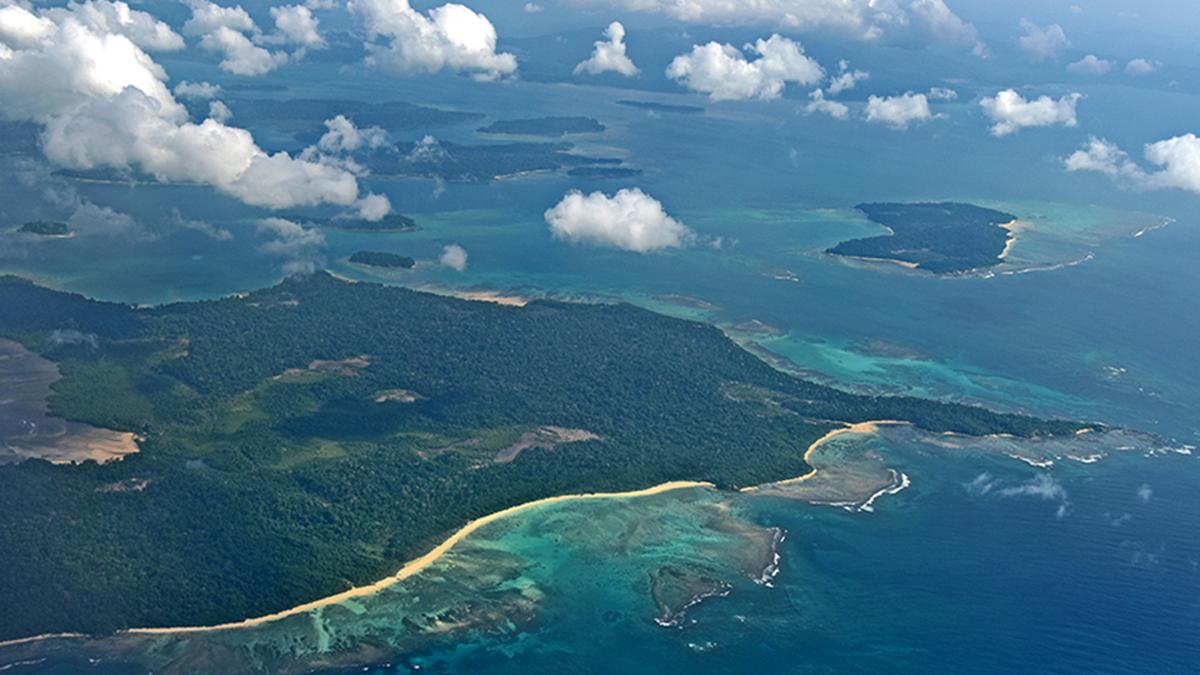
Congress general secretary in-charge of communications and Rajya Sabha MP Jairam Ramesh wrote to defence minister Rajnath Singh on Saturday, calling the ₹81,000 crore Great Nicobar Island Development Project “a recipe for ecological disaster” and urging him to consider expanding existing naval infrastructure across the Union Territory instead.A ₹81,000 crore project is being executed by the Andaman and Nicobar Islands Integrated Development Corporation (ANIIDCO) (ANI)The letter, dated May 16, is the third time Ramesh wrote to a senior Cabinet minister in less than a fortnight on the project. He wrote to the Union minister of environment, forests and climate change on May 10, and to the Union minister of tribal affairs on May 13.“Now I am writing to you since the project, which is essentially a commercial venture and is facing growing public criticism because of the ecological damage it will cause, is being sought to be justified by the Government of India supposedly on overriding security considerations,” Ramesh wrote.The ₹81,000 crore project, being executed by the Andaman and Nicobar Islands Integrated Development Corporation (ANIIDCO), proposes a deep-sea transshipment port at Galathea Bay, a dual-use international airport, a township, and a 450 MVA power plant across 16,610 hectares on Great Nicobar Island, near the Strait of Malacca.The island is home to two indigenous communities, the Nicobarese and the Shompen, the latter classified as the particularly vulnerable tribal group. The project received environmental clearance in November 2022.In his letter to Singh, Ramesh made submitted three “considerations”.First, he pointed out that INS Baaz in Campbell Bay was commissioned in July 2012, and plans to treble its runway length and add a naval jetty was awaiting approval for nearly five years, with “far less adverse environmental impacts.”Second, he said the Andaman and Nicobar Command already operates assets including INS Kardip, INS Kohassa, INS Utkrosh, INS Jarawa, and the Car Nicobar Air Force Station, all of which could be expanded at lower ecological cost.Third, he argued that the transshipment port and the township “do not enhance our country’s military capability in any way,” yet have “suddenly emerged as a major justification” for the project.Also Read:Great Nicobar Project: India’s doctrine of strategic depth in the Indian OceanThe letter to Singh follows Ramesh’s May 13 letter to Union minister of tribal affairs Jual Oram, in which he called the government’s claim of having followed due process under the Forest Rights Act (FRA) 2006 for tribal consent “wholly false.”He challenged the August 18, 2022 certificate issued by the deputy commissioner of Nicobar, saying that all rights under the FRA had been settled.Ramesh said gram sabha committees were constituted only two months before the August 12, 2022 gram sabha meetings, despite the FRA being in force for 14 years, making any prior rights settlement impossible.Court records show the three gram sabha meetings on August 12, 2022, covering seven villages, were attended by 349 people out of a combined population of 7,519. Turnout stood at 1.83% in Campbell Bay, 14.72% in Laxmi Nagar, and 11.98% in Govind Nagar, all below the 50% quorum mandated under the FRA rules.A no-objection certificate signed by the chairman of the Tribal Council of Little and Great Nicobar at a sub-divisional level committee (SDLC) meeting the following day was subsequently withdrawn by the council in November 2022. The administration continues to present it as valid tribal consent.Also Read:Gravest crime against nature, tribal heritage: Rahul Gandhi on Great Nicobar projectThe government’s May 1 FAQs, issued specifically in response to criticism of the Great Nicobar project, cited consultations under the Jarawa Policy 2004 as evidence of tribal due process. Ramesh called this “completely false,” pointing out that the Jarawa community does not reside on Great Nicobar Island at all.Three PILs challenging the FRA proceedings and the reduction of eco-sensitive buffer zones around national parks on the island were filed in the Calcutta high court by Meena Gupta, a retired IAS officer who served as secretary in the ministries of tribal affairs and environment and forests, and participated in drafting the Forest Rights legislation.The court upheld the maintainability of all three petitions on May 8, with the next hearing on June 23.Ramesh said the alternatives he proposed to Singh were recommended by “distinguished naval officers themselves in their writings” and carry significantly lower environmental costs than the current project. “There can also be no two opinions on the need to project India’s strategic capabilities in a credible manner,” he wrote.
Ecological disaster: Jairam Ramesh writes to Rajnath on Great Nicobar project
The letter, dated May 16, is the third time Ramesh wrote to a senior Cabinet minister in less than a fortnight on the project | India News
733 words~3 min read