Middle East conflict upends interest rate cut expectations
The ongoing conflict in the Middle East has significantly disrupted expectations surrounding interest rate decisions by Türkiye’s Central Bank, as rising energy and transportation costs quickly feed into global inflation
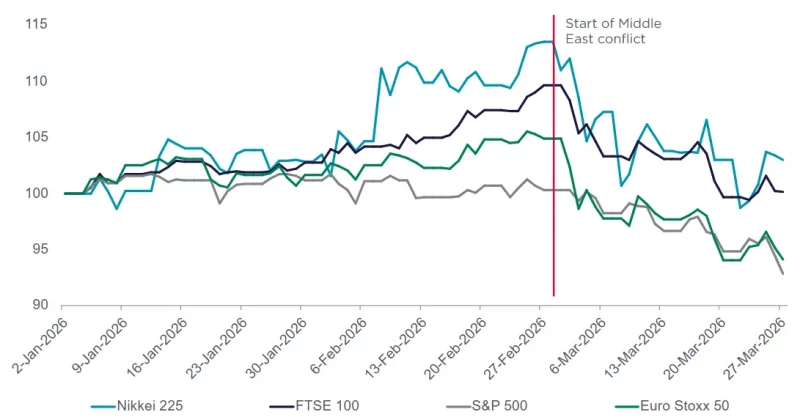
With the war putting upward pressure on oil, natural gas and commodity prices since late February, both domestic market participants and major international banks have pushed back their expectations for rate cuts by the Turkish Central Bank by at least two months.
Following the escalation of tensions beginning on Feb. 28, the sharp volatility and increases in energy and commodity prices prompted the Turkish Central Bank to take precautionary measures to mitigate risks to the inflation outlook.
The bank suspended one-week repo auctions in March and moved towards monetary tightening through liquidity tools, shifting its funding to the upper band of the interest rate corridor at 40 percent. During this period, the bank held its policy rate steady in both March and April, maintaining a firm tightening stance. According to the bank’s May 2026 Market Participants Survey, expectations for rate cuts have now been delayed until the autumn.