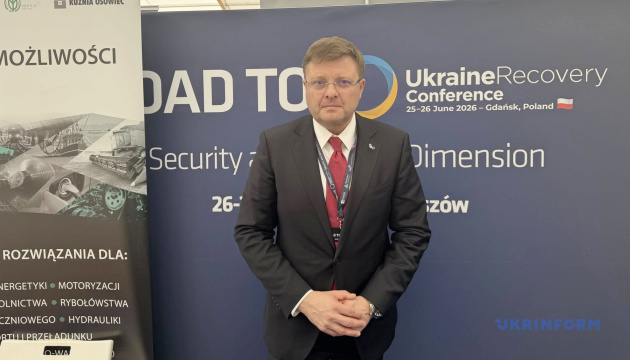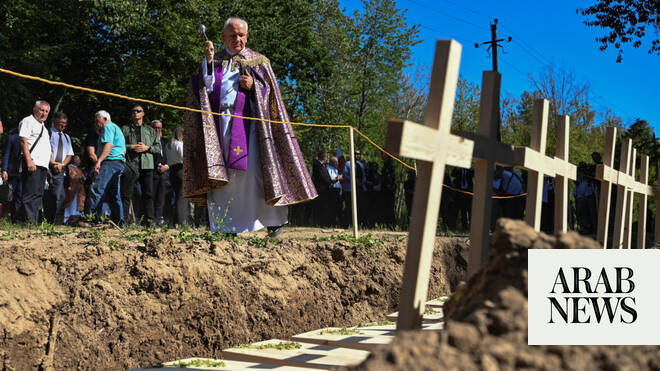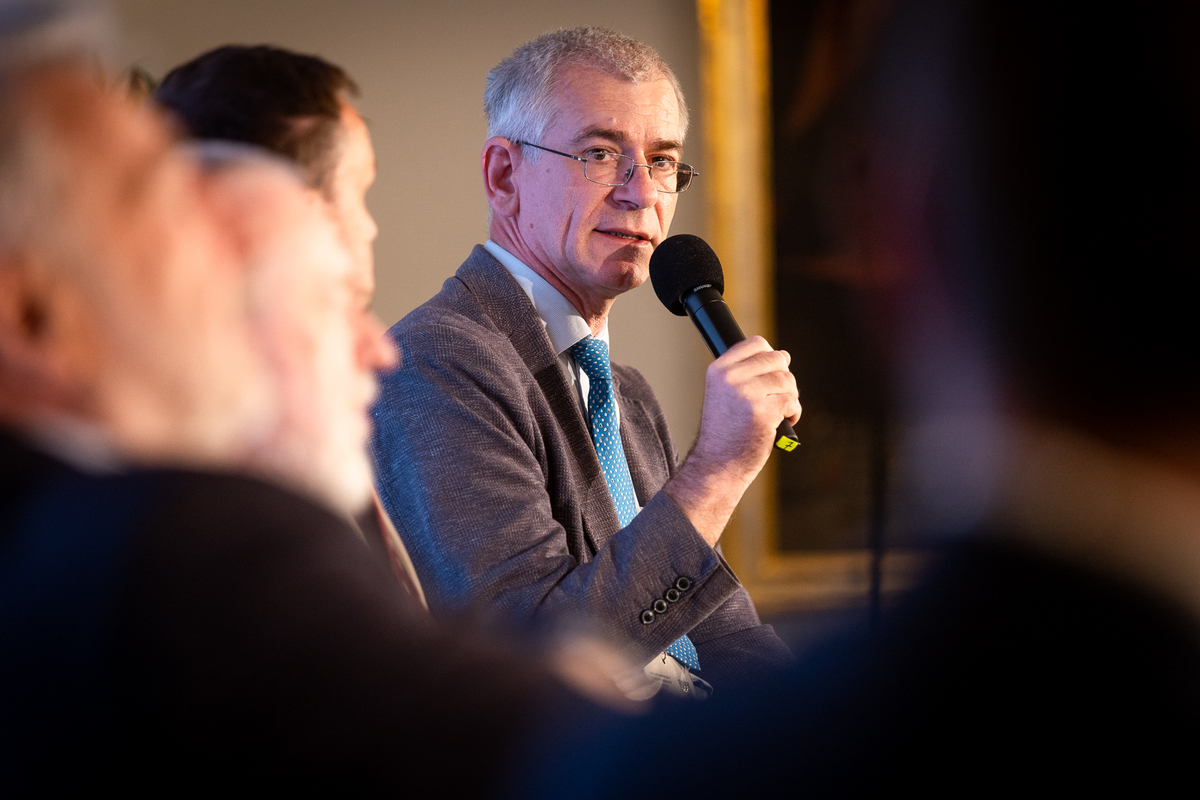
The interview with Prof. Grzegorz Motyka, historian and director of the Military Historical Bureau, was conducted during the Polish-Ukrainian Historical Congress, which took place in Baranów Sandomierski and was organized by the Juliusz Mieroszewski Centre and the Ukrainian Institute of National Remembrance. (Photos by Michal Kujawski / Kyiv Post) JOIN US ON TELEGRAMFollow our coverage of the war on the @Kyivpost_official. Michał Kujawski: How do you assess the congress? Do such debates among historians actually influence reality, given the high level of social tension – and consequently political tension – surrounding the events of the Second World War between Poles and Ukrainians? Prof. Grzegorz Motyka: It was the first major event in years during which historians from both countries were able to meet and discuss their research and historiographical achievements. They could also openly debate the issues on which they disagree. For the first time in a long while, there was also a serious discussion about the Volhynia massacre itself and the existing disagreements surrounding it, rather than only about how to prevent Volhynia from dividing us. And this brings us to terminology. Ukrainians speak of the “Volhynia tragedy,” while Poles refer to a “massacre.”
Russian Intelligence and the Painful History Between Poland and Ukraine
Volhynia remains a wound Russia seeks to weaponize against Kyiv and Warsaw.
1,448 words~7 min read