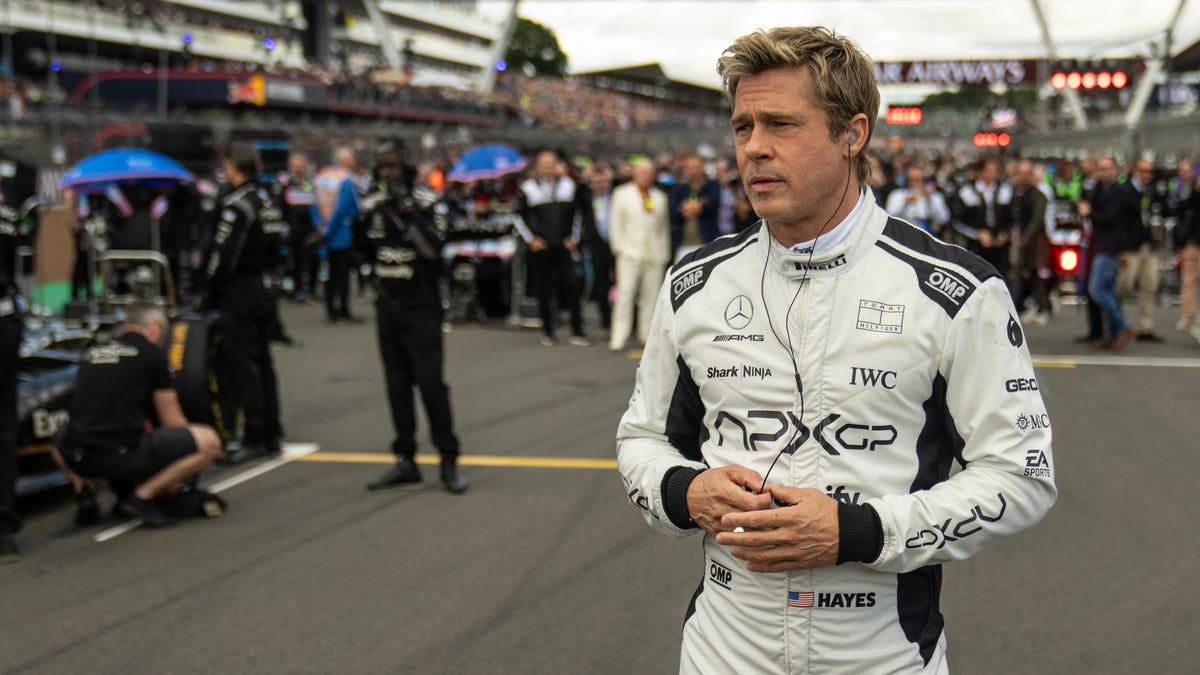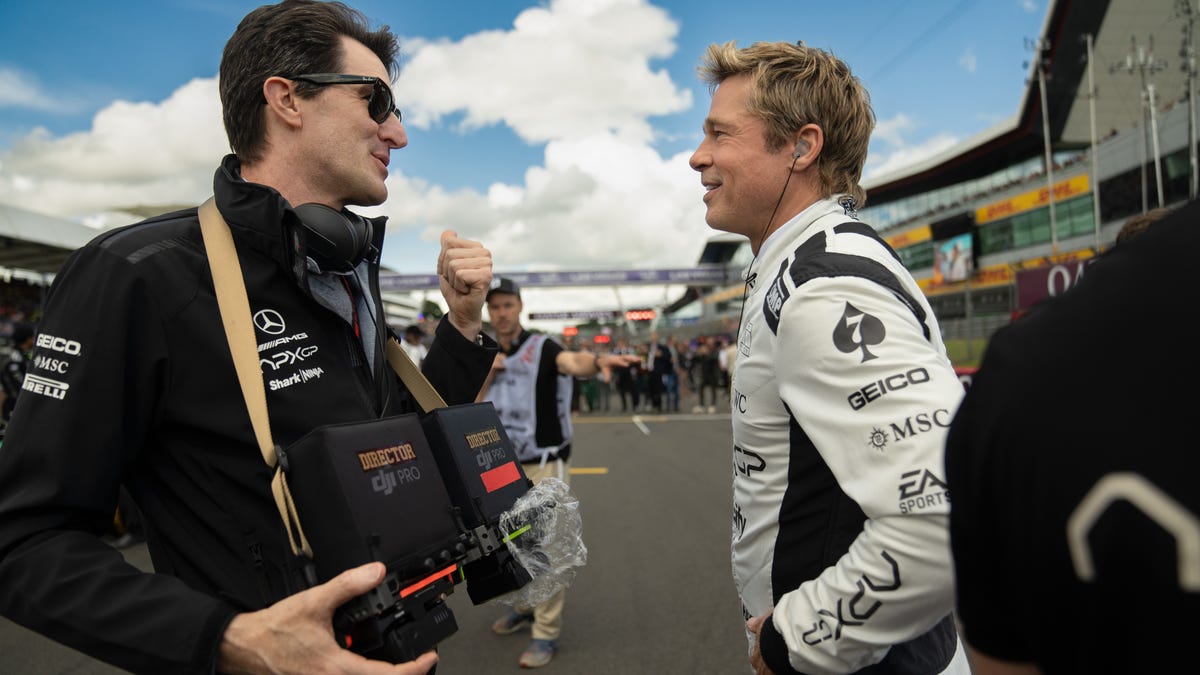
Within 48 hours of this year’s Cannes Film Festival launch, two Formula One drivers were revving up the Palais carpet.
Carlos Sainz and Charles Leclerc — once teammates at Ferrari, now just gridmates following the Spaniard’s move to Williams — had photographers in a frenzy as they appeared with their respective partners at festival galas. They had scored an invite to the fest through being global ambassadors at L’Oréal, but the truth is that Cannes, as its position as the world’s leading hub for international cinema slips, is desperate for a slice of the F1 pie.
Since Drive to Survive resurrected the sport in 2018, the fan base has grown by over 68 percent globally. “The F1 river has truly burst its banks,” says Rob Bloom, chief marketing officer at Aston Martin, the fastest-growing team on the grid. “It’s everywhere.”
The rapidity of F1’s growth cannot be overstated. Bloom’s declaration is backed up by the stats: In 2025, 1.83 billion people watched F1, per Nielsen, up 6.8 percent from 2024. Over 43 percent of fans are now under the age of 35, with female representation rising to 42 percent, and at Aston Martin Aramco Formula One Team, fronted by drivers Lance Stroll and Fernando Alonso, they’re tallying a 30 to 40 percent year-on-year growth.