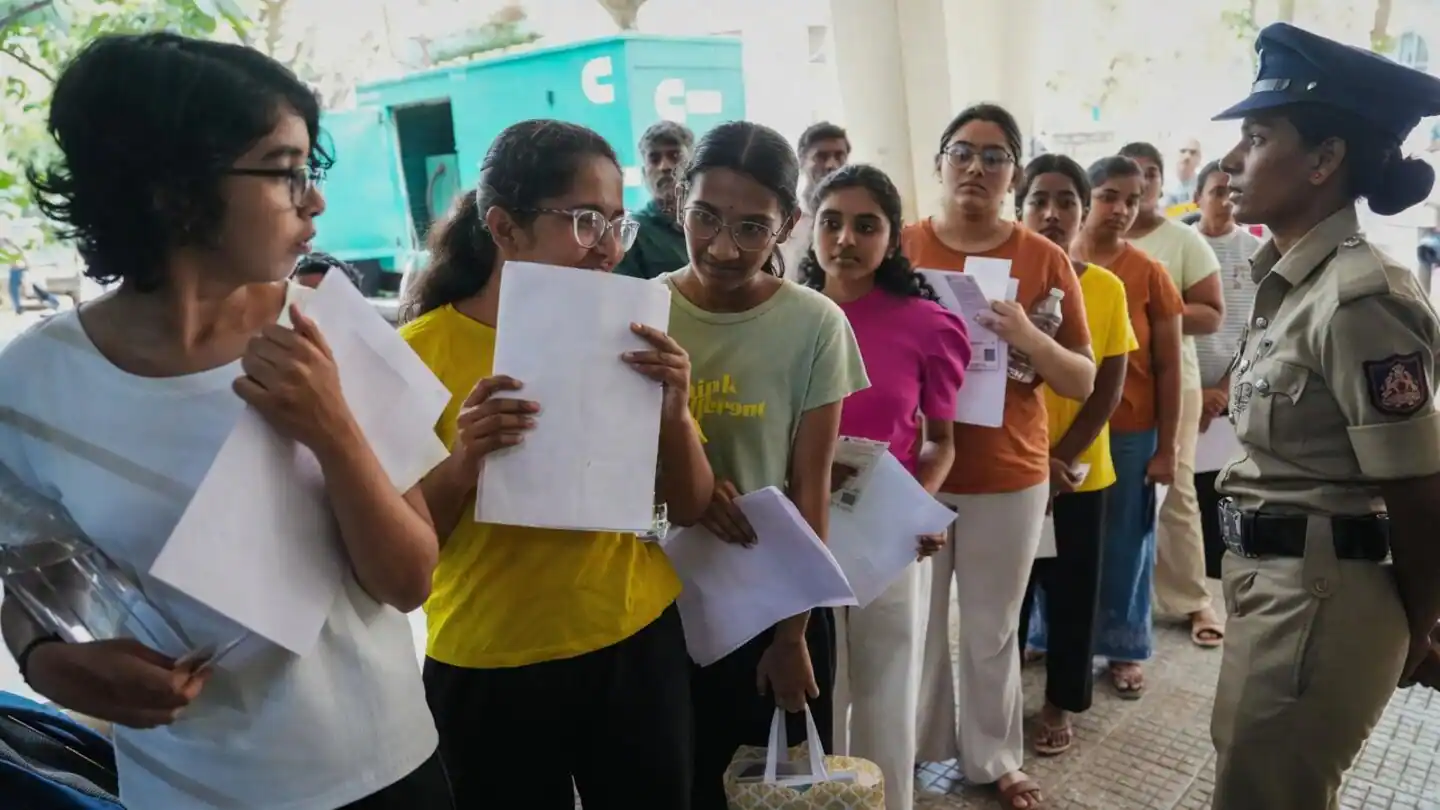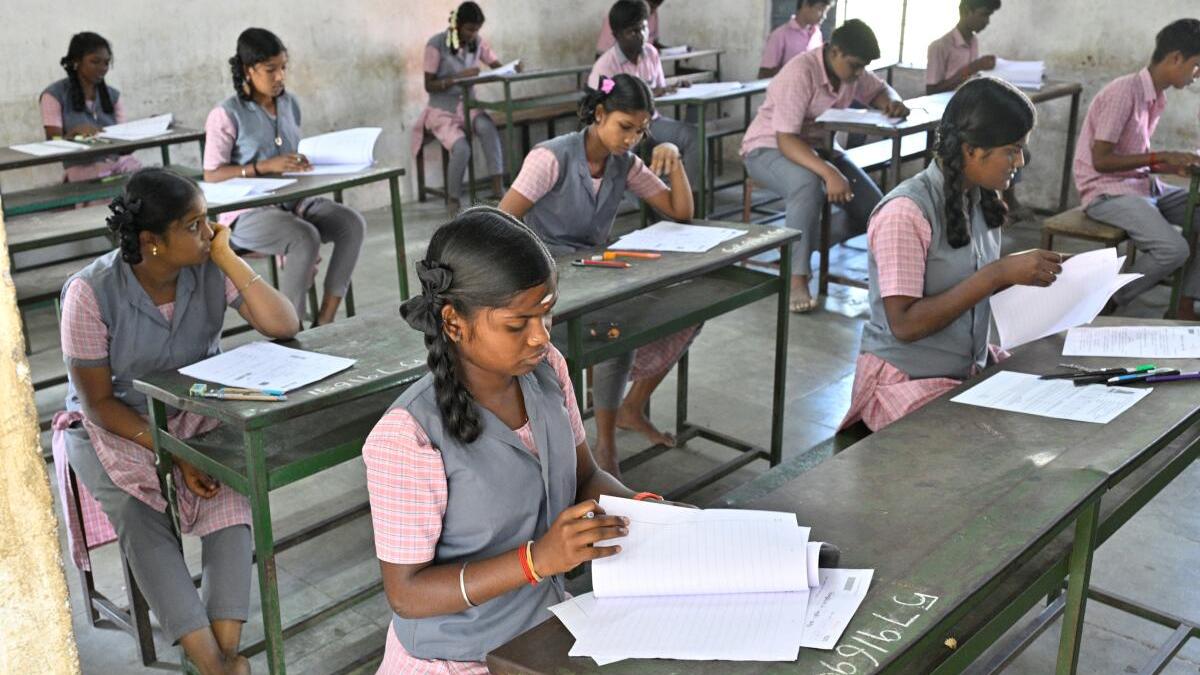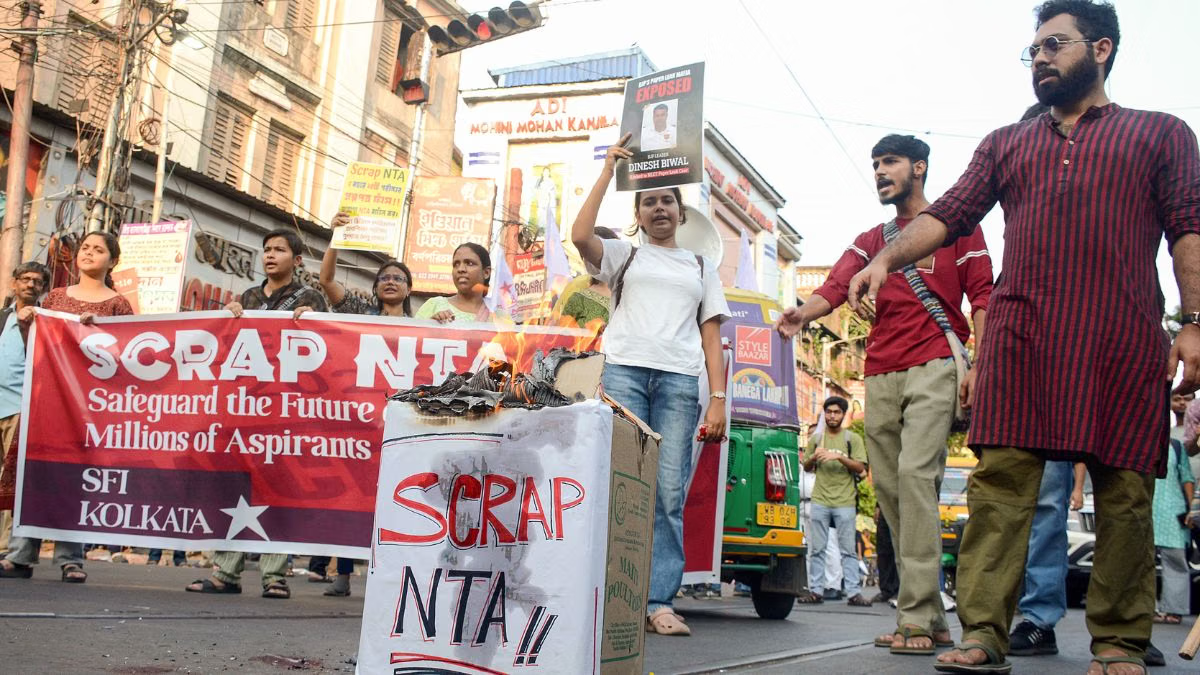
When NEET-UG 2024 collapsed—67 students securing the top rank, a paper leak racket unearthed in Bihar on the morning of the exam, the UGC-NET cancelled the day after it was held—the government did what governments do. It sacked the director general. It constituted a high-level committee. It passed a new law. It made promises.
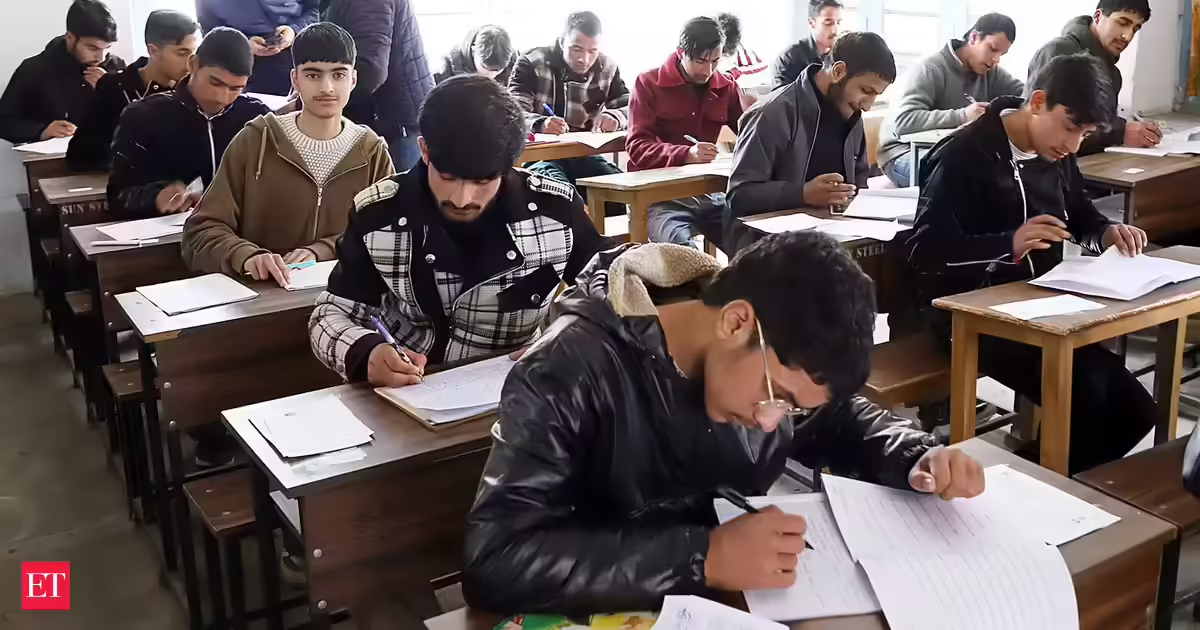
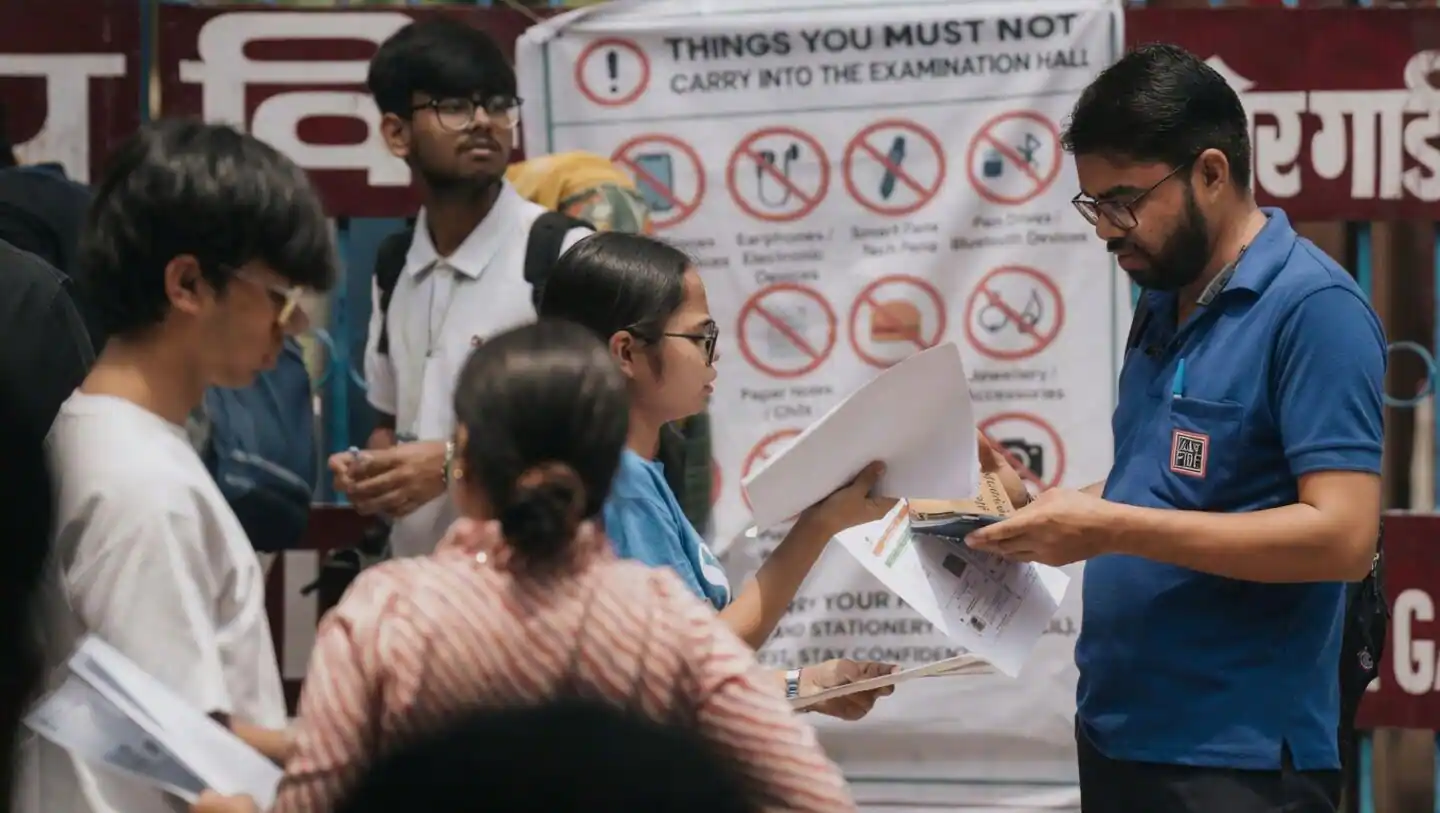
The Radhakrishnan Committee submitted its report recommending structural reforms in the NTA. Parliament enacted the Public Examinations (Prevention of Unfair Means) Act, with jail terms of up to ten years for organised malpractice. The National testing Agency got new security protocols, GPS-tracked vehicles for question paper transport, AI-assisted CCTV, 5G jammers at exam centres, and biometric verification of candidates. But the paper wasn’t cancelled.Two years later, on 3 May, NEET-UG 2026 was held. All the measures above were in place. After nine days, it was cancelled.
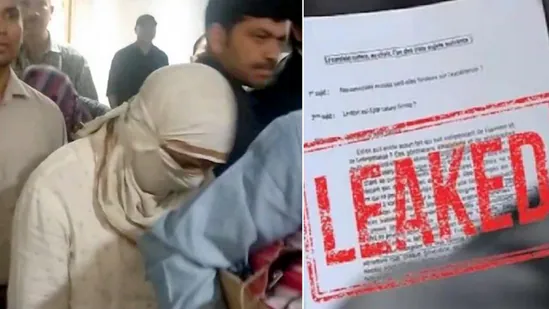
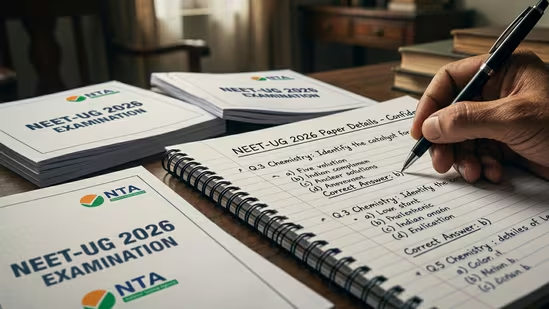
A document containing 410 questions had been circulating on WhatsApp—some students received it 42 hours before the exam, others had it a month in advance. Around 120 questions allegedly matched the actual chemistry and biology paper. The Rajasthan Special Operations Group (SOG) interrogated 13 suspects from Dehradun, Sikar, and Jhunjhunu. Copies of the paper were allegedly being sold for anywhere between Rs 20,000 and Rs 5 lakh. NTA handed the case over to the CBI. The NTA’s director general—who had been appointed just days before the exam—deleted a LinkedIn post he had written praising the scale and transparency of the examination process.Over twenty-two lakh students are now waiting for a fresh date to be announced.That’s why the National Testing Agency is ThePrint’s Newsmaker of the Week.