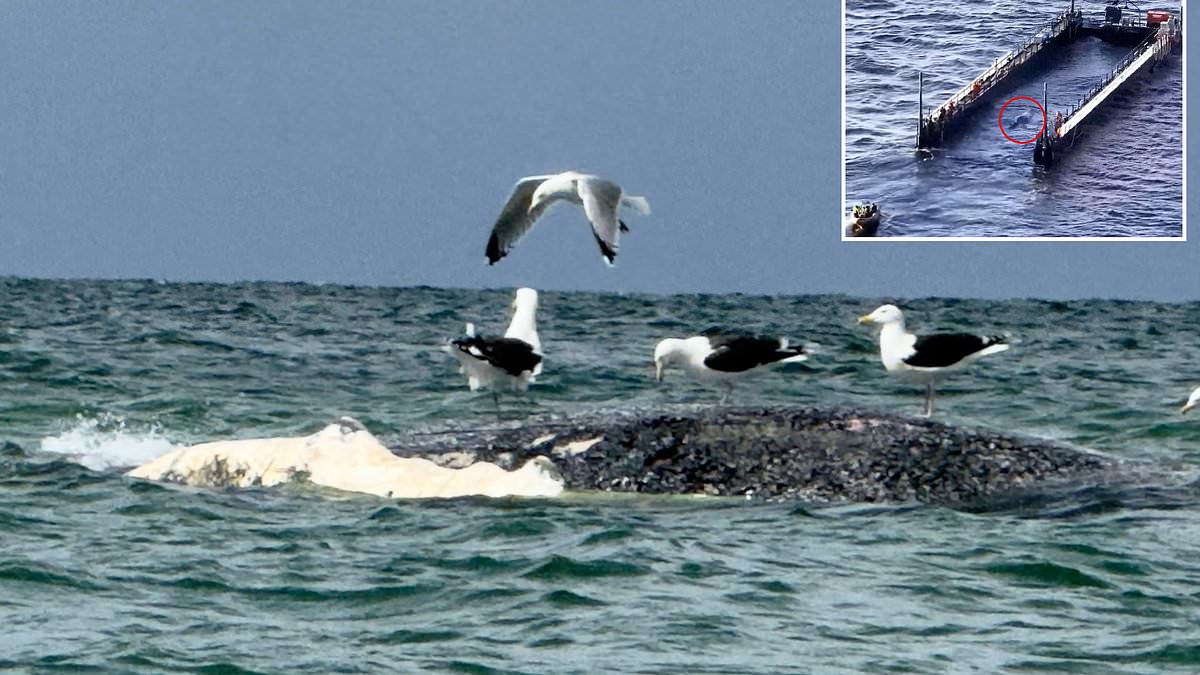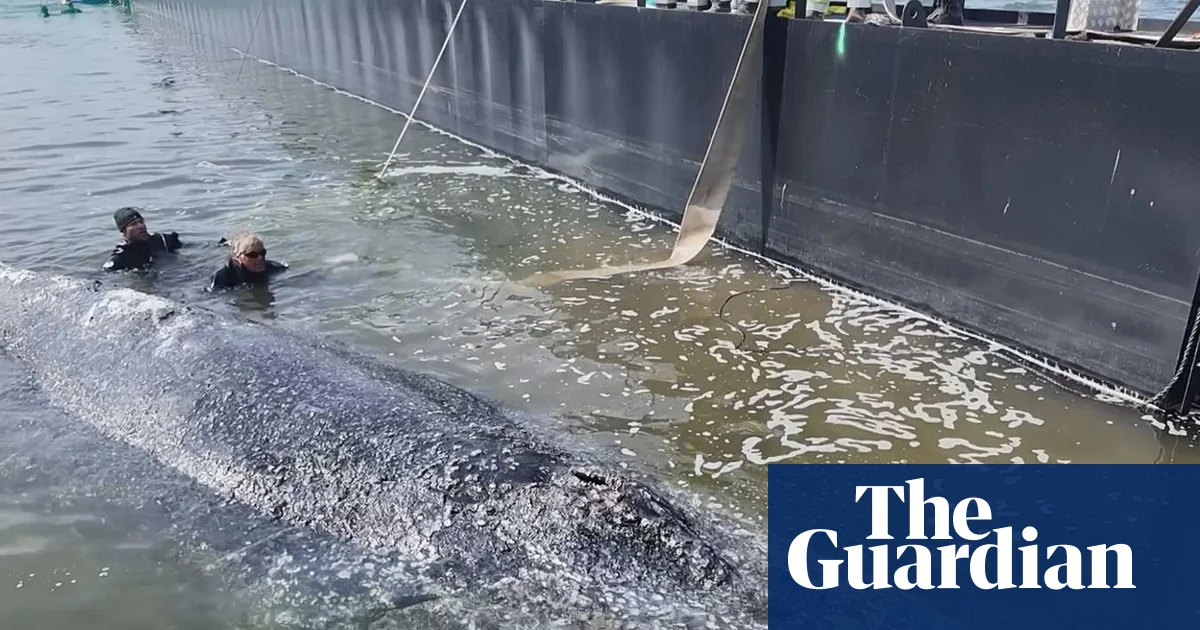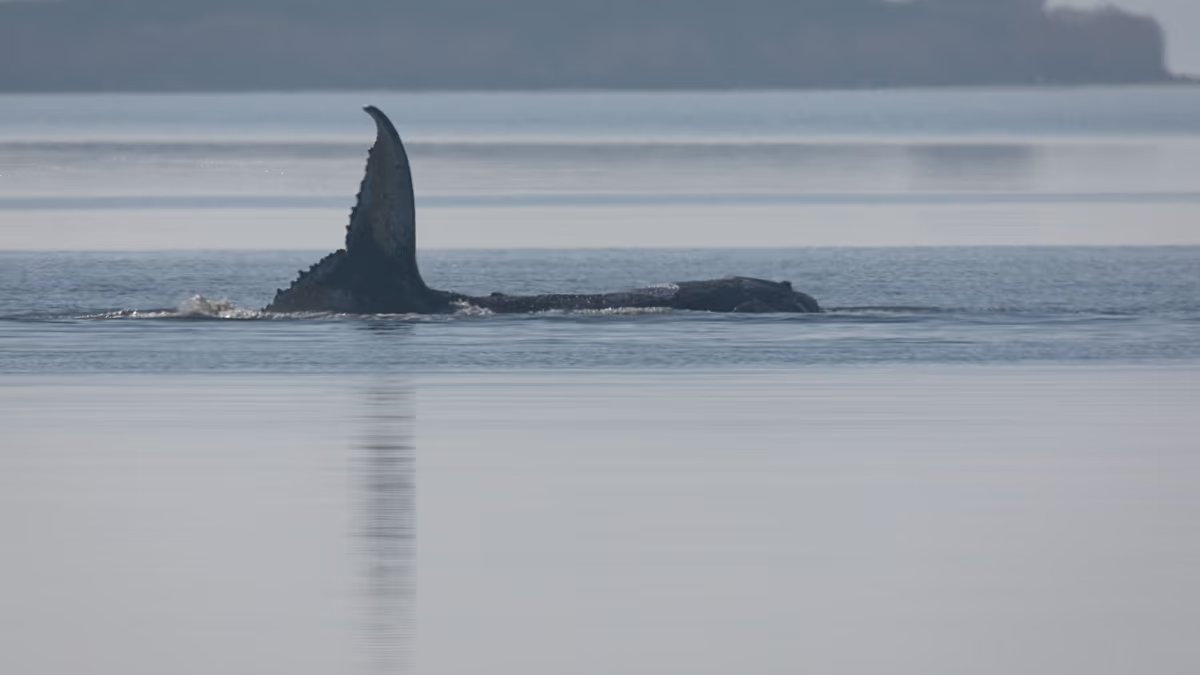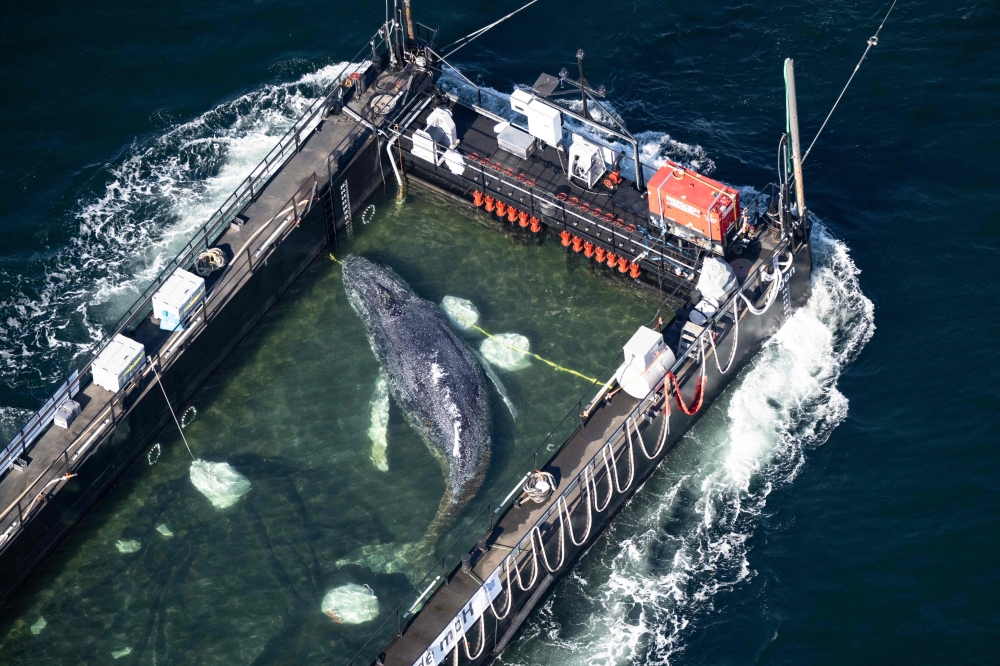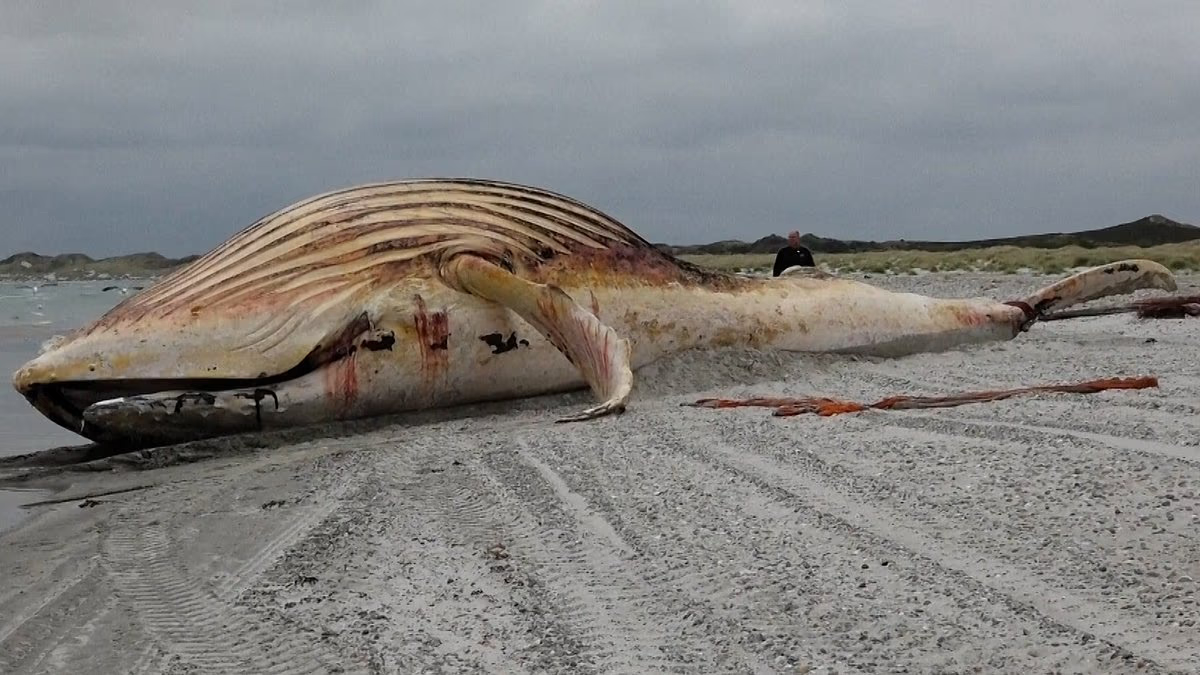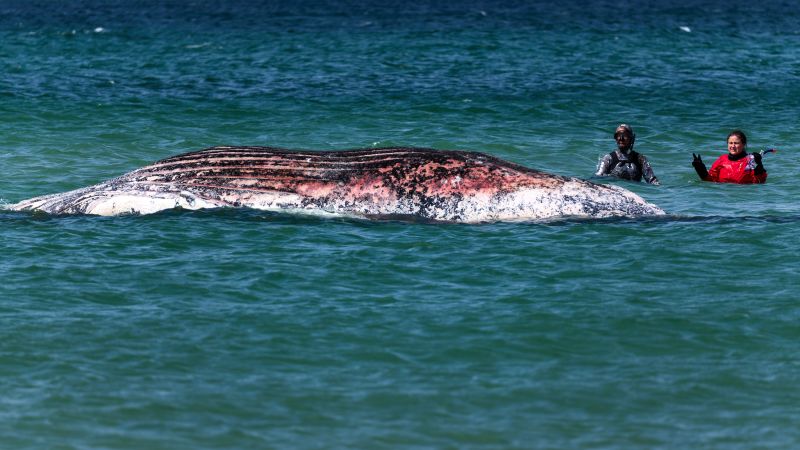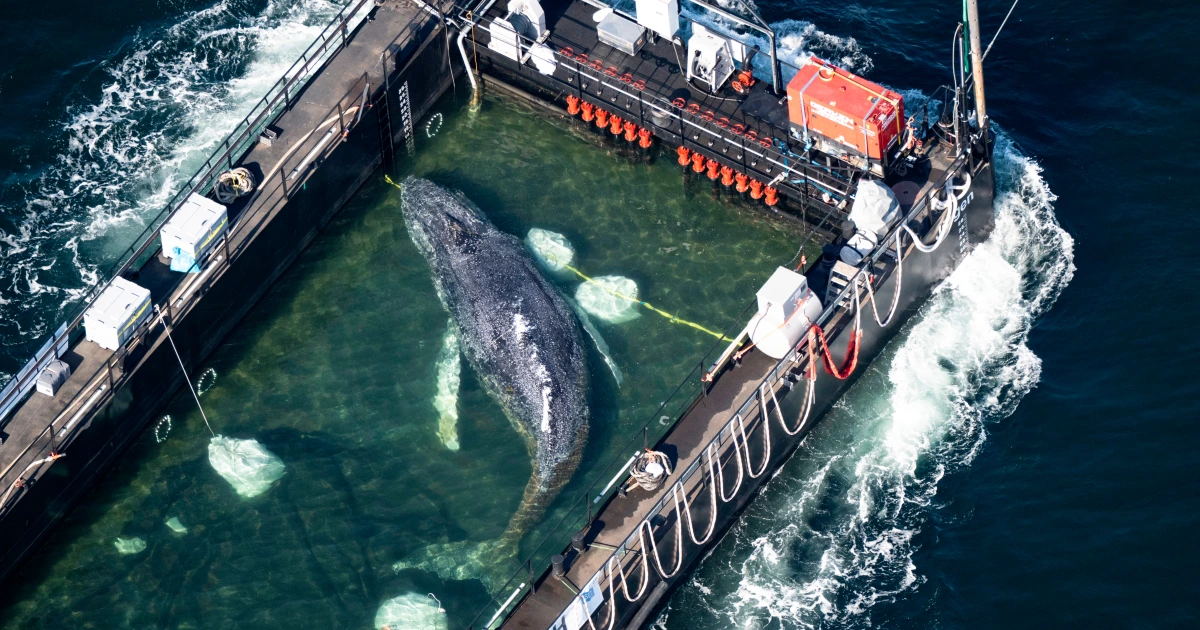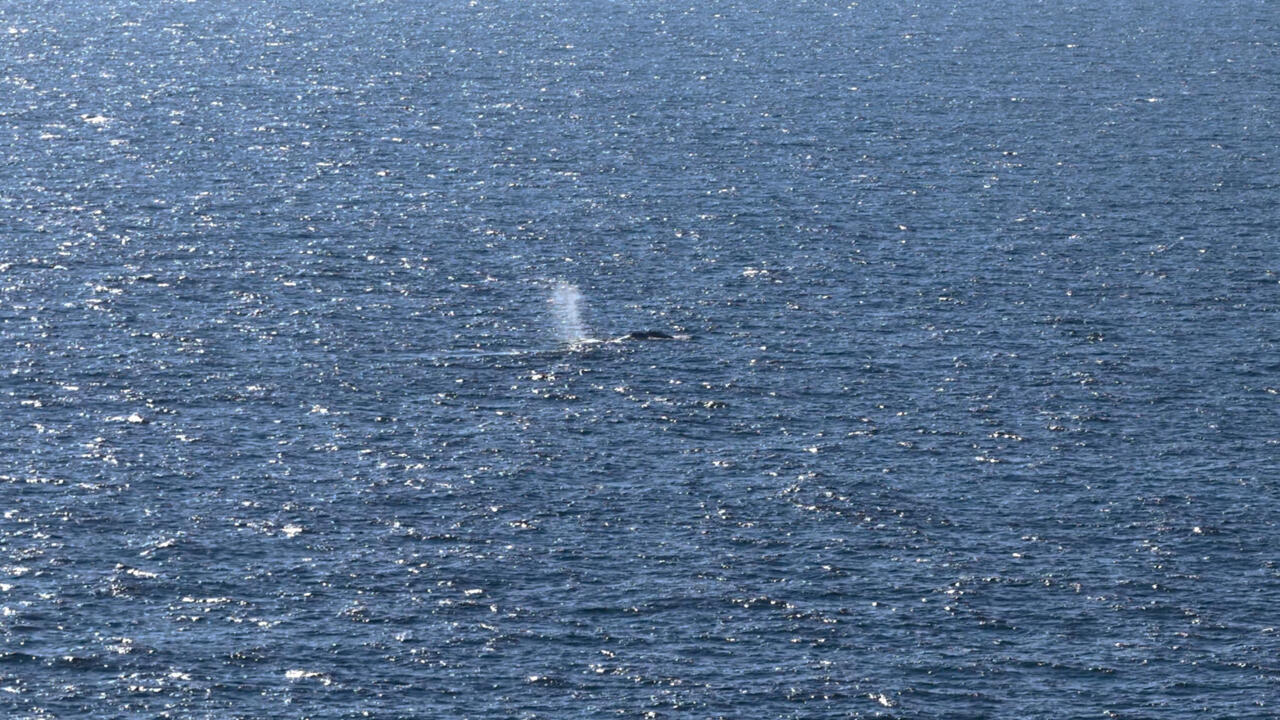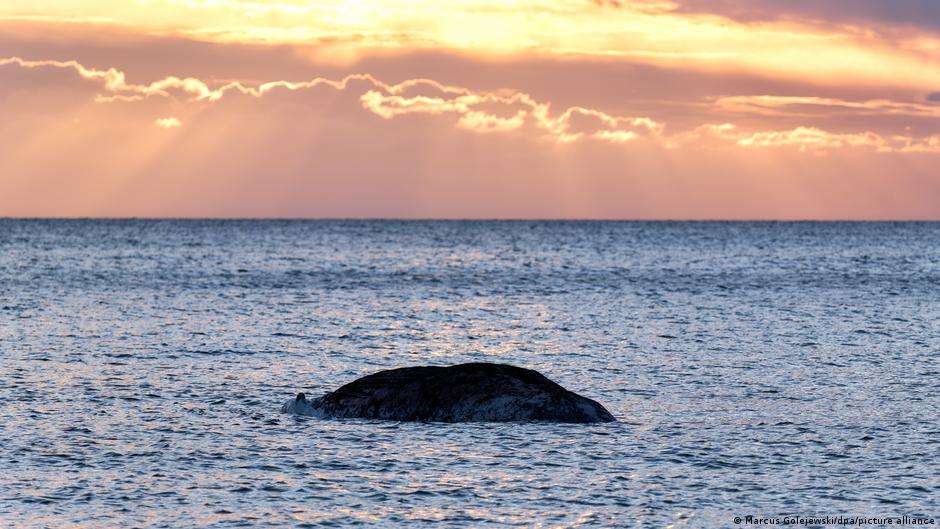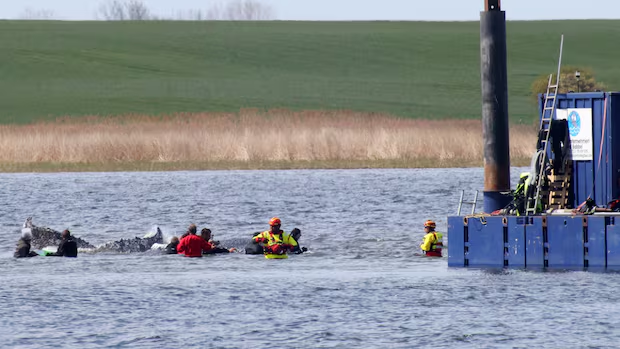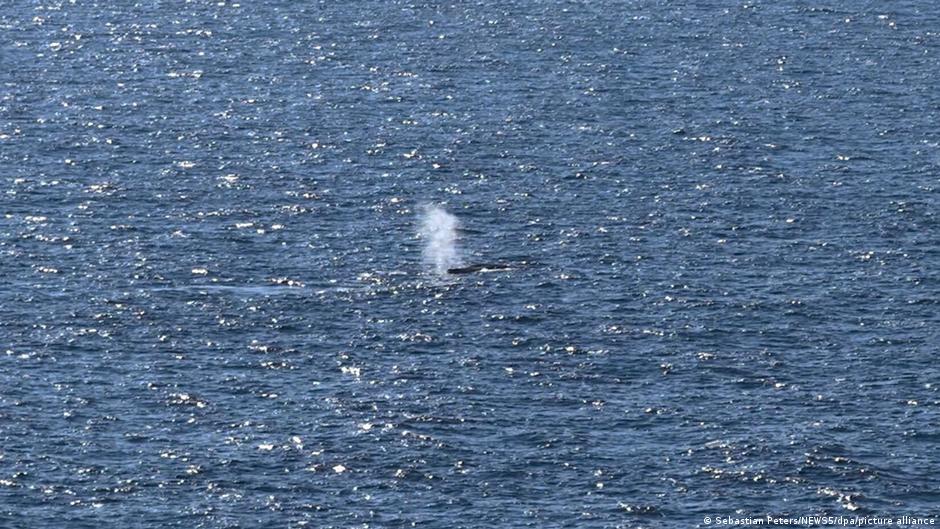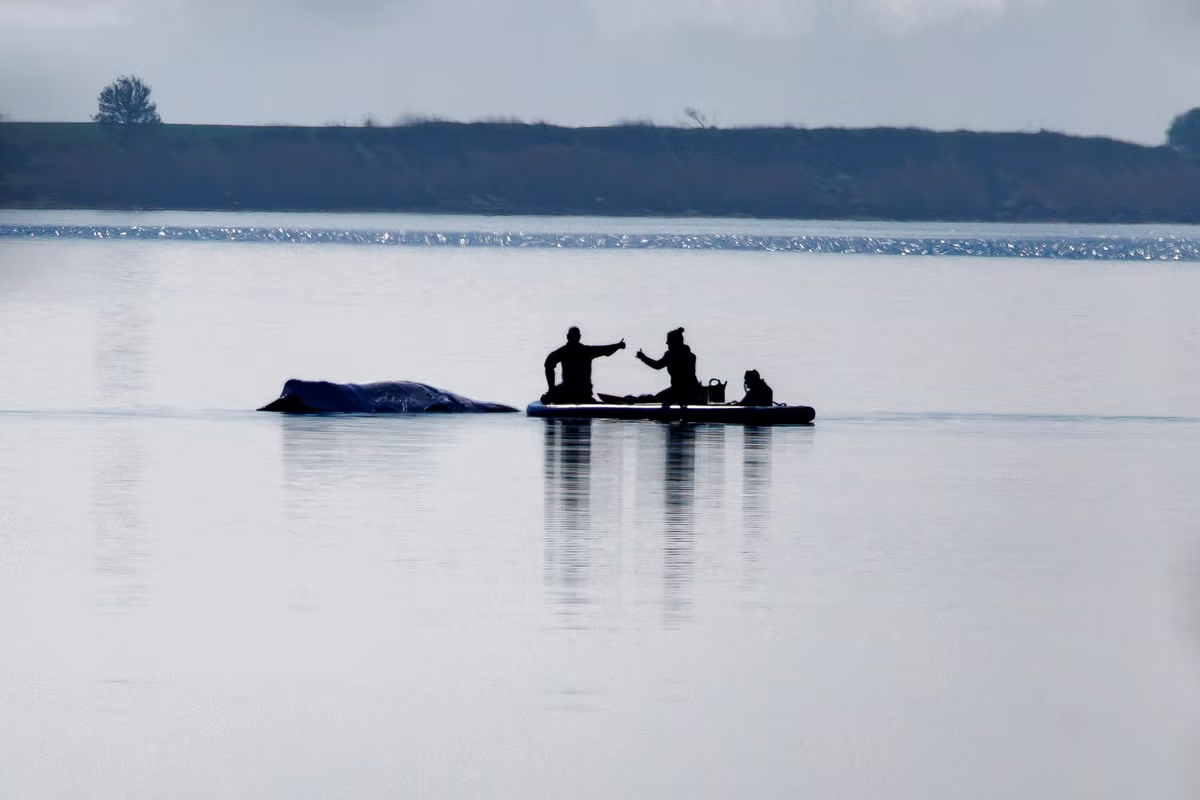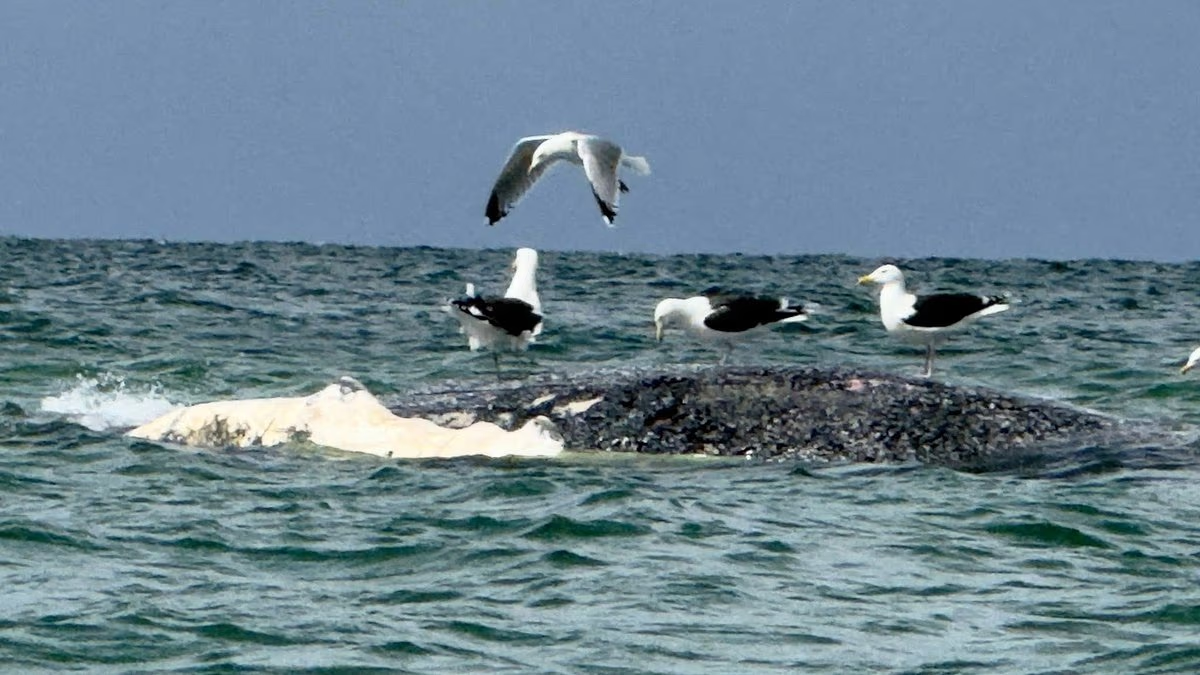
A humpback whale found dead this week off a Danish island has been identified as Timmy the whale - the animal released as part of a £1.3million rescue mission. Timmy whose health had severely deteriorated after being stranded near Germany since March - was released on May 2 after being transported in a water-filled barge by rescuers.But just days after Timmy entered the North Sea off Denmark, and following a lack of tracking data, the German Oceanographic Museum determined he didn't survive the transition to deep water.Now, a whale spotted off the small island of Anholt, the strait between Denmark and Sweden, on Thursday that had likely been dead for some time has been confirmed as Timmy. The site is south of the point about 45 miles from Skagen, on the northern tip of Denmark, where Timmy had first gained his household name and where he was released on May 2 after being transported towards the North Sea in a barge. Jane Hansen, head of division at the Danish Environmental Protection Agency, said in a statement: 'It can now be confirmed that the stranded humpback whale near Anholt is the same whale that was previously stranded in Germany and was the subject of rescue attempts.' She added that conditions on Saturday made it possible for a Danish Nature Agency employee to locate and retrieve a tracking device that was still fastened to the whale's back, and 'the position and appearance of the device confirm that this is the same whale that had previously been observed and handled in German waters'.The finding brought a sad end to weeks of efforts to guide the mammal back to its natural habitat in the Atlantic Ocean. The dead whale that washed up off the coast of Denmark (pictured), has been confirmed as Timmy The stranded humpback whale had been freed earlier last week following a rescue mission that cost £1.3millionThe whale was first spotted off the German coast on March 3. It is not clear why it swam into the Baltic Sea, which is far from its habitat and to which it was not suited, although some experts said it may have lost its way while swimming after a shoal of herring or during migration.In late March, it was rescued from shallow water in the German Baltic resort town of Timmendorfer Strand with the help of an excavator, but it soon ran into trouble again nearby.Local media produced days-long livestreams, and news sites alerted readers to the smallest developments in the whale's situation.At the beginning of April, experts said that they had given up hope for the whale and expected it to die in the inlet where it was stranded at the time.But the whale's deteriorating condition prompted a controversy that drew in privately funded rescuers, regional authorities and the scientific community. Activists staged protests calling for the animal's rescue, while influencers debated the best way to help it. Then two wealthy entrepreneurs, Karin Walter-Mommert and Walter Gunz, stepped in to finance the rescue, whose cost was estimated at £1.3million. They came up with what many saw as a long-shot plan - coax the whale into the water-filled hold of a special barge and tow it back to its natural habitat. At the start of April, officials abandoned rescue efforts, saying it could not be saved, but public outcry led authorities to approve a privately financed plan proposed by two entrepreneursSome experts at the time criticised the privately financed rescue plan, saying it would only cause the ailing and exhausted animal more distress.Till Backhaus, environment minister for Mecklenburg-West Pomerania region, where the whale first got into difficulties, said its death should make people 'take the protection of nature, preserving species and climate change even more seriously'.Calling for lessons to be learned from the incident, Mr Backhaus said he wanted to have talks with the Danish authorities about what would be done with the animal - and about the private initiative that tried to save the whale.Mr Backhaus added that the effort had given the whale 'a last chance to recover its freedom and health', but it had not been able to take that chance.He stressed in a statement that 'acquiescing to the rescue attempt doesn't constitute criticism of science' and added: 'I think it is absolutely human to use even the smallest chance when a life is at stake.' The regional government in Germany's Mecklenburg-Western Pomerania state allowed a private rescue initiative to go ahead with the ambitious effort to pull the whale on to a flooded barge.The initiative confirmed that the number tracking device found on the dead animal corresponded with the one that had been attached to the whale, German news agency dpa reported.It noted that it was not possible to say conclusively what caused the whale's death.Authorities have yet to decide what will be done with the dead whale.Jane Hansen added that 'at this time, there are no concrete plans to remove the whale from the area or to perform a necropsy, and it is not currently considered to pose a problem in the area.'The Danish Environmental Protection Agency said that while it understood 'the considerable public interest in this particular whale,' people should keep a safe distance and refrain from approaching the whale.'This is because the whale may carry diseases that can also be transmitted to humans, and there may also be a risk of explosion,' as decomposition creates large volumes of gases.
Timmy the whale is dead, officials say - despite £1.3m rescue mission
A whale spotted off the small island of Anholt, the strait between Denmark and Sweden, on Thursday that had likely been dead for some time has been confirmed as Timmy.
903 words~4 min read