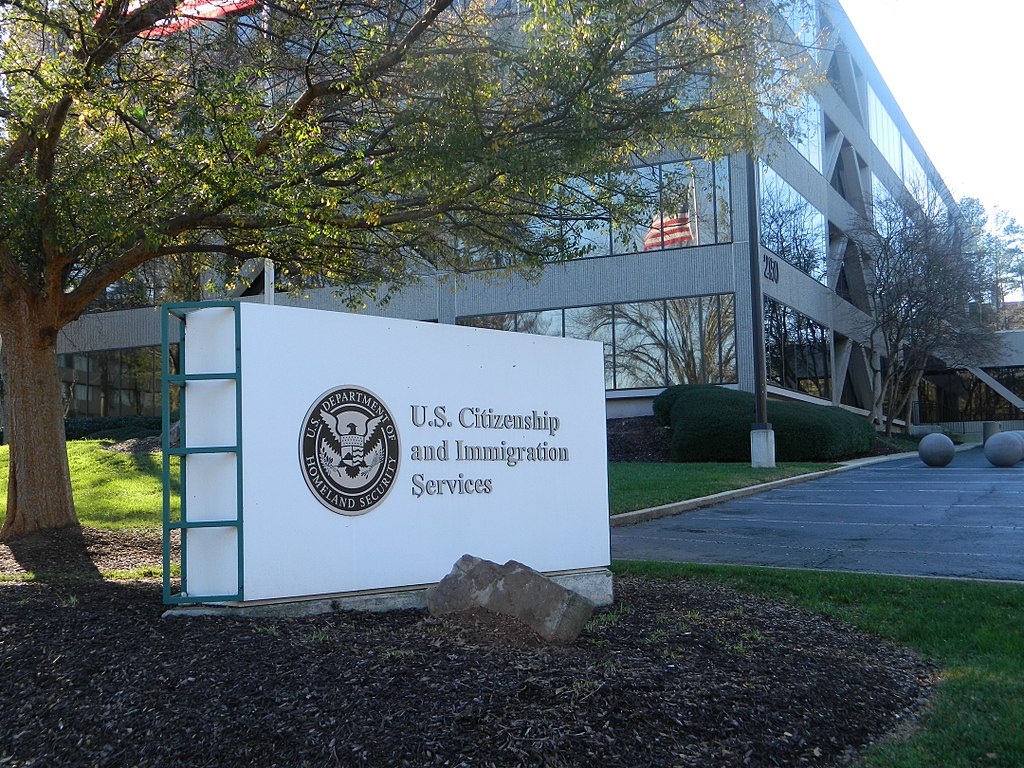
The Trump Administration's decision to end the Temporary Protected Status (TPS) for El Salvadorans is garnering nothing but condemnation. Typical is report by the Washington Post headlined (on line) "Trump Heaps More Misery on Vulnerable Immigrants." That can't be a good thing. But buried in this story is a larger policy problem that bears on national security and its worth at least teasing out some of the details -- and at the end of the day, while the Trump decision may be wrong (I think it is) it is not indefensible.
First, let's start with the obvious question: What is TPS?
The grant of Temporary Protected Status is based on country conditions and derives from a determination made by the Secretary of DHS that requiring people to return to that country would be inappropriate. Conditions that satisfy the statutory criteria include war (like the ongoing conflict in South Sudan), natural disaster (like the earthquake in El Salvador in 2001) and extraordinary temporary conditions. It bears noting that the statutory definition of TPS assumes the transient nature of the conditions that gives rise to the designation -- the statute mandates periodic review and it uses the word "temporary" so frequently that I don't have the patience to count all of the occurences. The bottom line is that the statute is intended as an act of grace -- when times are tough, the US will temporarily suspend application of its immigration laws.