Listen to the author discuss this piece with our Editor in Chief on the Lawfare Podcast.
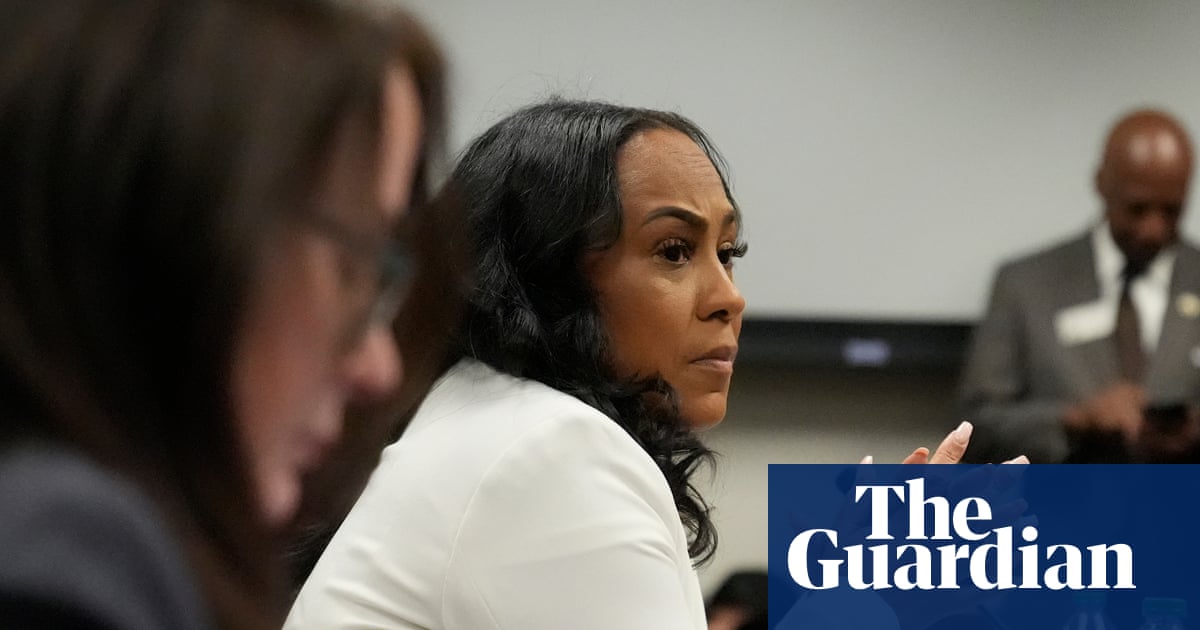
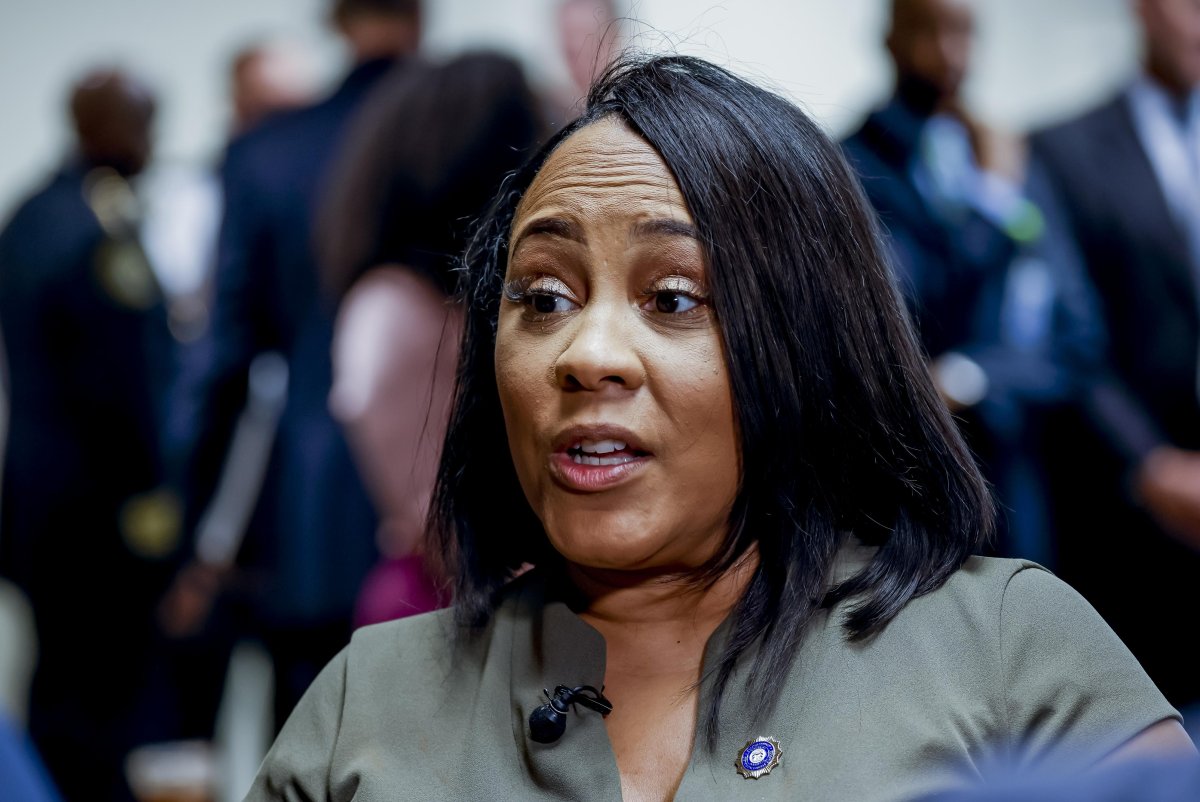
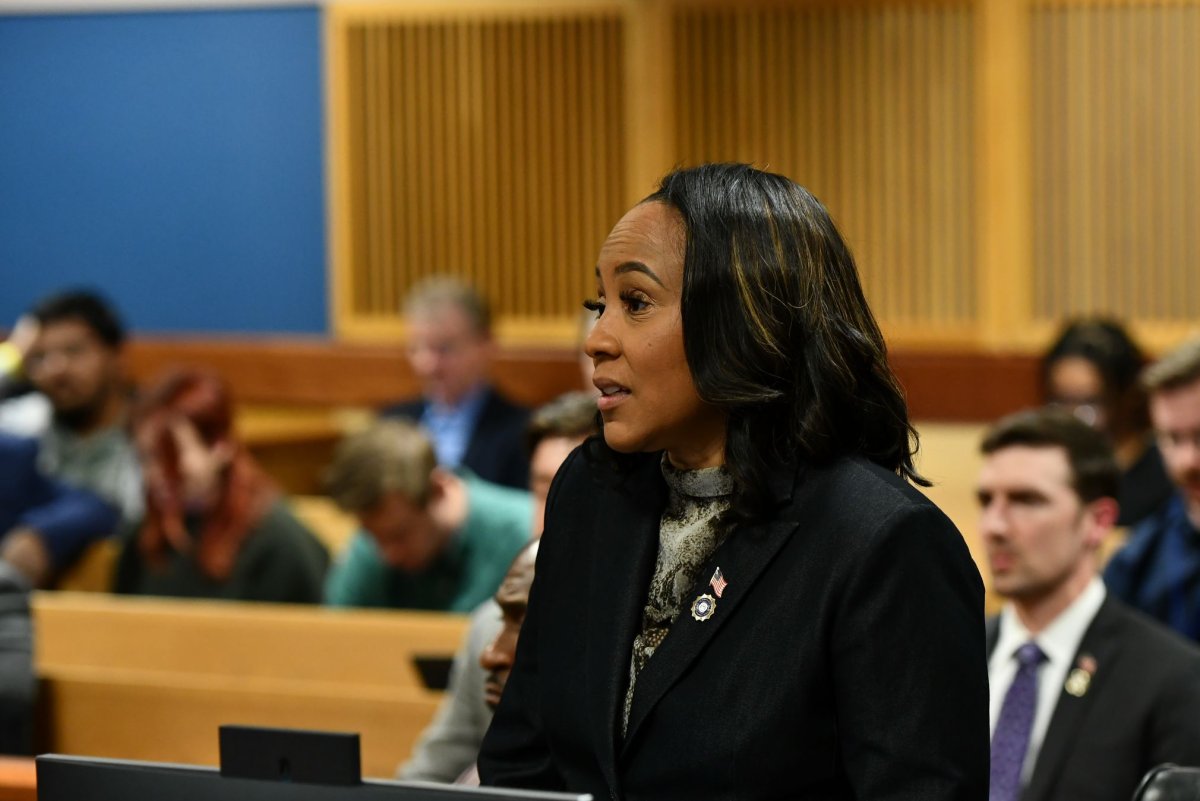
Fulton County district attorney Fani Willis is closing in on Donald Trump’s 2020 election meddling: CNN reports that Willis could begin issuing indictments as soon as December.
The news arrives just five months after a special purpose grand jury was empaneled to investigate Trump’s gambit to overturn the results of the 2020 presidential election. Since then, she has subpoenaed testimony from an increasingly long list of the former president’s allies, including the former mayor of New York, Rudy Giuliani; former White House Chief of Staff, Mark Meadows; and the senior senator from South Carolina, Lindsey Graham. On Oct. 7, Willis added two more high-profile names to her list: former House Speaker Newt Gingrich and former National Security Adviser Michael Flynn.
All of which has America wondering: What the f@#% is a special purpose grand jury, anyway? Can it really not indict anyone? If so, what does it even mean to be a “target” of a grand jury that can’t issue indictments? And why hasn’t Meadows been held in contempt for dodging his scheduled appearance in Georgia?
What follows is a broad-strokes primer on the special purpose grand jury system in Georgia, how the special purpose grand jury operates, and what to expect as the probe accelerates toward an endgame.