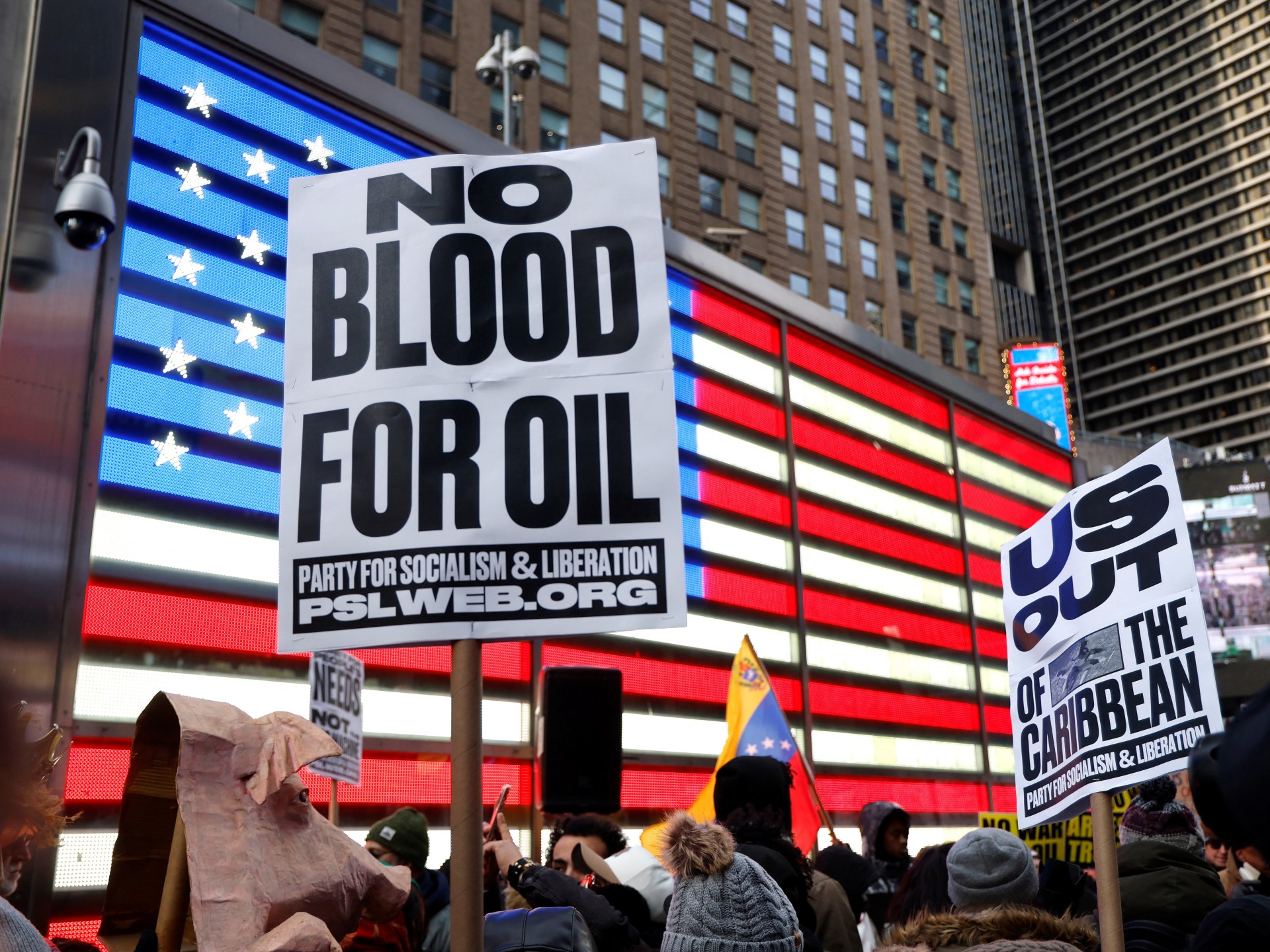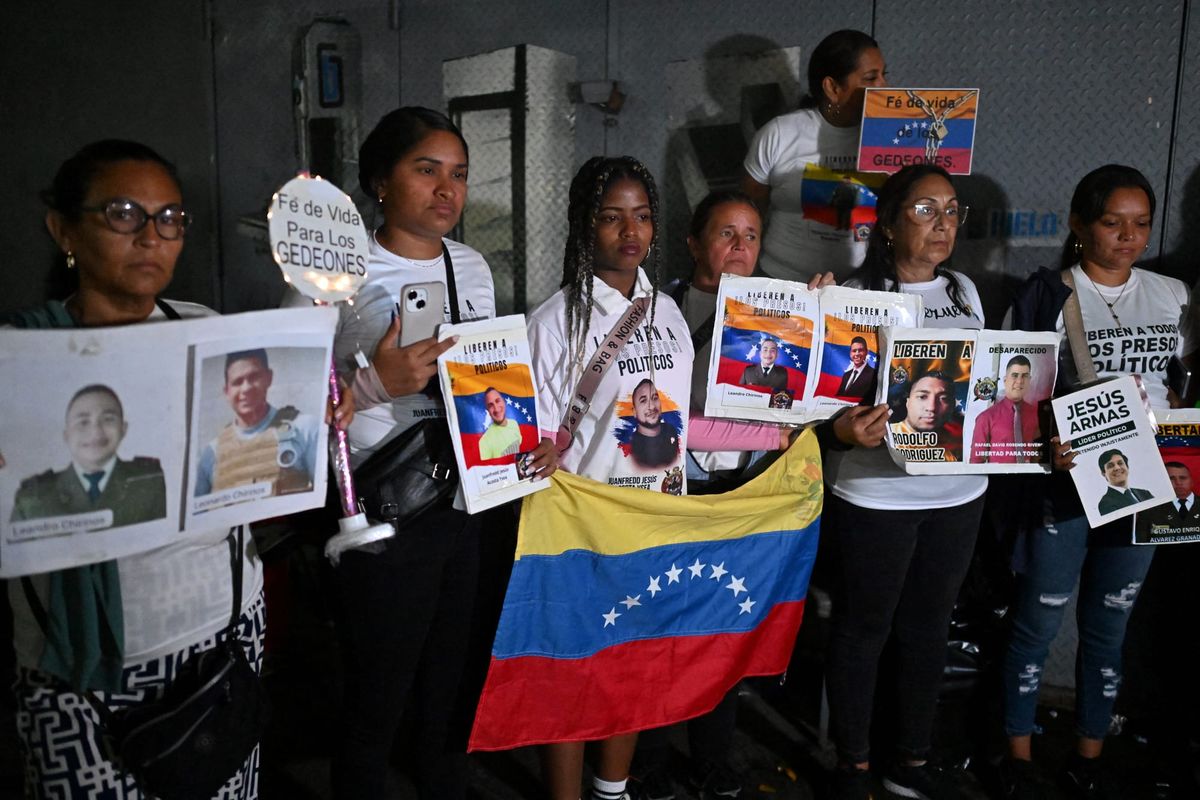
Before US helicopters landed in Caracas to kidnap Nicolás Maduro last month, Venezuela occupied an intermittent place on the international news agenda – even in Spanish-language media. Its political, economic, and humanitarian crises surfaced only at moments of high impact – elections fraud, protests, migration spikes – before fading back into the global background hum.“This is the first time in a long while that so many voices are commenting on, opining about, and analysing what is happening here,” Venezuelan journalist Valentina Gil, who specialises in fact-checking and digital content production, told openDemocracy.Latin America’s Spanish-language media is incredibly diverse and reflects the region’s complex history and the multitude of present interests. There are national outlets and regional outlets in each country, but also a wide array of Hispanic media based in the United States, the region’s military hegemon, ‘media in exile’ scattered through North and Central America and Europe and also the major Spanish-language online newspaper from Spain, the region’s former colonial power.Before the US incursion, Gil said, Spanish-language media covered Venezuela almost exclusively through the story of its displaced population: the 7.9 million people who have left the country in recent years. Front pages focused on those crossing on foot through the “hell” that is the Darién Gap (the dense rainforest along the Colombia-Panamá border that South American migrants must cross to reach the North), the last-minute visa requirements for people merely transiting through countries, and the deportations from the United States.Coverage was not always neutral. Luz Mely Reyes, a Venezuelan journalist and co-founder of the digital outlet Efecto Cocuyo, believes that the country’s mass migration has been “criminalised” in the media in the region. This is particularly the case in Chile, where the far-right president-elect, José Kast, is set to take office next month, and where Reyes has observed a clearly “biased” and openly “anti-migrant” framing in the conservative media.After the widely documented electoral fraud of July 2024 and Maduro’s self-proclamation as re-elected president, the diverse Hispanic-language press – like the rest of the world’s media – briefly turned its gaze back to Venezuela. Media outlets, Gil said, discussed irregularities in the electoral system, attempts at regional mediation, and then the inaction of neighbouring countries. “After all that,” she said, “silence. Until now.”
Venezuela: What Latin America’s press misses in coverage dominated by migration fatigue to geopolitical fever
Spanish-language media moved from migration fatigue to geopolitical fervour after the kidnapping of Nicolás Maduro
1,835 words~8 min read